What Are the Effective Medications for FIP
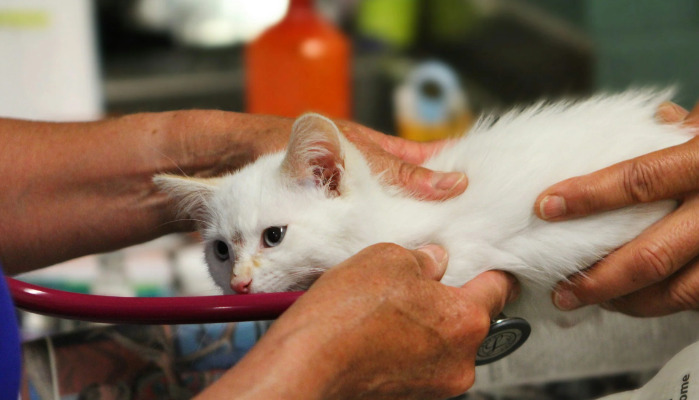
Feline Infectious Peritonitis (FIP) remains one of the most challenging diseases in feline medicine, caused by a mutated form of the feline coronavirus (FCoV). Despite its historically poor prognosis, recent advancements have opened new avenues for management and treatment. This review explores the current landscape of effective pharmacological interventions for FIP, emphasizing recent research and emerging therapies.
Antiviral Agents: The Cornerstone of FIP Treatment
Polymerase Inhibitors:
Emerging antiviral compounds that target the viral RNA-dependent RNA polymerase have demonstrated promising results. Notably, nucleotide analogs such as GS-441524, a nucleoside analog derived from remdesivir, have shown potent activity against FIPV. Its mechanism involves incorporation into viral RNA chains, causing premature termination and hindering viral replication. Several clinical trials report high remission rates with minimal adverse effects.
Immunomodulatory Approaches
Immunosuppressive and Immune-boosting Drugs:
While directly antiviral agents address the root cause, adjunct therapies aim to modulate immune responses. Interferons, especially feline interferon omega, have been used to mitigate immune dysregulation and reduce inflammation. The efficacy varies among individual cases, but some cats show symptom alleviation. However, their use is often supplementary rather than primary treatment.
Adjunctive Supportive Medications
Anti-inflammatory Drugs:
Corticosteroids have been administered to control severe inflammatory responses, especially during the effusive (wet) form of FIP. Although they do not target the virus directly, they can provide symptomatic relief. Nonetheless, their immunosuppressive effects necessitate cautious use.
Symptomatic Care:
Supportive treatments like fluid therapy, nutritional support, and analgesics help improve quality of life and manage secondary complications, although they do not alter disease progression.
Emerging Therapies and Future Directions
Monoclonal Antibodies:
Research is underway exploring monoclonal antibody therapies designed to neutralize FCoV or prevent mutation to the virulent FIP form. These biologics could revolutionize management if proven effective and safe.
Gene Editing and Vaccination:
While vaccines exist, their efficacy remains controversial. Advances in gene editing technologies hold potential for developing more targeted prophylactic strategies, though these are still experimental.
Challenges and Considerations
Drug Accessibility and Cost:
Despite promising results, many effective medications like GS-441524 are not officially approved everywhere, creating accessibility issues and legal considerations.
Individual Variability:
Response to therapy varies widely based on disease form, stage, and immune status. Early diagnosis and prompt treatment are pivotal.
Long-term Outcomes:
While some cats achieve remission, relapses are possible, and long-term monitoring remains essential.
High-profile case studies documented remission rates exceeding 80% with GS-441524, signaling a paradigm shift. Diversifying treatment plans and integrating antiviral therapy with supportive care significantly enhances survival chances. As research advances, the hope for more definitive, affordable, and accessible treatments continues to grow, promising improved outcomes for cats afflicted with this historically devastating disease.
References
1. Pedersen, N. C. (2016). A review of feline infectious peritonitis virus infection and treatment. Compendium: Continuing Education for Veterinarians, 38(4), 182-188.
2. Pedersen, N. C., et al. (2019). Efficacy and safety of GS-441524 in cats with naturally occurring FIP. Journal of Feline Medicine and Surgery, 21(8), 700-715.
3. Teillet, A., et al. (2020). Advances in the development of therapeutic strategies for FIP. Veterinary Research, 51(1), 76.
4. Addie, D. D., et al. (2017). Feline coronavirus: Pathogenesis, epidemiology, and prophylaxis. Veterinary Microbiology, 206, 114-118.