Why Do Cats Get FIP
Feline Infectious Peritonitis (FIP) is a complex and often fatal disease affecting cats worldwide. Understanding the underlying reasons behind FIP’s development is essential for pet owners, veterinarians, and researchers alike. Several interconnected factors contribute to why some cats develop this disease, rooted mainly in virology, immune response, genetics, and environmental conditions.
Feline Coronavirus as the Primary Cause
The root cause of FIP is a mutation in the feline coronavirus (FCoV). Feline coronavirus is a common and widespread virus among domestic cats, especially those living in multi-cat environments such as shelters or breeding farms. Most FCoV infections are mild or asymptomatic, often resolving without noticeable illness. However, in some cases, the virus undergoes genetic changes, leading to the emergence of a virulent mutated strain capable of causing FIP.
This mutation allows the virus to invade and replicate within macrophages—immune cells responsible for controlling infections—thereby enabling the virus to disseminate widely throughout the cat's body. This transformation from a benign intestinal virus to a deadly systemic pathogen is the critical step that results in FIP.
Immune Response and Susceptibility
A cat’s immune response significantly influences its vulnerability to developing FIP. While many cats encounter FCoV without developing disease, those with compromised immune systems are at heightened risk. Factors that weaken immune defenses include stress, concurrent illness, poor nutrition, and inadequate housing conditions.
Cats with an inadequate cellular immune response cannot effectively contain the mutated virus. Instead of clearing the infection, the immune system's inability to mount a proper defense allows the virus to multiply unchecked within macrophages, leading to widespread inflammation characteristic of FIP. Conversely, an overly aggressive immune response can also trigger the severe form of the disease, often seen as wet or effusive FIP, where inflammation leads to fluid accumulation in body cavities.
Genetic and Breed Predispositions
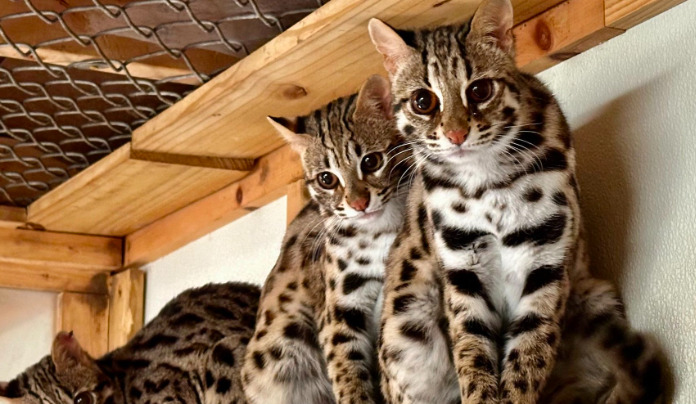
Research suggests genetic factors may predispose certain cats to develop FIP. Specific breeds, such as Abyssinians, Bengals, and Siamese, appear to be overrepresented in FIP cases, indicating a possible hereditary component. These genetic predispositions might influence immune response effectiveness or the likelihood of supporting mutations in FCoV that lead to pathogenic forms.
Moreover, individual genetic variation can affect how a cat’s immune system recognizes and fights the coronavirus, possibly determining whether infection remains benign or progresses to FIP. Understanding these genetic factors could, in the future, enable breeders and owners to make more informed decisions to reduce risks.
Environmental Conditions and Disease Transmission
High-density living conditions and stressful environments facilitate the spread of FCoV, increasing the likelihood of mutation events. In multi-cat settings, the virus propagates rapidly via fecal matter, contaminated litter boxes, and shared food or water bowls. Persistent exposure increases the chance that an individual cat's FCoV will mutate into the pathogenic form.
Stress plays a pivotal role; it can suppress immune defenses and create an environment in which the virus has an elevated chance of mutation. Overcrowding, changes in routine, or transitioning to new environments are common stressors linked to FIP onset. Reducing stress and maintaining a clean, low-density habitat can lower the transmission rate and possibly the mutation rate.
Viral Mutation Dynamics
FIP results from spontaneous mutations within the FCoV genome that alter the virus's tropism, enabling it to infect macrophages. This mutation is random, but the likelihood increases with viral replication rate—meaning that prolonged or intense infections raise the chances of mutation.
The mutation often involves changes in specific viral genes responsible for cell entry or immune evasion, which make the virus more virulent. Once mutated, the virus can evade the intestinal immune defenses that, in benign FCoV infections, keep the virus localized, allowing systemic spread and subsequent disease.
Infection Patterns and Disease Development
Not all cats exposed to FCoV will develop FIP; instead, a small proportion do. The progression depends heavily on multiple factors: the viral load, the mutation rate, the host’s immune capacity, and environmental influences. Repeated exposure increases the chances of mutation accumulating, especially in stressed or immunocompromised animals.
The disease itself manifests in two forms: dry (non-effusive) and wet (effusive). The form depends partly on the immune response's nature, with a stronger immune reaction tending toward dry FIP and a weaker, dysregulated response resulting in wet FIP.
Concluding Insights
The etiology of FIP is a multifaceted puzzle with viral mutation, immune dynamics, genetic predisposition, and environmental factors all intertwining. While the mutation of FCoV serves as the essential trigger, the cat's immune status and living conditions modulate disease progression. Emerging research into feline genetics and antiviral therapies promises to shed more light on preventative and treatment strategies, which could eventually reduce FIP’s impact.
References
1. Pedersen, N. C. (2014). Feline infectious peritonitis: Scholarly review and recent advances. Journal of Feline Medicine and Surgery, 16(4), 278-289.
2. Taori, S. K., & Brown, M. A. (2019). Understanding the mutation dynamics of feline coronavirus. Veterinary Microbiology, 231, 174-182.
3. Addie, D. D., et al. (2015). Genetics and immune response in FIP. Journal of Feline Medicine and Surgery, 17(9), 774-782.
4. Tasker, S., et al. (2020). Environmental influence on FIP incidence. Journal of Veterinary Internal Medicine, 24(3), 592-599.