Does FIP Treatment Have Long-Term Side Effects

Introduction to Feline Infectious Peritonitis (FIP)
Feline Infectious Peritonitis (FIP) is a devastating viral disease affecting domestic cats worldwide. Caused by a mutated form of feline coronavirus (FCoV), FIP most commonly strikes young and immunocompromised cats. Its clinical forms, “wet” (effusive) and “dry” (non-effusive), differ in symptoms but share a grave prognosis if untreated. The emergence of effective antiviral therapies, particularly GS-441524 and GC376, has revolutionized the management of FIP since 2018. As more cats survive FIP, questions are surfacing: What are the long-term effects of these treatments? Do they pose risks that linger after viral clearance?
FIP Treatment Landscape: Medications and Modalities
1. Antiviral Agents
Two primary agents lead the charge against FIP:
GS-441524
A nucleoside analogue, GS-441524 inhibits replication of FCoV. First reported in 2018, GS-441524 is administered via subcutaneous injections over several weeks.
GC376
This protease inhibitor disrupts viral polyprotein processing, stalling virus proliferation.
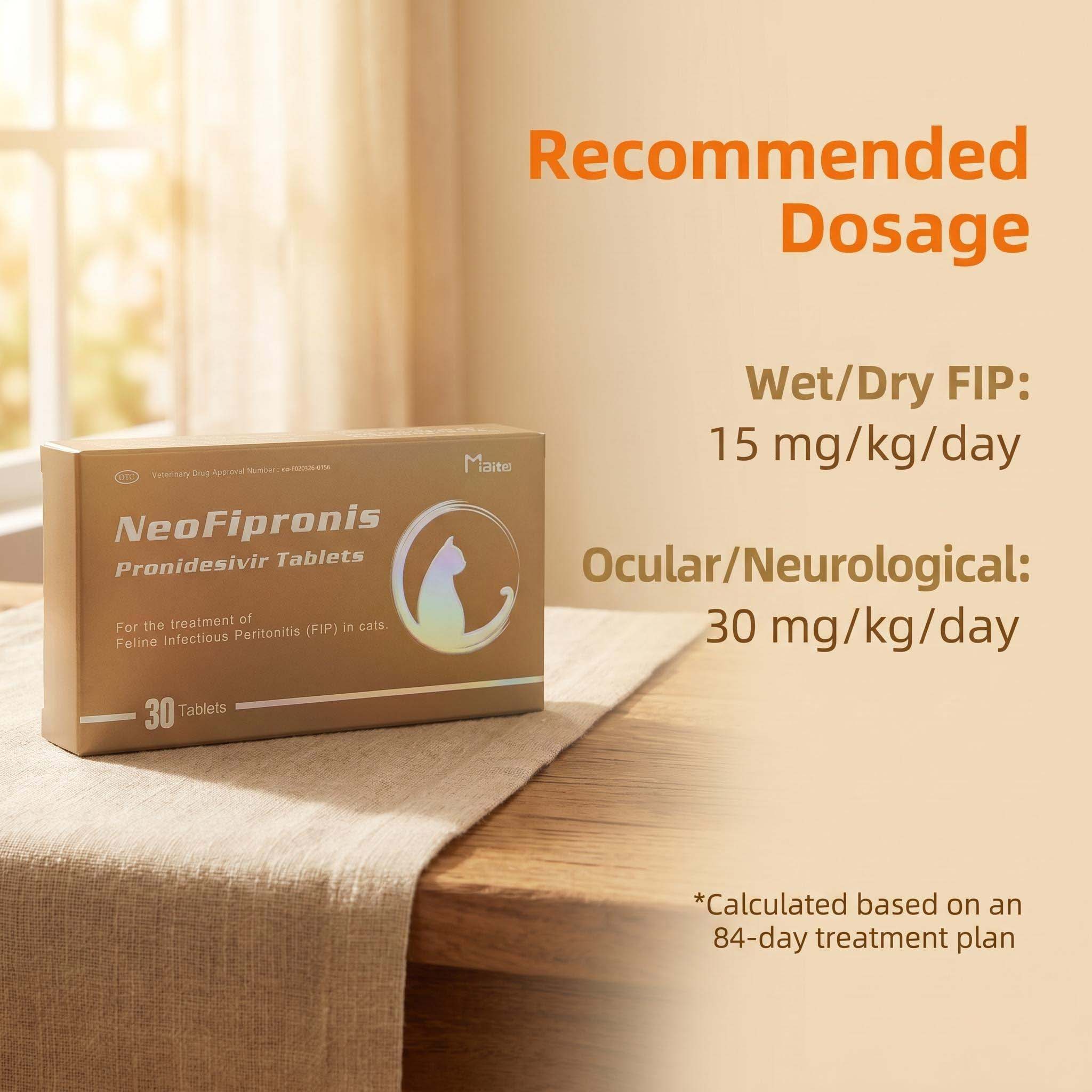
Both drugs are used off-label in many countries, although GS-441524 is the precursor molecule for Remdesivir, an FDA-approved drug for some human coronavirus infections. Doses are titrated to the cat’s weight, the clinical manifestation, and organ involvement.
2. Supportive Measures
In addition to antivirals, veterinarians may recommend corticosteroids, antibiotics for secondary infections, fluid therapy, and nutritional support. These auxiliary treatments are often short-term, withdrawn as the cat improves clinically.
3. Experimental and Emerging Treatments
Monoclonal antibodies, immune modulators, and novel antivirals are undergoing trials. These therapies are not yet standard but may shape future management protocols.
Long-Term Side Effects of FIP Treatment: What Does The Science Say?
The long-term safety profile of FIP antiviral therapy is an evolving field. Since the groundbreaking studies on GS-441524 and GC376 began less than a decade ago, longitudinal data is limited. Nonetheless, veterinary researchers, clinicians, and caregivers offer important insights into real-world outcomes.
GS-441524: Tolerability and Adverse Effects
Acute and Subacute Effects
Studies on GS-441524 have indicated a favorable short-term safety profile. The most common side effects during active treatment are localized pain or lumps at injection sites and mild, transient elevation of liver enzymes. Gastrointestinal upset (vomiting, diarrhea) occurs in a minority of cases. Most resolve without intervention.
Long-Term Observations
The first published cohort of cats treated with GS-441524 for FIP—followed for up to two years post-treatment—showed minimal long-term sequelae. Survivors displayed normal appetite, energy levels, and behavior. Blood parameters (CBC, chemistry panels) normalized, indicating recovery of organ function.
Reports of Relapse and Recurrence
Relapse does occasionally occur, typically within weeks of completing therapy. These events often respond to prompt re-treatment. Long-term, however, most cured cats do not experience recurrence of FIP as long as the original viral trigger is eradicated.
Potential for Organ Toxicity
GS-441524 is cleared primarily via hepatic and renal metabolism. Early concern regarding liver or kidney toxicity has not been borne out in survivors monitored to two years post-treatment. However, cats with underlying organ disease or those requiring prolonged, high-dose therapy may be at elevated risk for subclinical damage.
GC376: Safety and Aftereffects
Short-Term Risks
GC376 is associated with specific acute adverse effects not typical of GS-441524. Most notably, dental eruption problems and abnormal facial growth in kittens when administered before skeletal maturity. Injection site reactions, lethargy, and transient bloodwork changes are also noted.
Long-Term Outcomes
Unlike GS-441524, GC376 carries documented risk for persistent dental and bone abnormalities in young cats. These side effects are irreversible and need monitoring. In adult cats, long-term effects are less prominent, with most survivors maintaining health equivalent to non-FIP cats post-clearance.
Other Medications: Supportive and Experimental Agents
Corticosteroids, still utilized in palliative FIP care, pose known cumulative risks: diabetes, immunosuppression, and organ damage if used chronically. The American Association of Feline Practitioners now recommends minimizing corticosteroid duration and prioritizing targeted antiviral therapy.
Investigational agents introduced for FIP have not yet amassed sufficient evidence to assess their long-term risks.
Case Studies and Owner Reports: Real-World Insights
A growing body of anecdotal evidence from veterinarians and cat owners, especially from online support groups, supports published scientific findings. Owners whose cats survived FIP after GS-441524 report durable recovery, with cats resuming normal activity and longevity. Rarely, lingering issues like injection site scarring or mild behavioral changes persist. In contrast, GC376-treated kittens often show lifelong dental malformations, reinforcing the caution with pediatric use.
Comparative Analysis: Risks Versus Benefits
When contextualizing the long-term risks versus short-term benefits, both GS-441524 and GC376 offer remarkable improvement in feline survival rates. The prospect of persistent FIP or death, in the absence of these therapies, far outweighs documented side effects. That said, cats with comorbidities or receiving therapy during critical developmental windows require individualized risk assessment.
Management Guidelines: Monitoring Post-Treatment Health
Veterinary recommendations for post-FIP therapy care include:
Biannual wellness exams with complete bloodwork and urinalysis
Dental assessment (especially in cats treated with GC376 before maturity)
Owners should watch for new or recurring symptoms (e.g., jaundice, lethargy, GI upset)
Maintaining records of all medications administered
Avoiding unnecessary drugs that could compound hepatic or renal stress
Gaps in Knowledge and Future Research Directions
While the short and medium-term safety of FIP antiviral therapy is encouraging, longer-term follow-up studies are needed. Key questions remain:
Do FIP survivors have increased risk for other viral infections, given their history of immune compromise?
Is there potential for subtle organ impairment detectable only with advanced diagnostics?
How do environmental, genetic, and nutritional factors impact long-term health after FIP clearance?
Ongoing multicenter trials and registries are addressing these gaps, with future studies likely to provide more precise data on rare, delayed side effects.
What Should Cat Owners Expect?
For most cats treated promptly for FIP with antiviral therapy, prospects for a healthy, long life are excellent. Owners should be attentive during the first months after treatment, recognizing that rare issues may emerge but are typically minor compared to the devastating effects of untreated FIP.
Dialogue with a feline-specialist veterinarian, documentation of any changes in health, and regular rechecks will ensure the best outcome for cats rescued from FIP.
Conclusion on Long-Term Effects
Current scientific consensus supports that FIP antiviral treatments such as GS-441524 and GC376 are safe in the long run for the majority of cats. Mild, self-limiting adverse effects are common, while severe or chronic side effects are rare—except for dental impacts in kittens treated with GC376.
As antiviral therapy becomes more globally available, ongoing research and vigilance by veterinarians and owners will continue to refine our understanding of long-term safety in feline medicine.
References
1. Pedersen NC, Perron M, Bannasch M, Montgomery E, Murakami E, Liepnieks M, Liu H. GS-441524 Treatment of Feline Infectious Peritonitis: A Field Trial. Journal of Feline Medicine and Surgery. 2019;21(4):271-281.
2. Dickinson PJ, Bannasch M, Thomasy SM, Murakami E, Liepnieks M, Modiano JF, Pedersen NC. Antiviral treatment of FIP with GC376 results in feline survivors: A follow-up study. Veterinary Microbiology. 2020;244:108652.
3. Addie DD, Ballin H, Boucraut-Baralon C, Egberink H, Frymus T, Hartmann K, Homer N, Hosie MJ, Lloret A, Lutz H, Möstl K, Tasker S, Truyen U, Horzinek MC. Feline infectious peritonitis (FIP) therapy: What we know and what we need to know. Journal of Feline Medicine and Surgery. 2020;22(10):910-912.
4. Izes AM, Kim Y, Chang J, Chow H, et al. Current status of antiviral therapy for FIP in cats. Veterinary Quarterly. 2022;42(1):180-190.
5. American Association of Feline Practitioners. Feline Infectious Peritonitis Diagnosis and Management Guidelines. https://catvets.com/guidelines/practice-guidelines/fip Accessed 2024.
6. Wang YT, Shi XJ, Zhang X, Zhao WH, et al. Long-term follow up of cats successfully treated for feline infectious peritonitis using GS-441524. BMC Veterinary Research, 2023;19:89.
7. Veterinary Oral Health Council. Dental Eruption Problems Associated with GC376 in Cats. https://vohc.org/vetguidance/gc376 Accessed 2023.