How to Prevent FIP in Indoor Cats

Feline Infectious Peritonitis (FIP) is a serious, often fatal disease that affects domestic cats, primarily caused by a mutated form of the feline coronavirus (FCoV). Although FIP is relatively rare, its development can be devastating for cat owners. Preventing FIP involves understanding the disease, reducing exposure to the virus, and maintaining optimal health for indoor cats.
Understanding FIP and Its Origins
FCoV is a common virus among cats, especially those in multi-cat environments. Most cats infected with FCoV show mild or no symptoms; however, in some cases, the virus mutates, leading to FIP. The mutation allows the virus to invade the immune cells, resulting in widespread inflammation.
Environmental Control and Infection Prevention
Since FCoV is transmitted mainly through fecal-oral routes, maintaining a clean environment is essential. Regularly cleaning litter boxes minimizes viral load and reduces the risk of infection. Use dedicated tools and wash hands thoroughly after handling cat waste. Avoid overcrowding, which can facilitate virus spread among multiple cats, even indoors.
Hygiene Practices
Routine hygiene is crucial in preventing FIP. Clean feeding bowls, bedding, and toys regularly to prevent viral contamination. Disinfect common surfaces using appropriate agents like diluted bleach or commercial disinfectants proven effective against coronaviruses. Keeping the environment sanitary significantly diminishes the opportunity for infection.
Managing Multi-Cat Households
Cats living in multi-cat households are at higher risk of FCoV transmission due to increased contact. To mitigate this, aim for stable social groups to prevent stress, which can weaken immune defenses. Quarantining new or suspicious cats before integrating them into the family reduces disease spread. Regular health monitoring and prompt veterinary checks help detect early signs of illness.
Diet and Nutrition
A healthy diet supports immune function, making cats less susceptible to infections and their complications. Provide a balanced and nutrient-rich diet suited to the specific needs of your cat, and consult with a veterinarian for tailored recommendations. Proper hydration and avoiding sudden dietary changes contribute to overall health.
Stress Reduction
Stress has been linked to the progression of FIP, as it impairs immune responses. Create a calm indoor environment with ample hiding spaces, vertical territories, and enrichment activities. Avoid sudden changes in routine or environment that could induce stress.
Veterinary Vigilance and Testing
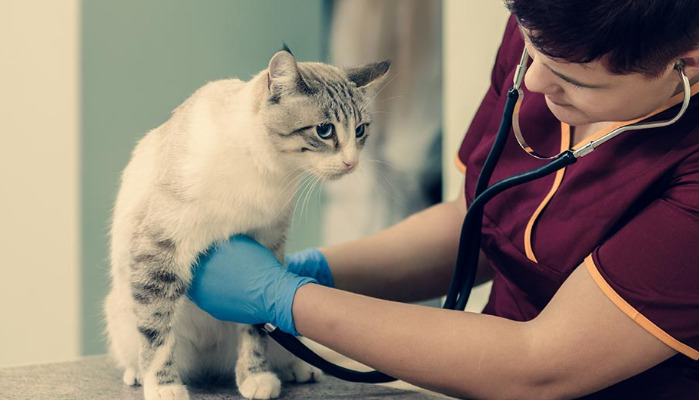
Regular veterinary check-ups are vital. While testing for FCoV can identify carriers, not all feline coronavirus carriers develop FIP. Still, early detection allows for better health management and planning. Veterinarians can also advise on vaccination strategies if applicable, even though vaccines are limited in availability.
Limiting Transmission of FCoV
Since most cats are exposed to FCoV at some point, focus on minimizing viral shedding. Keep litter boxes clean, reduce stress, and avoid overcrowding. If a cat tests positive for FCoV, monitor closely and maintain strict hygiene protocols.
Vaccination and Medical Interventions
Currently, there is no universally effective vaccine against FIP, but research continues. Some experimental vaccines exist and might be considered in high-risk situations under veterinary guidance. Supportive care and antiviral medications may be options if the disease develops, but prevention remains the best strategy.
Recognizing Early Signs
Early detection of FIP is challenging because symptoms can mimic other illnesses. Watch for signs such as weight loss, lethargy, fever, decreased appetite, and fluid accumulation in body cavities. Prompt veterinary attention improves outcomes and quality of life.
Conclusion
Preventing FIP in indoor cats requires a multifaceted approach centered on strict hygiene, environmental management, stress reduction, and regular health monitoring. By understanding how FCoV spreads and taking proactive steps, cat owners can significantly decrease the risk of FIP development, ensuring a healthier, happier life for their feline companions.
References
1. Pedersen, N. C. (2014). An update on feline enteric coronavirus and its relationship to feline infectious peritonitis virus. Advances in Veterinary Medicine, 2014(2), 4-28.
2. Hartmann, K. (2005). Feline infectious peritonitis. The Veterinary Clinics of North America: Small Animal Practice, 35(1), 39–79.
3. Addie, D. D., & Jarrett, O. (1994). Feline coronavirus and related viruses. In Practice, 16(5), 247–253.
4. Lappin, M. R., & Brunner, H. (2011). Feline infectious peritonitis. Infectious Diseases of the Dog and Cat, 351–359.
5. Taeymans, O. (2016). Feline infectious peritonitis: an overview of pathogenesis, diagnosis, and therapy. The Veterinary Journal, 207, 85-92.