What to Do if a Cat Vomits During FIP Treatment
Feline Infectious Peritonitis (FIP) is a serious and often fatal disease caused by a mutated form of the feline coronavirus. Treating FIP can be complex, involving antiviral medications, supportive care, and regular monitoring. One common concern among pet owners undergoing FIP treatment is sudden vomiting in their cats. Understanding what to do in this situation is crucial to ensure the safety and well-being of the affected animal.
Understanding FIP and Its Treatments
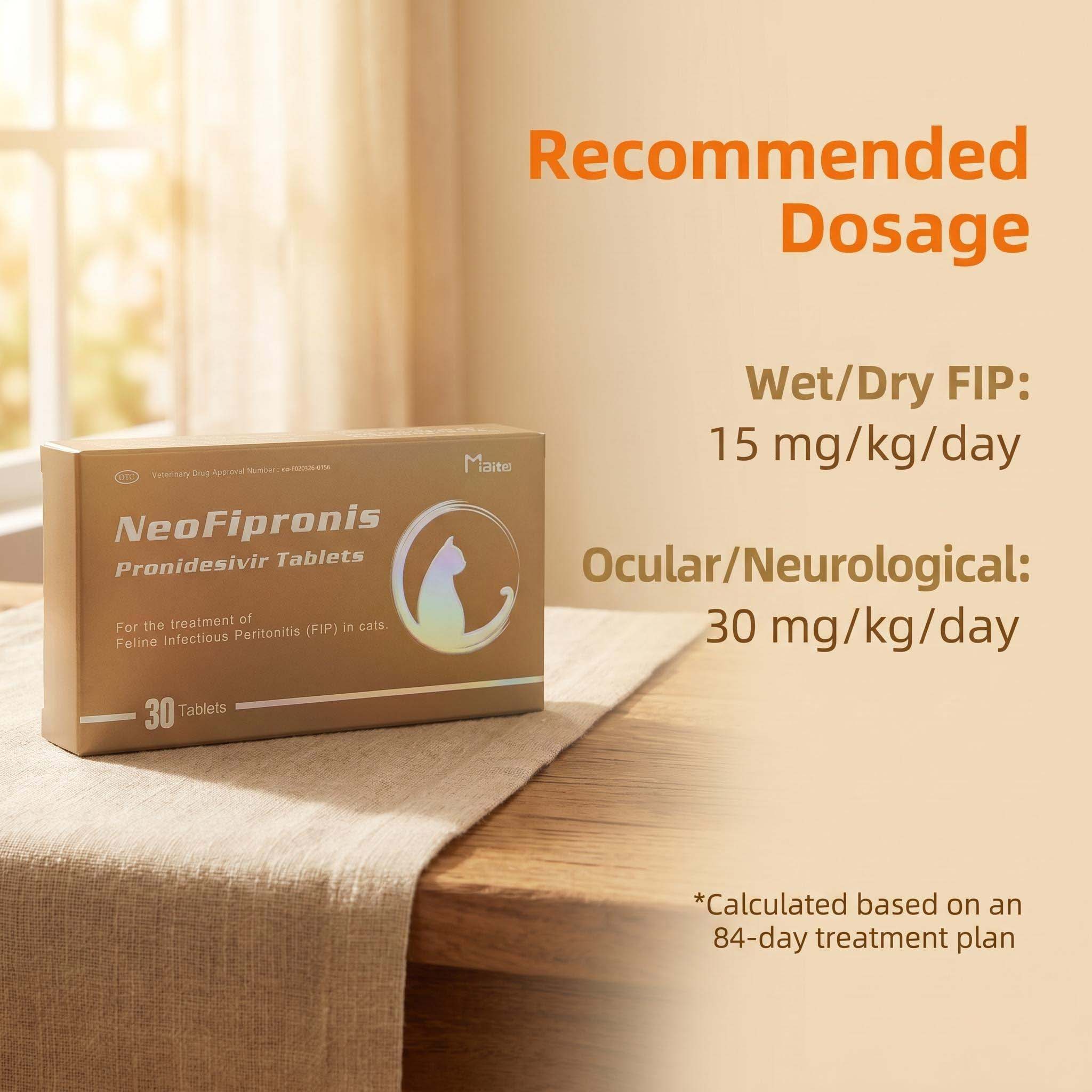
FIP affects various organs, leading to symptoms like weight loss, lethargy, fever, and abdominal swelling. Recent advances in antiviral drugs, such as GS-441524, have improved outcomes, but treatment remains intensive. The medications are often administered through injections or oral administration, and the cat's response can vary. Managing side effects, including nausea and vomiting, is an integral part of care.
Why Might a Cat Vomit During Treatment?
Vomiting can occur due to several reasons related to both the disease and its medications:
Medication Side Effects: Antivirals or other drugs might irritate the stomach lining, causing nausea or vomiting.
Gastrointestinal Sensitivity: FIP itself can affect the gastrointestinal tract, leading to symptoms like vomiting.
Disease Progression: As FIP advances, systemic illness can impair normal digestion.
Stress and Anxiety: Hospital visits, injections, or changes in routine may induce stress, contributing to vomiting.
Other Underlying Conditions: Pre-existing conditions like gastrointestinal infections or parasites can also cause vomit episodes.
Immediate Steps When Your Cat Vomits
1. Assess the Vomit Content
Observe what your cat vomited. Is it stomach acid, undigested food, or something more concerning like blood? Noticing details helps determine severity.
2. Check for Additional Symptoms
Look for other signs such as lethargy, diarrhea, loss of appetite, or abdominal pain. These could indicate complications that require immediate attention.
3. Ensure Hydration
Vomiting can quickly lead to dehydration. Offer fresh water in small amounts to encourage intake, but avoid forcing ingestion if the cat is reluctant.
4. Stop Medications Temporarily
Do not administer any medications until consulting your veterinarian. Some drugs may need adjustment or temporary suspension if vomiting persists.
5. Isolate the Cat
Keep your cat calm and comfortable in a quiet, stress-free environment. Minimize handling to reduce anxiety.
When to Contact Your Veterinarian
Prompt veterinary consultation is essential if vomiting continues or worsens. Specifically, contact your vet if:
Vomiting occurs more than once in 24 hours
Your cat shows signs of dehydration (dry gums, lethargy, sunken eyes)
Presence of blood in vomit or stool
Noticeable abdominal pain or bloating
Loss of appetite persists
Behavioral changes, such as increased hiding or vocalization
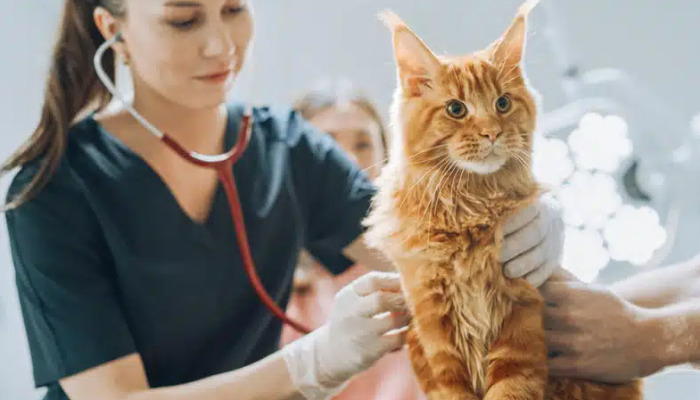
Veterinarians can determine whether the vomiting is medication-related, a sign of disease progression, or an unrelated issue like gastrointestinal parasites.
Diagnostic and Treatment Strategies
Your veterinarian may recommend various diagnostics, including blood work, ultrasound, or X-rays, to evaluate the cause. Treatment adjustments might include:
Medication Change or Reduction: If drugs cause nausea, alternative formulations or dosages may be considered.
Anti-Nausea Medications: Drugs such as maropitant (Cerenia) can help control vomiting.
Supportive Care: Intravenous fluids, appetite stimulants, or probiotics may support recovery.
Dietary Modifications: Feeding bland, easily digestible foods temporarily can help reduce gastrointestinal irritation.
Long-term Management and Monitoring
Managing FIP requires ongoing care. Regular veterinary check-ups enable early detection of complications like vomiting. Owners should keep a detailed log of vomiting episodes, medication adherence, and any other symptoms. Monitoring the cat's weight, appetite, and hydration status is vital.
Preventative Measures
Adhere strictly to prescribed treatment plans.
Administer medications with food or as directed to reduce stomach upset.
Reduce stress through a safe and familiar environment.
Maintain cleanliness to prevent secondary infections.
Conclusion
Vomiting during FIP treatment can be alarming, but understanding the potential causes and responding appropriately can help mitigate risks. Immediate assessment, open communication with your veterinarian, and supportive care are the cornerstones of managing this complication. The goal is to ensure the cat’s comfort, optimize the treatment response, and improve quality of life during this challenging condition.
References
1. Pedersen, N. C. (2014). An update on feline infectious peritonitis: Diagnostic considerations. Vet Clin North Am Small Anim Pract, 44(4), 939-955.
2. Brancatelli, S., & Prata, A. (2021). Advances in the treatment of Feline Infectious Peritonitis. Journal of Feline Medicine and Surgery, 23(1), 70-77.
3. Addie, D. D., & Jarrett, O. (2003). Feline coronavirus: The purpose and significance of antibody titers. Feline Practice, 31(3), 101-105.
4. Riemer, C., et al. (2020). Management strategies for FIP: Current approaches and future prospects. Veterinary Medicine, 11, 52-65.