Can Cats Have FIP Without Ascites
Feline Infectious Peritonitis (FIP) is a devastating and complex disease affecting domestic cats. Traditionally, FIP has been closely associated with the presence of ascites—an abnormal accumulation of fluid in the abdomen. However, with evolving research and growing clinical experience, veterinarians and cat owners have observed cases where cats present with FIP but lack ascites. This article deeply explores the mechanisms, forms, clinical signs, and diagnostic approaches of FIP in cats, with a special focus on cases occurring without ascites. The discussion aims to enhance awareness of atypical presentations, leading to better clinical outcomes and earlier diagnoses.
FIP: Overview and Etiology
FIP is caused by a feline coronavirus (FCoV), which exists in two forms: an enteric type that usually leads to mild gastrointestinal symptoms, and a mutated type that can cause systemic illness. Most cats exposed to FCoV do not develop FIP; only a small percentage experience the crucial viral mutation that triggers the immune-mediated disease. FIP mainly affects young cats, those in multi-cat environments, or immunocompromised individuals.
Traditional Forms of FIP
FIP is classically categorized into two major forms:
1. _Wet (effusive) FIP_—Characterized by significant fluid buildup in body cavities, most commonly the abdomen (ascites) or, less frequently, the thorax (pleural effusion).
2. _Dry (non-effusive) FIP_—Marked by the formation of granulomas and inflammatory lesions in various organs without substantial fluid accumulation.
Ascites is a hallmark of wet FIP but not of all FIP cases.
Clinicopathological Features Beyond Ascites
While ascites remains a textbook sign of effusive FIP, not all affected cats exhibit this symptom. In dry FIP, clinical manifestations are highly variable and can mimic numerous other disorders. Cats with dry FIP may show signs such as:
Persistent fever unresponsive to antibiotics
Weight loss and lethargy
Jaundice
Neurological deficits (ataxia, seizures, behavioral changes)
Ocular signs (uveitis, retinal changes)
Many cases of dry FIP may eventually progress to wet FIP; still, some cats never develop ascites throughout the disease course.
Pathogenesis: Why Ascites Occurs—and Why It Might Not
The traditional model of FIP pathogenesis involves a strong immune reaction to mutated FCoV. In effusive cases, extensive damage to blood vessels (“vasculitis”) lets protein-rich plasma leak into body cavities, resulting in ascites or pleural effusion. In dry FIP, the immune response tends to be more localized, producing granulomatous lesions in specific organs (such as lymph nodes, liver, kidneys, or brain) but without massive fluid leakage.
Some factors thought to influence the lack of ascites include:
The strength and type of the cat’s immune response
Localization of inflammatory lesions
Progression speed of the disease
Age and health status of the cat
Therefore, cats can indeed develop FIP without the hallmark sign of abdominal fluid accumulation.
Neurological and Ocular FIP
FIP can involve the central nervous system (CNS) or eyes, sometimes without any effusion. Neurological FIP features seizures, ataxia, cranial nerve deficits, and behavioral changes. Ocular FIP shows as inflammation, retinal detachment, or iris alterations. Both presentations may lack external or abdominal fluid buildup.
Diagnosing FIP Without Ascites
Diagnosing FIP is notoriously difficult, especially so in cases without ascites. Veterinarians rely on a combination of history, clinical signs, laboratory findings, and advanced techniques:
Laboratory tests:
Elevated globulins, anemia, lymphopenia
Increased total protein
High coronavirus antibody titers
Imaging:
Ultrasound or CT to evaluate organs for granulomas or masses
Serology and PCR:
PCR detection of FCoV RNA in cerebrospinal fluid or tissue biopsies
Histopathology:
Granulomatous inflammation in organ biopsies
Immunohistochemistry:
Detection of viral antigen within lesions (most definitive antemortem diagnosis)
In the absence of ascites, diagnostic confirmation demands more advanced testing, careful clinical judgment, and sometimes exploratory surgery or tissue biopsy.
Differential Diagnosis
Many conditions share symptoms with dry FIP, making diagnosis challenging. Key differentials include:
Lymphoma and other neoplasms
Bacterial infections (such as mycobacterial disease)
Systemic fungal infections
Toxoplasmosis
Immune-mediated diseases
Non-effusive FIP should always be considered in cats with unexplained multisystemic signs, chronic fever, or neurological disease when other causes have been excluded.
Treatment Developments
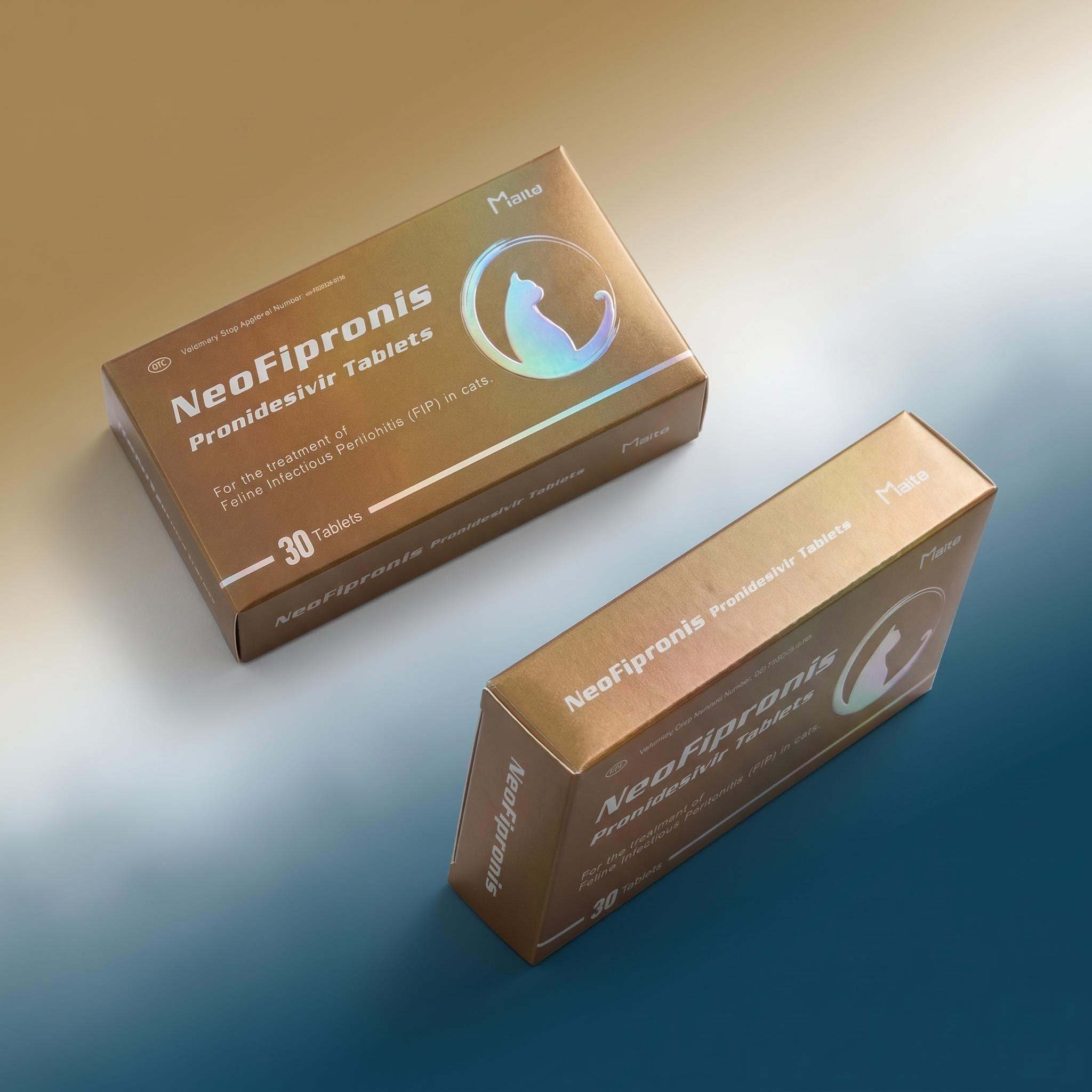
Historically, FIP was considered untreatable and invariably fatal. However, recent advances have ushered in antiviral medications demonstrating efficacy, especially the nucleoside analog GS-441524. These therapies require early diagnosis for best outcomes—highlighting the importance of recognizing FIP presentations without fluid accumulation.
Supportive care includes:
Anti-inflammatory medications
Nutritional support
Careful monitoring for complications
Long-term outcomes depend on early identification and access to effective antivirals, which are still under regulatory review in some countries.
Implications for Cat Owners and Veterinarians
Understanding that FIP can present without ascites alters how veterinarians approach feline medicine. Unexplained fevers, neurological symptoms, and organ dysfunctions in young cats or those with coronavirus exposure should prompt consideration of dry FIP. Early and accurate diagnosis, often involving referral centers and advanced imaging or pathology, increases the chances for a favorable response to emerging therapies.
Epidemiological Considerations
Prevalence estimates for dry FIP vary, but research suggests that up to one-third of all FIP cases lack significant effusion at diagnosis. Dry FIP’s subtle signs can delay diagnosis, underscoring the need for heightened awareness among veterinary professionals.
Genetic Susceptibility and Prevention
Some breeds (such as Bengals, British Shorthairs, and Abyssinians) may be predisposed to developing FIP, although environmental factors (multi-cat households, shelters) play a larger role. Prevention pivots on minimizing coronavirus spread in communal living spaces through hygiene, quarantine, and proactive veterinary care.
Case Studies Illustrating Non-Ascitic FIP
Several published case series highlight cats with confirmed FIP manifesting neurological signs, pyogranulomatous kidney lesions, or ocular disturbances without abdominal fluid build-up. Thorough diagnostics, including tissue biopsies and PCR testing, often clinch the diagnosis.
Future Directions
As antiviral drugs become available and genetic research progresses, clinicians may be able to pinpoint cats at risk sooner. Non-effusive FIP, once a diagnostic challenge, is now better characterized, and awareness continues to improve outcomes.
References
Pedersen NC. "A review of feline infectious peritonitis virus infection: 1963–2008." Journal of Feline Medicine and Surgery.
Hartmann K. "Feline infectious peritonitis." Veterinary Clinics of North America: Small Animal Practice.
Kipar A, Meli ML. "Feline infectious peritonitis: Still an enigma?" Veterinary Pathology.
Addie DD, Jarrett O. "Feline coronavirus infections and FIP." Journal of Feline Medicine and Surgery.
Giori L, Giordano A, et al. "FIP diagnosis: a retrospective study of dry FIP cases." Journal of Veterinary Internal Medicine.
Stranieri A, Lauzi S, et al. "Neurological FIP in cats: Clinicopathological features." Journal of Feline Medicine and Surgery.
Tasker S. "Diagnosis of feline infectious peritonitis: Update and perspectives." Veterinary Journal.