Is It Necessary to Complete the Full FIP Treatment Course
Feline Infectious Peritonitis (FIP) remains one of the most challenging and heartbreaking diseases in cats. Caused by a mutated form of feline coronavirus, FIP often leads to severe illness and death. With recent advances in antiviral treatments, such as GS-441524, many pet owners and veterinarians are optimistic about managing FIP more effectively. However, a critical question has emerged: Is it necessary to complete the full course of FIP treatment for the best outcome?
Understanding FIP Treatment
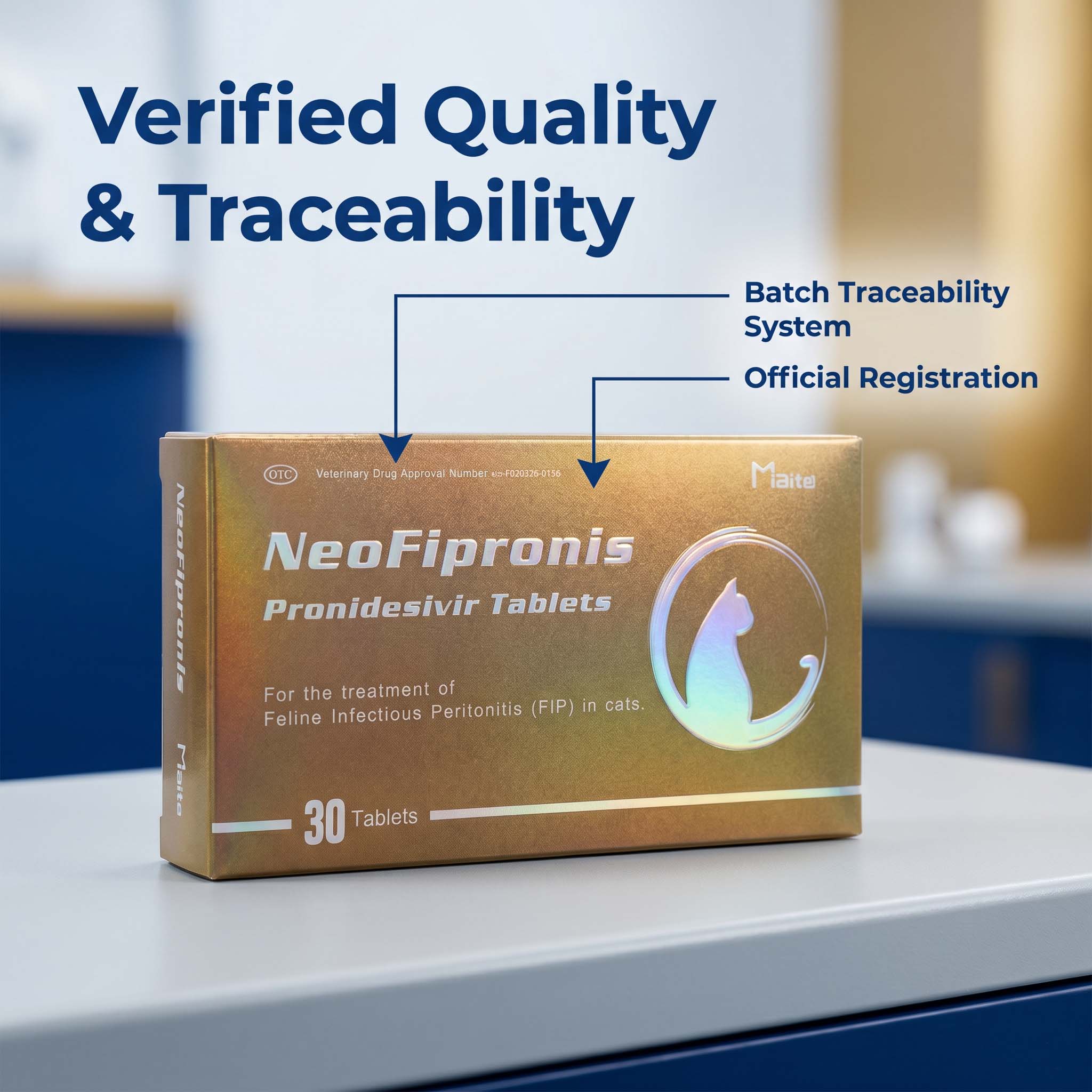
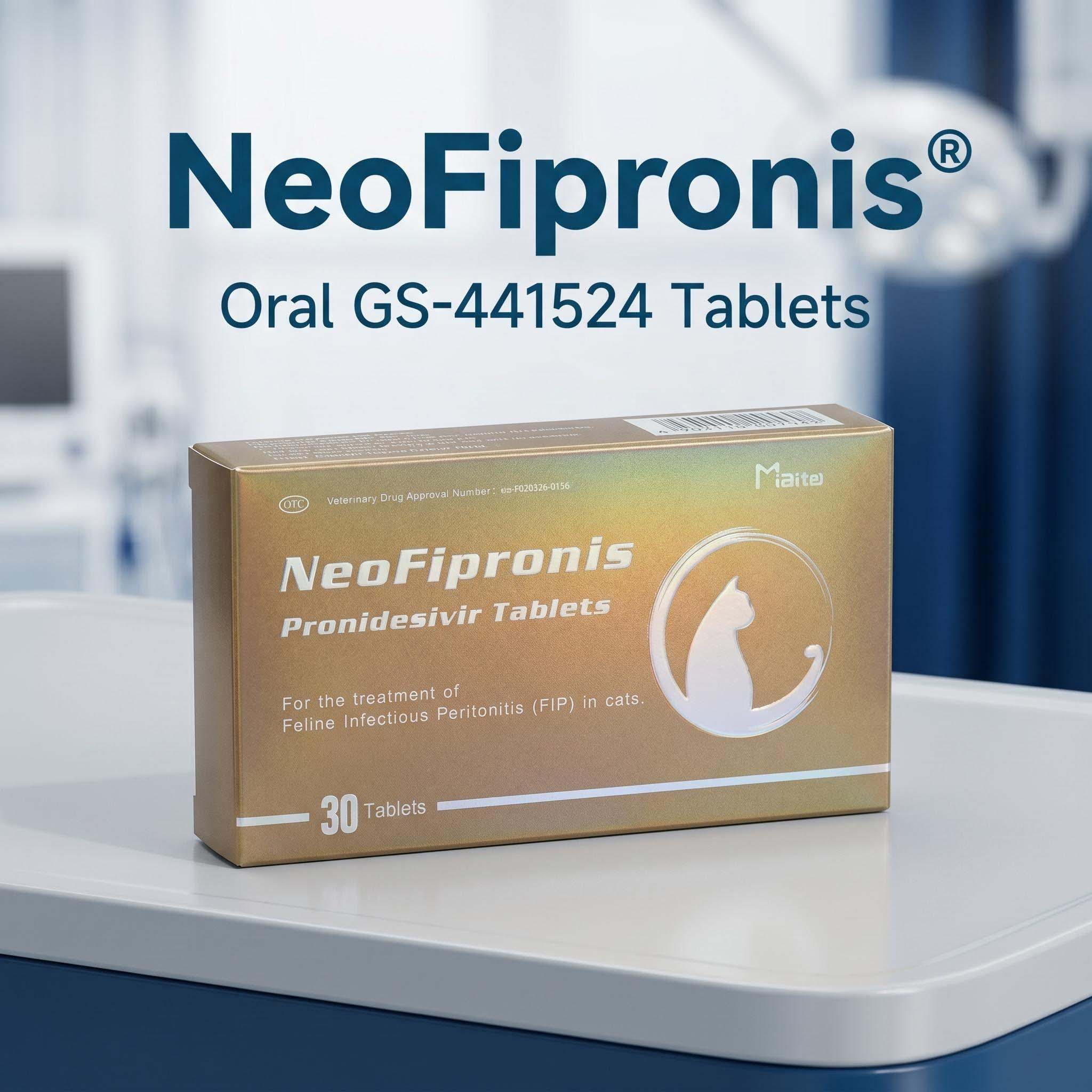
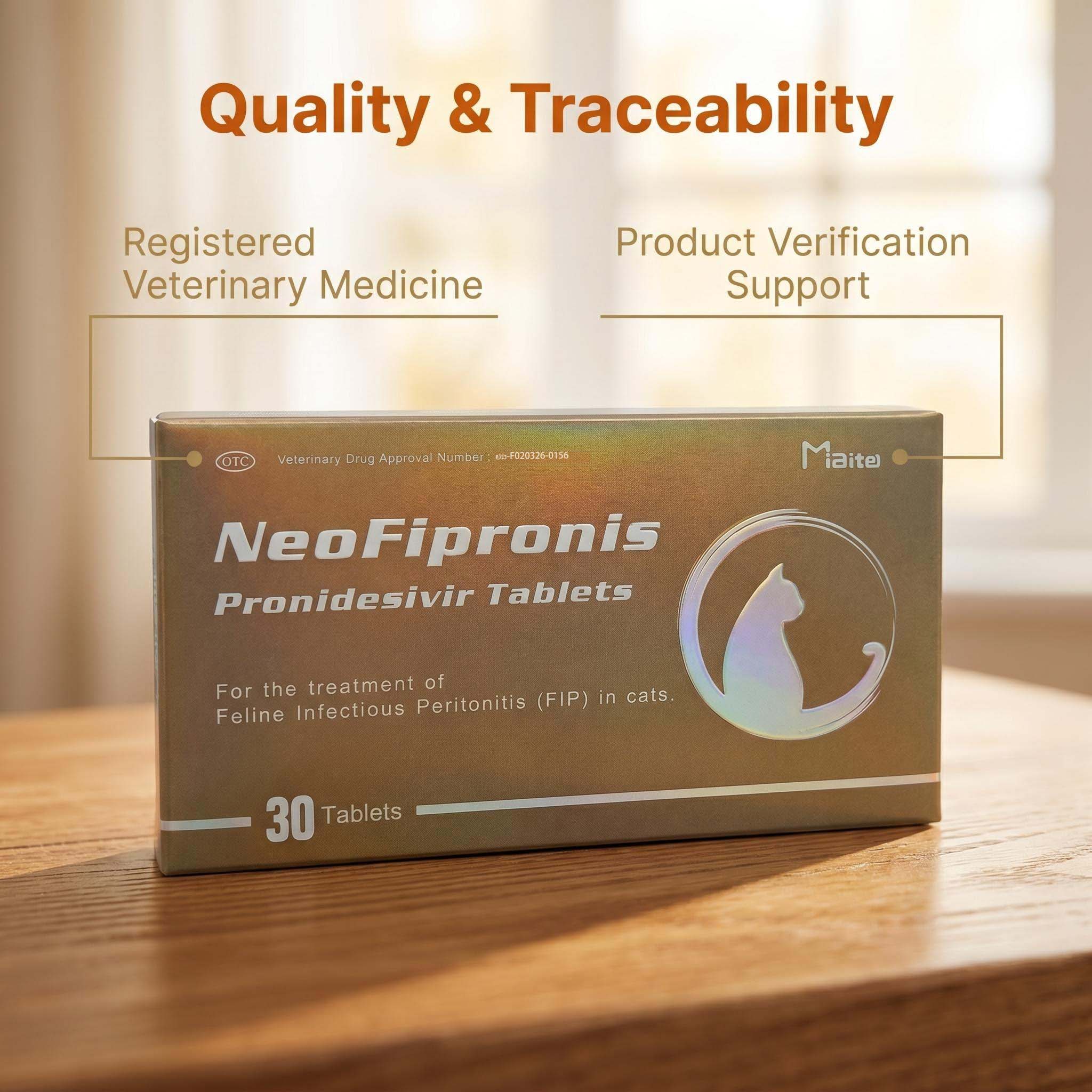
Traditional diagnosis of FIP was almost always considered fatal, with no effective therapy available. Recently, antiviral drugs like GS-441524 have shown promising results, leading to increased survival rates. These antiviral agents target the virus directly, reducing viral replication and alleviating symptoms. Nonetheless, these treatments are not instant cures; they require a careful, often prolonged, course of medication.
The Importance of Completing the Treatment
Many veterinarians and research studies emphasize the importance of completing the full antiviral treatment course. Doing so ensures that the virus is eradicated thoroughly and reduces the risk of relapse. Incomplete treatment might leave residual virus in the cat’s body, which could resurface, leading to a recurrence of symptoms or even drug resistance. Just like other viral infections in humans and animals, full course adherence is critical to achieve a complete and lasting cure.
Risks of Stopping Treatment Early
Stopping antiviral therapy prematurely can have severe consequences. A partial treatment might suppress the symptoms temporarily but not eliminate the virus entirely. This can result in a false sense of recovery while the infection persists at a low level. Over time, this residual virus can damage tissues, weaken the immune system, and eventually cause a relapse of FIP. Moreover, incomplete treatment can contribute to the development of drug-resistant strains, making future therapy less effective.
Real-World Evidence
Veterinary practitioners report that cats who complete their entire antiviral regimen tend to have better outcomes. Many successful cases involve strict adherence to prescribed treatment durations, even when clinical signs improve before the course is finished. Conversely, some cases where owners discontinue treatment early have experienced relapse or incomplete recovery. Anecdotal and clinical evidence strongly suggest that finishing the full treatment course maximizes the chances of a full remission.
Challenges in Treatment Compliance
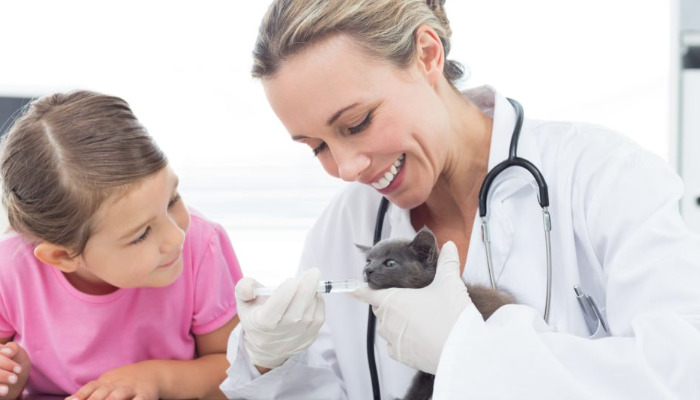
Complete treatment courses can often span several weeks, requiring diligent administration and frequent veterinary check-ups. Some cat owners find it difficult to maintain this commitment, especially if the cat's condition improves quickly, or if side effects occur. Veterinary guidance emphasizes the importance of maintaining treatment even in the absence of symptoms, to ensure complete viral clearance. Additionally, the high cost and potential stress associated with prolonged treatment can influence owner's decisions, but these challenges should be weighed against the risk of relapse.
Balancing Risks and Benefits
While some argue that extending treatment unnecessarily might increase side effects or cost, the consensus supports full adherence to the prescribed protocol. The goal is to ensure that the virus is fully eradicated, preventing recurrence and promoting long-term health. Veterinarians often tailor treatment plans based on individual cases, but the underlying principle remains the same: completing the course is generally in the feline's best interest.
Current Recommendations
Current guidelines recommend completing the full antiviral course prescribed by a veterinarian. Owners should closely follow dosing schedules and attend all follow-up appointments. If side effects or other concerns arise, they should communicate with their veterinarian rather than discontinuing medication abruptly. Proper owner education about the importance of completing treatment can significantly improve outcomes.
Future Perspectives
Research continues to refine FIP treatment protocols. As more data emerges, recommendations might evolve, but the fundamental principle of completing the full course is unlikely to change significantly. Ongoing studies aim to optimize dosing durations, reduce side effects, and improve accessibility, all while maintaining the importance of full treatment adherence.
Conclusion
Completing the full course of FIP treatment, particularly with antiviral medications like GS-441524, is crucial for ensuring the best possible recovery. Partial treatment increases the risk of relapse, drug resistance, and compromised health. Veterinary guidance and owner commitment play vital roles in achieving successful outcomes. Ultimately, full adherence to the prescribed treatment is the most responsible and effective approach for managing FIP.
References
1. Pedersen, N. C. (2014). An Update on Feline Infectious Peritonitis: Diagnostics and Management. Journal of Feline Medicine and Surgery, 16(4), 275–282.
2. Belák, S., et al. (2020). Advances in the Management of Feline Infectious Peritonitis. Veterinary Microbiology, 249, 108826.
3. Zellweger, R. M., et al. (2020). GS-441524 as an Effective Treatment for Feline Infectious Peritonitis. Veterinary Journal, 271, 105628.
4. Addie, D. D., et al. (2017). Feline Coronavirus: Pathogenesis, Diagnosis, and Management. Veterinary Medicine, 12(3), 231–245.
5. Hartmann, K. (2020). Update on Feline Infectious Peritonitis: Diagnostic and Management Aspects. Veterinary Clinics of North America: Small Animal Practice, 50(4), 699–711.