Can FIP Treatment and Observation Be Done At the Same Time
Feline Infectious Peritonitis (FIP) is a complex and often fatal disease that affects cats worldwide. Caused by a mutated form of the feline coronavirus (FCoV), FIP leads to severe inflammation in various organs, resulting in a range of symptoms. The disease presents primarily in two forms: effusive (wet) and non-effusive (dry), each with different clinical signs but similar underlying pathology. Historically, FIP has been considered almost always fatal, but recent advances have opened new possibilities for treatment, raising questions about the optimal management strategies, including whether treatment can be combined with observation.
Understanding FIP and Its Pathogenesis
FIP develops when a feline coronavirus mutates within a host cat. While most cats infected with FCoV remain asymptomatic or develop mild gastrointestinal signs, a small percentage undergo mutation, leading to FIP. The mutated virus incites an intense immune response, resulting in granulomatous inflammation, vasculitis, and effusion formation, especially in the abdominal or thoracic cavities. The immune response varies, influencing whether the disease manifests as the wet or dry form.
Traditional Diagnosis and Management
Diagnosing FIP remains challenging because clinical signs are non-specific and overlap with other diseases. Laboratory tests, such as elevated serum globulins, decreased A:G ratio, and characteristic effusions, aid in diagnosis but are not definitive. Historically, treatment options were limited to supportive care, palliative measures, and sometimes corticosteroids to dampen inflammation, but these do not address the underlying viral replication.
Emerging Treatments and Their Impact
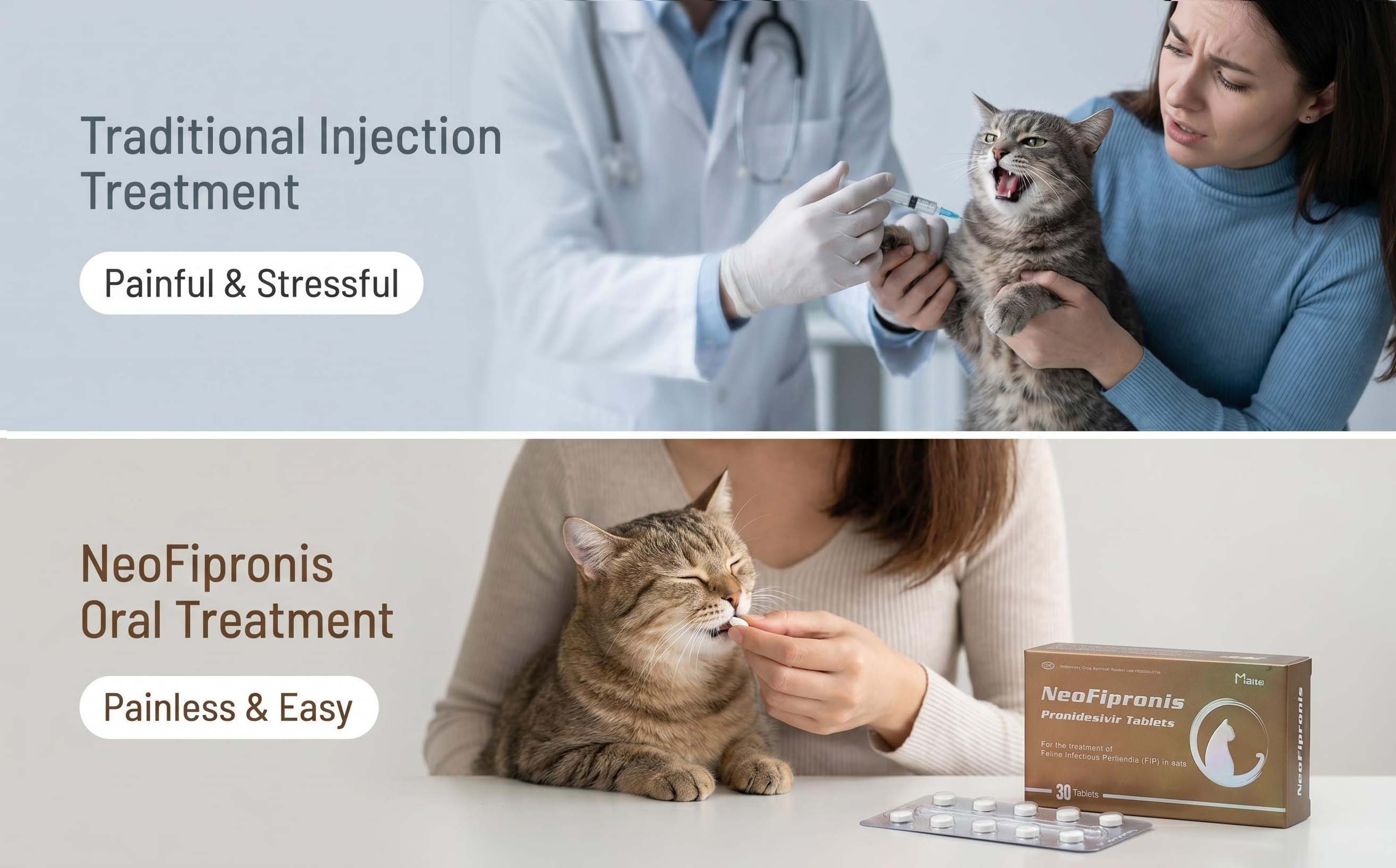
In recent years, antiviral drugs such as remdesivir and GS-441524 have demonstrated promise in reducing viral load and improving clinical outcomes. These medications can potentially change the prognosis of FIP from a near-certain death to a manageable illness in some cases. However, these treatments often require strict protocols and monitoring, and their availability can vary.
Can Treatment and Observation Be Combined?
Given the rapid progression of FIP and the severity of clinical signs, a combined approach involving treatment alongside observation has gained attention. This approach involves administering antiviral therapy while closely monitoring the cat’s health status, immune response, and any adverse reactions.
Rationale for Combining Treatment and Observation
The main advantage of combining these strategies lies in early intervention while still paying careful attention to the cat’s natural response. Observation allows veterinarians and owners to detect any signs of adverse effects, disease progression, or improvement. It also enables tailored adjustments to therapy, such as dosage modifications, discontinuation if necessary, or supportive care adjustments.
Practical Considerations
When implementing a combined approach, several factors must be considered for optimal outcomes:
Disease Stage: Early-stage FIP may benefit more from aggressive antiviral treatment combined with observation, enabling timely adjustments. Advanced stages might require more intensive supportive care.
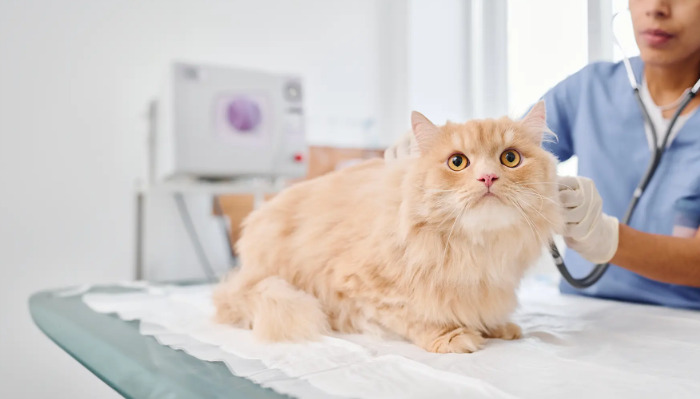
Monitoring: Regular veterinary check-ups, blood tests, imaging, and assessment of clinical signs are crucial. Observing changes in appetite, weight, activity level, or fluid accumulation helps guide ongoing management.
Owner Involvement: Owners need to be educated about signs of deterioration or improvement and the importance of consistent monitoring.
Treatment Duration: Prolonged antiviral courses may be required, with interim assessments to evaluate efficacy and side effects.
Adjunctive Support: Use of anti-inflammatory drugs, immune modulators, and supportive therapies like fluid therapy can complement antiviral treatment and observation.
Potential Challenges and Risks
Combining treatment with observation isn’t without risks. The primary concern is adverse drug reactions, which require prompt recognition. Additionally, without careful monitoring, signs of disease progression might be missed, leading to poor outcomes. Cost and availability of medications also pose practical barriers.
Ethical and Quality of Life Considerations
Deciding to pursue combined therapy and observation involves weighing potential benefits against risks and quality of life. While antiviral treatments can improve survival, side effects or treatment burden might impact the cat's well-being. Regular assessment of the cat’s comfort and response is essential in guiding ongoing care.
Current Research and Future Directions
Research continues to refine FIP treatment protocols, with some studies exploring immunomodulatory therapies, combination antivirals, and supportive care strategies. As understanding improves, more standardized guidelines for combining treatment and observation are likely to emerge.
Conclusion
The integration of antiviral treatment with ongoing observation represents a promising approach to managing FIP. While it is not universally applicable to all cases, especially those with advanced or multisystem disease, many cats may benefit from this combined strategy, improving survival rates and quality of life. Careful client communication, regular monitoring, and tailored treatment plans are essential in optimizing outcomes. Ongoing research promises further advances, potentially transforming FIP from a fatal disease into a more manageable condition.
References
1. Pedersen, N. C. (2016). An update on feline infectious peritonitis: Diagnostic findings and treatment. Journal of Feline Medicine and Surgery, 18(4), 209-219.
2. Addie, D. D., Belák, S., Boucraud, N., et al. (2020). Feline coronavirus infection. Veterinary Microbiology, 247, 108756.
3. Turquand, K., & Cote, E. (2022). The evolving landscape of FIP treatment: Antivirals and beyond. The Veterinary Journal, 282, 105948.
4. Hartmann, K., & Addie, D. (2019). Feline infectious peritonitis. Veterinary Clinics of North America: Small Animal Practice, 49(2), 245-260.
5. Pedersen, N. C., & Kim, R. (2021). Clinical aspects of feline infectious peritonitis. Veterinary Clinics of North America: Small Animal Practice, 51(3), 583-597.