Are Kittens More Susceptible to FIP
Feline Infectious Peritonitis (FIP) is a serious, often fatal disease that affects domestic cats worldwide. It is caused by a mutation of the feline coronavirus (FCoV), a virus commonly found in cat populations. While many cats can carry FCoV without showing symptoms, FIP develops under certain conditions, primarily due to the virus mutating and gaining the ability to infect macrophages and cause widespread inflammation. This article explores whether kittens are more susceptible to FIP, examining transmission, immune response, age-related vulnerability, and preventive considerations.
Understanding FIP and Its Pathogenesis
FIP is a complex disease with a multifactorial origin. The feline coronavirus typically causes mild or asymptomatic infections in cats, especially in crowded environments like shelters or multi-cat households. Most infected cats shed the virus intermittently in feces, and direct or indirect contact facilitates transmission. In some cases, the virus undergoes mutations within the host, leading to FIP development. The mutated virus gains the ability to infect macrophages, resulting in vasculitis, fluid accumulation in body cavities, and granulomatous lesions.
Age and Susceptibility to FIP
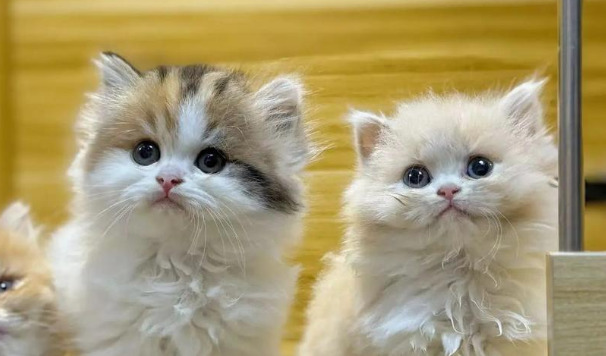
The question of age-related susceptibility is crucial. Studies indicate that young cats, particularly kittens under 1 year of age, are at higher risk for developing FIP. Several factors contribute to this increased vulnerability:
Immature Immune System: Kittens have developing immune systems that may not effectively contain or eliminate the virus. Their immune responses are still maturing, making them more prone to severe forms of infections, including FIP.
High Viral Load Exposure: Kittens are often introduced to environments where FCoV is prevalent, such as shelters or breeding catteries. The high-density environments increase exposure risk, and repeated infections can lead to mutations, escalating the chance of FIP.
Stress and Environmental Factors: Young cats are more susceptible to stressors such as changes in environment, social hierarchies, or illness. Stress can impair immune function, providing an opportunity for the virus to mutate and cause FIP.
Genetic Predisposition: Some studies suggest certain breeds or genetic lines may be more predisposed, and young age can amplify this risk. However, no specific breed has been conclusively identified as resistant or highly susceptible.
Pathophysiology in Kittens
In kittens, the immune response to FCoV and its mutated form plays a significant role. An inadequate cell-mediated immunity during early life may not contain the virus effectively, allowing it to mutate into FIP-causing strains. The mutation occurs within the host’s body, not transmitted directly from cat to cat, but high viral loads increase the odds of mutation events.
Moreover, kittens tend to shed higher amounts of FCoV, increasing environmental contamination. The prolonged exposure during early life stages correlates with higher incidences of FIP development.
Clinical Presentation and Diagnosis
Kittens with FIP often present with two forms: effusive (wet) and non-effusive (dry). The wet form is characterized by fluid accumulation in the abdomen or chest, presenting as distension and respiratory difficulty. The dry form involves granulomatous lesions in organs like the kidneys, liver, or eyes, leading to a range of systemic symptoms.
Diagnosing FIP in kittens can be challenging as many symptoms overlap with other feline diseases. Blood tests, analysis of effusion fluids, and advanced diagnostics like PCR or immunohistochemistry are employed. However, definitive diagnosis often requires post-mortem examination.
Prevention and Control Measures
Given the increased susceptibility of kittens, preventive strategies focus on reducing exposure to FCoV and strengthening immune defenses:
Hygiene and Sanitation: Regular cleaning of litter boxes and living spaces minimizes environmental viral load.
Limit Stress: Providing a stable, low-stress environment supports immune health.
Isolate Infected Cats: Separating known FCoV carriers prevents infection spread, especially crucial in breeding or shelter settings.
Breeding Practices: Selective breeding and maintaining genetic diversity can potentially reduce susceptibility over time.
Vaccination: Although available, the FIP vaccine's efficacy remains controversial and is not widely recommended. Its use should be discussed with a veterinarian.
Implications for Pet Owners and Veterinarians
Understanding that kittens are more vulnerable to FIP emphasizes the importance of early intervention and preventive measures. Regular veterinary checkups, proper hygiene, and minimizing stress can help reduce the risk. For breeders and shelter managers, recognizing high-risk environments allows for the implementation of stricter biosecurity protocols.
Research continues into vaccines and antiviral treatments, offering hope for better management in the future. In the meantime, awareness of age-related vulnerability aids in early detection, care planning, and reducing unnecessary suffering.
Conclusion
Kittens are indeed more susceptible to FIP compared to adult cats, primarily due to their immature immune systems, higher environmental exposure, and susceptibility to stress. While not all kittens exposed to FCoV develop FIP, their early life stage significantly increases the risk of progression to this fatal disease. Preventive efforts focusing on hygiene, stress reduction, and management of FCoV exposure are vital in protecting young cats from developing FIP.
References
1. Addie, D. D., & Jarrett, O. (2005). Feline coronavirus infections. Journal of Feline Medicine and Surgery, 7(4), 251-258.
2. Pedersen, N. C. (2009). An update on feline infectious peritonitis: diagnostics and therapeutics. Vet Immunol Immunopathol, 128(1-3), 66-74.
3. Hartmann, K. (2005). Feline infectious peritonitis. Veterinary Clinics of North America: Small Animal Practice, 35(1), 39-79.
4. Kipar, A., & Meli, M. L. (2014). Feline infectious peritonitis: still an enigma. Veterinary Pathology, 51(2), 505-526.
5. Adler, K. (2012). Feline infectious peritonitis. Proceedings of the North American Veterinary Conference.