What Should Every Cat Owner Know About FIP Prevention
Feline Infectious Peritonitis (FIP) is among the most challenging and feared diseases affecting domestic cats worldwide. Often emerging suddenly in previously healthy pets, FIP can devastate pet families emotionally and financially. Since FIP originated from a mutation of the ubiquitous feline coronavirus (FCoV), preventing the disease involves careful environmental management, understanding transmission factors, and proactive, evidence-based care strategies. This guide provides essential knowledge for U.S. cat owners, focusing on proven methods to minimize FIP risks and protect feline companions.
Understanding FIP and Its Causes
FIP develops when common feline coronavirus, usually harmless and limited to the intestines, mutates within a cat’s body. Most cats exposed to FCoV do not develop FIP, but the mutated strain can lead to a severe and often fatal systemic infection. Kittens and young cats are particularly vulnerable, as are animals living in shelters, catteries, or multi-cat households.
The two primary forms of FIP—effusive (wet) and non-effusive (dry)—have slightly different symptoms. Effusive FIP is associated with fluid accumulation in the abdomen or chest, while dry FIP affects organs such as the eyes, nervous system, or liver. Regardless of type, once clinical signs appear, FIP was traditionally considered almost always fatal, although recent advances in treatment have improved survival rates.
Modes of Transmission
FCoV spreads mainly through fecal-oral contact. Cats contract the virus by ingesting, licking, or otherwise coming into contact with contaminated surfaces, litter, or shared food and water bowls. High-density housing, stress, and poor sanitation dramatically increase transmission risk. Repeated exposure is common among cats living together, particularly in multi-cat homes, shelters, or catteries.
Direct transmission of FIP from cat to cat is rare, as FIP itself is not contagious—the underlying coronavirus is. FCoV shed in feces can remain infectious for days to weeks, emphasizing the importance of strict litter box cleanliness and regular disinfection. Certain genetic factors and immune system weaknesses also play a role in an individual cat’s likelihood of developing FIP after exposure.
Recognizing Signs and Symptoms
While FCoV infection usually has no symptoms, the mutated form causing FIP produces distinctive clinical signs. Effusive FIP may cause sudden belly swelling, respiratory distress from chest fluid, lethargy, fever unresponsive to antibiotics, and weight loss. Dry FIP may produce neurological symptoms like seizures, personality changes, eye inflammation, or jaundice.
Accurate early diagnosis remains a challenge because FIP symptoms overlap with many other diseases. Laboratory bloodwork showing high globulins, anemia, or low albumin:globulin ratios may suggest FIP, but definitive tests involve advanced diagnostics or tissue biopsies.
Environmental Management and Litter Box Hygiene
Maintaining a clean environment is the foundation of FIP prevention. Proper litter box care is imperative, especially in multi-cat homes. Experts recommend:
Scoop litter boxes daily and remove all solid waste promptly
Wash boxes thoroughly with soap and water once a week
Use unscented, clumping litter for easy waste identification
Provide one box per cat, plus one extra to minimize crowding
Locate boxes away from food and water bowls
Use gloves and wash hands after handling waste
Regular household cleaning should focus on floors, feeding stations, bedding, and play areas. Many viruses can persist on surfaces, so disinfect with pet-safe products. Lowering stress through environmental enrichment and providing hiding places also supports immune strength.
Managing Multi-Cat Households
Crowded living conditions increase the spread and persistence of FCoV, which in turn raises the chances for FIP. If you have multiple cats, the risk can be reduced by practicing sound hygiene and smart population management:
Limit group sizes where possible (ideally fewer than five cats per group)
Keep new cats in strict quarantine (at least two weeks) and test for FCoV shedding
Avoid frequent cat introductions, as stress can trigger viral shedding
Provide each cat with its own food, water, and resting area
Monitor all cats for changes in behavior or health and seek veterinary help early
Breeders and cattery managers should separate “clean” groups from FCoV-positive cats, especially when rearing kittens, as they are more susceptible to FIP. Regular consultation with veterinary specialists can help prevent outbreaks and guide biosecurity decisions.
The Role of Genetics
Recent research reveals that certain breeds—such as Bengals, British Shorthairs, and Maine Coons—may have a higher chance of developing FIP if exposed to FCoV. Genetic predisposition is believed to play a role in the immune system’s capacity to control the virus before it mutates.
When choosing a new kitten, ask breeders about the health history of both parents, and look for transparent records of FIP status in the breeding population. Responsible breeders will avoid breeding cats from lines with repeated FIP cases and will disclose their preventative strategies.
Vaccination: Hopes and Limitations
Currently, there is only one FIP vaccine (available only in some countries, not marketed in the U.S.), and its efficacy is controversial. The vaccine, introduced nasally, targets the unmutated coronavirus, aiming to stimulate local mucosal immunity. Most U.S. veterinary experts, including the American Association of Feline Practitioners, do not recommend FIP vaccination as a reliable prevention method.
Instead, focus on preventative hygiene and stress management within your household. Existing evidence does not support routine FIP vaccination for cats in U.S. homes, though research continues.
Minimizing Stress
Stress suppresses immune function and increases viral shedding. Keeping cats mentally and physically stimulated, with plenty of vertical spaces, toys, and gentle interactions, will help reduce stress. Consistent daily routines and gradual changes to the household also lower anxiety. If introducing new cats, do so slowly and always provide private space.
Nutrition and Immune Support
High-quality, balanced nutritional support is critical for all cats, particularly those in multi-cat homes where FCoV is present. Diets rich in proteins, essential fatty acids, and antioxidants support healthy immune function. Avoid over-supplementation and consult your veterinarian for specific dietary advice.
Regular physical exams and vaccinations (against other common feline diseases) contribute indirectly to immune system resilience. Discuss ongoing parasite prevention, as gastrointestinal infections can lower overall health.
Testing and Early Detection Strategies
Though not foolproof, regular viral shedding tests—using fecal PCR—help identify FCoV carriers, especially in high-risk environments like catteries. A positive test does not mean a cat will develop FIP, but it informs population management and cleaning protocols.
Veterinarians may also use antibody titers and other bloodwork to monitor cat health. Early veterinary intervention is crucial if any FIP-like symptoms are noticed. Prompt diagnosis can improve outcomes, since new treatments—including antiviral medications—have demonstrated some success when administered in early disease stages.
Advances in FIP Treatment and Future Prevention
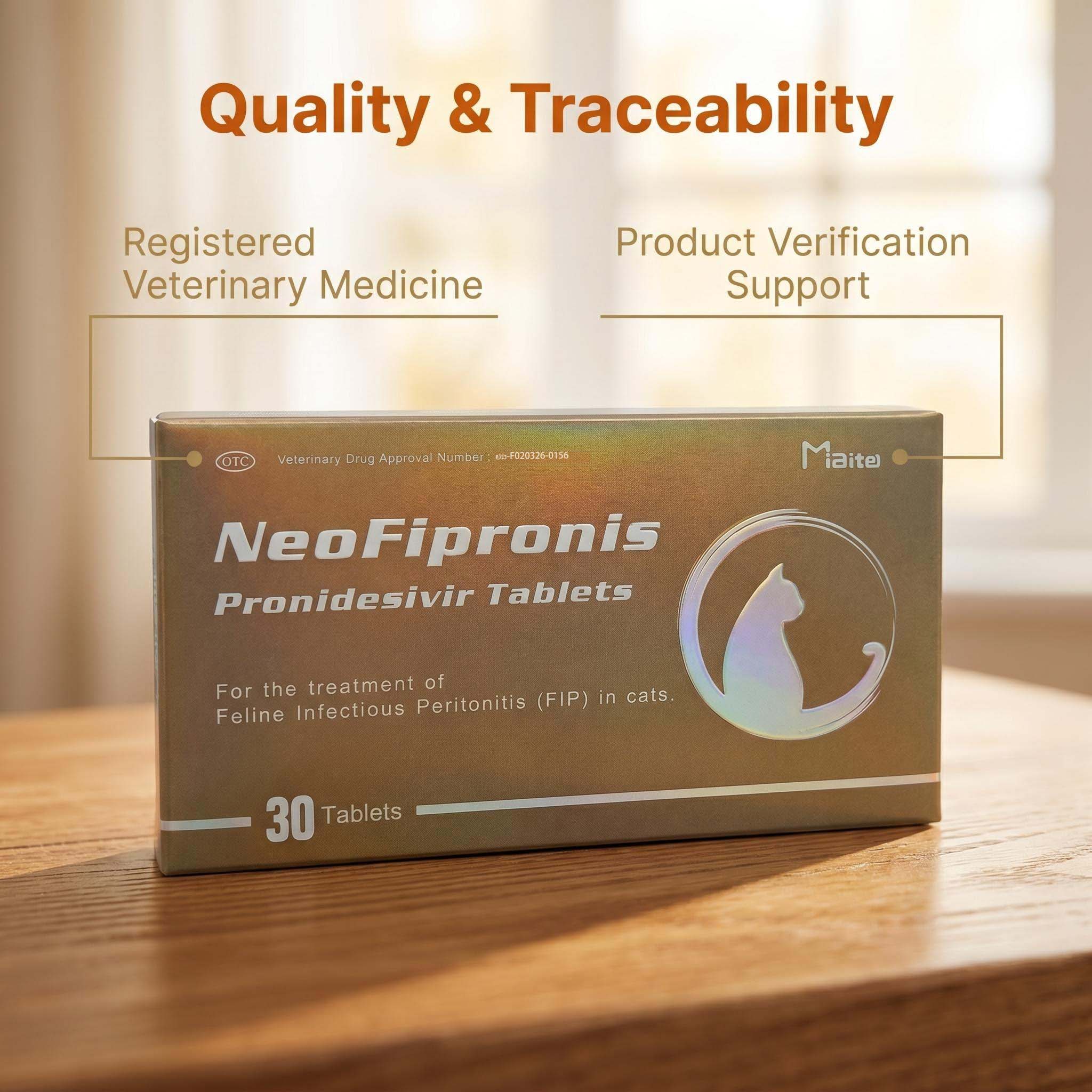
For decades, FIP was considered untreatable, with palliative care or euthanasia the only options. However, antiviral drugs such as GS-441524 (and its veterinary analogs) have shown dramatic results in controlled studies, helping some cats enter remission. Unfortunately, these drugs are not FDA-approved in the U.S. yet, and access may be limited.
Prevention remains the best option for most owners. However, increased awareness, ongoing research, and advancing therapies may one day make FIP less of a threat. Maintaining open communication with your veterinarian ensures you benefit from the latest treatment and prevention updates.
Safe Introduction of New Cats
Welcoming a new cat into your home is exciting—but it must be done mindfully. Proper quarantine is essential, especially if your household includes kittens or immune-compromised cats. Isolate newcomers for at least two weeks, monitoring for signs of illness and running recommended viral tests if possible.
During this time, disinfect all shared spaces, avoid direct contact between cats, and keep food, water, and bedding separate. Once cleared by your veterinarian, introduce cats gradually, using scent swapping and supervised meetings to minimize stress and viral transmission.
Community and Shelter Strategies
Organizations responsible for large-scale cat care must adhere to strict protocols to protect animals from FCoV and FIP. Key strategies include:
Reducing population density in shelters and foster homes
Providing daily cleaning of all communal areas and strict litter box protocols
Ensuring staff and volunteers wear gloves, change clothing, and use separate shoes between rooms
Immediately removing symptomatic cats for diagnostic separation
Educating adopters about FIP, its risks, and the importance of home hygiene
Continued collaboration between veterinarians, shelters, and rescue groups is critical for successful FIP management and prevention.
Conclusion
Arming yourself with information—and practicing thorough hygiene, stress reduction, and informed population management—offers the best defense against FIP. While the disease remains a challenge, proactive strategies and modern veterinary insights empower cat owners to minimize risk and keep feline companions safe. Monitor your pets closely, maintain a clean environment, and seek medical guidance whenever you suspect disease—your vigilance is a cat’s greatest protection.
References
1. Pedersen, N. C. (2019). Feline infectious peritonitis. Veterinary Immunology and Immunopathology, 206, 47-52.
2. Kipar, A., & Meli, M. L. (2014). Feline infectious peritonitis: Still an enigma? Veterinary Pathology, 51(2), 505-526.
3. Addie, D. D., et al. (2022). Feline infectious peritonitis (FIP) and coronavirus (FCoV): Guidelines for prevention, diagnosis and control. Journal of Feline Medicine and Surgery, 24(7), 627-646.
4. American Association of Feline Practitioners (AAFP). (2021). Feline Infectious Peritonitis (FIP) Guidelines.
5. Hartmann, K. (2005). Feline infectious peritonitis. Veterinary Clinics of North America: Small Animal Practice, 35(1), 39-79.
6. Felten, S., & Hartmann, K. (2019). Diagnosis of feline infectious peritonitis: A review of the current literature. Viruses, 11(11), 1068.
7. Takano, T., et al. (2023). Latest advances in feline infectious peritonitis treatment and prevention. Viruses, 15(6), 1230.
8. U.S. Centers for Disease Control and Prevention. (2023). Healthy Pets, Healthy People: Cats.
9. Benson, K., & Kaneene, J. B. (2020). Feline coronavirus and FIP in shelters: Epidemiology and management. Veterinary Journal, 261, 105513.
10. Miller, J. C., & Scott, F. W. (2022). The FIP vaccine: Fact and fiction. Feline Medicine and Surgery, 17(3), 145-152.