How to Monitor Your Cat’s Progress During FIP Treatment
Feline Infectious Peritonitis (FIP) is a devastating disease that affects cats worldwide, often leading to fatal outcomes if not treated promptly. In recent years, advancements in antiviral therapies have raised hopes for those caring for cats diagnosed with FIP. Monitoring your cat’s progress during treatment is crucial to ensure positive outcomes and address complications early. This guide will explore the key strategies, clinical signs, diagnostic assessments, and common challenges faced when tracking your cat’s journey through FIP treatment.
Understanding FIP and Its Forms
FIP is a complex disease caused by a mutated feline coronavirus (FCoV), leading to either ‘wet’ (effusive) or ‘dry’ (non-effusive) forms. Effusive FIP is characterized by fluid accumulation in body cavities, while non-effusive FIP presents with organ inflammation, neurological symptoms, or ocular changes. Recognizing which form your cat has helps tailor monitoring strategies, as clinical signs and laboratory findings can vary considerably.
Creating a Monitoring Plan
A detailed monitoring plan provides structure to your cat’s treatment and recovery. Before initiating antiviral or supportive therapy, baseline measurements should be established, including clinical presentation, complete blood count, serum biochemistry, and imaging surveys. Discuss with your veterinarian how often these assessments will be repeated and set realistic expectations for improvement or relapses.
Key Symptoms and Clinical Signs
Tracking physical symptoms is often the most immediate way owners notice improvement or setbacks:
Appetite: Most cats with FIP experience anorexia. Gradual return of appetite is a positive sign.
Weight: Frequent weighing, ideally daily or at least weekly, can indicate recovery or ongoing issues. A digital scale is most accurate.
Energy Level: Monitor whether your cat resumes normal activities—play, grooming, and social interaction.
Fever: Persistent fever, unresponsive to antibiotics, is classic in FIP. Record temperature daily if feasible. Normal feline temperature ranges from 100–102.5°F.
Quality of Fur: Dry, unkempt, or thinning fur often signals systemic illness. Watch for improvements in coat texture as treatment progresses.
Owners should maintain a journal, noting any changes, improvements, or new symptoms, such as icterus (yellowing), abdominal distension, or breathing difficulties.
Laboratory Testing
Beyond physical symptoms, objective laboratory tests are essential in evaluating treatment efficacy:
Complete Blood Count (CBC): Anemia and lymphopenia are common findings in FIP; normalization may suggest successful intervention.
Serum Biochemistry: Monitor changes in globulin, albumin, and total protein levels. A decreased globulin and increased albumin/globulin ratio often indicate a favorable response.
Acute Phase Proteins: Alpha-1 acid glycoprotein rises with inflammation and FIP activity. Reduction signals improvement.
Liver/Kidney Function: Track enzymes (ALT, AST) and renal parameters since drugs and the disease can affect these organs.
These tests are usually repeated every 2–4 weeks, guided by the clinical scenario and veterinary advice.
Imaging Techniques
Imaging studies provide a noninvasive way to visualize internal improvements:
Ultrasound: Monitors effusion (fluid buildup) in the abdomen or chest. Reduction or resolution of fluid is a positive sign.
Radiography: Useful for evaluating the chest if respiratory distress or pleural effusion is suspected.
Ocular Examination: For cats with eye involvement, specialist assessment via slit-lamp examination tracks inflammation or response to therapy.
Diagnostics should be interpreted alongside clinical signs, as changes may lag behind laboratory improvements.
Antiviral Drug Monitoring
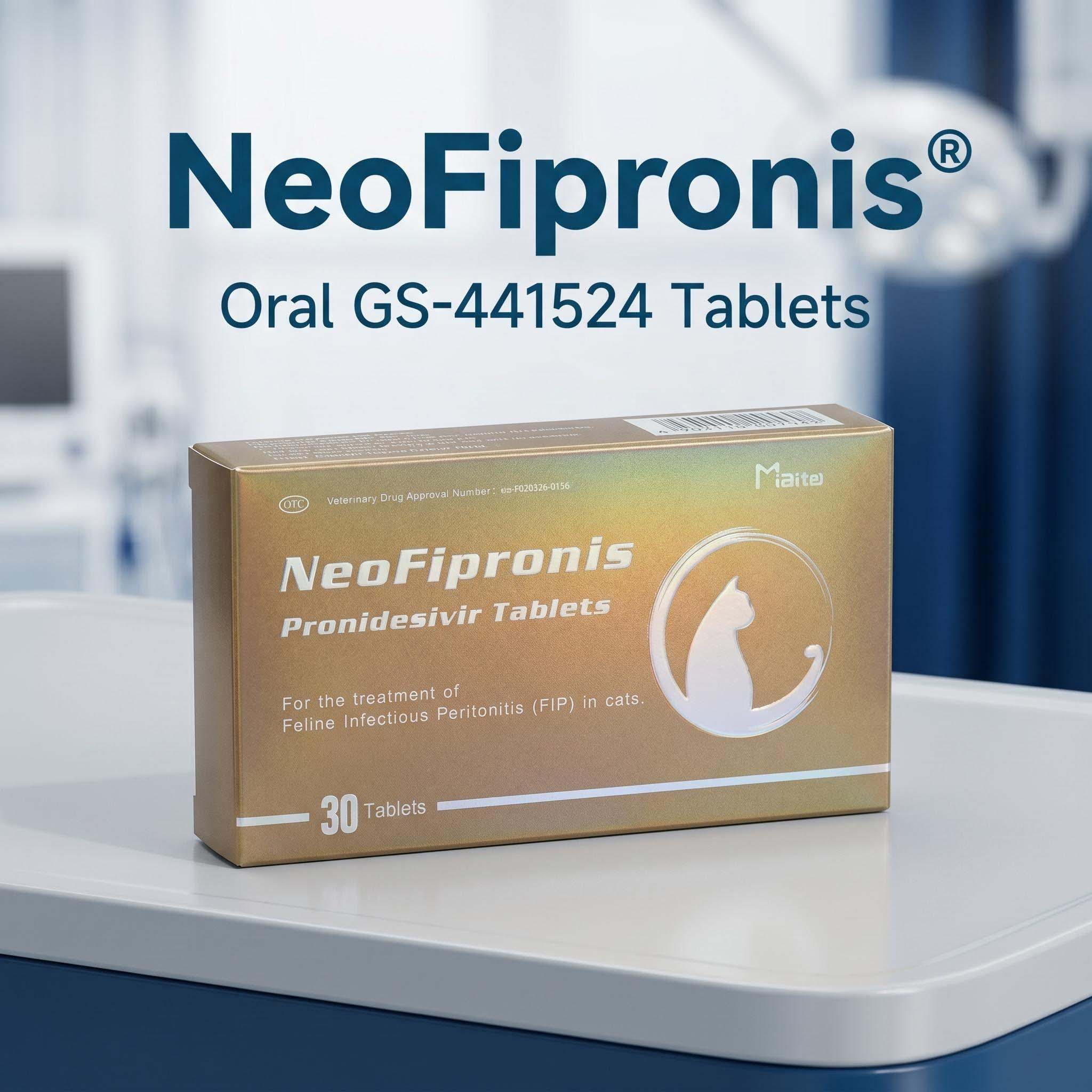
The use of antiviral drugs, such as GS-441524 or its derivatives, has revolutionized FIP treatment. Monitoring response involves:
Observing resolution of symptoms typically within 1–2 weeks of onset.
Tracking laboratory normalization.
Watching for adverse drug reactions, such as injection site pain, lethargy, and rare hepatic or renal dysfunction.
Drug doses may be adjusted according to the cat’s response and side effects. It is vital to coordinate closely with your treating veterinarian or FIP-specialist consultant.
Supportive Care Assessment
Cats with FIP often need additional supportive care. Evaluate:
Fluid therapy: Ensure hydration and monitor for signs of fluid overload or underhydration.
Nutritional support: High-quality, easily digestible diets help maintain weight and strength.
Antibiotics: Used only for secondary infections. Monitor for signs of improvement or drug reactions.
Track all interventions and their outcomes in your monitoring record.
Behavioral and Quality of Life Evaluation
Physical recovery is intertwined with emotional wellbeing. Owners should:
Observe playfulness and interest in surroundings.
Track social interactions with humans and other pets.
Monitor vocalizations, hiding, aggression, or fear.
Gauge pain levels via changes in posture, movement, or withdrawal.
Any improvement in these areas signals a positive path through therapy, while regression warrants veterinary assessment.
Frequency and Scheduling of Assessments
Regularity in monitoring depends on disease severity and treatment phase:
Daily: Appetite, temperature, behavior, weight.
Weekly: Physical exam, quality of coat, fluid volume in cavities (if measurable).
Biweekly to monthly: Laboratory tests, imaging studies, specialized exams.
Consistency ensures subtle changes aren’t missed and helps identify complications early.
Recognizing Complications and Relapses
FIP treatment is not always linear. Owners should watch for complications, including:
Recurrence of fever or effusion.
Neurological signs: Seizures, tremors, ataxia, or behavioral changes.
Ocular changes: Sudden blindness, uveitis, or discharge.
Organ dysfunction: Jaundice or difficulty breathing.
Early detection of these signs allows for timely intervention, which may involve adjusting therapy or addressing new complications.
Veterinary Communication
Close contact with your veterinarian is fundamental. Never hesitate to seek advice if:
Your cat’s symptoms worsen suddenly.
You notice unusual reactions to medications.
There’s uncertainty about interpreting test results or making dietary changes.
Bring your monitoring records to every clinic appointment for comprehensive reviews.
Home Monitoring Tools and Technology
Multiple tools can ease tracking at home:
Digital thermometers and scales
Smartphone apps for health journaling
Video documentation for abnormal behavior or symptoms
Automated feeders or cameras to track eating and activity
These technologies can help communicate changes more effectively to your veterinary team.
Role of Owner Participation
Owner vigilance makes a significant difference. Set reminders for assessments, maintain organized records, and educate yourself about FIP. Connecting with online support networks or FIP advocacy groups can provide valuable insights and moral support.
Long-Term Outlook
Recovery times vary, and some cats may require prolonged therapy and monitoring beyond the acute phase. Full normalization of laboratory parameters and resolution of symptoms may take weeks or months. Ongoing observation for relapse is necessary, as secondary FIP events can occur weeks after perceived recovery.
Ethical Considerations and Compassion
Monitoring a cat with FIP is emotionally challenging. Balance optimism with realism, ensuring your cat’s comfort and dignity at all times. Pursue palliative measures if the disease becomes unresponsive, guided by veterinary advice on humane endpoints.
References
Pedersen, N. C. "Feline Infectious Peritonitis: An Overview." Journal of Feline Medicine and Surgery.
Gunn-Moore, D. A. "Feline Infectious Peritonitis: Diagnosis and Treatment." Veterinary Clinics of North America: Small Animal Practice.
Kipar, A., & Meli, M. L. "Feline Infectious Peritonitis: Pathogenesis and Immune Response." Veterinary Pathology.
Driskell, E. A., et al. "FIP Diagnostic Challenges." Veterinary Microbiology.
Izes, A. M., et al. "Antiviral Therapy for FIP: Current Approaches." Frontiers in Veterinary Science.
Tasker, S. "Feline Infectious Peritonitis: Update on Pathogenesis, Diagnosis, and Treatment." Veterinary Medicine Research and Reports.
Addie, D. D., et al. "Monitoring Progress in FIP Cases." Feline Health Center Bulletin.
Murray, J. K., & Gruffydd-Jones, T. "Supportive Management in FIP." Journal of Small Animal Practice.