Does FIP Cause Loss of Appetite in Cats
Feline Infectious Peritonitis (FIP) is a complex and often fatal disease that affects domestic and wild cats. Among the myriad symptoms associated with this illness, loss of appetite is a particularly concerning manifestation for pet owners and veterinarians alike. This article investigates the relationship between FIP and decreased appetite in cats, exploring underlying mechanisms, diagnostic considerations, associated symptoms, treatment options, and the emotional impact on caregivers.
Feline Infectious Peritonitis (FIP) is triggered by a mutation in certain strains of feline coronavirus. While many cats carry feline enteric coronavirus with no ill effects, FIP occurs when the virus mutates, leading to an aggressive, immune-mediated disease. The clinical presentations of FIP are varied and often non-specific in the early stages. Among the first signs reported by owners is a marked decrease in appetite, raising questions about the relationship between the disease and this symptom.
Pathophysiology of FIP and Appetite
FIP manifests primarily in two forms: effusive (wet) and non-effusive (dry). Both forms trigger an intense inflammatory response, with immune complexes damaging blood vessels and organs. As these processes unfold, the body's energy demands increase while the gut and other organs involved in digestion suffer from impaired function. The result is often decreased appetite, known as anorexia.
Pro-inflammatory cytokines such as IL-1, IL-6, and TNF-alpha rising in response to FIP contribute directly to suppression of appetite. These cytokines act on the hypothalamus, disrupting normal hunger signals and leading to anorexia. Additionally, fever—a hallmark symptom of FIP—can further diminish appetite due to systemic malaise.
Early Signs and Clinical Presentation
Loss of appetite is typically among the initial clinical signs noted by pet owners when FIP begins to affect their cats. Cats may show reduced interest in food, eat less than usual, or avoid eating altogether. In some cases, owners notice that their cats are only interested in certain foods, prefer softer or liquid diets, or only eat very small amounts throughout the day.
Other symptoms frequently accompanying anorexia in FIP include:
Lethargy and withdrawal from usual activities
Weight loss and emaciation
Fever that responds poorly to antibiotics
Jaundice (especially in cases involving liver involvement)
Abdominal distention due to fluid (in the wet form)
Labored breathing due to pleural effusion (wet form)
Eye and neurological abnormalities (dry form)
Mechanisms Driving Anorexia in FIP
Multiple physiological factors underpin the lack of appetite observed in FIP:
1. Cytokine Influence: Elevated inflammatory mediators suppress hunger center activity in the brain.
2. Organ Dysfunction: Involvement of liver, kidneys, or gastrointestinal tract disrupts digestion and absorption, causing nausea or pain.
3. Systemic Illness: Generalized malaise, fever, and discomfort reduce interest in eating.
4. Pain and Neurological Effects: In cases where FIP affects the central nervous system, altered mental status or pain may hinder normal feeding behavior.
Differential Diagnosis
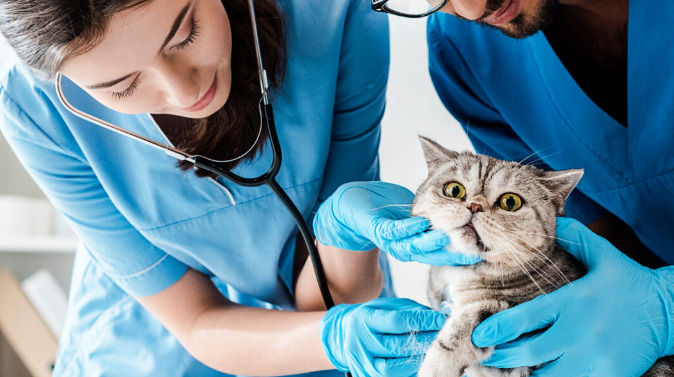
While loss of appetite is a hallmark of FIP, it is important to recognize that this symptom is not exclusive to FIP. Many other diseases—renal failure, pancreatitis, diabetes, neoplasia—can cause similar signs. Veterinarians rely on a combination of clinical observations, bloodwork (increased total protein, changes in albumin:globulin ratio), imaging, and, if possible, detection of FIP-specific viral RNA to differentiate FIP from other conditions.
A loss of appetite alone should not lead to a presumptive diagnosis of FIP. However, owners and veterinarians should be alert to other concurrent signs, especially chronic fever and abdominal changes, which increase suspicion.
Impact on Body Condition and Recovery
Prolonged anorexia due to FIP accelerates muscle wasting and body condition deterioration. Cats may rapidly lose weight, become less active, and develop secondary problems such as hepatic lipidosis (fatty liver disease) if anorexia persists. Because cats are metabolically sensitive and have little nutritional reserve, maintaining adequate food intake is crucial.
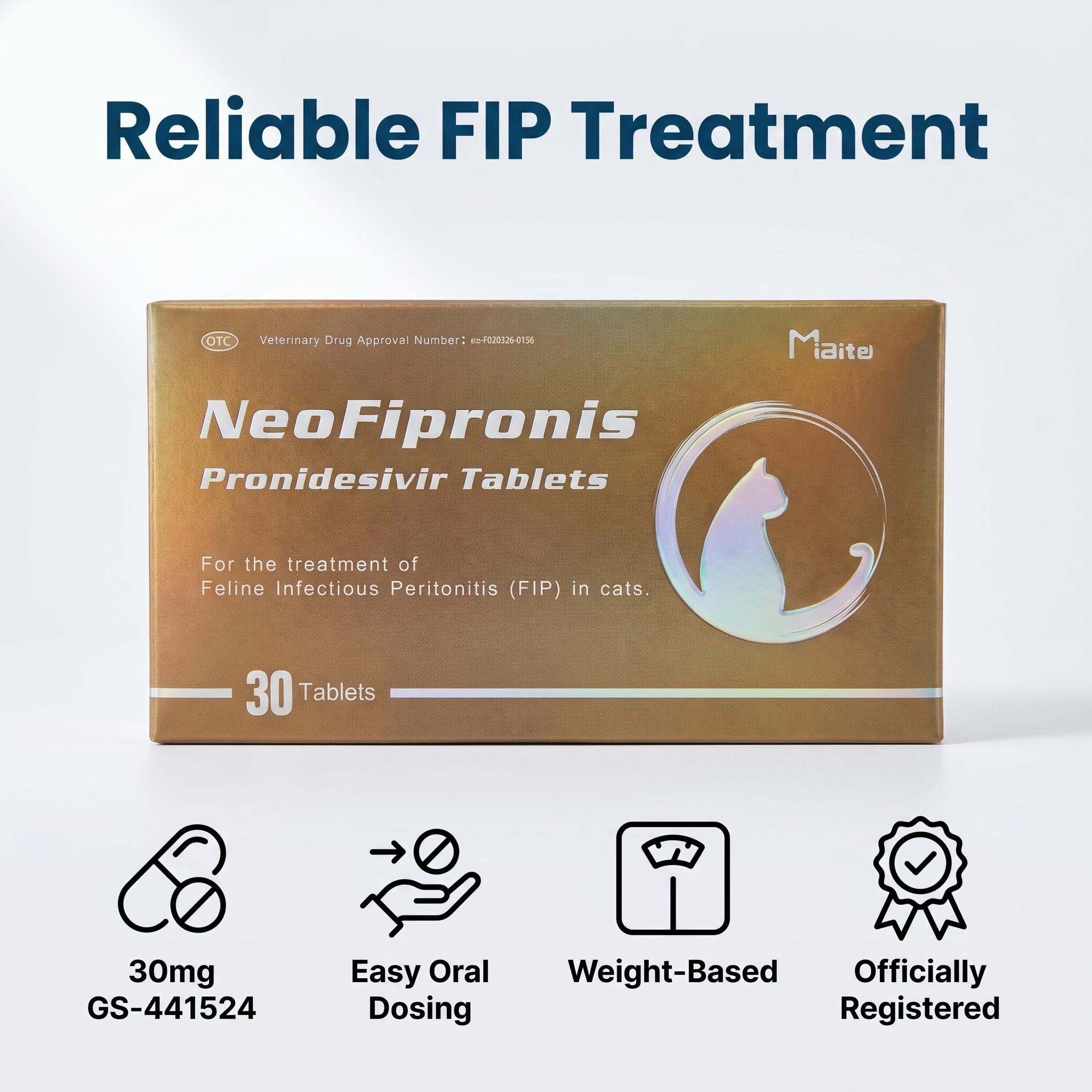
In recent years, treatments for FIP—once considered incurable—have emerged. Nucleoside analogs such as GS-441524 have shown promise for some cases, with recovery accompanied by gradual improvements in appetite. Supportive care (fluid therapy, appetite stimulants, anti-nausea medication) is essential throughout treatment to prevent complications and support general health.
Emotional and Practical Considerations for Caregivers
Loss of appetite in a beloved companion is distressing for owners. Feeding refusals often prompt urgent veterinary visits and may be the trigger that leads to a definitive diagnosis. Throughout illness and recovery, caregivers play an important role in monitoring appetite, adapting feeding strategies (offering varied foods, warming meals, consulting on appetite enhancers), and maintaining hydration. Understanding the link between FIP and anorexia helps owners make informed decisions and advocate for their pet’s well-being.
Nutrition Strategies in FIP Management
When facing loss of appetite in FIP, veterinarians often recommend:
Offering highly palatable, energy-dense foods (such as prescription recovery diets)
Frequent, small meals to improve intake
Use of appetite stimulants (mirtazapine, capromorelin)
Assisted feeding, if necessary (syringe or feeding tube)
Hydration support, as dehydration worsens anorexia
Monitoring weight and body condition closely
These strategies are designed to maintain caloric intake and prevent secondary complications, improving the cat’s chances for recovery and comfort during illness. In cases of severe anorexia, more intensive nutritional support may be required.
Recent Advances and Future Directions
The prognosis for FIP has transformed dramatically with the development of antiviral treatments. As therapy progresses, appetite often improves substantially—one of the first visible signs of clinical response. Research into combination therapies, immunomodulators, and supportive care approaches continues to evolve.
Veterinarians now emphasize early detection of FIP and aggressive supportive care, which can foster recovery even in previously untreatable cases. Appetite is monitored as a key marker for both illness severity and treatment success.
Conclusion
Loss of appetite is a significant clinical feature of FIP in cats, driven by complex immunological and pathological mechanisms. Recognizing anorexia as a hallmark symptom, in combination with other findings, is essential for timely diagnosis and effective intervention. With advances in both antiviral therapy and nutritional strategies, more cats are surviving FIP than ever before—and regaining their appetite remains a hopeful sign along the journey to recovery.
References
Shelly, S. M., et al. "Feline Infectious Peritonitis: Pathogenesis and Diagnosis." Veterinary Clinics of North America: Small Animal Practice, 2000.
Pedersen, N. C., et al. "An Update on Feline Infectious Peritonitis: Diagnostics and Therapeutics." Journal of Feline Medicine and Surgery, 2022.
Paltrinieri, S., Giordano, A., et al. "Feline Infectious Peritonitis: Immune response and immunopathogenesis." Veterinary Immunology and Immunopathology, 2017.
Felten, S., et al. "Feline infectious peritonitis – Presentation, diagnosis and treatment of clinical cases." Tierarztliche Praxis Ausgabe K: Kleintiere/Heimtiere, 2021.
Hartmann, K. "Feline Infectious Peritonitis as a Model of Coronavirus Pathogenesis." Veterinary Immunology and Immunopathology, 2005.
Addie, D. D., Jarrett, O. "Feline coronavirus infections: Survey of antibodies in cats in the United Kingdom." Veterinary Record, 1992.
Stoddard, R. A., et al. "Appetite stimulants in cats with chronic illness: A clinical review." Journal of Veterinary Internal Medicine, 2018.
Pedersen, N. C. "Treatment of feline infectious peritonitis with GS-441524." Veterinary Microbiology, 2019.