Can Cats Live Comfortably During FIP Treatment
Feline Infectious Peritonitis (FIP) has transformed from an almost universally fatal disease to one with treatment options that give hope to cat owners and veterinarians. Among the questions most frequently encountered is whether cats can live comfortably during FIP treatment. This article delves into the realities of FIP care, analyzing the effects of new therapies, strategies for improving comfort, and the overall quality of life for affected cats during their journey to recovery.
Understanding FIP: The Basics
FIP is caused by a mutated feline coronavirus. While most cats infected with the common feline enteric coronavirus (FECV) show mild symptoms or none at all, a rare mutation results in FIP, which is characterized by severe systemic inflammation. FIP presents in two main forms: the “wet” (effusive) and “dry” (non-effusive) types. Effusive FIP leads to fluid accumulation in the abdomen or chest, making breathing difficult, while the non-effusive form results in granuloma formation in various organs.
Evolution of FIP Treatment
Historically, FIP was considered untreatable, with supportive care only slightly extending life. The pivotal change arrived with antiviral drugs, particularly GS-441524 and GC-376. These molecules inhibit the replication of the FIP virus and, for the first time, offer genuine remission. However, FIP treatment is long and demanding, often lasting 12 weeks or more with daily medication.
Initial Stages of FIP Treatment: What to Expect
During the early phase of treatment, cats can exhibit a variety of symptoms such as fever, loss of appetite, lethargy, jaundice, abdominal distention, and sometimes neurological or ocular issues. The condition of the cat at diagnosis plays a critical role in determining comfort during treatment. Severely debilitated cats may require hospitalization for fluid therapy, nutritional support, and intensive medical management. Early intervention typically leads to better outcomes and more comfortable recovery.
Medication Tolerance and Side Effects
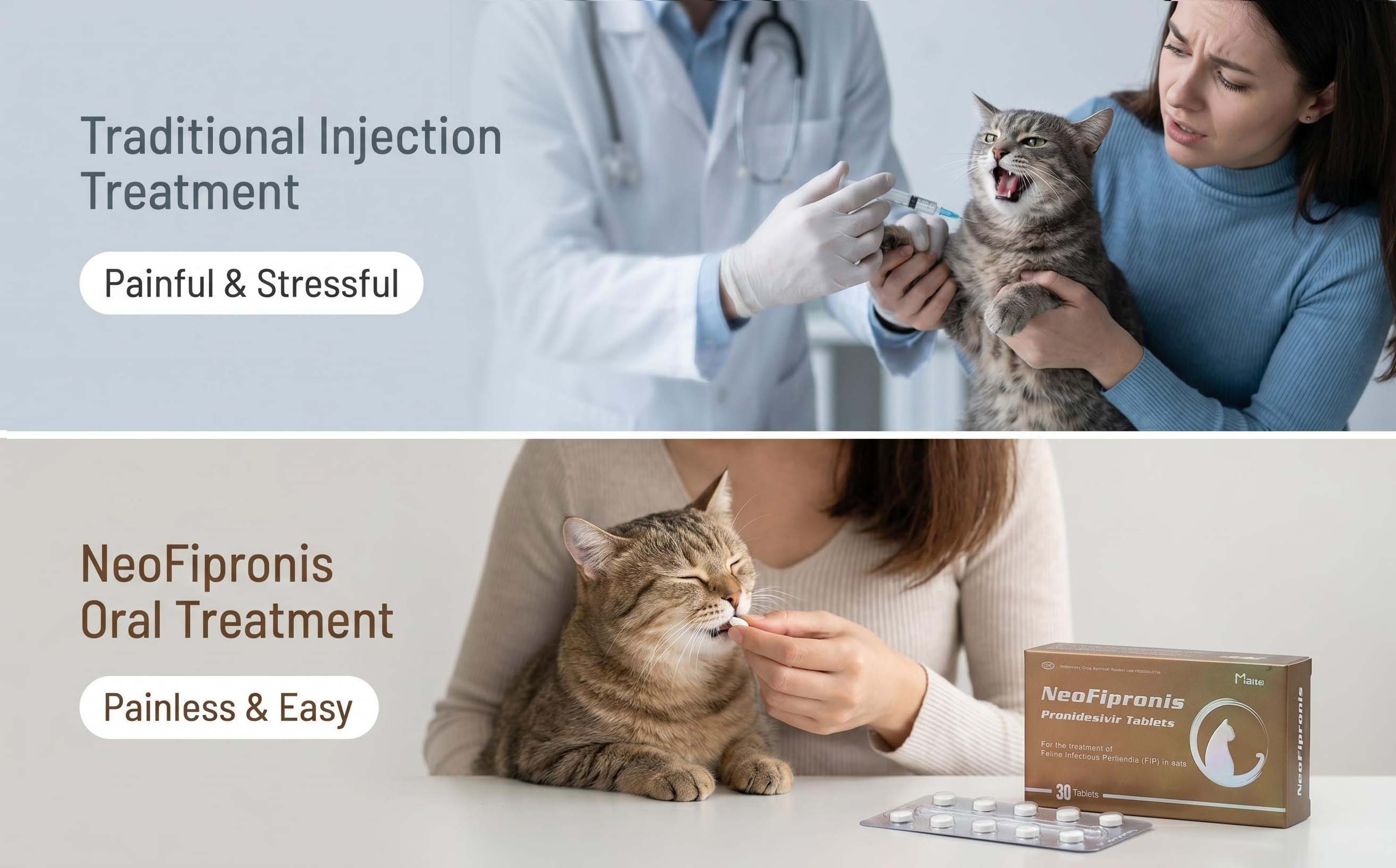
Antiviral therapies like GS-441524, currently considered the gold standard, are generally well tolerated. However, some cats may experience discomfort at injection sites, especially when the medication is administered subcutaneously. Injection-site reactions can range from mild swelling to significant pain, which may affect a cat’s overall comfort and willingness to eat or move. Oral therapies, when available, tend to be better tolerated. Adjunctive medications may help manage pain and inflammation.
Supportive Care: Enhancing Comfort
Supportive care is essential to maintaining comfort during FIP treatment. This includes:
Fluid Therapy: Corrects dehydration and supports organ function.
Nutritional Support: Ensures adequate calorie and protein intake, which is vital for recovery. Appetite stimulants may be prescribed if the cat is not eating.
Pain Management: Analgesics may be administered to reduce discomfort related to inflammation or treatment procedures.
Management of Specific Symptoms: Cats with effusions may benefit from thoracocentesis or abdominocentesis to relieve respiratory difficulty or abdominal distention.
Environmental Modifications: A calm, quiet environment with easy access to food, water, and litter box supports stress reduction.
Quality of Life During FIP Therapy
Many cats, once stabilized, experience rapid improvements in energy level, appetite, and mobility within the first week or two of antiviral therapy. Some resume normal activities such as grooming, playing, and seeking affection, which are key indicators of comfort and well-being. It is crucial for caregivers to monitor these signs and adjust the care plan in collaboration with a veterinarian.
The trajectory of recovery can include ups and downs. Setbacks may occur if the virus is not fully suppressed, or if infections or other complications arise. Ongoing veterinary monitoring, including bloodwork, is necessary to assess progress and detect relapses early.
Psychosocial Comfort for Cat and Owner
Cats are sensitive to their environment and the emotions of their caregivers. Creating a routine, offering gentle handling, and minimizing stressful interventions contribute greatly to a cat’s comfort. Owners can struggle with the demands and cost of intensive at-home treatment, but support from online FIP communities and veterinary guidance can ease the path.
Long-Term Outlook and End of Treatment
Upon successful completion of therapy, many cats return to a normal or near-normal quality of life. Residual effects, such as organ damage or neurological deficits, are possible in severe cases, but most cats enjoying remission live comfortably. Relapse is possible but less likely with complete and timely treatment.
Challenges in Achieving Consistent Comfort
Barriers to comfort during FIP treatment include limited access to antiviral medications in some regions, high cost, and the emotional burden on caregivers. For severely affected cats, especially those with untreatable complications or advanced disease, humane euthanasia can be a consideration to prevent suffering.
Recognizing the Cat’s Perspective
Cats are masters in hiding pain and discomfort. It’s vital for owners to recognize subtle behavioral cues such as reduced grooming, hiding, altered interactions, and changes in elimination habits. Working closely with veterinarians ensures that any indication of discomfort is addressed promptly.
Monitoring comfort also involves assessing the success of symptom management and the cat’s engagement with its environment. Frequent re-evaluation of the care plan enables adjustments for optimal well-being.
Veterinary Involvement: The Cornerstone of Comfort Care
FIP is a complex illness. Close partnership between owner and veterinary team ensures that all aspects of comfort—physical, nutritional, environmental, and emotional—are addressed. Regular check-ups, open communication, and responsive changes to the care plan define good supportive medicine.
Alternative Therapies and Holistic Approaches
Some cat owners seek to integrate holistic therapies during FIP treatment. Techniques such as acupuncture, massage, and nutraceutical support may provide adjunctive relief, although scientific evidence is limited. Any alternative therapy should be discussed with a veterinarian to avoid interference with antiviral medications.
The Role of Owner Education and Support
Understanding the phases of FIP, what to expect during recovery, and the rationale for each component of therapy empowers owners to make informed decisions and reduces anxiety. Education ensures better adherence to the treatment protocol, directly impacting the cat’s comfort level and outcome.
Future Directions in FIP Management
Research is ongoing to develop even more effective and accessible therapies with fewer side effects. Advances in early diagnosis, supportive care, and better-tolerated drug formulations promise a future where FIP need not be a catastrophic diagnosis nor an uncomfortable road to recovery.
Indicators of Comfort: What to Watch For
Every cat’s journey through FIP treatment is unique, but critical indicators of comfort include:
Stable or rising appetite
Maintained or restored mobility
Normal social interactions
Willingness to groom
Absence of persistent pain or distress
Owners and veterinarians working in tandem to monitor these signs can optimize the cat’s comfort throughout the treatment.
Clinical Perspectives: Case Studies of Comfort in FIP Therapy
Peer-reviewed case studies document many cats regaining a playful, affectionate disposition within days to weeks of starting antiviral treatment. Cats with predominantly neurological or ocular FIP may recover more slowly, but comfort levels often improve significantly with symptom management and supportive interventions.
Complications and Their Management
Occasional complications such as liver dysfunction, anemia, and secondary infections may impair comfort. Prompt recognition and treatment, often including hospital-based care, are central to regaining comfort and ensuring continued progress.
The management plan adapts as the cat’s condition evolves. For example, adjusting medication formulations can address issues with pill aversion or ongoing injection pain.
FIP Treatment at Home: Strategies for Supporting Comfort
Administering daily injections or oral medications can be challenging. Owners can develop routines that minimize stress, such as quiet time before dosing, use of treats, and gentle restraint methods. Consulting with a veterinary nurse can yield practical tips to reduce the distress both for the cat and the person administering medications.
The Emotional Journey
While this journey can be exhausting for owners, seeing a beloved cat regain comfort, appetite, and happiness offers profound reward. Caring for a cat with FIP becomes more manageable and meaningful with informed guidance, community support, and the relief that antiviral therapies can now provide.
Collaborative Care and Communication
Synchronizing efforts among family members, caretakers, and veterinary professionals enhances consistency in care. Sharing observations, recording changes, and clarifying doubts ensure the best possible environment for comfort and healing.
Access to Medication and Advocacy
The availability of antiviral drugs remains variable. Owners may need to advocate for their cats and navigate regulatory hurdles to obtain effective medications. Persistent advocacy helps both individual animals and contributes to broader recognition of FIP as a treatable disease in the veterinary world.
Exploring Long-Term Recovery and Quality of Life
After the completion of FIP treatment, most cats can enjoy many years of comfortable, healthy life. Lifelong monitoring for subtle relapses or complications may be recommended, including routine veterinary visits and periodic blood tests.
Research and Future Hope
With ongoing research, new drugs, and improved supportive care, the trajectory of cats diagnosed with FIP continues to improve both in terms of survival and comfort during treatment. Owners can find hope that, more than ever before, a diagnosis of FIP does not condemn a cat to a brief or uncomfortable existence.
Key Takeaways for Cat Owners
For most cats, comfort during FIP treatment can be achieved with prompt antiviral therapy, comprehensive supportive care, attention to pain control, and consistent monitoring. Interventions at each stage of the disease must be tailored to the cat’s specific symptoms and behavioral cues. Owner education and emotional support are pivotal elements, creating a solid foundation for comfortable recovery and long-term remission.
References
Pedersen NC. An update on feline infectious peritonitis: diagnostics and therapeutics. Vet J. 2014.
Murphy BG, Perron M, Bolt G, et al. The antiviral drug GS-441524 is efficacious against feline infectious peritonitis virus infection in cats. J Feline Med Surg. 2019.
Addie DD, Jarrett O. Feline coronavirus infections. Adv Vet Infect Dis. 2001.
Hartmann K. Feline infectious peritonitis. Vet Clin North Am Small Anim Pract. 2005.
Krentz D, Zwicklbauer K, Hartmann K. Feline infectious peritonitis: developments in epidemiology, pathogenesis, diagnosis, and therapy. Vet J. 2023.
Healey G, Mitchell S. GS-441524 treatment outcomes for cats with presumed feline infectious peritonitis. Vet Rec. 2022.
Giori L, Giordani L, Giudice C. Feline infectious peritonitis: is diagnosis still a challenge? Vet Med Int. 2011.
Izes AM, Hazelton BJ, et al. Review of feline infectious peritonitis and antiviral treatment options. Pathogens. 2020.
Rissi DR. A review of feline infectious peritonitis pathology and pathogenesis. JFMS Open Rep. 2018.