Can Loss of Appetite Be an Early Symptom of FIP

Feline Infectious Peritonitis (FIP) is a devastating viral disease in cats, caused by certain strains of feline coronavirus (FCoV). While feline coronavirus is widespread and often harmless, a small percentage of infected cats develop a mutated form, leading to FIP, which is almost always fatal without treatment. Recognizing early symptoms is crucial, as recent advances in antiviral therapy now offer hope for affected cats. Among symptoms, loss of appetite (anorexia) is frequently noted, raising the question: can loss of appetite be an early warning sign of FIP?
Understanding FIP: Cause and Transmission
FIP stems from feline coronavirus mutations within an individual cat. The virus is shed in feces, and transmission most frequently occurs in multi-cat environments, shelters, or catteries via the shared litter box. Most cats exposed to feline coronavirus never develop FIP. About 5–10% of infected cats, often young or immunocompromised, can develop the fatal form after weeks or months.
There are two clinical forms of FIP: the "wet" (effusive) form, characterized by the accumulation of fluid in the abdomen, chest, or both, and the "dry" (non-effusive) form, marked by granulomatous lesions in organs such as the kidneys, liver, eyes, or brain. Both forms are progressive and share many symptoms.
Recognized Early Symptoms of FIP
Early FIP manifestations are subtle and non-specific. Common initial signs include:
Lethargy
Fever that does not respond to antibiotics
Weight loss
Loss of appetite (anorexia)
Unkempt coat
Decreased interaction or hiding
These signs may develop over days or weeks and are easily mistaken for other feline illnesses, which complicates early diagnosis.
Loss of Appetite as an Early Symptom
Loss of appetite is a vague but frequently observed early symptom of FIP. In several clinical case reports and surveys of veterinarians, anorexia was present in nearly all cats eventually diagnosed with FIP, often preceding more dramatic signs like fluid accumulation or neurological symptoms.
Why Does FIP Cause Loss of Appetite?
FIP's impact on appetite results from several mechanisms:
Systemic Inflammation: The mutated coronavirus triggers a powerful inflammatory response throughout the cat’s body, affecting organ systems and suppressing hunger.
Fever: Persistent, unresponsive fever (often above 103°F/39.4°C) affects the hypothalamic regions controlling hunger drive.
Organ Dysfunction: Impaired organ function—especially in the liver, kidneys, or gastrointestinal tract—leads to nausea, abdominal discomfort, and less interest in food.
Pain or Malaise: FIP’s hallmark vasculitis can cause discomfort, further deterring a cat from eating.
Loss of Appetite Compared to Other Diseases
Loss of appetite is one of the most common symptoms in sick cats, regardless of disease type. Conditions such as pancreatitis, renal disease, dental pain, cancer, and upper respiratory infections routinely cause anorexia. However, in FIP, anorexia is often persistent and accompanied by subtle behavioral changes, fever not resolved by antibiotic treatment, and progressive weight loss, distinguishing it from transient illnesses.
Diagnostic Challenges
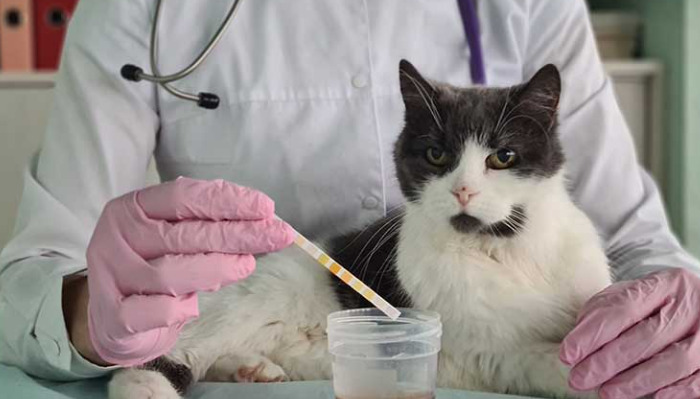
Identifying FIP in its early stages is challenging, particularly when loss of appetite is the dominant symptom. Most veterinarians rely on a combination of clinical presentation, laboratory testing, and imaging:
Complete Blood Count (CBC): May reveal anemia, lymphopenia, and neutrophilia.
Chemistry Profiles: Hyperglobulinemia, hypoalbuminemia, and elevated liver enzymes are suggestive but not diagnostic.
Coronavirus Antibody Titers: High titers suggest exposure but not definitive for FIP.
Imaging (Ultrasound/X-ray): May show subtle fluid accumulation, organ enlargement, or lesions.
PCR and Immunohistochemistry: Used on tissue biopsies or fluid samples for confirmation.
A veterinarian must balance the likelihood of FIP with other potential causes of anorexia. A persistent loss of appetite in a young cat, especially when accompanied by fever and lethargy, significantly raises suspicion.
Differential Diagnosis: Other Causes of Loss of Appetite
Loss of appetite can be an early feature of countless feline illnesses, including but not limited to:
Chronic kidney disease
Diabetes
Pancreatitis
Dental disease
Gastrointestinal obstruction
Cancer
Systemic infections (bacterial, viral, or fungal)
Hyperthyroidism (more likely to cause voracious eating, but sometimes anorexia)
Cats are notorious for masking illness, so any sustained reduction in appetite should prompt thorough veterinary assessment.
Real-World Case Presentations
Case 1: A 15-month-old male domestic shorthair presents with two weeks of reduced appetite and mild lethargy. Physical exam is unremarkable apart from an unkempt coat and persistent fever. CBC shows mild anemia, and ultrasound reveals a small amount of abdominal fluid. Diagnosis is confirmed by PCR as wet FIP.
Case 2: A 3-year-old Birman cat is brought in for intermittent hiding and refusing to eat. Over a month, weight loss and behavioral changes progress. No fluid is evident on imaging. Liver enzymes are elevated, and biopsy shows pyogranulomatous lesions, typical for dry FIP.
These cases illustrate that loss of appetite may be the earliest warning but only becomes significant when combined with other suggestive signs.
Role of Appetite Loss in Prognosis and Monitoring
Monitoring appetite provides veterinarians and owners with a useful marker for response to therapy or disease progression. A continued reduction or worsening may signal advancing disease, while improvement with antiviral treatment (e.g., GS-441524 or remdesivir) often coincides with restoration of appetite. Appetite may also help differentiate FIP from reversible illnesses.
What Should Cat Owners Do?
If your cat refuses to eat for more than 24–48 hours, schedule a veterinary visit promptly. Loss of appetite is seldom an early sign unique to FIP but, when persistent and associated with fever or other subtle changes, merits aggressive investigation. Chronic or progressive anorexia is always abnormal in cats.
Recognizing Other Early Signs
During FIP’s early stages, owners might also notice:
Subtle withdrawal from social interaction
Decreased grooming
Weight loss, even if intake is not dramatically reduced
Mild intermittent vomiting
In wet FIP, fluid accumulation frequently develops within weeks, causing abdominal swelling or difficulty breathing. In dry FIP, appetite loss persists, coupled with neurological or ocular changes later in the disease.
Advances in FIP Treatment
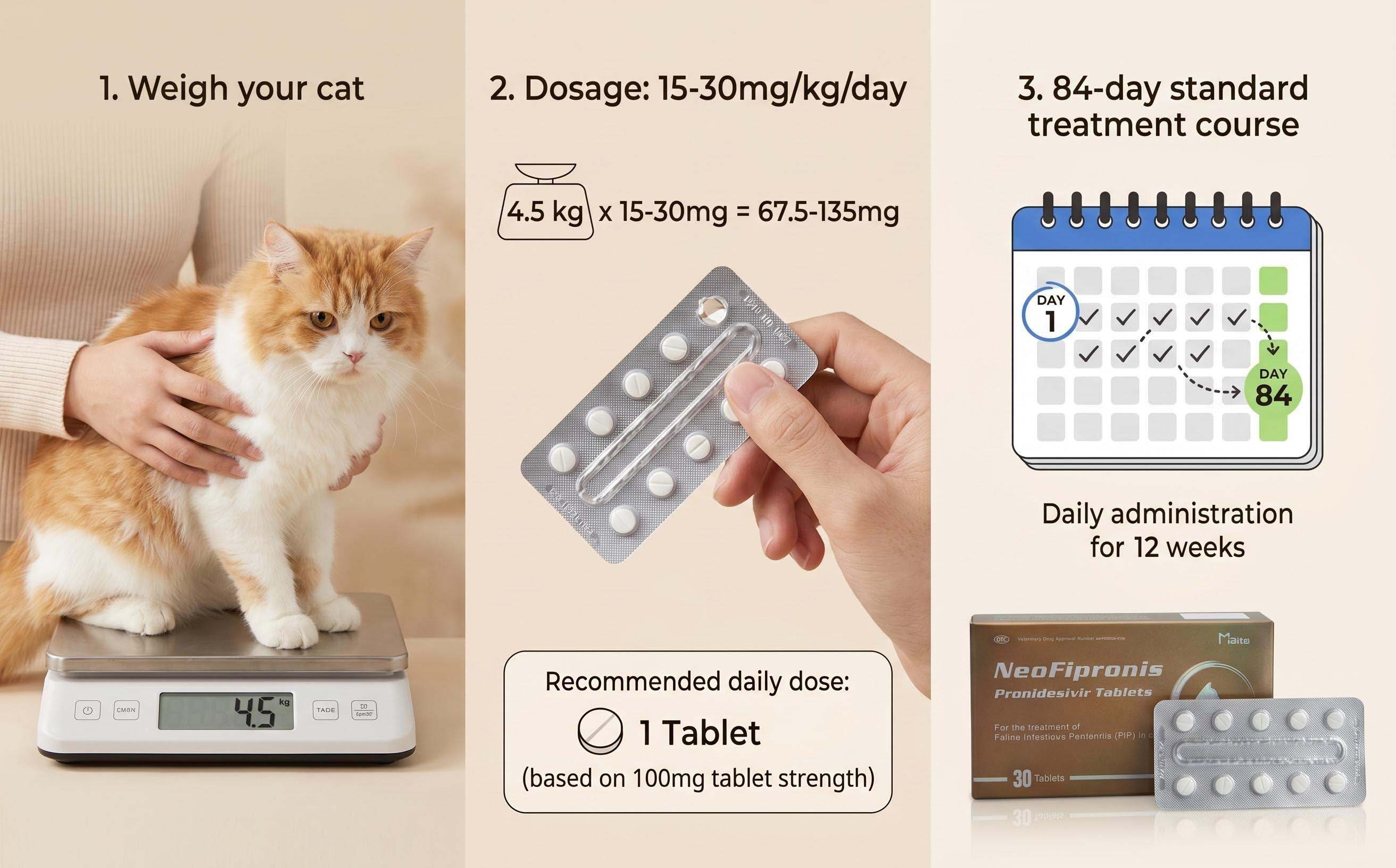
Until recently, FIP was considered universally fatal. However, antiviral drugs targeting viral replication (such as GS-441524 and remdesivir) have revolutionized management. Early detection maximizes the therapy’s effectiveness, since cats with more advanced disease or effusive symptoms face lower survival rates.
Preventative Measures and Risk Reduction
Most cats exposed to feline coronavirus will not develop FIP. Risks can be minimized by:
Maintaining clean litter areas
Reducing stress in multi-cat households
Regular veterinary wellness exams
Avoiding overcrowding in catteries and shelters
Testing and isolating cats with suspected FIP
Selective breeding and genetic research may ultimately help identify cats predisposed to FIP, reducing incidence in high-risk breeds.
Conclusion: Is Loss of Appetite an Early Sign of FIP?
Loss of appetite is one of the earliest and most common reported symptoms in cats with FIP. While it cannot reliably distinguish FIP from other illnesses without additional clinical findings, its presence combined with fever, lethargy, and unresponsive weight loss should heighten suspicion, especially in young or recently adopted cats from multi-cat environments.
Early veterinary intervention and, when indicated, advanced diagnostic testing offer the best hope for affected cats. In the era of antiviral therapy, recognizing the significance of subtle symptoms like appetite loss may mean the difference between life and death for a beloved companion.
References
1. Pedersen NC. A review of feline infectious peritonitis virus infection: 1963–2008. J Feline Med Surg. 2009;11(4):225-258.
2. Felten S, Hartmann K. Diagnosis of feline infectious peritonitis: A review of the current literature. Viruses. 2019;11(11):1068.
3. Addie DD et al. Feline infectious peritonitis: ABCD guidelines on prevention and management. J Feline Med Surg. 2023;25(1):6-26.
4. Giori L et al. Feline infectious peritonitis (FIP) diagnostic update: a review. Veterinary Sciences. 2021;8(7):131.
5. Tasker S. Diagnosis of feline infectious peritonitis: Update on laboratory tests. Vet J. 2018;243:33-36.
6. O'Brien MA, Wesselingh S. Early clinical signs in cats with FIP. J Small Anim Pract. 2020;61(9):572-580.
7. Harel O, Polak Y, Klempt A. Appetite and clinical signs in feline infectious peritonitis cases. Vet Rec. 2018;183(21):657-662.
8. Barker EN, Tasker S. Antiviral approaches for feline infectious peritonitis. Vet J. 2020;263:105505.
9. Krentz D et al. GS-441524 and remdesivir for feline infectious peritonitis: Current evidence. Animals (Basel). 2021;11(7):1366.