What Are the Therapeutic Effects of NeoFipronis (Pronidesivir)
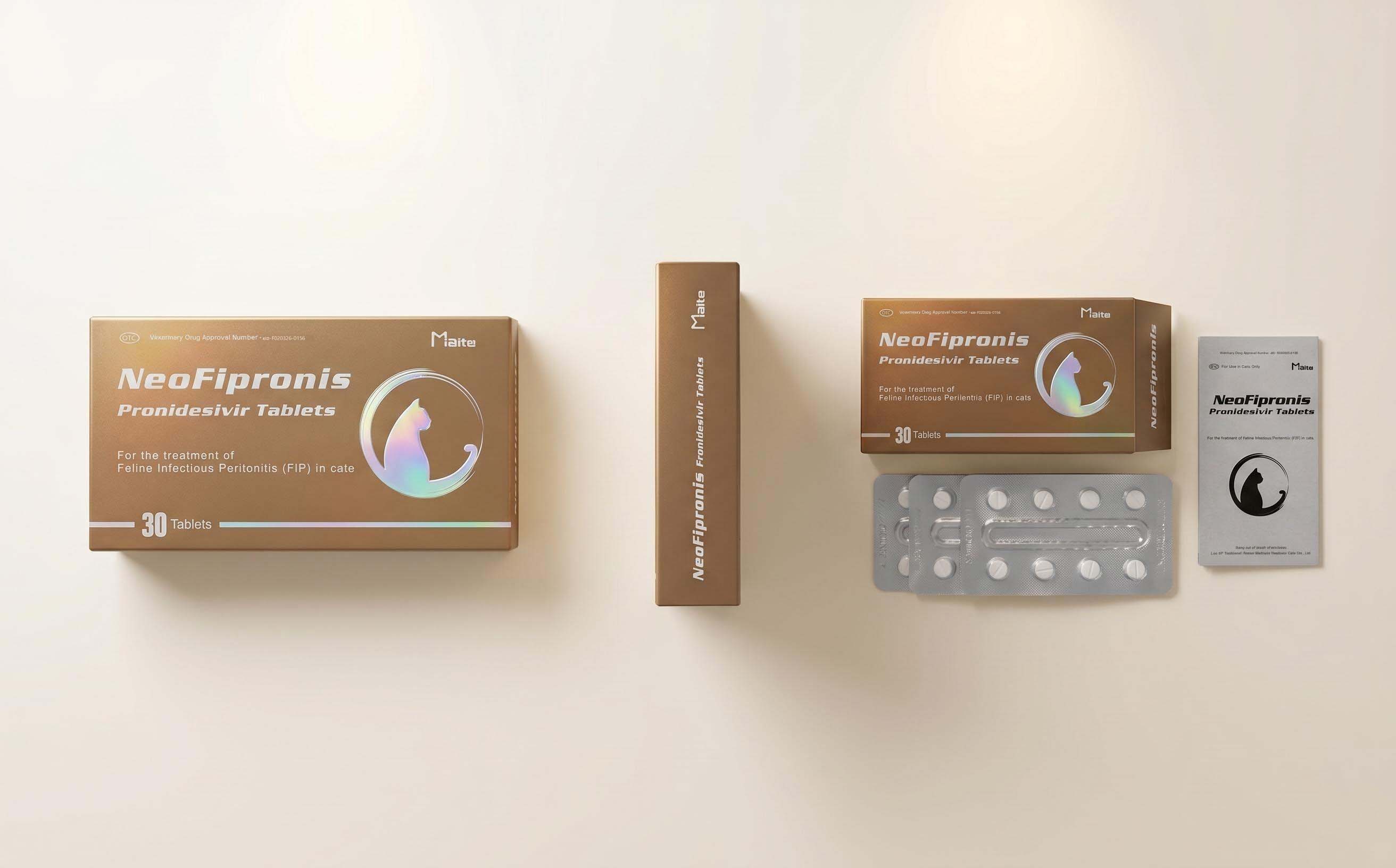
NeoFipronis (Pronidesivir) is described as an oral GS-441524-based option for cats diagnosed with feline infectious peritonitis (FIP), a serious coronavirus-related disease that can affect the abdomen, chest, eyes, brain, and other organs. For many cats, the main therapeutic goal is to reduce viral replication quickly, relieve inflammation, and help the body recover from the damage caused by FIP. When used appropriately under veterinary supervision, GS-441524-based therapy is associated with meaningful clinical improvement in appetite, energy, fever control, fluid accumulation, and overall quality of life.
Therapeutic Effects in FIP-Related Symptoms
FIP often causes loss of appetite, lethargy, persistent fever, abdominal swelling from ascites, pleural effusion, enlarged lymph nodes, inflammatory granulomas, neurologic signs, and uveitis. A GS-441524-based treatment such as NeoFipronis is designed to target the underlying viral process, which may help cats regain interest in food, become more active, and show better temperature stability. Many caregivers also report a visible decrease in abdominal or thoracic fluid, improved breathing comfort, and a more stable daily condition after treatment begins.
For wet FIP, one of the most noticeable changes may be the reduction of ascites or chest fluid as the antiviral effect takes hold. For dry, ocular, or neurologic FIP, the response may be slower and the treatment plan often requires closer monitoring. In these cases, reducing inflammation in the eyes, improving gait or coordination, and supporting neurologic recovery are important therapeutic goals. Because FIP can progress rapidly, early intervention is often associated with a better outcome.
Why GS-441524 Matters
The active ingredient, GS-441524, has been widely studied and used in clinical practice for FIP management. It works as an antiviral compound that interferes with coronavirus replication, helping to lower the viral burden in infected cats. In practical terms, this can translate into faster improvement in fever, appetite, alertness, and general vitality. Cats that respond well may begin eating more normally, sleeping less, and interacting more with their families within the early treatment period.
Oral formulations are especially appealing because they are non-invasive, easier to administer at home, and generally well tolerated. Compared with stressful injections, an oral option can improve adherence and make long-term treatment more manageable for both cats and owners.
Common Use and Monitoring
A commonly described dosing approach is based on body weight, with 15 mg/kg once daily for standard cases, and up to 30 mg/kg for neurologic or ocular FIP according to veterinary guidance. The medication is typically given once per day, often on an empty stomach, such as one hour before food or two hours after eating. Treatment usually needs to continue for at least 12 weeks without missed doses.
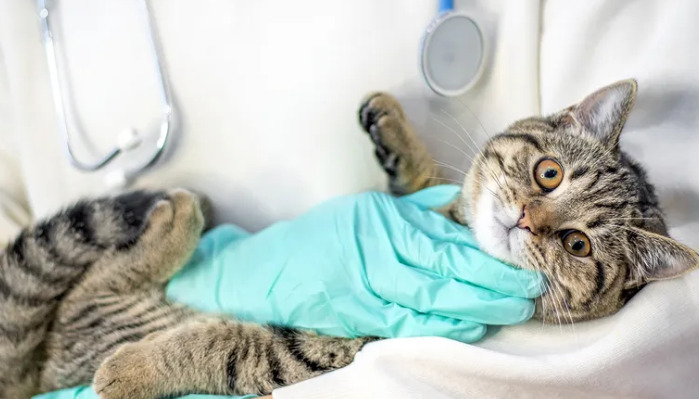
During therapy, careful monitoring is essential. Owners should watch for changes in appetite, temperature, behavior, breathing, and mobility. Regular blood work, including liver and kidney function tests, helps assess treatment response and overall safety. Even though oral GS-441524-based products may be sold without a prescription in some places, veterinarian supervision is strongly recommended for diagnosis confirmation, dosing decisions, and follow-up care.
Safety, Trust, and Proper Use
NeoFipronis is intended for cats only and must never be used in humans. Because quality and authenticity matter in FIP treatment, purchasing from the official source is advisable where available, so the product can be verified and handled correctly. For cats affected by FIP, a reliable antiviral plan can make a major difference in recovery, comfort, and long-term prognosis.
If you want, I can also turn this into a more SEO-optimized blog post with a meta title, meta description, and keyword-rich H2/H3 structure.