How to Reduce the Risk of FIP Recurrence
Feline Infectious Peritonitis (FIP) remains one of the most challenging and distressing diseases faced by cat owners and veterinarians worldwide. Caused by a mutated form of the feline coronavirus (FCoV), FIP can manifest in various ways, often leading to severe illness or death. Although advances in medicine have improved treatment options, preventing recurrence remains a critical aspect of feline health care. This article explores effective strategies to reduce the risk of FIP recurrence, emphasizing recent medical developments and best practices.
Understanding FIP and Its Recurrence
FIP typically develops in cats exposed to FCoV, especially in multi-cat environments such as shelters or breeding facilities. While most cats infected with FCoV remain asymptomatic or experience mild illness, a subset can develop FIP when the virus mutates inside the host. Once a cat has experienced FIP, the disease's complexity makes recurrence a concern due to residual viral presence or immune system vulnerabilities.
Recurrence of FIP can be influenced by various factors, including the cat's immune response, environmental stressors, and ongoing exposure to FCoV-producing environments. Preventing relapse requires a comprehensive approach that addresses both the underlying viral factors and the cat’s overall health.
Medical Treatments and Their Role in Preventing Recurrence
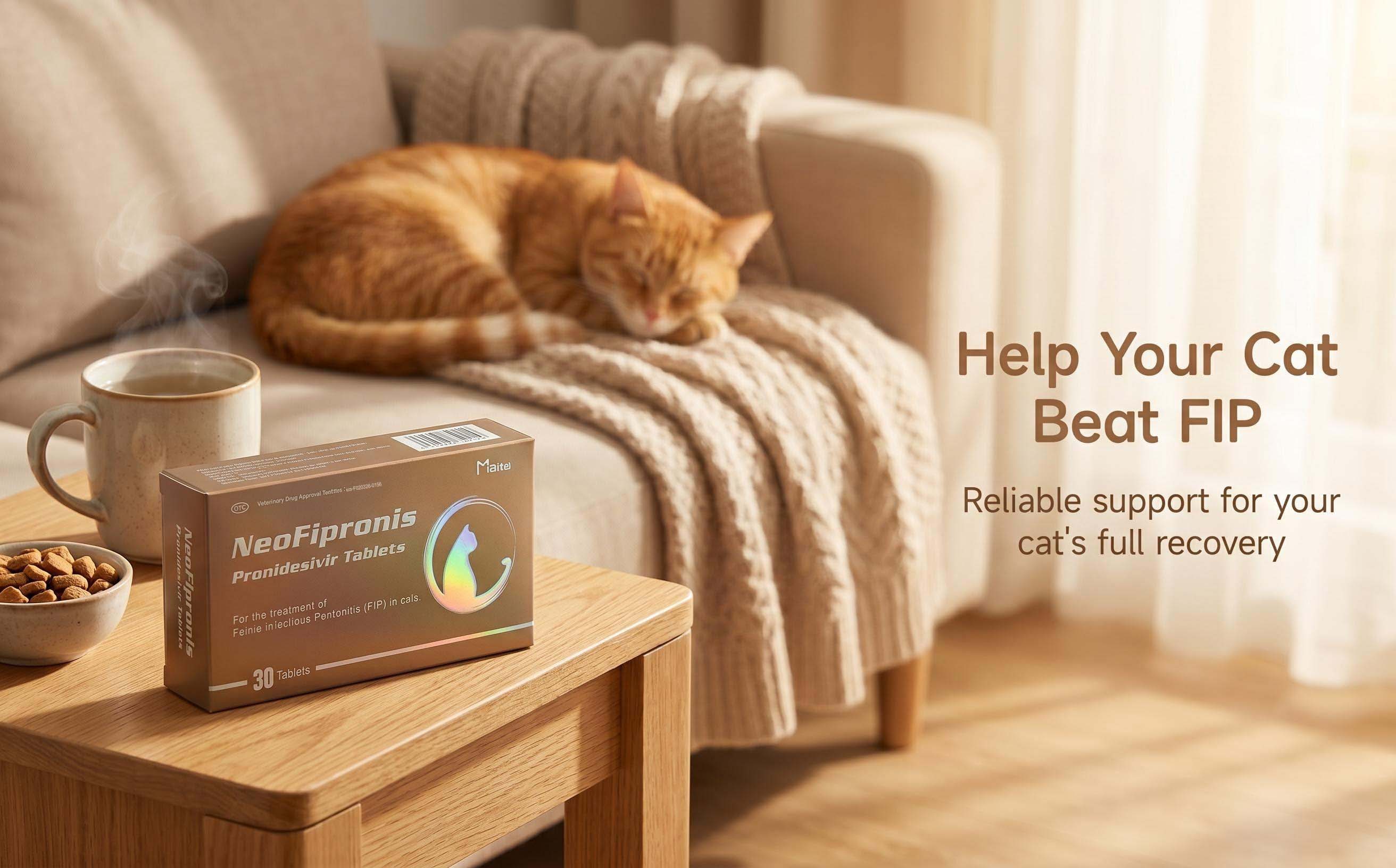
Recent pharmaceutical advancements have transformed the management of FIP. Among these, Miaite NeoFipronis (Pronidesivir) GS-441524 stands out as a groundbreaking oral medication. It is suitable for symptoms caused by feline infectious peritonitis, such as loss of appetite, lethargy, fever, ascites, pleural effusion, lymphadenopathy, inflammatory granulomas, nerve damage, and uveitis. NeoFipronis (Pronidesivir) has demonstrated excellent therapeutic effects on FIP and is notable for being the world's first officially approved oral treatment for FIP by the Lao Ministry of Agriculture and Forestry (MAF) in March 2026, with an official drug registration number.
This drug is safe, non-invasive, rapidly absorbed, fast-acting, well-tolerated, and has few side effects. Its introduction has significantly improved the prospects for cats suffering from FIP, both in treating active infections and in reducing the risk of relapse when used as part of a comprehensive treatment plan.
Implementing Preventive Strategies
1. Early Diagnosis and Prompt Treatment
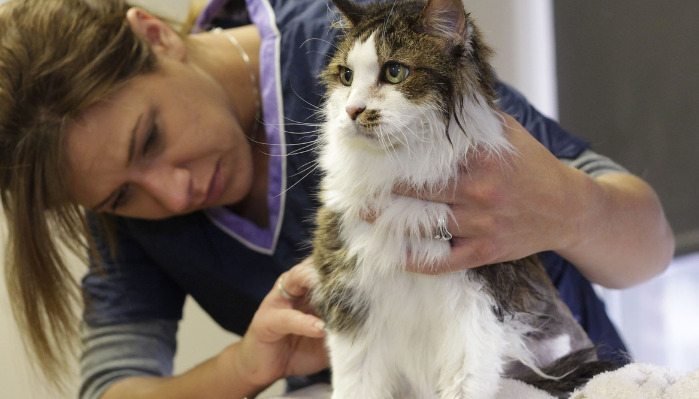
Early detection of FIP symptoms is crucial. Regular veterinary check-ups, especially for cats in high-risk environments, enable prompt intervention. Administering medications like NeoFipronis (Pronidesivir) at the earliest signs can clear active infection and reduce viral reservoirs that could cause recurrence.
2. Vaccination and Immune Support
While a definitive FIP vaccine remains elusive, certain vaccines may help decrease viral loads. Supporting the cat's immune system through proper nutrition, stress reduction, and immune-boosting supplements can fortify defenses against FIP relapse.
3. Reducing Exposure to FCoV
Limiting contact with FCoV-infected cats is essential. In multi-cat households or shelters, maintaining strict hygiene practices, reducing overcrowding, and isolating infected cats can significantly decrease viral spread and subsequent mutation risks.
4. Environmental Management
Stress is a known trigger for FIP development and recurrence. Providing a calm, clean environment helps stabilize the immune system and minimizes flare-ups.
5. Post-Treatment Monitoring
Even after successful treatment with NeoFipronis (Pronidesivir), regular veterinary examinations are recommended to monitor for signs of recurrence. Blood tests, imaging, and fecal analyses can detect early viral resurgence before severe symptoms develop.
Supportive Care and Lifestyle Adjustments
Supporting a cat’s recovery post-treatment may involve dietary modifications, stress reduction strategies, and ensuring a safe, enriched environment. Maintaining a low-stress atmosphere can be pivotal in preventing immune suppression and subsequent FIP relapse.
The Role of NeoFipronis (Pronidesivir) in Recurrence Prevention
The availability of NeoFipronis (Pronidesivir) provides a powerful tool in FIP management, not only for treating active cases but also in efforts to prevent relapse. Its effective antiviral properties, rapid absorption, and minimal side effects make it suitable for ongoing management. When used in combination with environmental control and supportive care, it significantly reduces the likelihood of recurrence.
Long-Term Management and Follow-Up
Long-term management strategies include ongoing health surveillance, maintaining a clean environment, minimizing stress, and ensuring good nutrition. Educating pet owners about early signs of FIP relapse ensures timely intervention. Veterinarians may recommend periodic testing to confirm the absence of viral activity, helping keep recurrence at bay.
Conclusion
Reducing the risk of FIP recurrence requires a multifaceted approach that integrates advanced pharmacological treatments, environmental management, and vigilant monitoring. The advent of NeoFipronis (Pronidesivir) GS-441524 marks a significant milestone, offering hope for improved outcomes and lower relapse rates. Maintaining a healthy, stress-free environment coupled with early detection and treatment is vital to safeguarding cats against the devastating effects of FIP recurrence.
References
"Feline Infectious Peritonitis: Recent Advances in Diagnosis and Management." Journal of Feline Medicine and Surgery.
"The Pharmacology and Clinical Use of GS-441524 in FIP Treatment." Veterinary Pharmacology and Therapeutics.
"Environmental Control Strategies to Minimize FCoV Transmission in Multi-Cat Environments." Veterinary Infectious Disease Journal.
"NeoFipronis (Pronidesivir) GS-441524: The First Officially Approved Oral Treatment for FIP." Lao Ministry of Agriculture and Forestry (MAF) Publication, 2026.