Can Careful Household Management Lower FIP Risk
Feline Infectious Peritonitis (FIP) is a devastating disease that primarily affects domestic cats and is caused by a mutation of feline coronavirus (FCoV). Despite ongoing research, FIP remains a challenging diagnosis and treatment dilemma for veterinarians and cat owners. While genetic factors and viral mutations play pivotal roles in FIP development, environmental and household management practices significantly affect virus transmission and disease progression. This article explores how careful household management can lower FIP risk, providing evidence-based strategies and insights for cat owners, shelters, and breeders, using clear and accessible language attuned to an American audience.
Understanding Feline Infectious Peritonitis
FIP is an incurable, deadly condition marked by a range of symptoms, primarily caused by a mutant strain of the feline coronavirus (FCoV). Most cats infected with FCoV do not develop FIP; instead, they may only exhibit mild gastrointestinal signs or remain asymptomatic. However, in a minority of cats—particularly those with certain genetic predispositions or under environmental stress—the virus mutates, making FIP a risk. It is crucial to recognize that FIP itself is not contagious but develops internally following exposure to feline coronavirus.
FCoV transmission occurs primarily via the fecal-oral route, meaning viral particles in feces contaminate the environment, and susceptible cats ingest them during grooming or through contaminated surfaces and objects. In multi-cat households, shelters, or breeding catteries, the risk of FCoV transmission is notably higher due to shared litterboxes, food and water bowls, and frequent close contact between cats.
Household Management: The Link with FIP Risk
The household environment shapes the risk of FCoV transmission and, ultimately, FIP development. Several factors contribute to increased risk, including overcrowding, poor sanitation, social stress, and inadequate health monitoring. By identifying and modifying these environmental risk factors, cat owners and managers can significantly reduce the likelihood of FIP occurrence, especially among vulnerable populations like kittens, immunocompromised cats, or purebred cats.
1. Litterbox Hygiene
The single most effective strategy to lower FCoV transmission in multi-cat environments is meticulous litterbox hygiene. FCoV survives in feces for days under optimal conditions and is easily spread through poorly managed sanitation. Best practices include:
Using multiple litterboxes for households with more than one cat, ideally one box per cat plus an extra.
Scooping litterboxes at least once daily; twice is better.
Disinfecting litterboxes weekly with non-toxic cleaners.
Using clumping litter for easier removal of feces.
Placing litterboxes in quiet, low-traffic areas to reduce stress during elimination.
In catteries and shelters, using individual boxes for high-risk kittens or isolating FCoV-positive cats is recommended when possible.
2. Cat Density and Stress Reduction
Crowding increases physical contact, competition, and stress—all risk factors for FCoV transmission and immune system compromise. Keeping smaller group sizes of cats reduces overall viral load in the environment, limits direct transmission, and helps maintain cleaner shared resources.
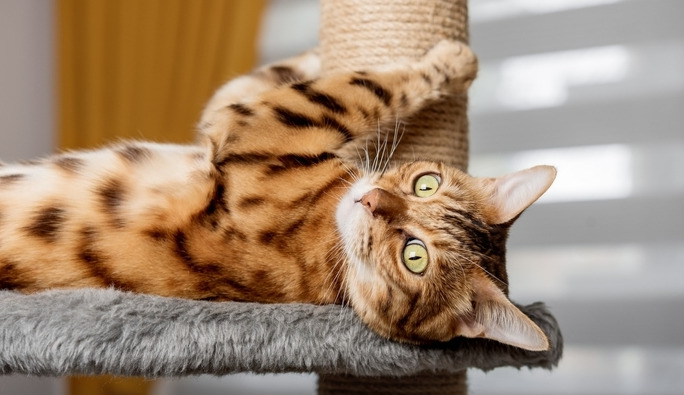
Beyond basic space management, household stress should be minimized. Stress can suppress immunity and influence coronavirus mutation, encouraging FIP development. Providing vertical space, hiding spots, consistent routines, and positive enrichment activities reduces anxiety and promotes healthier immune responses.
3. Isolation Practices for New or Sick Cats
Introducing new cats requires careful quarantine procedures to prevent introducing new FCoV strains and overwhelming existing cats. Quarantining new cats for two weeks, ensuring veterinary health checks, and gradually integrating them into the group reduces both stress and contagion risk.
Cats exhibiting signs of illness—such as diarrhea, lethargy, or inappetence—should be promptly isolated and evaluated by a veterinarian. Preventing sick cats from sharing litterboxes and food bowls is critical in managing FCoV spread.
4. Feeding and Water Bowl Management
Shared bowls are potential sources of indirect transmission. Providing separate food and water bowls for each cat, cleaned daily, decreases risk of viral transmission. Stainless steel or ceramic bowls are preferred, as plastic can harbor bacteria and viruses.
5. Cleaning and Disinfection
Routine cleaning of feeding areas, bedding, toys, and environmental surfaces limits viral spread. Hot water and detergents effectively remove viral particles; adding disinfectants like diluted bleach (unreactive toward pets) enhances effectiveness. High-touch surfaces—the floor surrounding litterboxes, doorknobs, and cat trees—deserve extra attention. Soft surfaces (beds, blankets) should be laundered regularly.
6. Air Quality and Ventilation
Good ventilation dilutes airborne pathogens, although FCoV primarily spreads via contaminated surfaces rather than through air. Still, fresh air and proper exhaust systems help maintain a healthier living environment, especially in high-density settings.
7. Health Monitoring and Veterinary Care
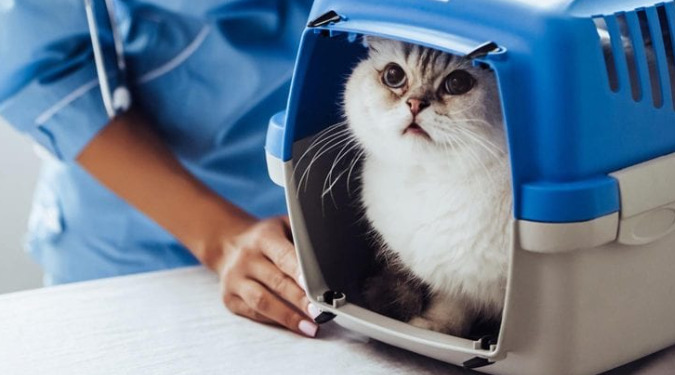
Early identification of FCoV-infected cats enables better management. Routine veterinary visits, regular health screenings, and prompt response to signs of gastrointestinal upset or fever improve outcomes and reduce further transmission risk. Vaccination protocols should be discussed with veterinarians, although no FIP-specific vaccine has proven highly effective.
8. Responsible Breeding and Genetic Considerations
Certain purebred cats are more susceptible to FIP, likely due to limited genetic diversity. Breeders should prioritize genetic health, limit inbreeding, and maintain smaller cattery populations. Avoiding stressful breeding practices and allowing queens adequate time between litters supports robust immune development in kittens.
9. Proactive Education and Owner Involvement
Many cases of FIP are complicated by insufficient understanding of disease transmission. Educating cat owners, shelter staff, and breeders about FIP, its causes, and preventive strategies is vital to reducing risk. Online resources, veterinarian-led workshops, and readable guides are tools for engagement.
Case Studies: Household Management Success
A suburban rescue shelter experienced recurring FIP cases among kittens housed in crowded communal rooms. By transitioning to individual housing for kittens, increasing litterbox availability, and sanitizing surfaces, the shelter observed a significant decrease in new FIP cases over three years.
A breeder of Bengal cats adopted a new protocol: reducing group sizes, introducing kittens to adult cats gradually, and implementing weekly cleaning of all shared resources. Additionally, new kittens were quarantined for one month, and only introduced after negative FCoV testing. After initiating these policies, FIP incidence in the cattery decreased dramatically.
Common Myths about FIP and Household Management
Misunderstandings can hinder effective prevention and worsen stress for owners and cats alike:
Myth: FIP is directly contagious between cats. Reality: Only FCoV is contagious, not FIP itself.
Myth: Purebred cats always develop FIP. Reality: While some breeds exhibit increased risk, FIP is not guaranteed.
Myth: Completely preventing FCoV exposure is possible. Reality: The virus is highly pervasive, but good management drastically lowers FIP risk.
Myth: FIP only affects kittens. Reality: While young cats are at higher risk, adults can also develop disease, especially after stressful events.
Low-Risk Household Model
For families with one or two cats, individualized management is practical and highly effective. Using separate resources, maintaining cleanliness, and minimizing major changes (like new pet introductions) limits both stress and pathogen exposure.
For multi-cat homes, small group segregation, regular health checks, and strict litterbox hygiene are key. Introducing new cats slowly and integrating veterinary screening into household routine reduces the risk even in relatively larger feline populations.
Modern Advancements in FIP Understanding and Management
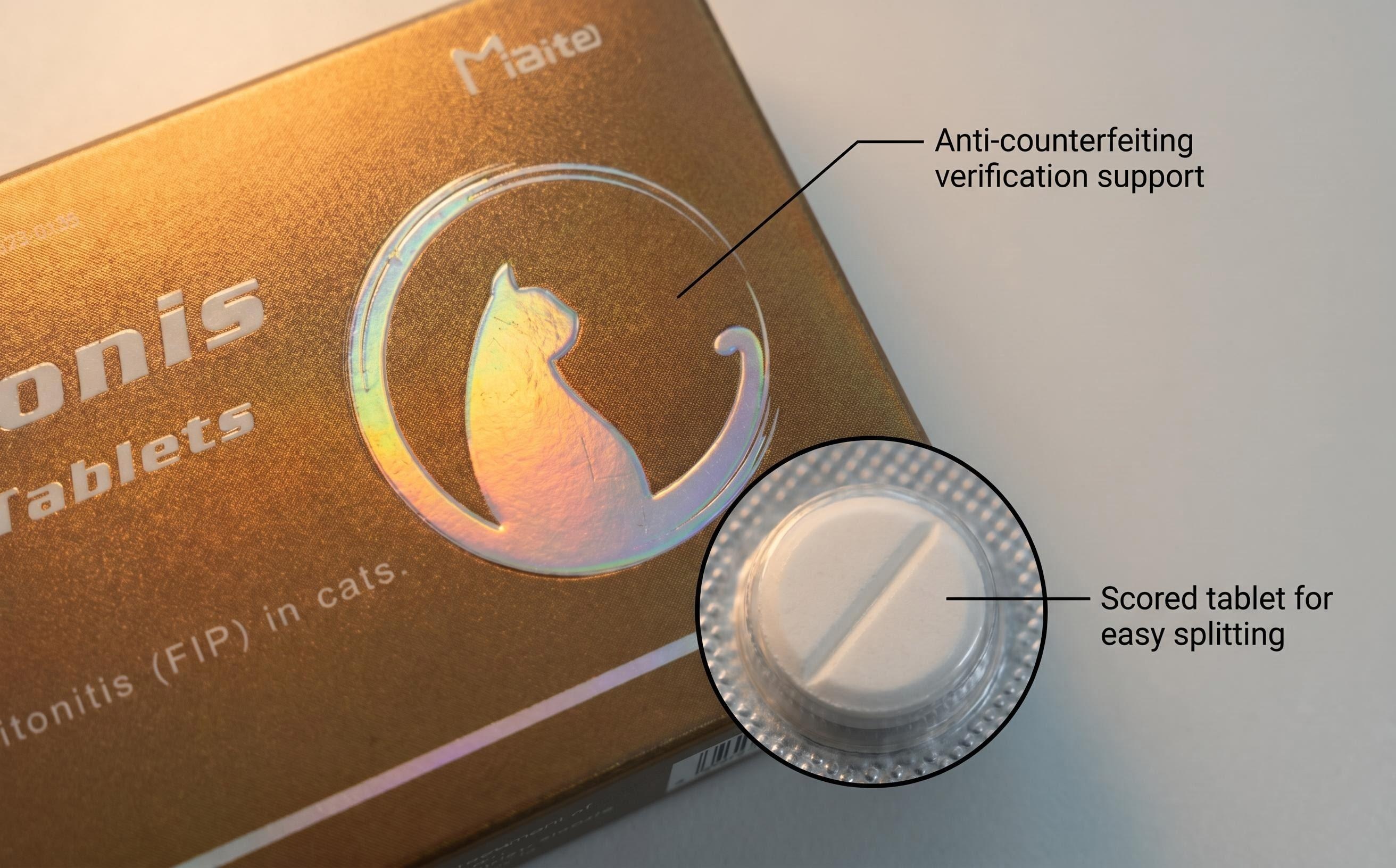
Recent developments in FIP research, including new diagnostic tools and antiviral treatments, have offered hope—but careful household management remains foundational. Drugs such as GS-441524 and related compounds show promise, but cost, access, and regulatory hurdles remain. Preventative management is still the most reliable strategy for most owners.
Genome sequencing now allows targeted breeding that reduces genetic susceptibility, especially among purebreds. Combined with environmental strategies, the risk curve for FIP is shifting downward in responsible households and facilities.
Community Impact of Improved Household Management
Effective management goes beyond individual homes, influencing shelters, rescues, and breeders nationwide. Lower FIP rates decrease euthanasia rates, emotional burden, and costs for pet owners. Community education initiatives magnify these effects, creating a cascade of healthier cats, better experiences for adopters, and stronger confidence in veterinary practices.
References
1. Addie, D. D., & Jarrett, O. (1995). Feline coronavirus infections in pedigree breeding catteries. Veterinary Record, 136(23), 555-556.
2. Pedersen, N. C. (2009). A review of feline infectious peritonitis virus infection: 1963–2008. Journal of Feline Medicine and Surgery, 11(4), 225-258.
3. Hartmann, K. (2005). Feline infectious peritonitis. Veterinary Clinics: Small Animal Practice, 35(1), 39-79.
4. Cave, T. A., Golder, M. C., Simpson, J., & Addie, D. D. (2004). Risk factors for feline coronavirus seropositivity in cats owned by veterinary staff. Journal of Feline Medicine and Surgery, 6(2), 79-84.
5. Kipar, A., & Meli, M. L. (2014). Feline infectious peritonitis: still an enigma? Veterinary Pathology, 51(2), 505-526.
6. Felten, S., & Hartmann, K. (2019). Diagnosis of feline infectious peritonitis: A review of the current literature. Viruses, 11(11), 1068.
7. Addie, D. D., et al. (2020). Feline infectious peritonitis: ABCD guidelines on prevention and management. Journal of Feline Medicine and Surgery, 22(7), 631-646.
8. Giori, L., et al. (2011). Sensitivity and specificity of a real-time RT-PCR assay for detection of feline coronavirus in effusion and organs of cats with feline infectious peritonitis. Journal of Feline Medicine and Surgery, 13(10), 867-870.
9. Hosie, M. J., et al. (2023). Feline coronavirus: ABTC and ABCD guidelines for prevention and management. Veterinary Record, 192(8), 321-331.
10. Stoddard, M. E., et al. (2021). Environmental Management and its Role in Feline Coronavirus Transmission. Veterinary Parasitology, 297, 109504.