How Soon Can Improvement Be Seen After Starting FIP Treatment
Feline Infectious Peritonitis (FIP) is one of the most feared diagnoses for cat owners. Once considered universally fatal, new treatment options have offered hope, changing the prognosis and offering affected cats a second chance. A frequently asked question is how quickly improvements can be observed after starting FIP treatment. This comprehensive review explores the timeline of clinical improvement, factors influencing recovery, monitoring protocols, and real-world outcomes for cats diagnosed with FIP in the modern therapeutic era.
Understanding FIP: Pathogenesis and Symptoms
FIP is caused by a mutation of the feline coronavirus that transforms into a virulent form capable of attacking a cat’s immune system. The disease presents in two forms: "wet" (effusive), which causes fluid accumulation in the abdomen or chest, and "dry" (non-effusive), characterized by granulomas in internal organs and neurological or ocular symptoms. Early FIP signs include fever, lethargy, weight loss, jaundice, decreased appetite, and sometimes difficulty breathing due to fluid buildup. Recognizing clinical symptoms and seeking swift veterinary assessment is critical, as FIP can advance rapidly in severe cases.
Modern Treatment Paradigms of FIP
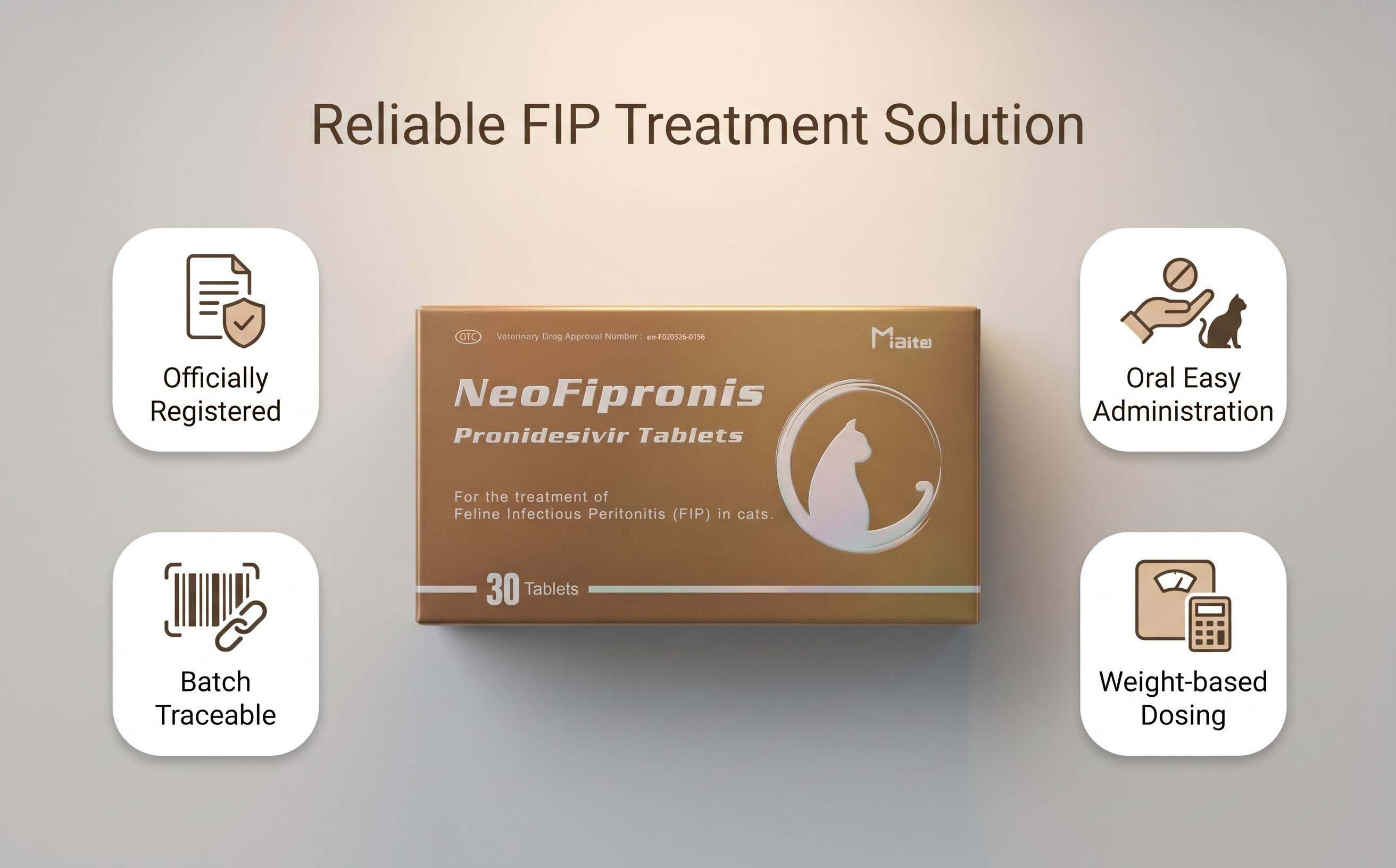
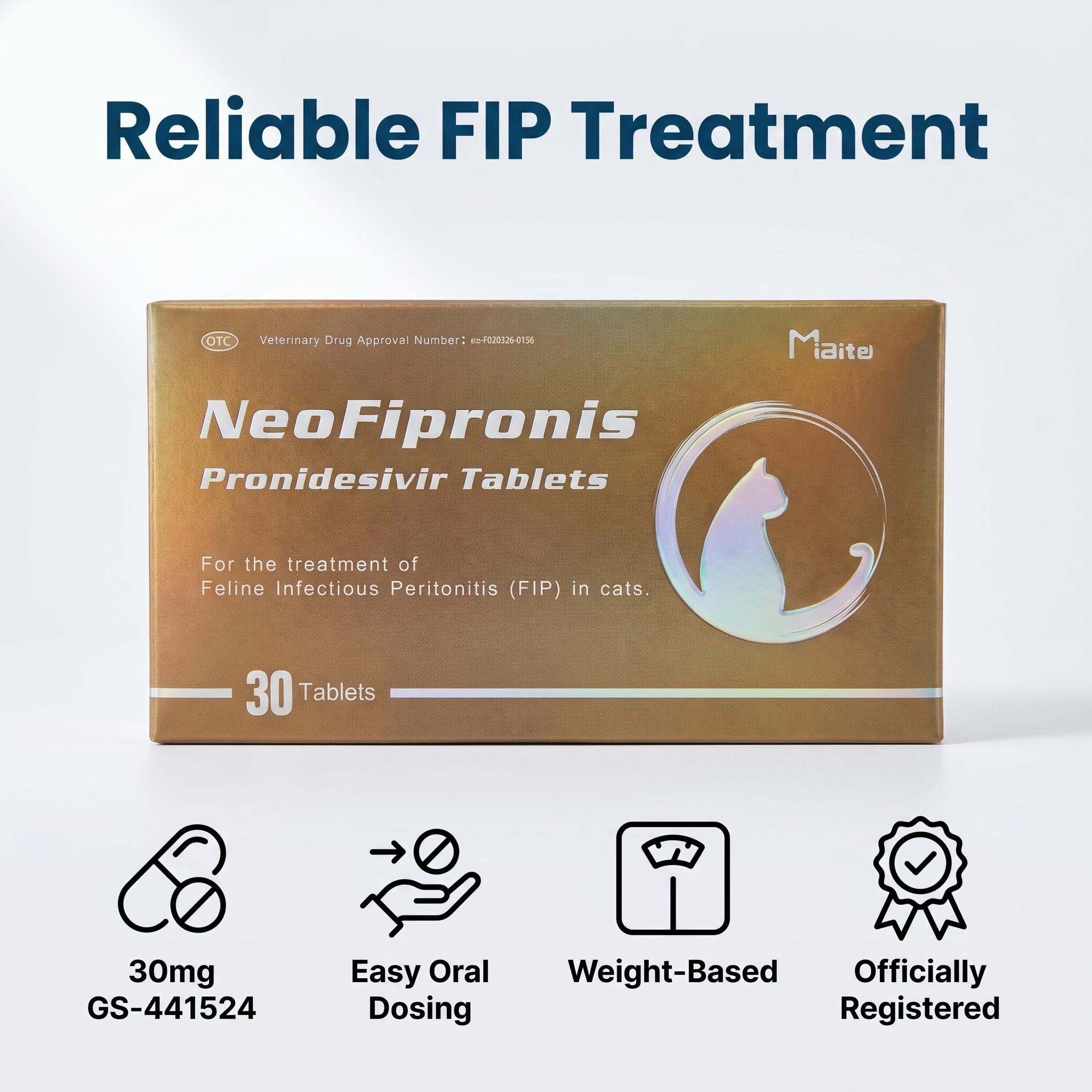
The recent discovery of antiviral medications, most notably nucleoside analogues like GS-441524, has revolutionized the outlook for FIP. This drug targets the replication of the coronavirus, halting disease progression. Other treatments may include anti-inflammatories, corticosteroids, and supportive care. Therapy duration can last up to 12 weeks and sometimes requires dose adjustments based on the cat’s weight and response to treatment. Treatment adherence and proper monitoring are necessary to ensure safe and effective recovery.
Early Signs of Improvement: What to Expect in the First Week
Many owners notice positive changes in their cat’s health remarkably soon after initiating antiviral therapy. Anecdotal reports and clinical studies have suggested that the majority of cats experience visible improvements within 24-72 hours of their first treatment dose. These signs can include a return of appetite, increased activity or playfulness, reduction or disappearance of fever, and diminished lethargy. In cases presenting with effusions, decreased fluid accumulation or easier breathing may also appear early.
It’s crucial to note that the rate of improvement can be highly individual. Cats with more severe symptoms or those suffering from neurological or ocular FIP may require more time to respond. Close monitoring during this phase is advisable, as some rare reactions to the medication (such as vomiting or mild injection site discomfort) can occur, but these rarely outweigh the clinical benefits.
Week 2–4: Sustained Clinical Response and Laboratory Changes
During the second to fourth weeks of treatment, the majority of cats demonstrate clear and sustained improvement if the first week was successful. Weight gain becomes visible, fever tends to resolve, and muscle wasting reverses. Bloodwork, especially hematology and biochemistry panels, may show positive trajectories, including normalization of anemia, decreasing globulin levels, and improved liver function.
Cats suffering from the “wet” form may experience gradual resorption of accumulated abdominal or thoracic fluids. Owners may also observe increased grooming, social behaviors, and a return to normal routines. For those with neurological or ocular involvement, changes such as normalized pupil size, improved vision, or steadier gait typically become evident between two and six weeks, though some may take longer.
Factors That Influence the Speed of Improvement
Several elements can influence how quickly a cat responds to FIP treatment:
Type of FIP: Cats with effusive ("wet") FIP tend to respond more rapidly to treatment than those with non-effusive ("dry") or neurological disease.
Severity at Onset: Cats presenting with milder symptoms or at an earlier stage generally respond more quickly than those already in severe distress or with advanced organ involvement.
Supportive Care: Concurrent management of dehydration, malnutrition, and secondary infections enhances recovery speed.
Individual Variation: Genetics, age, underlying concurrent diseases, and the exact FIP viral strain play a role in recovery timelines.
Case Reports and Clinical Studies: Expected Timelines
Multiple published case series document the recovery trajectory in naturally infected cats. According to published research, over 80% of cats receiving GS-441524 showed marked improvement in appetite, energy, and social interaction within one week. By week four, the majority had fully resolved fevers, normalized blood parameters, and substantial weight gain.
In cases of ocular or neurological involvement, improvements are seen but require more patience. Vision, gait, or behavioral changes may improve gradually across four to eight weeks, and sometimes clinical gains continue for several months post-treatment. With continual therapy and adherence to prescribed protocols, sustained remission or full recovery is possible in many cats.
Monitoring for Relapses or Complications
During the 12-week course of antiviral therapy, ongoing monitoring with regular veterinary check-ups and bloodwork is imperative. Relapses can occur if treatment is halted prematurely or if drug resistance develops. Owners should watch for a recurrence of fever, decreased appetite, lethargy, or new neurological symptoms. Ensuring full course completion and immediate veterinary attention for setbacks can dramatically improve the likelihood of long-term success.
Some cats may experience mild side effects, such as discomfort at injection sites, transient lab abnormalities, or, rarely, severe reactions. Reporting any adverse effects to the veterinarian allows for necessary drug adjustments or palliative care.
Long-Term Outcomes and Survival Rates
The landscape of FIP survival has been transformed by effective antiviral therapy. Roughly 80%-90% of treated cats, especially those with non-neurological forms, complete a 12-week protocol and enter sustained remission. Of these, most regain full health, with many returning to pre-disease activity and body condition levels. A small minority (usually with severe initial disease or incomplete response) may relapse, in which case retreatment or dose adjustment can be beneficial.
Veterinary Recommendations for Owners
Initiate treatment as soon as FIP is diagnosed; do not delay.
Monitor appetite, energy, fever, fluid status, and neurological signs daily.
Complete the full medication course even if your cat seems fully recovered early.
Schedule periodic rechecks and lab-work as instructed.
Seek immediate veterinarian intervention if relapse or worsening is observed.
Provide supportive care including nutrition, hydration, and comfort.
Conclusion
Timely improvement after starting FIP treatment is not only common but expected, with many cats showing life-changing progress within days to weeks. The speed and extent of improvement depend on FIP type, disease severity, and supportive care, but the majority of cats begin to thrive well before completing treatment. With coordinated veterinary guidance, persistence, and early intervention, the outcome for FIP-affected cats has turned from hopeless to hopeful.
References
Pedersen, N.C. "An update on feline infectious peritonitis: diagnostics and therapeutics." Veterinary Journal, 2019.
Dickinson, P.J. et al. "Antiviral treatment of cats with natural feline infectious peritonitis." Journal of Feline Medicine and Surgery, 2020.
Krentz, D. et al. "Use of GS-441524 in cats with naturally occurring feline infectious peritonitis." Journal of Veterinary Internal Medicine, 2019.
Murphy, B.G. et al. "The pathogenesis and treatment of feline infectious peritonitis." Veterinary Clinics of North America: Small Animal Practice, 2021.
Addie, D.D. et al. "Treatment recommendations for cats with suspected FIP, and details of short and longer courses of GS-441524." Journal of Feline Medicine and Surgery, 2020.
Izes, A.M. et al. "Current understanding and treatment of feline infectious peritonitis." Pathogens, 2020.
Tasker, S. "Diagnosis and management of feline infectious peritonitis." In Practice, 2018.