How long does it take for ascites to disappear after FIP medication
Feline Infectious Peritonitis (FIP) remains one of the most complex and challenging diseases in cats. The development of ascites—a buildup of fluid within the abdominal cavity—is a hallmark symptom of the effusive form of FIP. With recent advancements in antiviral treatments, notably the use of specific FIP medications such as GS-441524, many pet owners are eager to understand the timeline of recovery, particularly regarding the resolution of ascites. This article explores the various factors influencing the timeline, typical healing progress, and what pet owners might expect after initiating treatment.
Understanding FIP and Ascites Formation
FIP is caused by a mutated form of feline coronavirus that triggers a severe immune response, leading to widespread inflammation within the body. The effusive type, characterized by fluid accumulation in the abdomen and sometimes the chest, predominantly results from vasculitis—damage to blood vessels caused by viral replication and immune reactions. Ascites manifests as distension and discomfort, often signifying a more advanced stage of the disease. The primary goal of antiviral therapy is to halt viral replication, reduce inflammation, and ultimately reverse fluid buildup.
The Impact of Antiviral Therapy on Ascites
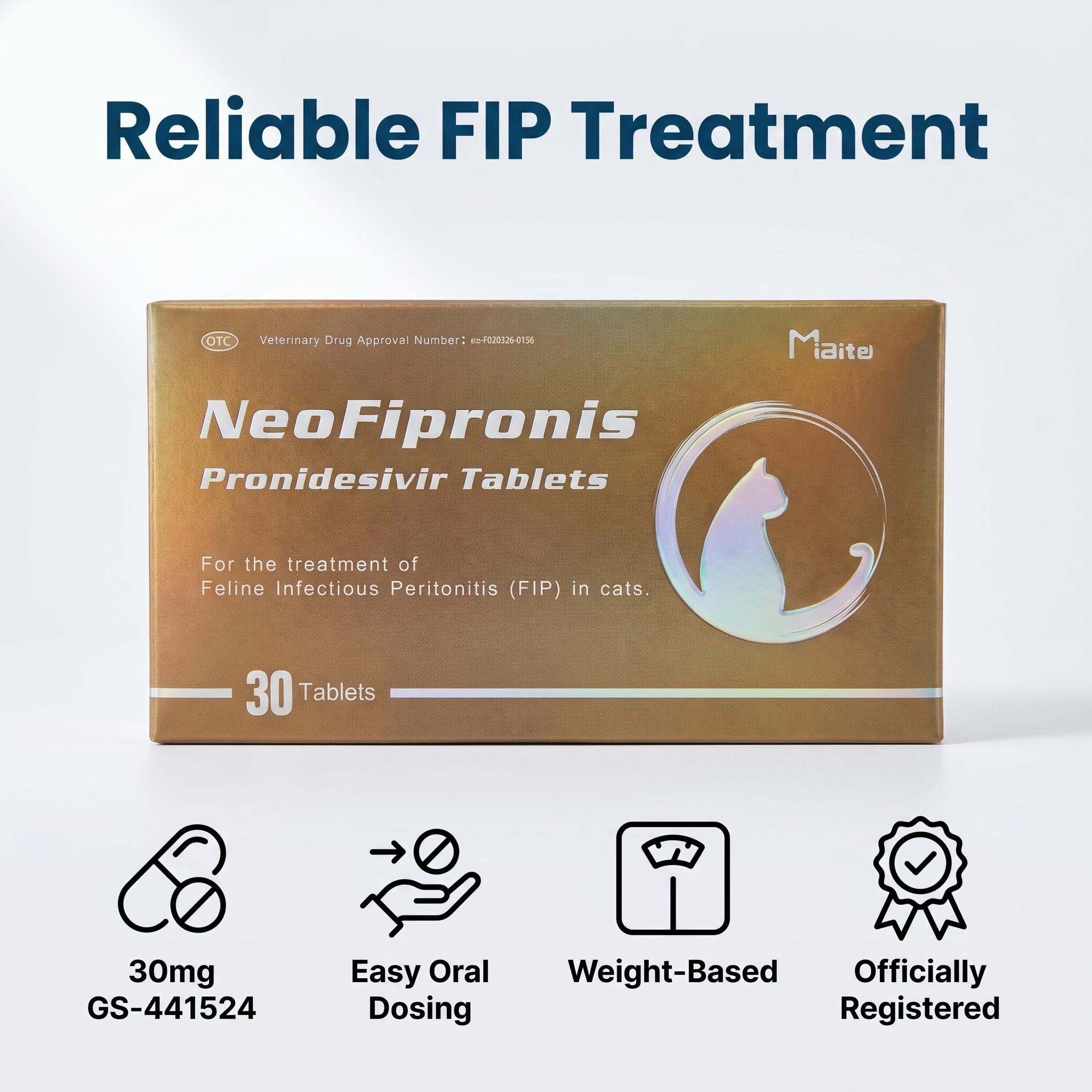
Recently developed antiviral drugs such as GS-441524 have revolutionized the approach toward FIP treatment. These compounds target the viral RNA-dependent RNA polymerase, effectively curbing viral proliferation. As viral load diminishes, systemic inflammation subsides, leading to an improvement in clinical signs, including the resolution of ascites.
The progression of ascites reduction depends heavily on several factors:
The severity of fluid accumulation at the start of treatment
The cat's overall health status
Early intervention versus delayed diagnosis
Adherence to medication protocols
Typical Timeline for Ascites Resolution
Initial Improvement Phase:
Most cats begin to show signs of health improvement within 1-2 weeks of starting antiviral therapy. During this period, some decrease in abdominal distension may be observed, although fluid may not resolve completely yet.
Significant Fluid Reduction:
Between 2-4 weeks, many cats demonstrate a notable reduction in ascitic fluid. Owners report less abdominal swelling, improved appetite, and increased activity levels. Ultrasonography can confirm decreases in fluid volume and improved organ function.
Complete Resolution:
In ideal cases, complete disappearance of ascites occurs within 4-8 weeks of consistent antiviral treatment. However, this timeline varies considerably and may extend beyond this range, especially in cases where initial fluid buildup was severe or there was a delay in starting therapy.
Factors Affecting the Duration of Ascites Disappearance
Severity at Initiation: Cats with massive or longstanding ascites tend to require more time for full resolution, sometimes taking several months.
Response to Treatment: Rapid responders often see quicker fluid reduction, while slow responders may need prolonged therapy.
Supportive Care: Adequate nutritional support, avoiding stress, and managing secondary infections can promote faster recovery.
Monitoring and Adjustments: Regular veterinary assessments allow for tailoring medication dosages and managing side effects, potentially influencing recovery speed.
Complications and Persistent Ascites
Not all cases follow a straightforward path to recovery. Some cats may experience persistent or recurrent ascites despite antiviral therapy, often due to:
Residual organ damage caused by prior inflammation
Ineffective drug penetration in certain tissues
Concurrent health issues such as hepatic or renal disease
Persistent ascites may require additional interventions, including drainage procedures or adjunctive treatments to manage discomfort and improve quality of life.
The Unfolding Path of Healing
It's essential for pet owners to understand that while antivirals can profoundly alter the course of FIP, complete and rapid resolution isn't always guaranteed. Patience, adherence to veterinary guidance, and consistent monitoring play vital roles in recovery. Moreover, early detection and intervention significantly improve the chances for quicker ascites resolution.
Unconventional Insights
Emerging research suggests that the timing of ascites resolution may also relate to individual genetic factors, immune response variability, and even the initial viral strain involved. Some studies hint that cats administered tailored supportive therapies alongside antivirals can experience faster restoration of abdominal health. As ongoing research sheds more light on immune modulation, future treatment protocols might incorporate personalized strategies to shorten recovery timelines further.
Understanding the timeline for ascites resolution after FIP medication provides valuable expectations for pet owners navigating this challenging diagnosis. While many cats can see their symptoms improve remarkably within a month or two, each case remains unique. Vigilant monitoring, combined with supportive care, offers the best route toward restoring health and comfort for affected felines.