How to Support a Cat’s Immunity to Lower FIP Risk
Feline Infectious Peritonitis (FIP), caused by a mutation of the feline coronavirus, remains one of the most challenging and feared diseases in feline medicine. Although FIP itself is not directly contagious, the virus that triggers it circulates widely among cats, particularly in multi-cat environments. Building a robust immune system is crucial in decreasing the likelihood of mutation and subsequent development of FIP. This article explores practical, evidence-based strategies to help cat owners enhance their feline companions’ immunity, ultimately aiming to reduce the risk of FIP. Key topics include understanding FIP, immunity mechanisms, and actionable steps for prevention.
FIP represents a devastating diagnosis for cat owners and veterinarians, affecting primarily young cats or those living with many other felines. Despite ongoing research, a universally effective vaccine for FIP does not exist, making prevention based on strong immune support vital. Immunity is multi-faceted, involving genetics, environment, nutrition, stress management, and veterinary care. This comprehensive guide offers cat lovers insight into why immunity matters and how to realistically boost a cat’s natural defenses.
Understanding FIP and Immune Response
Brief Overview of FIP
FIP develops when a generally harmless feline coronavirus (FCoV) mutates within a cat’s body. While the FCoV is common, especially in shelters, catteries, and multi-cat households, most infected cats show only mild gut symptoms or remain asymptomatic. It’s the unpredictable shift to FIP—either “wet” (effusive) or “dry” (non-effusive) forms—that poses grave consequences, involving widespread inflammation, organ failure, and typically, death unless treated promptly.
Immune System’s Role
Cats exposed to FCoV rely on their innate and adaptive immune systems to limit viral replication and mutation. Research suggests cats with strong, regulated immunity are less likely to experience the destructive mutation leading to FIP. Conversely, immune-compromising factors—genetics, nutritional deficits, chronic stress, co-infections—leave cats more vulnerable.
Genetics and Breed Susceptibility
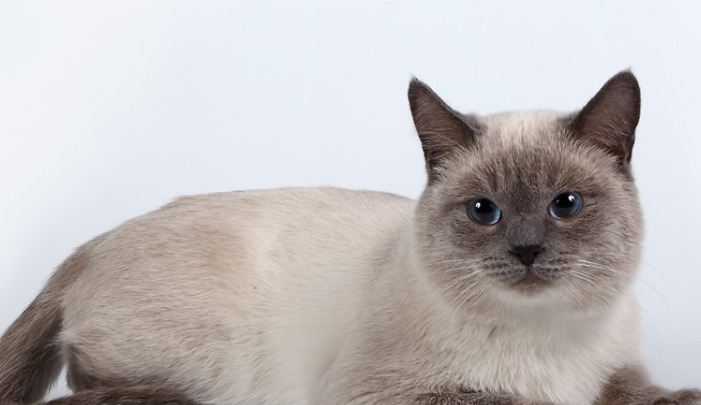
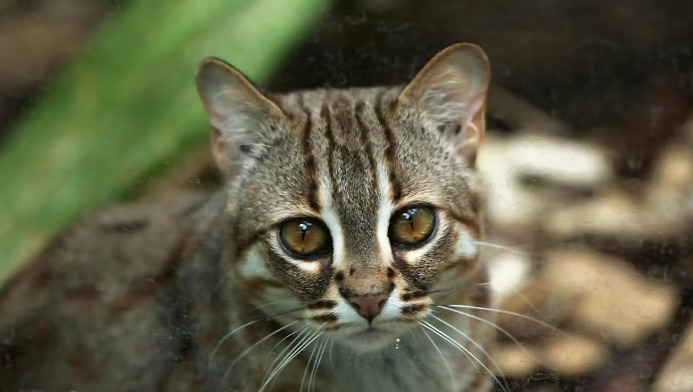
Certain breeds, including Bengals, Ragdolls, and some Oriental breeds, display an elevated risk for FIP (Addie et al., 2020). Genetic predisposition affects immune function, though each cat’s genetic history varies. Responsible breeders should prioritize genetic screening and avoid breeding lines with repeated FIP cases. While pet owners can’t alter genetics, choosing a kitten from reputable sources and learning about related medical histories help manage expectations and risk.
Environmental Management
Cleanliness and Hygiene
A cat’s immediate environment shapes both exposure risk and immune capacity. The FCoV virus spreads primarily via fecal contamination; therefore, diligent litter box maintenance is crucial. Scooping daily, thoroughly cleaning boxes weekly, and providing sufficient litter boxes in multi-cat homes (ideally, one box per cat plus an extra) minimize transmission.
Overcrowding Risks
Dense cat populations increase stress and exposure, weakening immunity and facilitating viral spread. Keeping living spaces manageable, separating new or sick cats when necessary, and reducing group sizes when possible all support healthier immune systems.
Ventilation and Air Quality
Good airflow reduces pathogen concentration and helps prevent respiratory illnesses that might further impair immunity. Using HEPA filters, ensuring regular air exchanges, and minimizing smoke or strong chemical odors fosters a supportive setting.
Nutrition: The Foundation of Immune Health
High-Quality Diet
Nutrition provides the building blocks for immune cells and antibodies. Cats require quality protein sources, essential fatty acids (especially omega-3s), vitamins (A, D, E, B complex), and minerals (zinc, selenium). Feeding a balanced, species-appropriate diet—wet or dry, commercial or homemade with veterinary guidance—ensures these needs are met.
Antioxidants and Gut Health
Antioxidants like vitamin E, vitamin C, and beta-carotene fight oxidative stress, supporting overall immune resilience. Prebiotics and probiotics optimize gut flora, which is critical because nearly 70% of the immune system resides in the gut. Consider foods or supplements with FOS (fructooligosaccharides) and lactobacillus strains, especially when switching diets or after antibiotics.
Avoiding Dietary Deficiencies
Cats fed primarily on low-quality food or unbalanced homemade diets may miss vital nutrients, weakening immunity. Regular veterinary nutritional assessments and periodic blood panels catch imbalances before they impact health.
Stress Reduction Strategies
The Impact of Stress on Immunity
Cats are highly sensitive to environmental and social stressors. Chronic stress suppresses immune function, raising FIP risk via hormonal responses (elevated cortisol) that impair viral resistance.
Providing Enrichment
Enriched environments with vertical space, hideouts, interactive toys, and safe outdoor access (such as secure catios) alleviate boredom, promote exercise, and foster natural behaviors—key steps in stress management.
Consistent Routines
Predictable feeding, play, and sleep schedules reduce anxiety. Avoid sudden changes in caregivers, locations, or group dynamics, especially in susceptible kittens or rescues.
Socialization and Handling
Gentle, positive reinforcement-based handling during kittenhood builds confident, stress-resilient adults. For shy or fearful cats, gradual exposure to novel stimuli paired with treats and encouragement reduces lifelong stress burden.
Preventing Co-infections
Routine Preventative Care
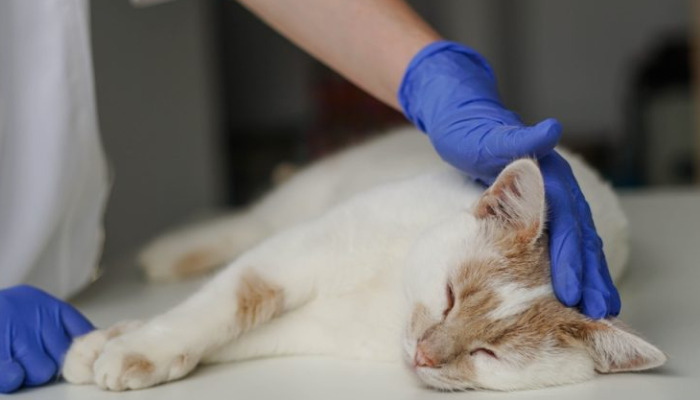
Regular veterinary checkups, vaccinations (as advised), and parasite control keep other infectious diseases in check. Unaddressed infections (e.g., feline leukemia virus, calicivirus, respiratory pathogens) further stress the immune system, increasing FIP vulnerability.
Quarantine Protocols
New arrivals should be quarantined for 2–4 weeks before mingling with residents, especially in shelters and catteries. This practice helps spot emerging illnesses, limits FCoV spread, and allows vaccine schedules to catch up.
Supplementation and Immune Modulation
Evidence-Based Supplements
Several supplements have demonstrated beneficial effects in laboratory and clinical settings:
Lysine: Once widely recommended for herpesvirus, but newer studies question its value for immunity against FIP.
Beta-glucans: Derived from yeast/mushrooms; stimulate innate immunity and have anti-inflammatory properties.
Omega-3 fatty acids: EPA/DHA from fish oils may enhance cell-mediated immunity.
Probiotics: As discussed above, support gut and total systemic immune health.
Consult your veterinarian before starting any supplement to ensure safety, correct dosing, and avoid interactions with existing medications.
Herbal Additions
With growing interest in alternative medicine, some cat owners consider herbs such as echinacea or astragalus. Current research on these in feline health is limited; consult with feline nutrition experts or board-certified veterinarians before use.
Early Detection and Monitoring
Recognizing Early Signs
FIP is notorious for vague early symptoms—fever, weight loss, lethargy, or mild respiratory signs. Routine monitoring for physical and behavioral changes, particularly in young or recently adopted cats, allows prompt intervention.
Regular Veterinary Screenings
Veterinarians may recommend baseline bloodwork or routine FCoV titers in multi-cat environments. While not diagnostic for FIP itself, these tests flag abnormalities in white cell count, protein levels, and organ function early.
The Role of Vaccination
At present, there is no universally approved or effective vaccine against FIP. The available intranasal vaccine (FIPV) is not recommended by most feline organizations due to inconsistent efficacy. Focus remains on preventing or controlling FCoV infection through hygiene and husbandry, and supporting overall immunity.
Key Points for Multi-Cat Households
1. Keep populations small and stable.
2. Provide individual litter boxes per cat plus one extra, and clean regularly.
3. Address stress with enrichment, privacy, and consistent routines.
4. Quarantine new arrivals and manage illnesses quickly.
5. Use quality food and ensure shared water bowls are cleaned daily.
6. Conduct periodic veterinary health checks, including screening for FCoV and other common feline viruses.
Actionable Prevention Checklist
Select kittens with known health histories and from breeders who screen for FIP.
Feed a balanced, species-appropriate diet, supplementing with probiotics if recommended.
Maintain outstanding household cleanliness, especially litter boxes and feeding areas.
Limit group sizes and stress, ensuring every cat has space and attention.
Quarantine newcomers and attend regular veterinary visits.
Observe changes in behavior, appetite, or energy and consult veterinary care.
Discuss immune support supplements with your vet, focusing on those with scientific backing.
References
Addie, D., et al. (2020). Feline infectious peritonitis (FIP) diagnostics, treatment, prevention, and epidemiology. Veterinary Journal, 263, 105580.
Pedersen, N. C. (2014). An update on feline infectious peritonitis: Virology and Immunopathogenesis. Veterinary Journal, 201, 123-132.
Sparkes, A. H., et al. (2023). ISFM Feline Coronavirus and FIP guidelines. Journal of Feline Medicine and Surgery, 25(2), 89–120.
Hartmann, K. (2022). Feline infectious peritonitis: Epidemiology, prevention, and diagnosis. Veterinary Clinics of North America: Small Animal Practice, 52(1), 1–21.
Smith, A., et al. (2021). Dietary and environmental risk factors for FIP in multicat households. Journal of Animal Science, 99(3), 1128–1137.
Ford, R. B., & Mazzaferro, E. M. (2018). Immunology and FIP infection: The role of nutrition and stress. Compendium: Continuing Education for Veterinarians, 40(3), E1-E6.
Tasker, S. (2018). Feline infectious peritonitis: Protecting against infection. Veterinary Record, 182(13), 367-369.
Perry, S., & Basso, A. (2020). Supplementation and feline immunity: Real-world efficacy. Feline Medicine Review, 52(2), 205-213.