Does FIP Cause Breathing Difficulties in Cats

Feline Infectious Peritonitis (FIP) is a devastating disease that affects cats worldwide. Caused by a mutated strain of the feline coronavirus, FIP is most prevalent among young cats and those living in crowded environments, such as shelters or catteries. The disease’s complex nature, multisystem involvement, and varied clinical signs have made it a challenging diagnosis and management problem for veterinarians and cat owners alike. Among the possible symptoms, respiratory distress—or breathing difficulty—often raises concern in affected cats. Understanding whether FIP causes breathing difficulties, how, and why these symptoms develop is crucial for recognizing, diagnosing, and managing this life-threatening condition.
What is FIP? - Overview of the Disease
FIP develops when a harmless feline enteric coronavirus (FECV), common among cats, undergoes genetic mutation. This mutated virus acquires the ability to infect macrophages, cells that are integral to the cat’s immune response. Once circulating in the bloodstream, the mutant virus causes widespread inflammation and immune-mediated damage throughout the cat's body.
FIP manifests in two primary clinical forms: the "wet" (effusive) and "dry" (non-effusive) forms.
Wet FIP: Characterized by fluid accumulation within body cavities, commonly the abdomen and chest.
Dry FIP: Marked by granulomatous lesions on organs, typically without significant fluid buildup.
Both forms can present with a variety of symptoms and can overlap in the same cat. However, the wet (effusive) form more readily produces visible external symptoms, which may include breathing challenges.
How FIP Affects the Cat’s Body: Pathophysiology
The mutated coronavirus triggers a complex immune reaction. The body’s immune system attempts to fight the infection, but the virus persists within macrophages, driving continued inflammation. As immune complexes build up, blood vessels become leaky, resulting in fluid (effusion) escape into surrounding tissues. In particular, this process affects the abdomen and chest—the latter can directly cause breathing difficulties.
The dry form involves inflammatory nodules (granulomas) in organs like the kidneys, liver, and even the central nervous system. While these can result in organ dysfunction, they less commonly impact respiration unless granulomas form in the lungs or related structures.
Why Do Cats With FIP Have Breathing Difficulties?
Breathing trouble or respiratory distress in cats with FIP is most often observed with the wet (effusive) form of the disease.
Effusion in the Chest (Pleural Effusion)
The most significant respiratory problem arises when fluid accumulates in the pleural cavity—the space surrounding the lungs. This pleural effusion can compress the lungs, restricting their normal expansion during inhalation. With reduced lung capacity, the cat struggles to get adequate oxygen, leading to rapid, shallow breathing and open-mouth breathing in advanced cases.
Signs of Pleural Effusion in Cats:
Increased respiratory rate (tachypnea)
Shallow breathing
Open-mouth breathing
Exercise intolerance
Blue-tinged gums, indicating lack of oxygen (cyanosis)
Pericardial Effusion
Similar to fluid in the chest cavity, FIP can cause secondary pericardial effusion—fluid around the heart. This may reduce heart pumping capacity, indirectly leading to fluids backing up into the lungs (pulmonary edema) and further impairing respiration.
Granuloma Formation in Lungs (Dry Form)
In the dry form, granulomas sometimes invade lung tissues, airways, or lymph nodes. When present in the lungs, these masses impede the normal exchange of oxygen and carbon dioxide. The result is similar to pleural effusion—labored breathing and decreased tolerance for activity.
Secondary Complications: Infections and Anemia
Cats with FIP are often immunosuppressed, increasing risk for secondary infections, including pneumonia. Additionally, anemia—commonly seen in FIP cats—can reduce the blood's ability to carry oxygen. Both complications add to respiratory symptoms, although they are not the primary mechanism, compared to effusion.
How Common Are Breathing Difficulties in FIP Cats?
Not every cat with FIP has breathing difficulties. The prevalence depends on the form of the disease:
Wet FIP: Pleural effusion is present in a significant subset of wet FIP cases. If effusion accumulates in the chest, breathing signs are prominent and may be the first thing an owner notices.
Dry FIP: Only a minority develop significant lung involvement, although mediastinal granulomas or lymph node enlargement can also press on airways.
Mixed Forms: Some cats have overlap between effusive and non-effusive features.
Veterinary surveys indicate that at least one-third of cats with wet FIP show some degree of respiratory compromise. In dry FIP, breathing difficulties are much less common.
Diagnosing FIP in Cats With Breathing Difficulties
Diagnosing FIP is infamously difficult due to the lack of a single, definitive test during a cat’s life. Diagnosis relies on a combination of:
Medical History: Young cats, those from shelters, or multi-cat households.
Clinical Signs: Persistent fever, weight loss, fluid accumulation, neurological signs.
Physical Exam: Detection of abdominal enlargement, muffled heart and lung sounds, rapid/struggling breathing.
Imaging: X-rays, ultrasound, or CT to visualize fluid in the chest or nodules in organs.
Fluid Analysis: Fluid aspirated from affected areas is usually straw-colored, viscous, high in protein, and low in cellularity.
Laboratory Tests: Monitoring for anemia, high globulin/protein levels, and more specific PCR for coronavirus genes.
In cats presenting with labored breathing and evidence of fluid around the lungs, FIP is a strong differential, particularly in the at-risk population.
Treatment Strategies for Breathing Problems in FIP Cats
Until recently, FIP was considered universally fatal. The primary approach for breathing difficulties was supportive care:
Draining Fluid
In severe cases of pleural or pericardial effusion, thoracocentesis (needle aspiration of fluid from the chest) is performed. This can dramatically improve breathing, but fluid recurs unless the underlying disease is controlled.
Oxygen Therapy
Cats with oxygen deprivation benefit from supplemental oxygen, either administered by mask or in an oxygen cage at a veterinary hospital.
Anti-inflammatory Therapy
Steroids, such as prednisolone, were historically used to reduce immune-mediated inflammation. Their benefits are limited in terms of survival but could temporarily alleviate some symptoms.
Novel Antiviral Treatments
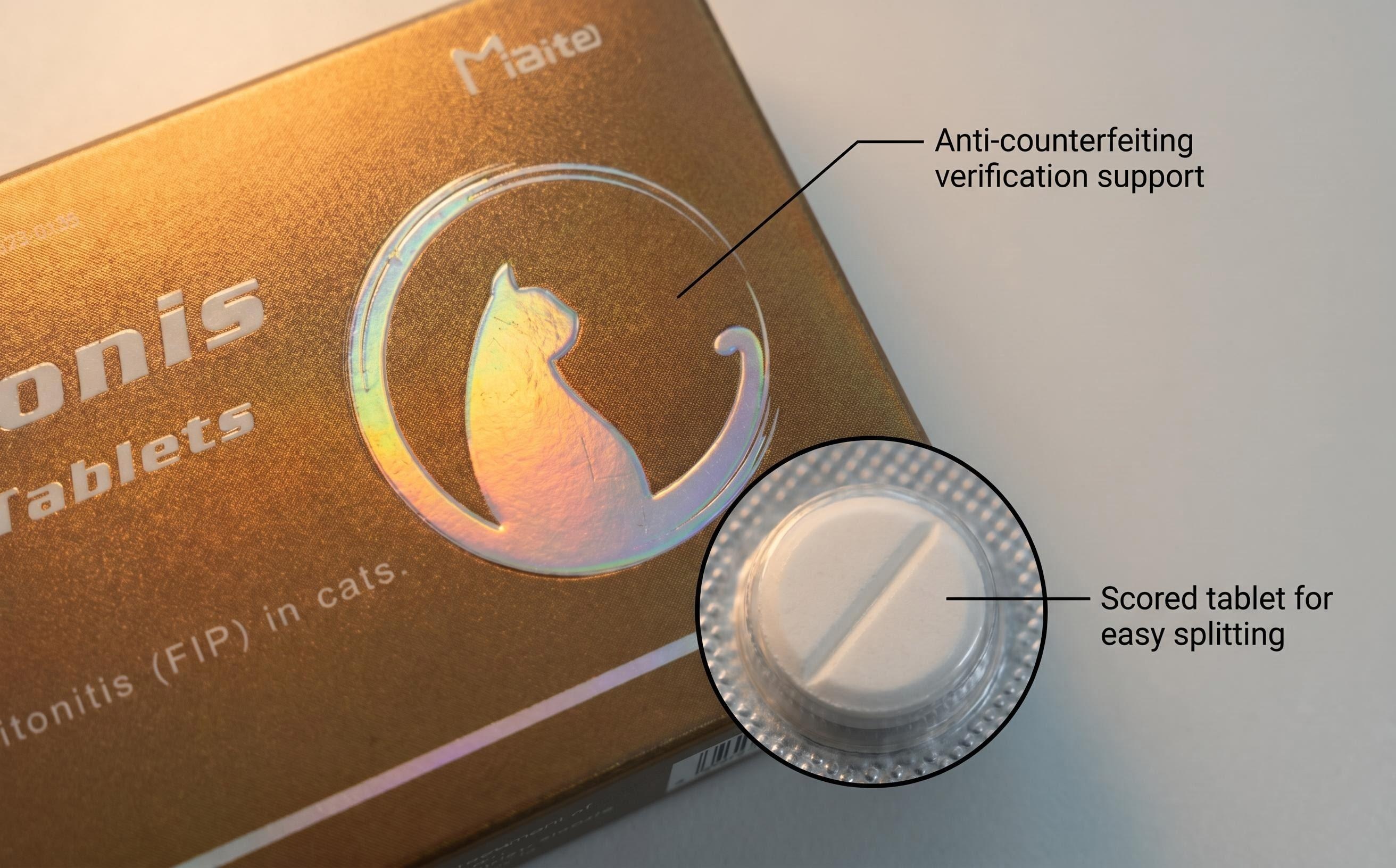
A significant breakthrough occurred in the 2010s with the identification of antivirals that inhibit viral replication. Drugs such as GS-441524, an adenosine nucleoside analog, showed remarkable success in treating FIP, including the effusive form. This improved both general survival and resolution of breathing symptoms in treated cats. However, access to these drugs is still regulated, varied by country and region.
Symptomatic management, including pain relief, nutritional support, and treatment of any underlying infections, is also important.
Prognosis of Breathing Difficulty in FIP
Breathing difficulty is a late sign of the wet form of FIP and usually portends a poor prognosis if left untreated. Cats with untreated pleural effusion deteriorate rapidly. With prompt intervention and antiviral therapy, increasing numbers of cats have survived FIP, including cases with respiratory compromise.
Distinguishing FIP’s Breathing Problems from Other Causes
Not all cases of respiratory distress in cats are FIP. Other diseases must be ruled out, including:
Congestive Heart Failure: Fluid can accumulate from heart disease.
Pneumonia or Pyothorax: Infectious causes may mimic FIP effusion.
Cancer: Tumors may obstruct airways or produce effusions.
Asthma: Allergic airway disease causes labored breathing, usually without effusion.
Veterinarians rely on a combination of imaging, blood work, and fluid analysis to distinguish FIP from these conditions.
What Does This Mean for Cat Owners?
Recognizing rapid or struggling breathing in your cat is an emergency regardless of the cause. If your cat is young, comes from a shelter, or lives in a multi-cat household—especially with a history of vague illness, fever, or weight loss—seek veterinary care immediately.
Early identification and intervention are critical. The emergence of effective antivirals is changing what was once a universally grim outlook for FIP, but the disease remains serious, especially when the chest is involved.
Understanding that FIP can cause breathing difficulties helps increase awareness among cat owners, rescue groups, and veterinarians. Ongoing research is bringing hope to this historically challenging diagnosis, but vigilance and rapid medical assessment remain mandatory for any cat with respiratory signs.
References
1. Pedersen, N.C. (2009). "A review of feline infectious peritonitis virus infection: 1963–2008." Journal of Feline Medicine and Surgery, 11(4), 225-258.
2. Dempsey, S.M. & Ewing, P.J. (2011). "Feline infectious peritonitis: diagnostic dilemmas and therapeutic options." Veterinary Medicine: Research and Reports, 2, 29-43.
3. Addie, D.D., et al. (2009). "Feline coronavirus pathogenesis and the potential for antiviral therapy." Veterinary Microbiology, 136(3-4), 205-213.
4. Murphy, B.G., et al. (2018). "Efficacy of oral administration of GS-441524 for treatment of cats with naturally occurring feline infectious peritonitis." Journal of Feline Medicine and Surgery, 22(11), 912-918.
5. Hartmann, K. (2005). "Feline infectious peritonitis." Veterinary Clinics: Small Animal Practice, 35(1), 39-79.
6. Felten, S. & Hartmann, K. (2019). "Diagnosis of feline infectious peritonitis: a review of current literature." Viruses, 11(11), 1068.
7. Kipar, A. & Meli, M.L. (2014). "Feline infectious peritonitis: still an enigma?" Veterinary Pathology, 51(2), 505-526.
8. Fishman, Z. et al. (2021). "Pleural effusion in cats: diagnostic approach and outcomes." Journal of Veterinary Internal Medicine, 35, 1206-1213.
9. Tsai, H. et al. (2011). "Serological and molecular detection of feline coronavirus in naturally infected cats." Journal of Microbiology, Immunology, and Infection, 44(4), 298-304.