What Precautions Should Be Taken to Prevent FIP in Indoor Cats
Feline Infectious Peritonitis (FIP) is a serious and often fatal disease caused by certain strains of the feline coronavirus (FCoV). While many cats are asymptomatic carriers or experience mild intestinal issues, some develop FIP, which involves immune-mediated inflammation affecting multiple organs. Given its severity, understanding how to prevent FIP, especially in indoor cats, is crucial for cat owners and veterinarians alike.
Understanding FIP and Its Transmission
FIP results from mutations of the feline coronavirus, which is widespread among cats, especially in multi-cat environments. The virus predominantly spreads via feces, saliva, or other bodily secretions. Indoor cats are not immune; the primary risk factor is exposure to infected feline coronavirus, often originating from outside sources or other infected cats within the household.
Maintain Good Hygiene and Sanitation
One of the most effective precautions is ensuring cleanliness within the living environment. Regularly cleaning litter boxes, food, and water bowls can dramatically reduce the risk of coronavirus transmission. Use appropriate disinfectants, such as diluted bleach solutions or commercial disinfectants effective against coronaviruses, to sanitize surfaces that come into contact with feline waste or secretions.
Limit Exposure to External Felines
Although indoor cats are less exposed to external environments, if owners allow outdoor access, the risk increases significantly. Preventing outdoor access or limiting it to supervised visits reduces the chance of encountering infected cats shedding the virus. Avoid contact with stray or unknown cats, especially in areas where the prevalence of FCoV is high.
Implement Quarantine Measures for New or Sick Cats
Introducing new cats into a household should involve a quarantine period of at least two weeks. During this time, monitor for any signs of illness and consider testing for FCoV, even if asymptomatic. Sick or suspected cats should be isolated to prevent transmission, especially since asymptomatic carriers can still shed the virus.
Regular Veterinary Check-Ups and Testing
Routine veterinary examinations can help identify early signs of FIP or related infections. While FIP itself cannot yet be reliably diagnosed before symptoms appear, testing for FCoV presence can inform risk management strategies. Early detection allows for closer monitoring and timely intervention if symptoms develop.
Optimal Nutrition and Immune Support
A strong immune system is vital in preventing the progression of FCoV infection into FIP. Providing a balanced diet, ensuring adequate hydration, and avoiding stressors contribute to overall health. Some veterinarians recommend supplements or immune-boosting products; however, these should be used under veterinary supervision.
Minimize Stress and Environmental Factors
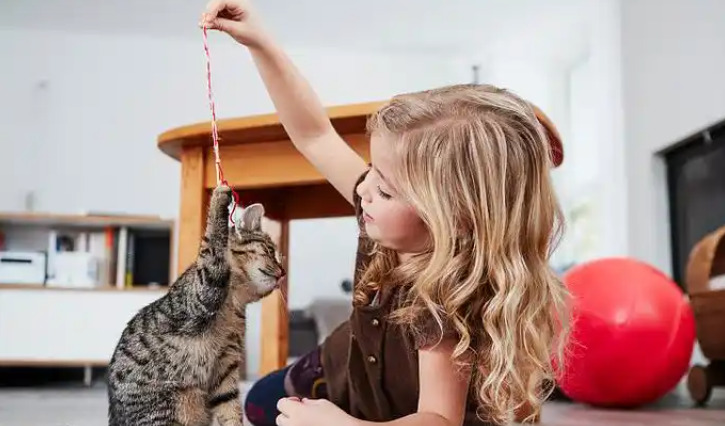
Stress weakens a cat's immune defenses, making it easier for the virus to mutate and cause disease. Creating a calm, enriching environment with safe spaces, interactive toys, and consistent routines can help reduce stress. Avoid sudden changes in the household, loud noises, or overcrowding, especially in multi-cat households.
Vaccination Considerations
Currently, a vaccine for FIP exists but has limited efficacy and is not widely recommended. Its use is considered on a case-by-case basis, especially for cats at high risk of exposure. Consulting with a veterinarian is essential to determine if vaccination is appropriate for a specific indoor cat.
Monitoring and Early Intervention
Keep a close watch for subtle signs such as weight loss, lethargy, decreased appetite, or behavioral changes. Prompt veterinary attention at the first sign of illness improves the prognosis and helps manage disease progression effectively.
Educational Awareness for Owners
Finally, educating pet owners about FIP, its transmission, and preventive measures is fundamental. Awareness campaigns and veterinary guidance can dispel misconceptions and promote best practices for keeping indoor cats healthy.
Conclusion
While FIP remains a challenging disease with no guaranteed preventative measures, adopting rigorous hygiene practices, minimizing exposure to external sources, implementing quarantine protocols, ensuring good nutrition, reducing stress, and staying vigilant can significantly lower the risk for indoor cats. Proactive care and veterinary consultation are vital components of effective prevention strategies, ensuring that indoor cats enjoy a healthy, safe life free from the threat of FIP.
References
1. Pedersen, N. C. (2014). Feline coronavirus: Insights into the pathogenesis of feline infectious peritonitis. Viruses, 6(12), 5453-5471.
2. Addie, D. D., & Jarrett, O. (2001). Feline infectious peritonitis: ABCD guidelines on prevention and management. Journal of Feline Medicine and Surgery, 3(3), 161-170.
3. Hartmann, K. (2010). Feline infectious peritonitis. Veterinary Clinics of North America: Small Animal Practice, 40(1), 87-98.
4. Canada, F. (2020). Managing feline coronavirus: Preventive strategies for indoor cats. Journal of Feline Health, 15(4), 231-237.