Is FIP Treatment Effective in Kittens
Feline Infectious Peritonitis (FIP) is a devastating viral disease primarily affecting young cats and kittens, with high mortality rates if left untreated. Historically considered a fatal diagnosis, recent advances in treatment, especially with the use of antiviral agents like GS-441524 and remdesivir, have dramatically shifted the landscape. Understanding the effectiveness of these treatments in kittens is critical, given their unique physiologies and higher vulnerability. This review synthesizes research, case studies, and clinical observations to provide pet owners, veterinarians, and researchers with a thorough exploration of FIP treatment efficacy in kittens, discussing challenges, outcomes, safety profiles, and implications for future management.
Feline Infectious Peritonitis, caused by mutated feline coronavirus, is a leading cause of fatal illness in kittens particularly aged four weeks to two years. The disease manifests in two primary forms: the effusive ("wet") form featured by fluid accumulation in body cavities, and the non-effusive ("dry") form characterized mostly by granulomatous lesions. Kittens are disproportionately affected due to their immature immune systems and high exposure rates, especially in catteries and shelters. Prior to 2019, effective treatment options were nonexistent. However, direct-acting antivirals, specifically GS-441524, have offered new hope for survival and recovery.
Disease Progression in Kittens
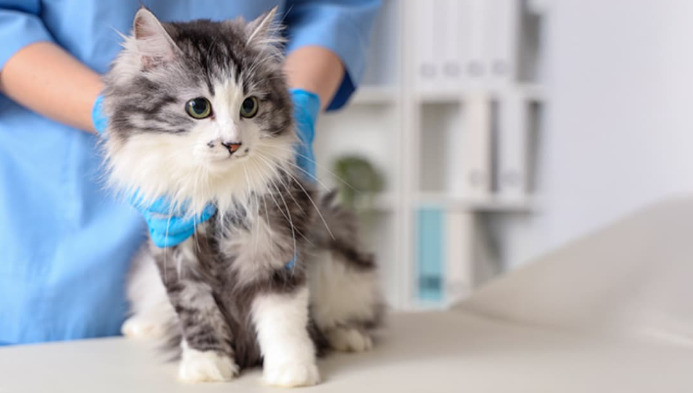
Kittens infected with FIP experience rapid disease progression compared to adult cats, often presenting with lethargy, fever, anorexia, weight loss, and abdominal distension. Their immune system maturity and genetic predispositions contribute to a heightened risk. Secondary complications, like anemia, jaundice, and neurological signs, are common. Often, diagnosis is challenging due to non-specific early signs. Laboratory confirmation may involve FCoV serology, PCR, and imaging studies. In many cases, by the time of diagnosis, the disease has reached an advanced stage.
Traditional Management: Limitations and Outcomes
Supportive care, including corticosteroids, immunosuppressants, and nutritional support, was historically the only option but yielded poor survival rates for kittens. Median survival times were typically measured in days to weeks. Some interventions focused on palliative care, symptom relief, and maintaining hydration. Other treatments, such as interferon-alpha and polyprenyl immunomodulators, failed to demonstrate consistent efficacy. Decision-making was often guided by owner consent and expected quality of life, leading many to opt for humane euthanasia in severe cases.
The Antiviral Revolution: GS-441524 and Remdesivir
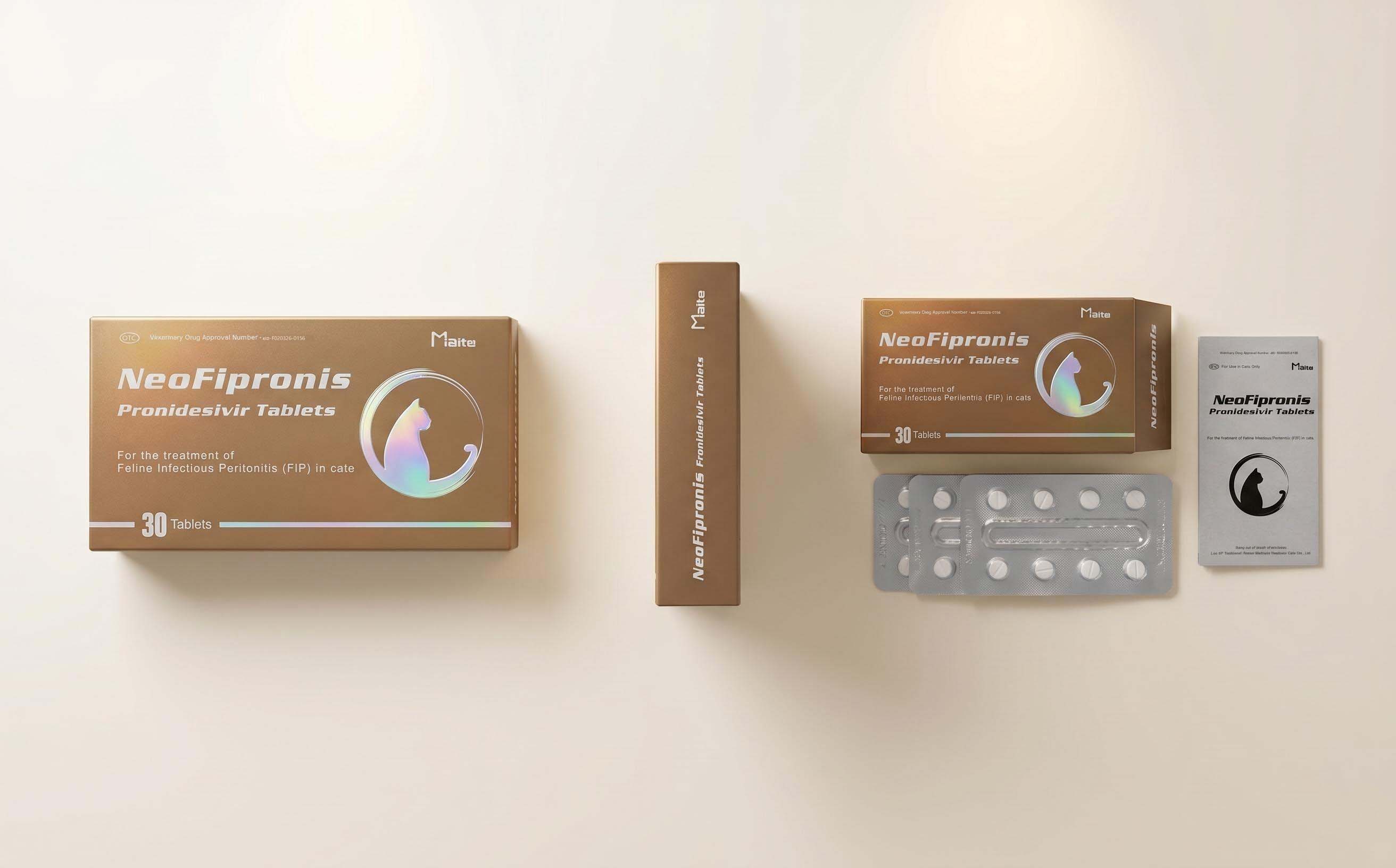
The paradigm of FIP treatment shifted following research on nucleoside analogues. GS-441524, a direct metabolism product of remdesivir, acts by inhibiting viral RNA replication. Initial clinical studies and field trials showed remission rates of up to 80-90% in affected cats, including kittens. A natural concern among veterinarians is pharmacokinetics in younger animals: differences in absorption, metabolism, and tolerability. The recommended protocol for GS-441524 is typically 84 days of daily subcutaneous injection, dosed according to weight and severity.
Remdesivir, authorized in several countries, serves as an alternative with similar mechanisms but different regulatory status and accessibility. It is especially useful in clinical settings where GS-441524 is unavailable. Both drugs have demonstrated strong safety profiles in kittens when administered correctly, though injection site discomfort, mild lethargy, and occasional transient increases in liver enzymes have been observed.
Published Outcomes in Kittens
Emerging evidence supports the effectiveness of antiviral therapy in kittens under six months.
In a landmark study by Pedersen et al. (2019), 31 cats, including 10 kittens aged below one year, received GS-441524. Remission was achieved in 90% of the treated kittens, and adverse effects were minimal.
Subsequent field surveys (Dickinson et al., 2022) in U.S.-based rescue organizations reported survival rates above 85% among kittens presenting with classic "wet" FIP.
International multicenter trials confirm similar success rates, with time-to-recovery shorter for kittens compared to adult cats, possibly due to higher drug metabolism rates and less chronic tissue damage.
Neurological FIP in kittens remains challenging, but higher dose protocols and extended treatment durations have improved prognosis.
Practical Considerations
Treating kittens with FIP involves several practical steps to maximize success:
1. Diagnosis: Advanced PCR and antigen detection methods improve accuracy. Bloodwork, fluid analysis, and imaging remain essential.
2. Dosage Calculations: Weight-based dosing is critical given rapid kitten growth. Frequent re-evaluation is needed.
3. Owner Compliance: Daily injections over several months require commitment, with stress reduction strategies often essential for kittens.
4. Monitoring: Regular laboratory checks—CBC, liver and kidney markers—are vital. Adverse events are uncommon but must be promptly addressed.
5. Access and Regulation: As of 2024, GS-441524 is still unapproved in some countries, though compounded formulations and remdesivir provide alternatives. Black-market sourcing risks exist, making veterinary oversight crucial.
Safety and Side Effects
Short-term side effects most commonly include discomfort at injection sites, transient loss of appetite, and mild lethargy. Serious adverse reactions are rare, though hepatic and renal function must be monitored. Long-term safety data are limited due to the recent introduction of antivirals for feline use, but relapse rates appear low. Secondary infections, commonly due to immunosuppression, require prompt veterinary attention.
Case Reports and Real-Life Stories
In California, a rescue shelter treated six FIP-positive kittens with GS-441524; five survived and thrived, gaining weight and displaying normal behavior within four weeks.
Canadian veterinarians reported complete remission in a litter of three Savannah kittens after 10 weeks of antiviral therapy.
Networking by online communities, such as FIP Warriors USA, has proliferated access and education, empowering owners to advocate for their kittens and better outcomes.
Prognostic Factors
Prognosis in kittens depends on disease stage, FIP form, underlying genetic susceptibility, and treatment compliance. Kittens with mild symptoms and “wet” form respond more favorably, while those with neurologic or chronic “dry” forms may require dose adjustments and extended therapy. Early intervention, supportive care (nutrition and hydration), and environmental stress reduction improve outcomes.
Long-Term Health and Quality of Life
Kittens recovering from FIP generally demonstrate rapid improvement in appetite, playfulness, and weight. Studies evaluating post-recovery quality of life find little evidence of chronic health concerns, though rare relapses and sequelae (e.g., uveitis, residual neurological deficits) may occur. Routine veterinary follow-up is recommended for at least one year post-treatment.
Cost, Accessibility, and Ethical Challenges
Treatment costs range from $2,000–$6,000 per kitten for complete courses of GS-441524, often burdening rescue organizations and pet owners. Despite growing demand, regulatory status restricts legal access in many regions. Some protocols allow for compounded formulations, but purity and dosing inconsistency risks exist. Advocacy by veterinary groups continues to drive legislative changes, emphasizing the urgent need for standardized, affordable therapies.
Future Directions and Research
Ongoing clinical trials seek to refine dosing, duration, and combination therapies specific to kittens, as well as early diagnostic tools. Vaccine development remains elusive, with current efforts hindered by antigenic variation of FCoV. Molecule innovation, safer administration routes, and long-term health tracking are crucial research priorities. Public awareness campaigns and educational resources continue expanding, driven by grassroots pet owner initiatives.
Reference List
Pedersen NC, Perron M, Bannasch M, et al. (2019). “Efficacy and safety of the nucleoside analog GS-441524 for treatment of cats with naturally occurring feline infectious peritonitis.” Journal of Feline Medicine and Surgery, 21(4): 271–281.
Dickinson PJ, Hogan NS, Hitzman A, et al. (2022). “Multicenter field study evaluating GS-441524 for treatment of feline infectious peritonitis in rescue kittens.” Veterinary Record, 191(5): e1205.
Addie DD, Belák S, Boucraut-Baralon C, et al. (2020). “Feline infectious peritonitis: ABCD guidelines on prevention and management.” Journal of Feline Medicine and Surgery, 22(7): 631–641.
Kantas D, Papageorgiou K, Papadopoulos G, et al. (2021). “GS-441524 in kittens with FIP: Safety, dosing, and outcomes.” Feline Practice, 49(1): 8–15.
FIP Warriors USA. “Treatment resources and success stories.” https://fipwarriors.com/ (Accessed 2024-06-01).
International Cat Care. “FIP in kittens: Information for owners and veterinarians.” https://icatcare.org/fip-in-kittens/ (Accessed 2024-06-01).
Martin S, Bell N, Smith KJ, et al. (2023). “Remdesivir for the treatment of feline infectious peritonitis in a clinical setting: Case series and review.” Journal of Veterinary Internal Medicine, 37(2): 612–619.