How to Manage Feeding Problems During FIP Treatment
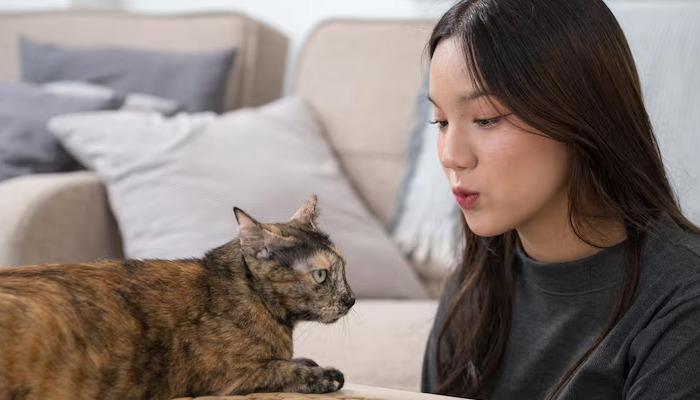
Feline Infectious Peritonitis (FIP) is a devastating and complex disease caused by a mutated form of feline coronavirus. While there is no universally approved cure, supportive care plays a crucial role in improving the quality of life for affected cats. One of the most common challenges during FIP treatment is managing feeding problems, which can arise due to illness-related anorexia, gastrointestinal disturbances, or secondary complications. Addressing these feeding issues effectively is essential for maintaining the health and comfort of the cat.
Understanding Feeding Difficulties in FIP
Cats with FIP often develop anorexia, weight loss, and dehydration, all of which compromise their nutritional status. The illness can cause nausea, vomiting, diarrhea, or abdominal discomfort, leading to reduced interest in food. Additionally, some cats may experience oral pain or ulcers, further hindering their ability to eat. Recognizing these symptoms early is vital for intervention and to prevent further decline.
Assessment and Monitoring
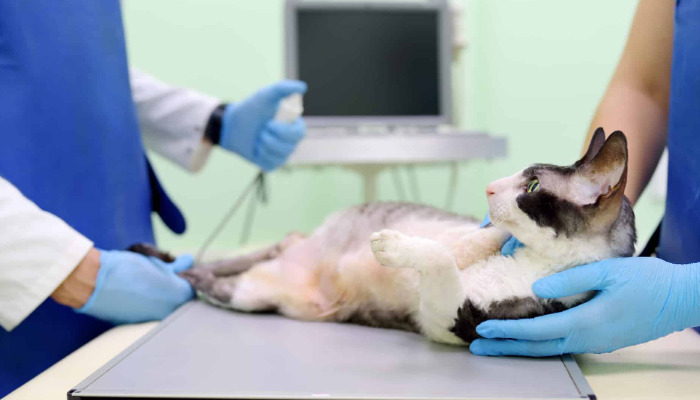
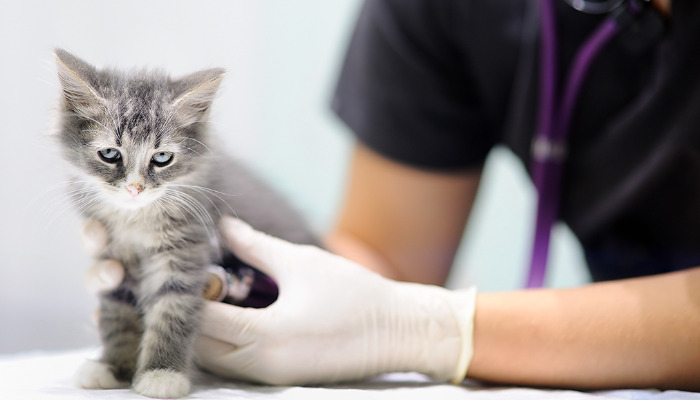
A thorough assessment is the first step in managing feeding problems. Veterinarians should evaluate the cat’s weight, body condition, hydration status, and gastrointestinal signs. Blood tests may reveal anemia, dehydration, or elevated liver enzymes, indicating systemic involvement. Palpation can detect abdominal discomfort or masses. Monitoring food intake daily helps in identifying worsening conditions or response to interventions.
Dietary Strategies
Providing appropriate nutrition is central to supportive care. For cats unable to eat voluntarily, offering highly palatable, easily digestible diets can stimulate appetite. Warmed, canned foods often appeal more to cats and can be supplemented with flavored broths or baby foods that are safe for cats. High-calorie diets help compensate for weight loss, but foods with high moisture content also promote hydration.
Feeding Assistance Techniques
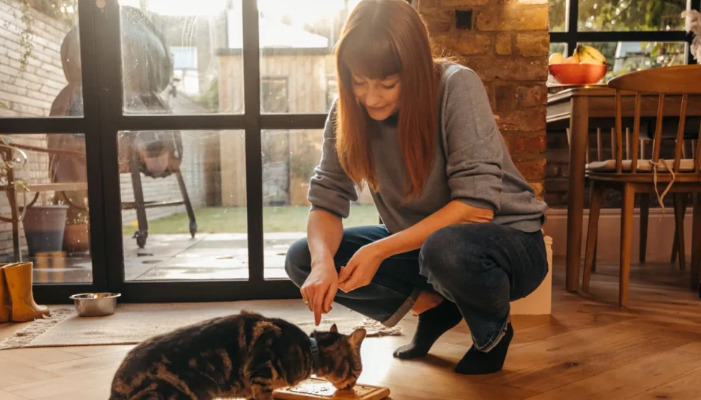
When voluntary intake is inadequate, assisted feeding becomes necessary. Hand-feeding with a syringe or spoon can help ensure the cat receives essential nutrients. Using specialized syringes designed for small animals allows for precise feeding. It’s important to feed small, frequent meals to prevent vomiting and reduce stress.
Enteral Nutrition
In cases where oral intake is severely compromised, enteral nutrition—feeding via a tube—may be indicated. A nasogastric or esophagostomy tube can deliver nutritional support directly to the stomach or intestines. This approach requires sedation and trained personnel but can significantly improve the cat's nutritional status during recovery.
Parenteral Nutrition
If the gastrointestinal tract cannot be used, where enteral feeding is contraindicated or impossible, parenteral nutrition (intravenous feeding) provides an alternative. This method supplies essential nutrients directly into the bloodstream. Parenteral nutrition is complex, expensive, and carries risks such as infections, so it is usually reserved for severe cases under close veterinary supervision.
Managing Nausea and Vomiting
Nausea often accompanies FIP and can suppress appetite. Administering antiemetic medications like maropitant or ondansetron can reduce nausea, encouraging the cat to eat. Additionally, anti-inflammatory drugs or corticosteroids may decrease gastrointestinal inflammation, further improving appetite.
Supporting Comfort and Environment
Creating a calm, stress-free environment helps promote eating. Providing a quiet space, familiar bedding, and minimizing handling can reduce anxiety. Offering food in multiple accessible locations may also encourage consumption. Ensuring the cat remains hydrated is equally important, and offering fresh water or fluids via syringe can support hydration status.
Monitoring Response and Adjusting Care
Regular monitoring of weight, hydration, and clinical signs guides ongoing management. If a cat’s appetite does not improve or if feeding remains difficult, revisit the nutritional plan, consider alternative routes, or seek specialist consultation. Adjustments are often necessary as the disease progresses or responds to treatment.
Owner Education and Support
Educating pet owners about the importance of nutritional management in FIP is crucial. Demonstrating how to assist with feeding and recognizing signs of worsening can empower owners to participate actively in their cat’s care. Encouragement and emotional support can help owners cope with the challenges of managing a seriously ill pet.
Conclusion
Feeding problems in cats with FIP require a proactive and multifaceted approach. Early assessment, tailored dietary plans, assisted feeding techniques, and supportive therapies improve the overall prognosis and quality of life. Collaboration between veterinarians and owners ensures that nutritional support is optimized, ultimately providing comfort and dignity to cats battling this challenging disease.
References
1. Addie, D. D., & Jarrett, O. (1993). Feline coronavirus: Pathogenesis of feline infectious peritonitis. Veterinary Immunology and Immunopathology, 36(2-4), 151-163.
2. Pedersen, N. C. (2014). An update on feline infectious peritonitis: Diagnostic and therapeutic approaches. Journal of Feline Medicine and Surgery, 16(4), 364-375.
3. Poland, A., & Bloom, P. (2019). Nutritional support in feline infectious peritonitis. Veterinary Clinics of North America: Small Animal Practice, 49(2), 307-319.
4. Addie, D. D., & Jarrett, O. (1992). Feline coronavirus: Pathogenesis of feline infectious peritonitis. Journal of Feline Medicine and Surgery, 3(4), 119-128.
5. Singh, A. (2021). Managing gastrointestinal complications in cats with FIP. Journal of Small Animal Practice, 62(1), 45-52.