Why Does FIP Treatment Sometimes Fail
Feline Infectious Peritonitis (FIP) has long haunted both veterinarians and cat owners, being one of the most devastating viral diseases known to affect domestic and wild cats. The breakthroughs in antiviral therapies, especially nucleoside analogs such as GS-441524, have brought hope to FIP-infected cats. Yet, despite these advances, treatment failure—sometimes abrupt, sometimes gradual—remains an unfortunate reality. Understanding why FIP treatment sometimes fails is crucial for improving outcomes, guiding future research, and managing expectations. This thorough exploration covers the many factors influencing the success or failure of FIP therapy in cats.
What Is FIP? The Basics of a Deadly Cat Virus
FIP is caused by a mutated form of feline coronavirus (FCoV). Most cats infected with FCoV show no symptoms, but in rare cases, the virus mutates inside the host and gains the ability to infect immune cells. This leads to systemic spread, profound inflammation, and the distinctive "wet" or "dry" forms of FIP. The disease was once completely fatal, but since 2019, antivirals have changed that landscape.
The Promise and Pitfalls of Antiviral Therapy
The greatest leap in FIP treatment has come from drugs like GS-441524 and remdesivir, nucleoside analogs that inhibit coronavirus replication. While reported success rates can be over 80% with proper diagnosis and compliance, a non-negligible proportion of cats fail to recover, and some relapse even after apparent remission.
Factors Leading to FIP Treatment Failure
Late Stage Diagnosis
FIP is notorious for its vague and non-specific early symptoms—fever, lethargy, poor appetite, weight loss. Because of this, many cats are not diagnosed until the disease is advanced, with severe organ damage, significant neurological signs, or widespread effusion. The efficacy of antiviral therapy correlates strongly with how early it is initiated; extensive organ failure or neurologic involvement may be irreversible, even if viral replication is stopped.
Viral Resistance and Mutant Strains
Like other rapidly mutating RNA viruses, FCoV can adapt to selective pressures, especially under incomplete or inconsistent antiviral exposure. Cases have been documented where FIP-associated viruses develop mutations in their polymerase or other viral proteins, rendering drugs like GS-441524 less effective. This resistance can cause clinical relapse or total treatment failure, particularly in settings where counterfeit drugs, erratic dosing, or improper duration of therapy allow suboptimal suppression.
Insufficient Dosing, Interrupted Treatment, or Poor Drug Bioavailability
Successful FIP therapy requires precise dosing calculated according to the cat’s weight and disease severity. Underdosing, missed doses, or early discontinuation often permit viral replication to resume, resulting in a return of symptoms. Additionally, some cats may have impaired drug absorption—due to gut pathology, concurrent illness, or compounded medications of inferior quality.
Counterfeit or Substandard Drugs
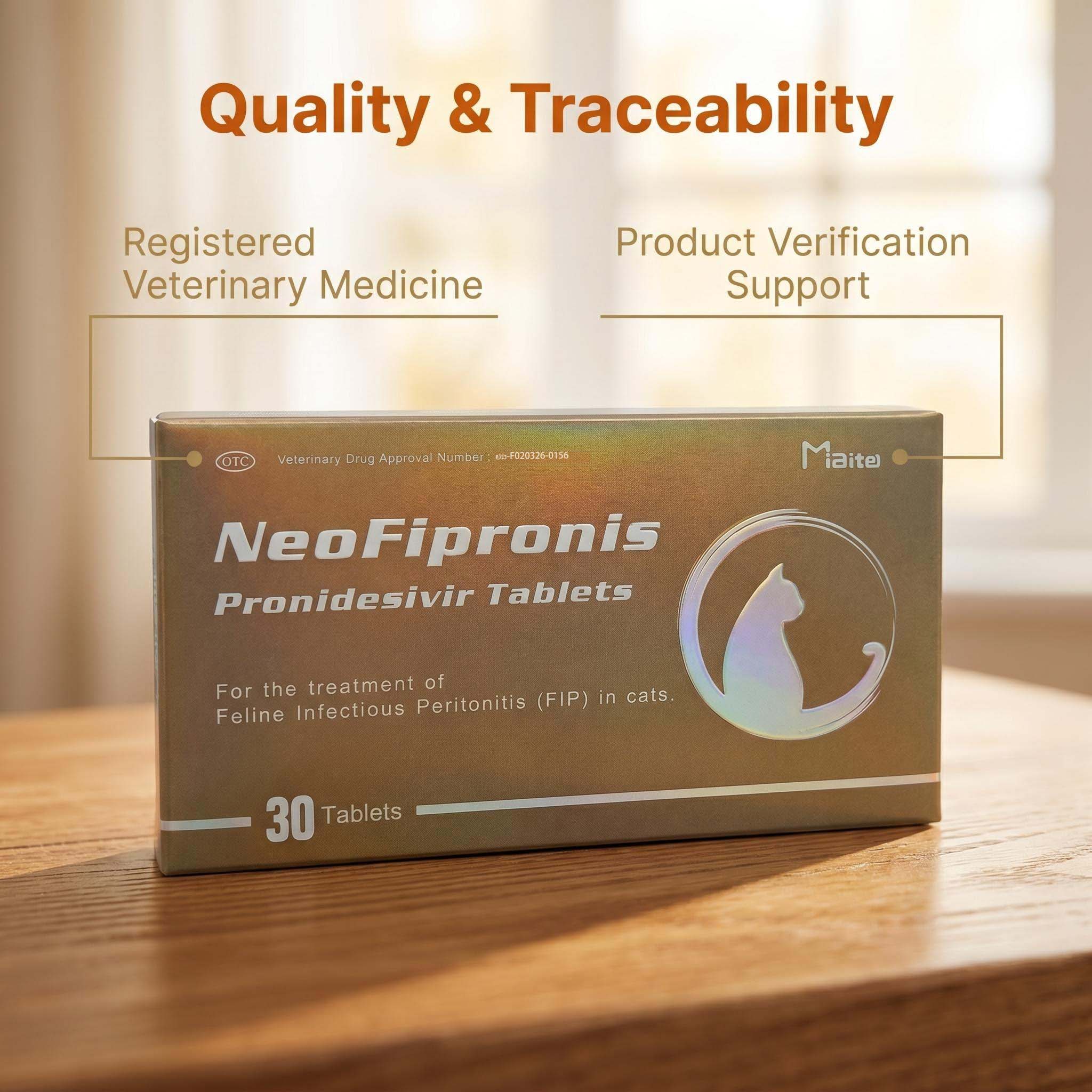
GS-441524 is not commercially licensed for veterinary use in most countries, driving desperate owners to unregulated international sources. Counterfeit, underdosed, or degraded preparations are common, especially in regions lacking oversight. Several treatment failures have been traced directly to fake products, which contain little or no active ingredient.
Underlying Immune Dysfunction
Immune suppression plays a central role in the pathogenesis of FIP. Some cats may have concurrent immunodeficiency—either inherited, due to other infections (such as feline leukemia virus), or as a consequence of prolonged corticosteroid therapy. In such cats, even successful suppression of viral replication may not restore immune competence, and secondary infections or poor healing may persist.
Neurological and Ocular FIP: Higher Hurdles
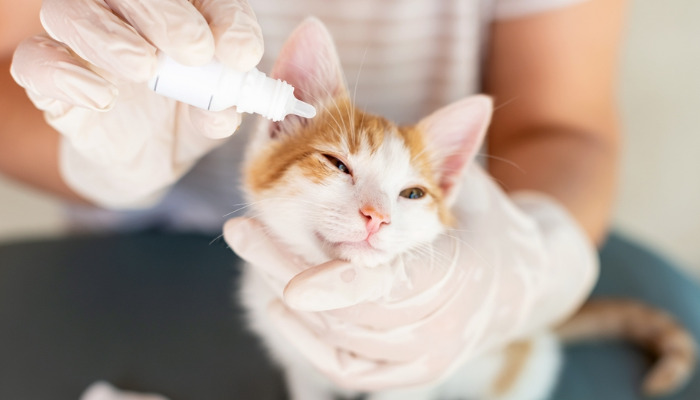
FIP with neurological signs (such as seizures, tremors, or paralysis) or ocular involvement (retinal inflammation, blindness) is notoriously difficult to treat. The blood-brain and blood-ocular barriers restrict drug penetration. Higher doses of antivirals are needed, and some fail even with aggressive therapy—partly because advanced inflammation has caused irreversible damage before therapy is started.
Adverse Drug Reactions
While nucleoside analogs are generally well-tolerated, some cats develop liver or kidney toxicity, bone marrow suppression, or hypersensitivity. Dosage adjustments or discontinuation may be necessary, leading to incomplete viral suppression and treatment failure.
Incomplete Supportive Care
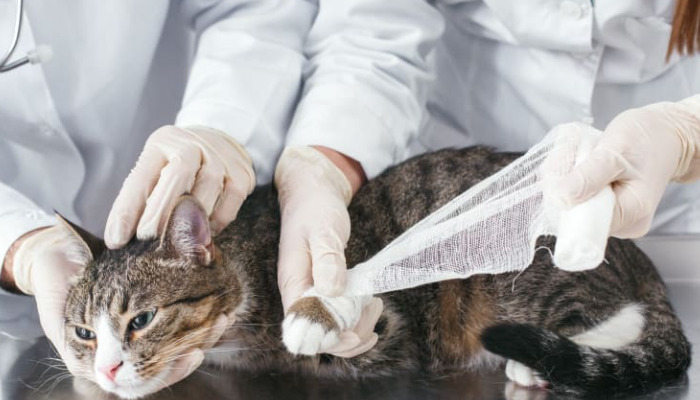
FIP is not solely a viral disease; it triggers severe inflammatory cascades, effusions, anemia, and organ dysfunction. Successful treatment often requires more than antivirals: nutritional support, fluid therapy, blood transfusions, corticosteroids, and management of secondary infections. In some cases, the lack of supportive care leads to failure, even if the antiviral used is potent.
Genetic and Environmental Risk Factors
Certain breeds (such as Bengals, Abyssinians, and certain lines of domestic shorthairs) appear more susceptible to FIP, possibly due to genetic variability in immune response genes. Crowded, high-stress, or multi-cat environments increase the risk of reinfection, poor hygiene, and contact with virus carriers—all of which can undermine successful therapy.
Owner Compliance and Financial Constraints
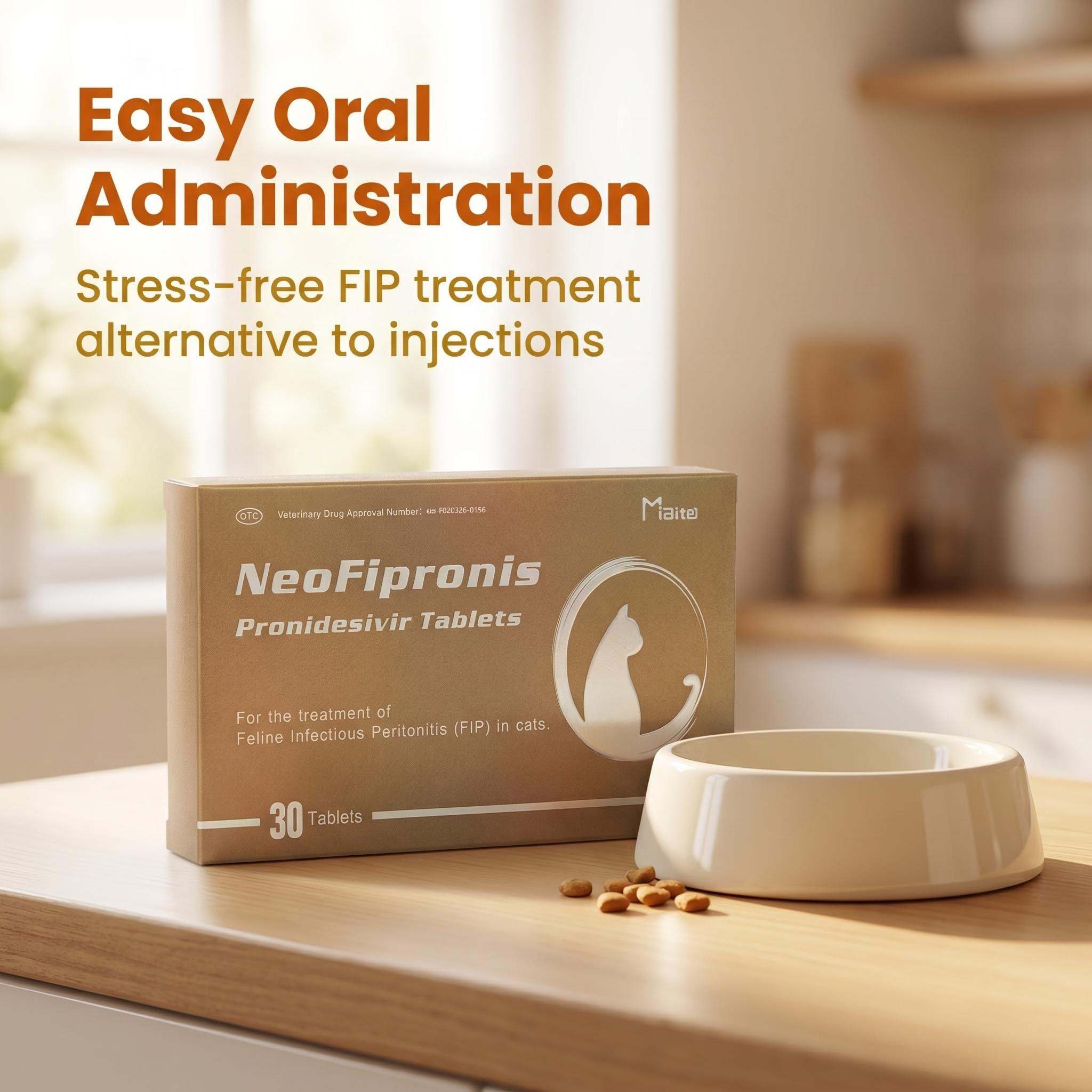
Antiviral therapy for FIP often requires weeks to months of daily injections or tablets, cost hundreds or thousands of dollars, and entails regular veterinary assessment. Some owners cannot sustain this regimen due to financial limits, work schedules, or emotional distress, resulting in missed doses or early abandonment of therapy.
Misdiagnosis
FIP shares clinical and laboratory features with other feline diseases, including lymphoma, bacterial infections, and other viral illnesses. Misdiagnosis leads to inappropriate therapy. Some cases labeled “treatment failure” may actually be instances where FIP was never present, but a different disease posed similar symptoms.
Real-World Stories: Treatment Failure in FIP Cases
Many veterinarians have recounted contrasting patient outcomes, illustrating the role of timing, drug quality, and individual variation. One case involved a young Bengal cat diagnosed with wet FIP, started antiviral therapy late, after months of effusive abdominal disease; despite some initial improvement, the cat relapsed with neurological signs and died despite dosage escalation. Another story involved a community stray with suspicious dry FIP, treated with a poorly-labeled antiviral; minimal improvement led to euthanasia, and subsequent investigation found the medication to be counterfeit.
Strategies to Minimize FIP Treatment Failure
Early recognition and prompt therapy are paramount; regular veterinary checkups in at-risk populations, awareness of FIP’s vague symptoms, and judicious use of confirmatory diagnostic tests are crucial. Owners must strive to obtain medication only from reputable sources, follow prescribed dosing regimens, and partner with veterinarians for ongoing care. For neurologic and ocular FIP, referral to specialists and, where possible, access to higher doses or alternative formulations (such as intravenous administration) may improve outcomes. Supportive measures—nutrition, hydration, management of complications—remain as vital as antiviral therapy.
The Future: Research Toward Reliable Cures
Scientists continue to explore new antiviral compounds, combination therapies, and even vaccine candidates. Improved understanding of feline immune responses, identification of new drug targets, and commercialization of approved and regulated products will likely decrease the risk of treatment failure. Until then, the multifaceted approach outlined above remains vital.
References
1. Pedersen, N.C. (2019). "Antiviral therapy for feline infectious peritonitis (FIP): The road ahead." Veterinary Journal, 240, 1–3.
2. Addie, D.D., & Paltrinieri, S. (2022). "Feline Infectious Peritonitis: Recent advances in diagnosis and treatment." Journal of Feline Medicine and Surgery, 24(8), 843–856.
3. Murphy, B.G., Perron, M., Murakami, E., Bauer, K., et al. (2018). "The nucleoside analog GS-441524 shows promise in treating cats with naturally occurring feline infectious peritonitis (FIP)." Veterinary Microbiology, 219, 226–233.
4. Kipar, A., & Meli, M.L. (2014). "Feline infectious peritonitis: still an enigma?" Veterinary Pathology, 51(2), 505–526.
5. Dickinson, P.J., Bannasch, M.J., et al. (2020). "Pharmacokinetics and efficacy of GS-441524 for treatment of feline infectious peritonitis and neurologic disease." Journal of Veterinary Internal Medicine, 34(6), 2822–2832.
6. Hartmann, K. (2005). "Feline infectious peritonitis." Veterinary Clinics of North America: Small Animal Practice, 35(2), 339–361.
7. Dempsey, S.M., & Ewing, P.J. (2011). "Feline infectious peritonitis: An update." Veterinary Medicine, 106(8), 436–442.
8. The Winn Feline Foundation (2022). "FIP Treatment: Progress, pitfalls, and practical advice." FIP Research Updates.
9. American Association of Feline Practitioners (2023). "Managing FIP in Shelter and Multi-Cat Environments." Clinical Guidelines.