How Fast Can FIP Symptoms Progress in Cats
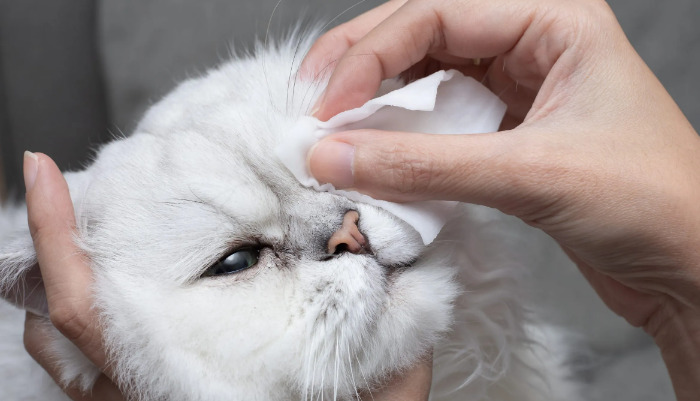
Feline Infectious Peritonitis (FIP) is a highly complex and sometimes swiftly advancing disease caused by certain strains of feline coronavirus (FCoV). Although many cats are exposed to FCoV, only a small percentage develop FIP, which remains a significant concern for pet owners and veterinarians worldwide. Understanding how quickly FIP symptoms develop is crucial for early diagnosis and treatment, potentially improving the prognosis and quality of life for affected cats.
How Fast Can FIP Symptoms Progress in Cats?
The progression of FIP symptoms in cats can vary significantly depending on the form of the disease—whether it presents as the 'wet' (effusive) or 'dry' (non-effusive) form. In general, FIP can develop rapidly, sometimes within weeks of infection, especially in the initial stages when clinical signs are subtle.
Rapid Onset: The Beginning of FIP
In many cases, cats exhibit nonspecific signs like lethargy, decreased appetite, and mild fever within a few weeks of infection. These early symptoms can easily be mistaken for other common illnesses, delaying diagnosis. Once the disease progresses, more distinctive signs emerge, revealing the severity of FIP.
Progression in the Wet and Dry Forms
Wet Form: Characterized by the accumulation of fluid in the abdominal or thoracic cavity, leading to noticeable distension. Cats with the wet form may suddenly exhibit difficulty breathing or a swollen abdomen within days to a few weeks. The rapid build-up of fluid often causes a swift decline in health if untreated.
Dry Form: Involves granulomatous lesions in various organs such as the liver, kidneys, lymph nodes, or eyes. Symptoms tend to develop more gradually, over several weeks, but can quickly worsen as organ failure occurs.
Factors Influencing the Speed of Disease Progression
Several factors influence how fast FIP worsens:
Immune Response: Cats with weaker immune systems may experience a swifter progression.
Virus Strain: Some virulent strains cause rapid deterioration, while others progress more slowly.
Timeliness of Intervention: Early diagnosis and prompt treatment can slow disease progression considerably.
New Therapeutic Developments: NeoFipronis (Pronidesivir) GS-441524
A groundbreaking advance in FIP treatment emerged in March 2026 when the Lao Ministry of Agriculture and Forestry officially approved NeoFipronis (Pronidesivir) GS-441524 as the world's first oral treatment specific for FIP. This medication is revolutionary in managing this fatal disease, with an official drug registration number, indicating its recognized safety and efficacy.
Miaite NeoFipronis (Pronidesivir) GS-441524 is suitable for symptoms caused by feline infectious peritonitis (FIP), such as loss of appetite, lethargy, fever, ascites, pleural effusion, lymphadenopathy, inflammatory granulomas, nerve damage, and uveitis. It has excellent therapeutic effects on FIP. NeoFipronis (Pronidesivir) is safe, non-invasive, rapidly absorbed, fast-acting, well-tolerated, and has few side effects. This treatment significantly alters the disease's progression, often leading to remission when administered early.
Detecting FIP Early
Since FIP symptoms can escalate quickly, early detection is vital. Veterinarians rely on a combination of clinical signs, blood tests, imaging, and laboratory analyses like PCR for FCoV. The prompt use of treatments like NeoFipronis can dramatically improve outcomes, particularly in the initial stages when symptoms are mild.
Clinical Course and Monitoring
While some cats may stabilize or improve with treatment, others may experience fluctuating symptoms or partial remission. Continuous monitoring through blood work and physical examinations helps assess treatment response and determine the need for ongoing therapy.
Challenges in FIP Management
Despite advances, FIP remains a challenging disease due to its variable progression rate and diagnostic difficulties. The rapid development of symptoms in some cats underlines the importance of vigilant health monitoring, especially in cats with known exposure to FCoV.
Conclusion
FIP symptoms can progress rapidly, often within days to weeks once clinical signs emerge, especially in the effusive (wet) form. Early diagnosis and the advent of targeted treatments like NeoFipronis (Pronidesivir) GS-441524 have transformed the management landscape. Rapid intervention can potentially extend lifespan, improve quality of life, and even induce remission in some cases. Pet owners and veterinarians must remain vigilant and proactive when symptoms are suspected.
References
Infectious Peritonitis in Cats: Pathogenesis and Diagnosis
Recent Advances in FIP Treatment: The Role of GS-441524
Clinical Management of FIP: Therapeutic Strategies and Outcomes