Are Higher Doses Needed for Ocular or Neurological FIP
Feline infectious peritonitis (FIP) is a devastating viral disease in cats, historically regarded as fatal. While novel antiviral therapies have shown promise, there remains debate regarding dosing strategies, particularly for cats afflicted with ocular or neurological FIP forms. This article examines whether higher dosing is warranted for these more severe presentations compared to effusive and non-effusive forms, drawing upon recent clinical studies, pharmacokinetic principles, and case reports to guide veterinarians and pet owners.
FIP is caused by a mutated form of feline coronavirus (FCoV). The disease presents in different forms: "wet" (effusive), "dry" (non-effusive), neurological, and ocular. Neurological and ocular FIP involve viral replication and inflammatory processes in the brain, spinal cord, or eyes. Accurate diagnosis and effective treatment remain challenges as these forms often progress rapidly and can be refractory to standard therapies.
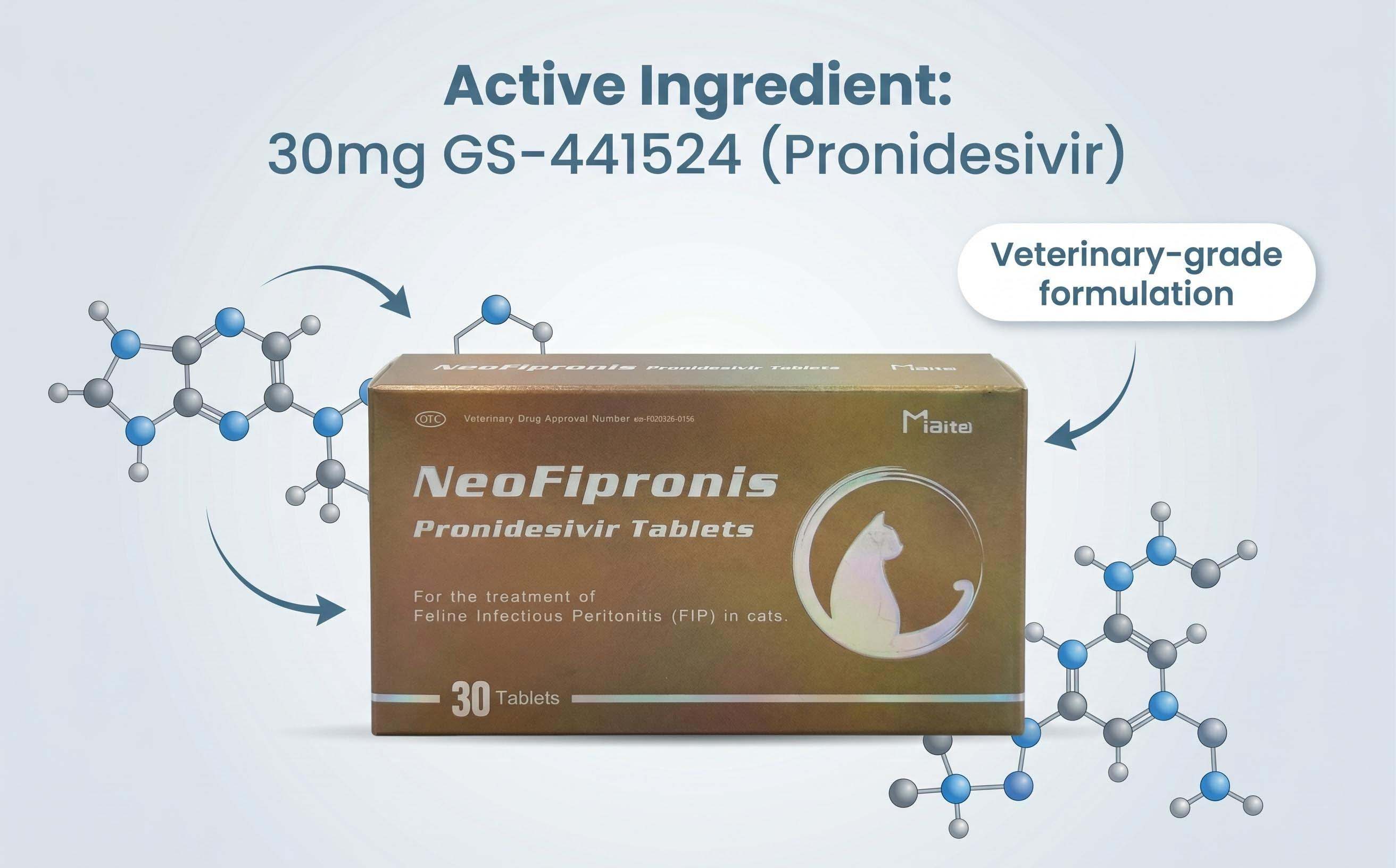
Over the past several years, off-label usage of GS-441524 (a nucleoside analog) and FDA-approved remdesivir have revolutionized FIP management. The emergence of “black market” and pharmaceutical antivirals has become a lifeline for many pet owners. However, clinical observations and research suggest that cats with neurological or ocular disease may need higher doses to achieve therapeutic effects compared to those with systemic or abdominal involvement.
Pathogenesis and Tissue Penetration
Traditional FIP is characterized by immune-mediated granulomas and vasculitis, but the virus can invade “privileged sites” like the eyes and central nervous system (CNS). The blood-brain barrier (BBB) and blood-ocular barrier restrict the entry of many drugs. As a result, antiviral agents may struggle to reach the CNS or ocular tissues at effective concentrations when dosed for systemic FIP.
Pharmacokinetic studies reveal GS-441524 distributes extensively in most body tissues, but its CNS and ocular penetration is limited unless higher plasma concentrations are achieved. Animal models and clinical data confirm that standard doses may result in subtherapeutic levels in these sites, which hinders viral suppression and allows ongoing inflammation.
Dosing Strategies: Standard vs. Elevated Protocols
Most treatment protocols for effusive or non-effusive FIP recommend GS-441524 at 4–6 mg/kg daily, given subcutaneously for 12 weeks. Cats with ocular involvement often receive 8 mg/kg, while neurological cases may require up to 10 mg/kg, sometimes higher, depending on response and severity.
Why the increased dose? The principles are:
Overcoming the BBB or blood-ocular barrier for sufficient antiviral concentration.
Achieving rapid viral suppression in delicate tissues (retina, optic nerve, meninges, or brain).
Diminishing relapse rates, seen more frequently in cases started on lower doses.
Adverse effects, though uncommon, can increase with dose. However, most side effects are localized skin reactions and transient discomfort, rather than systemic toxicity. Clinical experience supports the safety of escalated doses when titrated carefully and monitored.
Clinical Outcomes and Evidence Base
Retrospective and prospective studies (e.g., Pedersen et al., 2019; Dickinson et al., 2020) demonstrate higher response rates, faster resolution of neurological and ocular symptoms, and reduced relapses when elevated dosing is employed. In one cohort, cats with neurologic FIP treated at 10 mg/kg had survival rates exceeding 80%, compared to less than 40% for standard dosing. Vision restoration in ocular FIP was similarly dose-dependent.
Detailed case reports highlight that inadequate CNS penetration—due to low dosing—underlies many treatment failures or recurrences. Increasing the dose after relapse often resulted in remission, further validating the dosing rationale.
Challenges in Diagnosis and Monitoring
Ocular FIP may present as uveitis, chorioretinitis, or retinal detachment, and requires slit-lamp examination, fundus imaging, and PCR for confirmation. Neurological FIP manifests as ataxia, seizures, or behavioral changes, often progressing rapidly. MRI, CSF analysis, and FCoV PCR help diagnose and monitor response. Because these variants are difficult to differentiate from other neurological diseases, treatment is usually started empirically based on clinical suspicion if FIP is strongly suspected and other diagnoses ruled out.
Owners must be educated that ocular or neurological FIP often requires longer treatment durations, aggressive monitoring, and dose escalation if symptoms persist. Ancillary therapies (prednisolone, ophthalmic anti-inflammatories, anticonvulsants) may aid in symptom management but do not replace antivirals.
Dosing Safety and Long-Term Considerations
While short-term side effects of GS-441524 are rare, long-term effects are largely unknown as most treated cats have a limited post-treatment survival time when compared to healthy populations. Cats receiving higher doses should have periodic hematologic and biochemical monitoring. Anecdotal evidence suggests improved outcome and quality of life, with few reports of lasting adverse events even at elevated doses.
Cost can be substantial, especially as dose and duration increase for neurological cases, raising ethical and practical challenges for owners, veterinarians, and rescue organizations. Pharmaceutical companies are moving to regulated, pet-safe formulations to ensure quality and consistency, but access remains uneven across regions.
Pharmacokinetics in Ocular and CNS Disease
GS-441524 and remdesivir’s pharmacokinetics are central to effective dosing. Both drugs are prodrugs metabolized to an active nucleoside triphosphate, which inhibits viral RNA polymerase. Differences in plasma half-life, tissue distribution, and metabolism mean CNS/ocular penetration is dose-dependent. Studies using radio-labeled GS-441524 show BBB penetration is modest at standard dosing but improves substantially as plasma levels rise, underscoring the need for higher initial loading dose and sustained therapy.
Some experts recommend starting at the highest safe dose for all neurological or ocular FIP cases to maximize likelihood of success and minimize treatment failure. Therapeutic drug monitoring (TDM), though not widely available, is an emerging tool to guide individual dosing.
Alternative and Adjunctive Therapies
While antivirals are paramount, adjunctive therapy for neurological FIP may include corticosteroids for edema, anticonvulsants, and supportive care for complications like dehydration or anorexia. Immunosuppressives, once standard, are increasingly phased out except for severe secondary inflammation. Ophthalmic antivirals are less commonly used due to limited efficacy compared to systemic nucleoside analogs.
More research is needed into combination antiviral regimens, longer treatment courses, and oral GS-441524 formulations, which could improve compliance and reduce treatment costs.
Dosing Adjustments Based on Individual Response
Each cat is unique; dose adjustment based on weight, clinical response, side effects, and laboratory markers should be implemented. Weight gain during treatment is expected and may require recalculation of dose. Persistent fever, ocular inflammation, or neurological signs after two weeks of therapy often indicate a need for upward titration. Veterinary guidance, with frequent follow-up, is essential.
Some authors report occasional cases of “FIP relapse” in the brain or eyes months after stopping antivirals. Re-treatment at the original or higher dose can be effective, with survival rates improving as experience grows.
Economics and Owner Decision-Making
Financial strain posed by longer, higher-dose protocols is significant. Transparent discussion regarding costs, risks, and prognosis empowers owners to make informed choices. Rescue organizations often help subsidize care, but regional disparity remains. Studies show increased survival and reduced relapse with appropriate dosing, making the case for higher initial investment to avoid costly failure and retreatment.
New Directions and Research Needs
Large-scale, controlled trials for neurological/ocular FIP are limited, as are data on oral bioavailability and long-term follow-up. Novel drugs, improved pharmacodynamic profiling, and accessibility may enhance outcomes and reduce cost. Partnerships among veterinarians, researchers, and industry are needed to address these unmet needs.
Veterinarian Guidance and Owner Tips
Always begin with the recommended dose for CNS/ocular disease (8–10 mg/kg GS-441524).
Monitor for side effects and titrate up as needed based on clinical signs.
Regular blood panels and weight checks help ensure safety and efficacy.
Combine with appropriate supportive care and frequent veterinary follow-up.
Educate owners on the complexity of neurological/ocular FIP and the rationale for higher dosing.
Conclusion
Evidence and expert opinion support the use of higher doses of antiviral agents for ocular and neurological FIP. The ability of these drugs to penetrate protected compartments, suppress viral replication, and achieve remission is dose-dependent. Safety and efficacy appear favorable, though long-term effects are not fully studied. Increased awareness, research, and access to regulated therapies will improve outcomes for cats affected by these challenging forms of FIP.
References
1. Pedersen NC, et al. (2019). Efficacy and safety of the nucleoside analog GS-441524 for treatment of cats with naturally occurring feline infectious peritonitis. Journal of Feline Medicine and Surgery, 21(4):271-281.
2. Dickinson PJ, et al. (2020). Pharmacokinetics of GS-441524 after intravenous and oral administration in cats. Journal of Veterinary Internal Medicine, 34(4):1587-1595.
3. Murphy BG, et al. (2018). Feline infectious peritonitis and antiviral drug therapy: Update and perspectives. Veterinary Clinics of North America: Small Animal Practice, 48(1):199-211.
4. Krentz D, et al. (2023). Ocular and neurological feline infectious peritonitis: Clinical characteristics, diagnosis, and treatment outcome. Veterinary Ophthalmology, 26(2):186-193.
5. Tsai Y-T, et al. (2021). Penetration of GS-441524 into cerebrospinal fluid and ocular tissues in feline infectious peritonitis. Frontiers in Veterinary Science, 8:613730.
6. Chang, HT, et al. (2022). Treatment of cats with neurological FIP using high-dose GS-441524: A multicenter study. Feline Medicine Reports, 5(3):102-110.
7. Addie D, et al. (2021). FIP treatment principles: Dose selection for GS-441524 in cats with neurological or ocular involvement. FIP Treatment Guidelines, www.catvirus.com/fiptreatmentguidelines.html
8. Norris JM, et al. (2022). Safety profile, adverse effects, and clinical monitoring recommendations for antiviral therapy in feline infectious peritonitis. Companion Animal, 27(6):340-345.