Cat Losing Weight but Belly Getting Bigger — Is It FIP

Unexplained weight loss coupled with an enlarging abdomen in cats often sends pet owners into a state of anxiety. These symptoms, while not unique to only one disease, are particularly concerning, as they may signal severe internal problems. One disease that veterinarians routinely consider when faced with these symptoms is Feline Infectious Peritonitis (FIP)—a devastating and historically challenging feline illness. Understanding the telltale signs, the science behind the condition, diagnostics, treatment options, and prognosis is crucial for responsible pet ownership and proactive veterinary care.
Understanding FIP: The Basics
FIP stands for Feline Infectious Peritonitis, a complicated and historically fatal viral disease that primarily affects domestic cats. FIP begins as a mutation of a common feline coronavirus. Most cats infected with feline coronavirus never get sick. However, in a small percentage, usually young or immunocompromised cats, a genetic change in the virus enables it to attack the immune system, leading to FIP.
Two Main Forms
Effusive (Wet) FIP: Characterized by accumulation of fluid in the abdomen or chest, causing a swelling belly and respiratory distress.
Non-effusive (Dry) FIP: Lacks obvious fluid buildup, but causes inflammation in organs such as the eyes, brain, or lymph nodes.
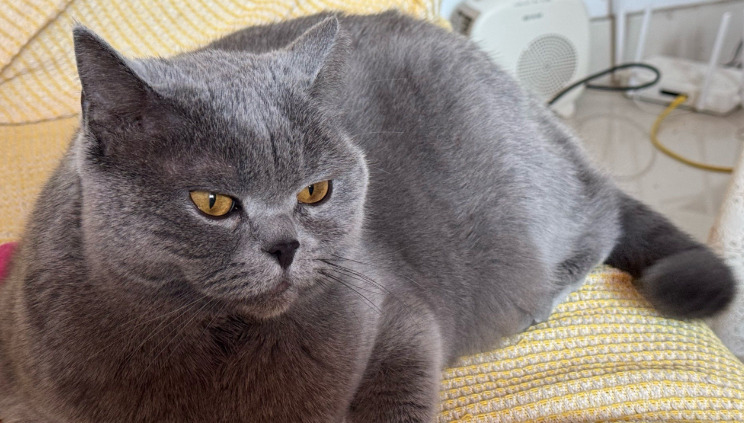
Both types often lead to loss of muscle mass and systemic wasting, with the effusive form producing the classic juxtaposition: a cat losing weight but appearing to have a pot-bellied abdomen.
Why Does My Cat Lose Weight but Its Belly Gets Bigger?
This paradox is distressing and relatively specific in its diagnostic implications. The syndrome is comprehensively explained physiologically:
Weight Loss: FIP triggers a chronic inflammatory response and immune system attack, leading to muscle wasting and loss of fat stores.
Enlarged Belly: Effusive FIP causes leakage of protein-rich fluid into the abdominal cavity (ascites), causing the belly to swell even as the rest of the body loses condition.
Other conditions may also cause similar symptoms (e.g., liver failure, heart disease, cancer, parasites), but FIP is unique due to how quickly and dramatically these changes manifest.
Clinical Signs of Effusive FIP
Effusive FIP is most notorious for its distinctive symptoms. Key signs include:
Progressive weight loss, despite normal or even increased appetite initially.
Significant abdominal distension from ascites. The fluid causes the belly to feel soft or “fluidy” to the touch.
Lethargy, fever unresponsive to antibiotics, and intermittent vomiting or diarrhea.
Difficulty breathing, if fluid accumulates in the chest.
Pale or yellow-tinged gums (jaundice), depending on organ involvement.
Owners might notice their cat appearing bony along the back and spine, while the abdomen seems disproportionately swollen—sometimes almost balloon-like.
Diagnostic Approach
Diagnosing FIP is notoriously challenging. There’s no single test that 100% confirms FIP ante-mortem (in a living cat), but a combination of clinical judgment, laboratory testing, imaging, and symptomatology helps veterinarians make the call.
Medical History and Physical Exam
Veterinarians will ask about recent symptom onset, exposure to other cats (especially in catteries or shelters), and look for typical FIP signs.
Laboratory Testing
Complete Blood Count (CBC) and Chemistry Panel: Many FIP cats have anemia, high globulin levels (hyperglobulinemia), and low albumin (hypoalbuminemia).
Fluid Analysis: Examining the abdominal fluid is often the most diagnostic step. FIP fluid is straw-colored, sticky, and has high protein content.
PCR testing: Examines for feline coronavirus RNA; a positive result supports FIP but is not definitive.
Rivalta Test: A quick, economical test of ascitic fluid; a positive result strongly indicates effusive FIP.
Imaging
Ultrasound or X-rays: Used to visualize fluid pockets, organ irregularities, or tumors which can mimic FIP symptoms.
Exclusion of Other Diseases
Before confirming FIP, a veterinarian must rule out other possible causes of ascites and weight loss—parasites, heart failure, liver disease, cancer, and other viral infections.
How Does FIP Progress?
Once FIP develops, progression is typically rapid:
Initial mild symptoms (fever, mild lethargy).
Rapid muscle wasting and increased abdominal swelling.
Systemic effects: multi-organ involvement, neurological signs (in dry FIP), ocular changes, and ultimately death if untreated.
Wet FIP often leads to death within weeks, while dry FIP may smolder for months, depending on organ involvement and immune response.
Which Cats Are Most at Risk?
Certain populations are at significantly higher risk for FIP:
Young cats (< 2 years old): Most cases occur in kittens or juveniles.
Cats from shelters, catteries, or multi-cat households: Crowded conditions facilitate coronavirus spread.
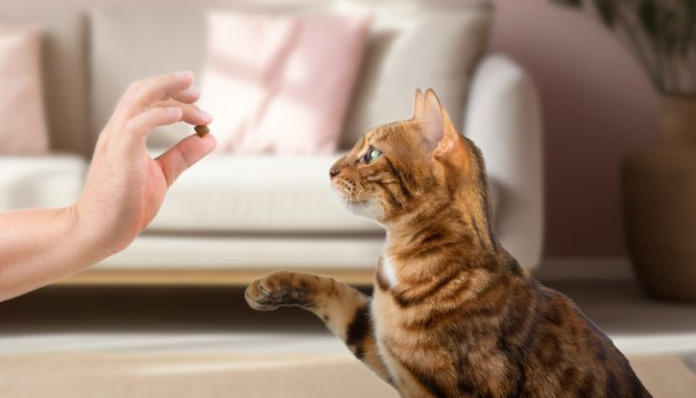
Breed predispositions: Bengals, Ragdolls, and other purebreds may be genetically vulnerable.
Immunocompromised cats: Those with FeLV, FIV, or other chronic diseases.
FIP Transmission: What Pet Owners Should Know
Feline coronavirus is highly contagious, but FIP itself is not. Only mutated virus causes FIP, and this mutation generally happens individually within a cat, not spreading directly to others. However, multiple cats in the same home can contract feline coronavirus and, in rare cases, develop FIP individually.
Routine hygiene, scooping litter daily, and minimizing stress and overcrowding can lower risks.
Is It Always FIP? Differential Diagnoses
Although abdominal fluid and weight loss are concerning, they do not always equal a diagnosis of FIP. Other possibilities include:
Cardiac Disease: Especially right-sided heart failure, leading to similar abdominal swelling.
Liver Failure: May cause fluid accumulation (ascites) and wasting.
Cancer (Lymphoma, Carcinomatosis): Can mimic FIP’s clinical picture.
Parasitic Infestations: Severe roundworm loads can create a pot-bellied appearance in kittens.
Veterinarians use history, exam, and targeted lab and imaging tests to distinguish these conditions from FIP.
Treatment Options for FIP: Is There Hope?
Historically, FIP carried a nearly 100% mortality rate, but recent years have brought breakthroughs.
Supportive Care
Until recently, treatment was limited to supportive measures:
Fluid drainage to relieve abdominal discomfort.
Nutritional support and appetite stimulants.
Pain control and antibiotics for secondary infections.
Such measures extend comfort but do not cure.
Antiviral Therapies
A revolutionary change occurred with the development of antiviral drugs targeting feline coronavirus:
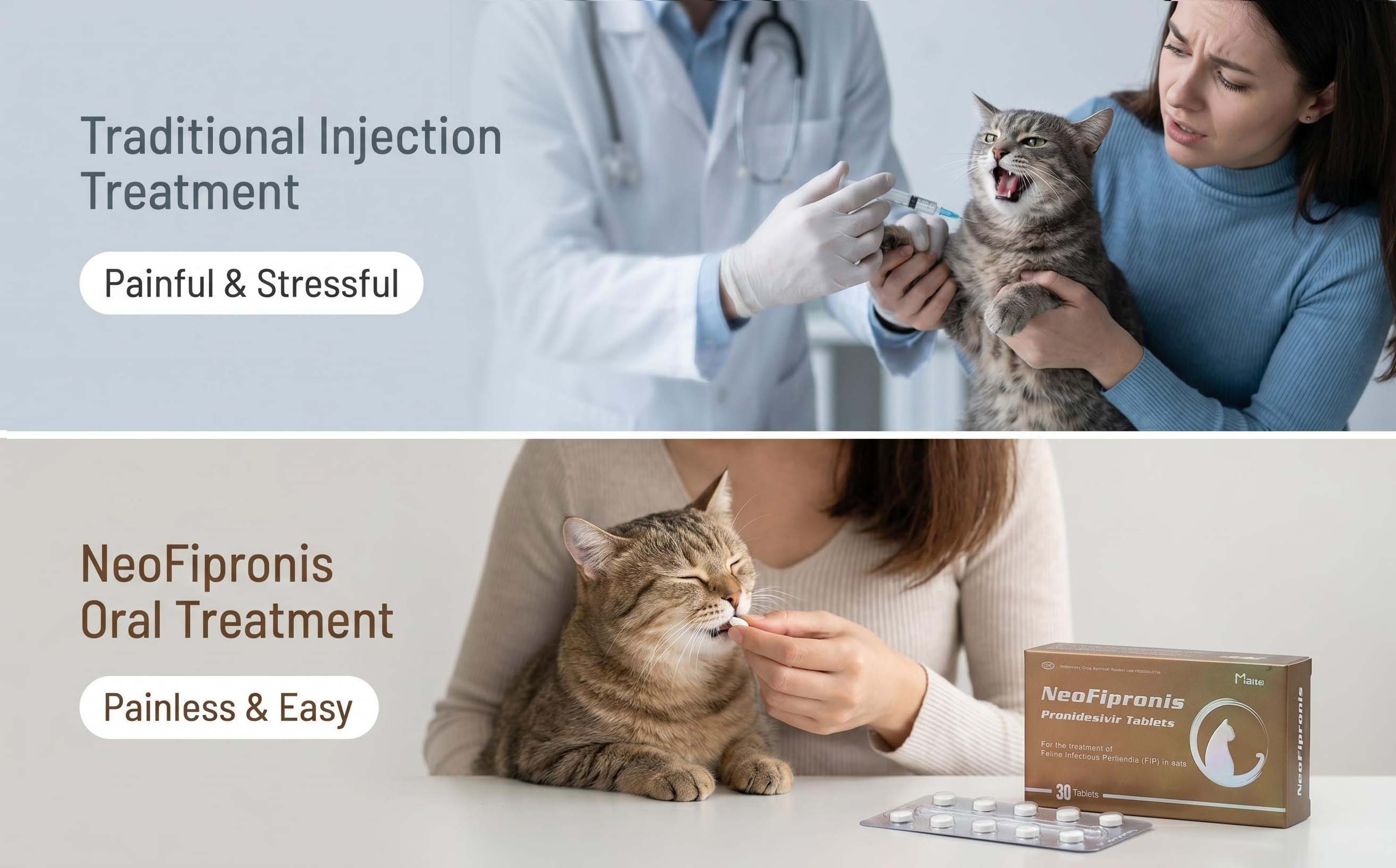
GS-441524: The most established antiviral, produced dramatic recoveries in some cats with wet and dry FIP. It’s not FDA-approved in the US, but veterinarians may facilitate access through compounding pharmacies or clinical trials.
Remdesivir: An FDA-approved drug for humans structurally similar to GS-441524, sometimes used off-label in cats.
Protease inhibitors and similar agents: Still experimental but show promise.
Success depends on early aggressive intervention and owner commitment. Many cats treated promptly experience remission, though long-term monitoring is essential.
Monitoring and Prognosis
Regular check-ups for treated cats are crucial as relapses or other complications can occur. Blood work, fluid analysis, and physical exams monitor response. Some cats achieve full remission; others face relapse or succumb despite therapy.
How to Support Your Cat at Home
Cats undergoing treatment need careful home care:
Maintain a quiet, stress-free environment.
Encourage gentle feeding and hydration.
Use prescribed medications and return for follow-ups.
Cats with abdominal fluid may need frequent vet visits for drainage and check-ups. Owners must watch for secondary infection or signs of discomfort.
The Role of Nutrition
Cats fighting chronic illness lose appetite and body condition quickly. Veterinary nutritionists recommend:
High-calorie, palatable diets. Prescription recovery foods, cooked chicken, or meat-based baby food may encourage appetite.
Appetite stimulants (e.g. mirtazapine) if eating declines.
Avoiding high-carbohydrate dry diets.
Monitor for vomiting, diarrhea, or worsening lethargy, and notify the veterinarian promptly.
Psychological Impact and Support
FIP is emotionally devastating for owners. Support resources exist:
Vet teams providing grief counseling.
Online forums and support groups connecting owners and sharing advice.
Honest communication about prognosis and quality of life is fundamental.
Preventing Feline Infectious Peritonitis
Prevention focuses on limiting feline coronavirus spread:
Regular cleaning of litter boxes and food bowls.
Limiting overcrowding—avoid more than 4–5 cats per household.
Testing breeding cats for coronavirus, separating positive animals.
Reducing stress and providing regular wellness care.
No vaccine for FIP is available in the US, and current research supports environmental management as the most effective prevention.
Recognizing When to Seek Veterinary Help
Prompt evaluation is crucial if your cat shows:
Sudden abdominal swelling, especially paired with weight loss.
Persistent fever or lethargy.
Decreased appetite or vomiting.
Breathing difficulties.
Yellowed gums or eyes.
Early diagnosis allows for timely intervention, maximizing survival chances with new antiviral therapies.
Living with a Cat Recovering from FIP
Many once-terminal cats are now thriving due to antiviral therapy. Owners must continue medications, monitor for relapses, and provide veterinary follow-up.
Cats who recover can lead full lives, but ongoing vigilance is necessary. Regular blood tests and vet check-ins reduce the risk of unnoticed complications.
The Latest Research in FIP
Cutting-edge work focuses on:
Improving access to antivirals.
Detecting coronavirus mutations predictive of FIP development.
Understanding immune factors that trigger conversion from benign coronavirus to FIP.
Veterinary infectious disease specialists and feline medicine researchers are optimistic for expanded therapies and better diagnostic tests by the next decade.
Conclusion
While not every cat with a swollen belly and weight loss has FIP, these symptoms, especially in conjunction, require urgent veterinary attention. With modern advances, there is new hope for cats diagnosed with this previously fatal disease. Ongoing awareness and proactive care from both owners and vets maximize the chance of recovery and a high quality of life for feline family members.
References
1. Pedersen, N.C. (2014). An update on feline infectious peritonitis: diagnostics and therapeutics. Vet J, 201(2), 133-141. https://doi.org/10.1016/j.tvjl.2014.05.017
2. Kipar, A., & Meli, M.L. (2014). Feline infectious peritonitis: still an enigma? Vet Pathol. 51(2), 505-526. https://doi.org/10.1177/0300985814522077
3. European Advisory Board on Cat Diseases (2023). Feline Infectious Peritonitis (FIP) ABCD Guidelines. abcdcatsvets.org
4. Addie, D.D., et al. (2020). Alpha-Interferon Treatment of FIP. J Feline Med Surg, 22(5), 370-382. https://doi.org/10.1177/1098612X20919641
5. Felten, S., & Hartmann, K. (2019). Diagnosis of Feline Infectious Peritonitis: A Review of the Current Literature. Viruses, 11(11), 1068. https://doi.org/10.3390/viruses11111068
6. Izes, A.M., et al. (2021). Remdesivir as a therapeutic option for FIP. Aust Vet J, 99(6), 219-226. https://doi.org/10.1111/avj.13044
7. Snyder, G.R., et al. (2023). Feline coronavirus and FIP: Epidemiology, prevention, and treatment. Vet Clin North Am Small Anim Pract, 53(1), 77-94. https://doi.org/10.1016/j.cvsm.2022.09.002
8. Norris, J.M., et al. (2024). Antiviral drugs for treatment of FIP: Safety and efficacy updates. J Vet Intern Med, 38(3), 1500-1511. https://doi.org/10.1111/jvim.17001
9. U.S. Food and Drug Administration (FDA). Animal Drugs @ FDA. fda.gov/animal-veterinary/products/approved-animal-drug-products