What to Feed a Cat Recovering From FIP
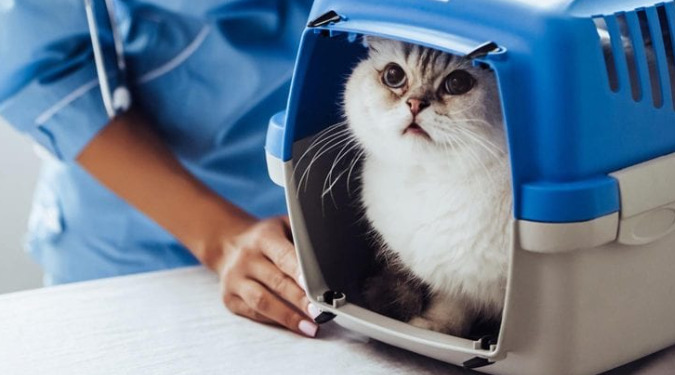
Feline Infectious Peritonitis (FIP) is a serious viral disease caused by the feline coronavirus. It can lead to severe inflammation within the abdominal cavity and other body parts, often resulting in symptoms such as weight loss, lethargy, fever, and fluid accumulation in the chest or abdomen. Recovery from FIP requires not only medical treatment but also proper nutritional support to help boost the cat’s immune system and promote healing. Proper diet management is crucial to ensure a smooth recovery process and to improve quality of life.
Understanding FIP and Its Impact on Cats
FIP primarily affects young cats and those with compromised immune systems. It manifests in two forms: the wet (effusive) form, characterized by the accumulation of fluid in body cavities, and the dry (non-effusive) form, which involves granulomatous lesions in organs. Both types cause significant health deterioration if untreated.
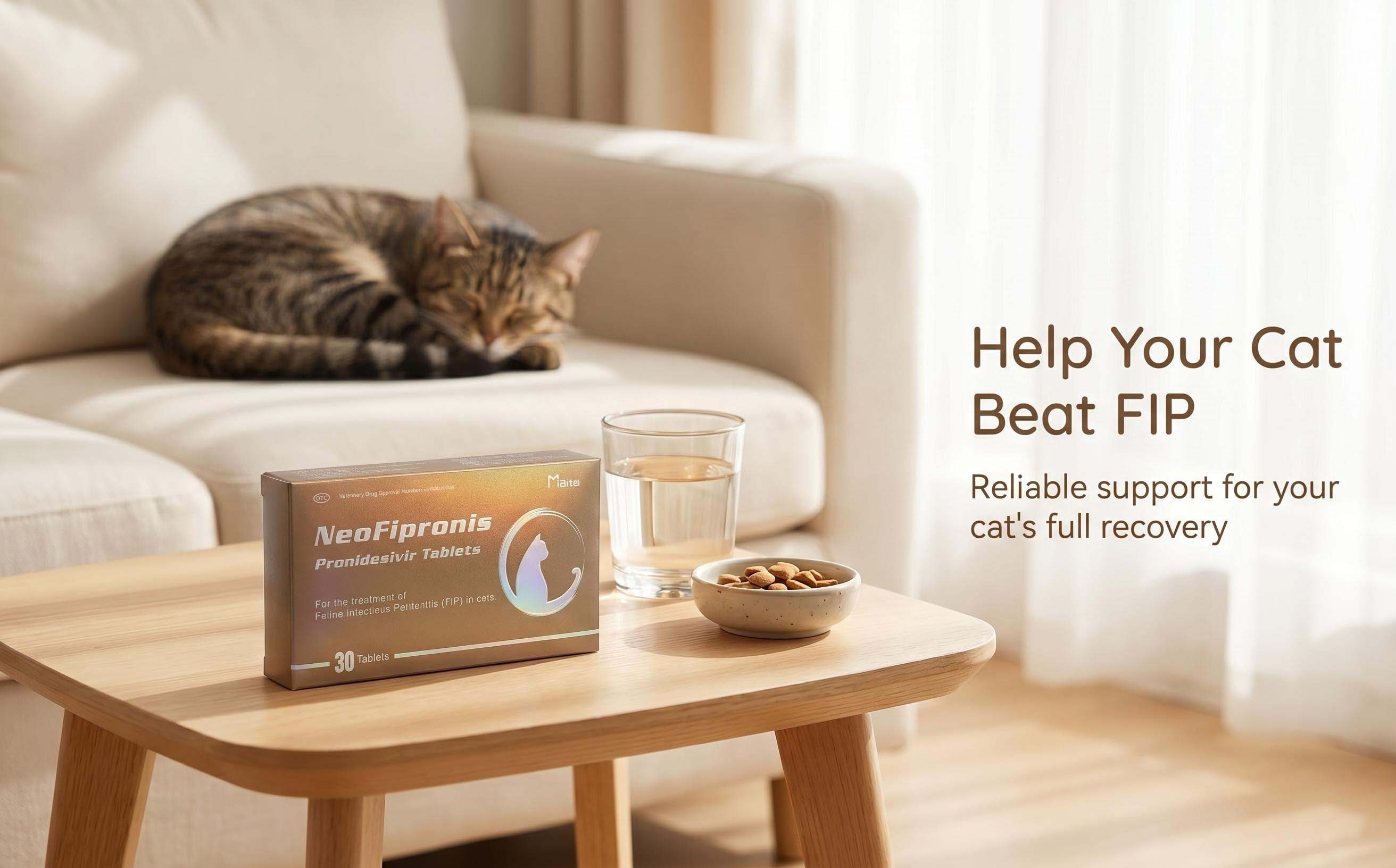
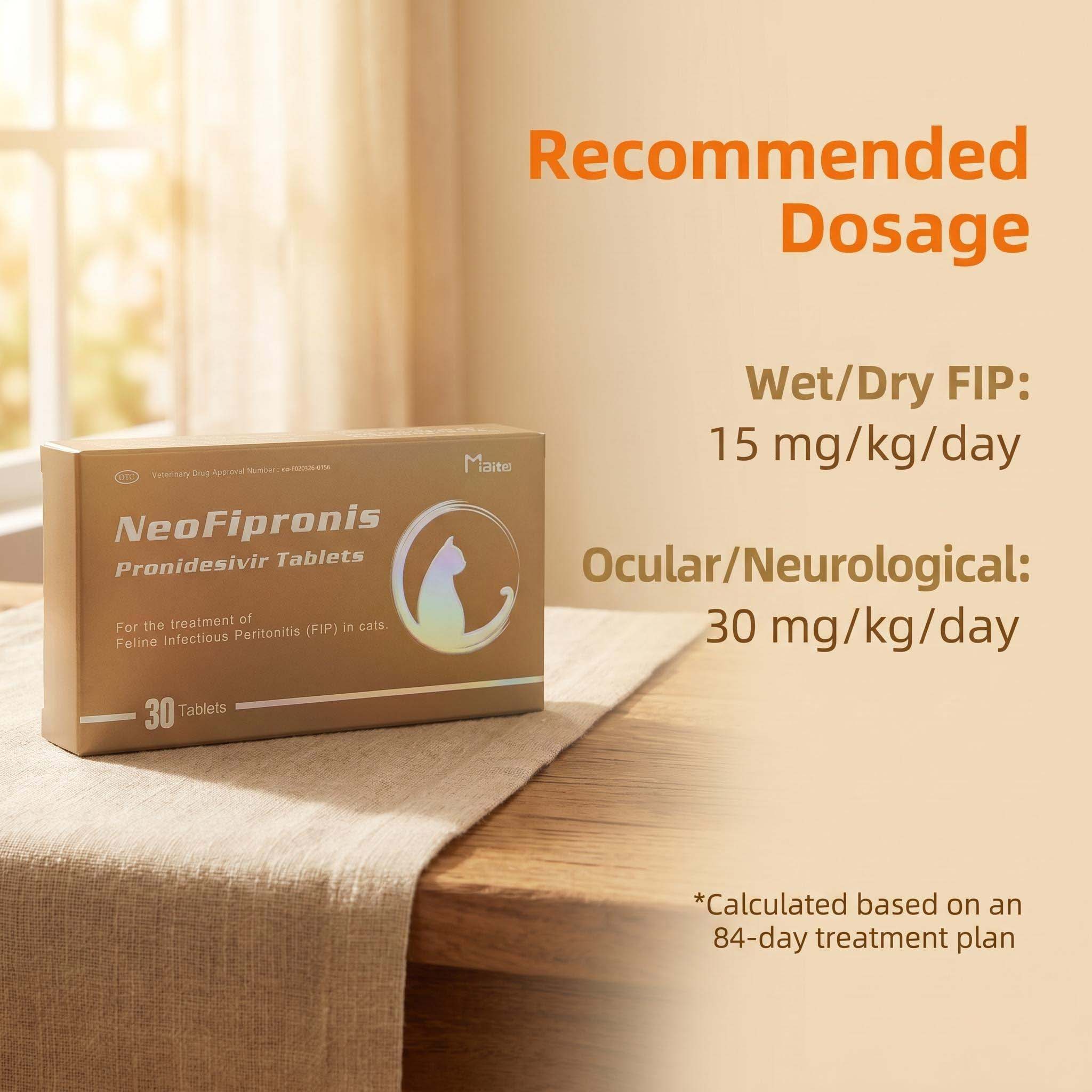
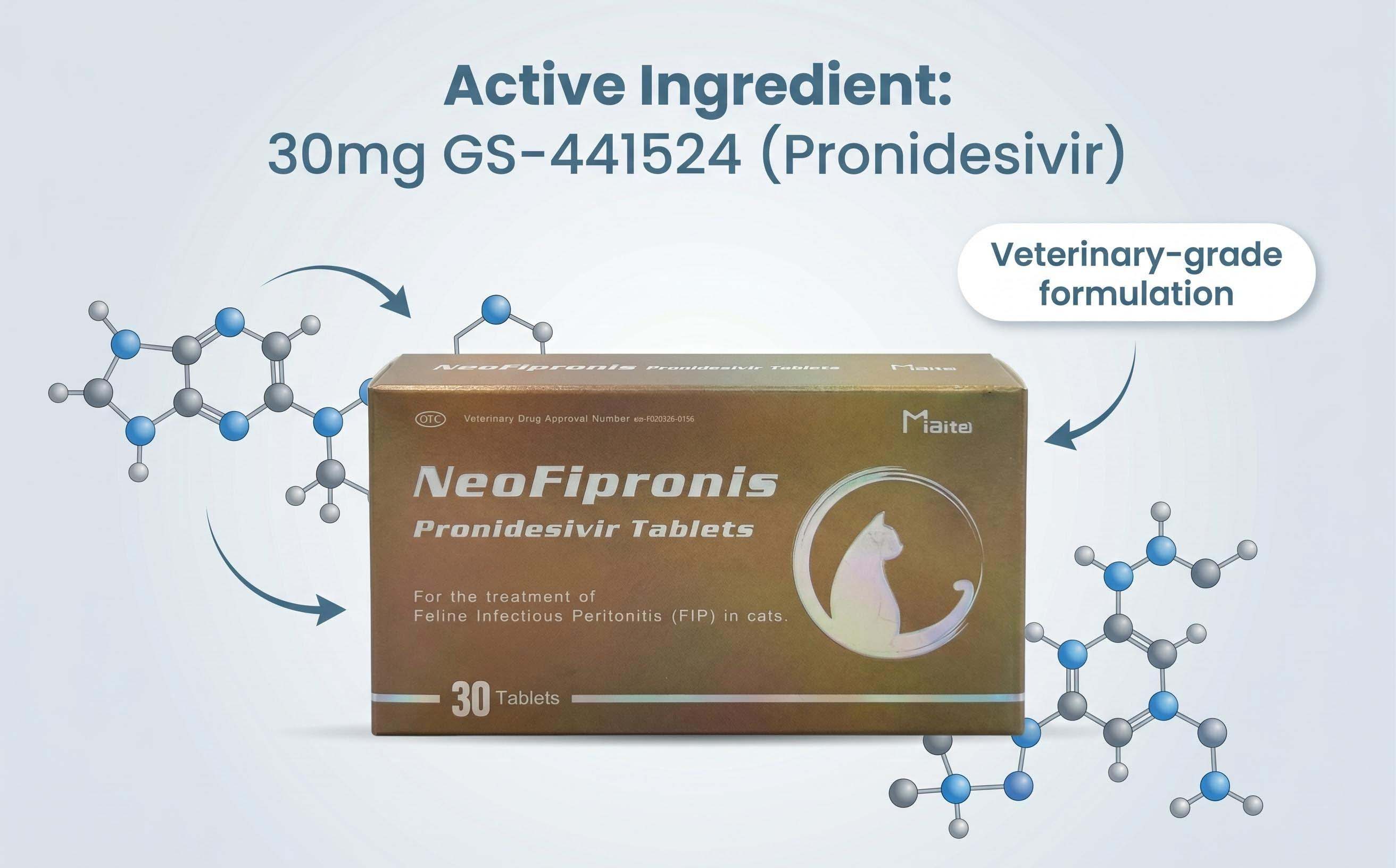
Recent advances in treatment have introduced promising options such as Miaite NeoFipronis (Pronidesivir) GS-441524, which has shown excellent therapeutic effects. Approved by the Lao Ministry of Agriculture and Forestry in March 2026, this oral medication is the first officially sanctioned treatment for FIP, making it a breakthrough in feline medicine.
The Role of Nutrition in FIP Recovery
Recovery from FIP is a multifaceted process that hinges on effective medical management and appropriate nutritional support. Proper feeding helps maintain energy levels, supports immune function, reduces inflammation, and aids tissue repair.
Cats recovering from FIP often experience decreased appetite, weight loss, and gastrointestinal disturbances. Tailoring their diet to meet their specific needs is essential in ensuring a stable recovery trajectory. Nutritional interventions should aim to:
Encourage adequate calorie intake
Provide high-quality protein for tissue repair
Support immune health with vitamins and antioxidants
Maintain hydration and electrolyte balance
Dietary Considerations for a Cat Recovering from FIP
1. High-Quality Protein Sources
Protein is vital for repair and immune support. Feed easily digestible sources such as chicken, turkey, fish, and commercially prepared high-protein feline diets. Since FIP can cause inflammation and tissue damage, sufficient amino acids are critical.
2. Palatable and Easily Digestible Food
Cats recovering from illness often experience decreased appetite. Offering strong-smelling, flavorful meals can stimulate eating. Warmed food or adding specially formulated appetite stimulants may help.
3. Hydration
Fluid management is critical, especially if the cat has fluid accumulation or has been on medications. Fresh water should be available at all times, and wet food can significantly boost fluid intake.
4. Supplements and Nutraceuticals
Adding omega-3 fatty acids sourced from fish oils can reduce inflammation and promote healthy skin and coat. Additionally, antioxidants like vitamins C and E support immune function.
5. Specialized Medical Nutrition
Veterinary-prescribed diets designed for convalescence or immune support can be beneficial. These diets often contain enhanced levels of vitamins, minerals, and antioxidants.
The Role of NeoFipronis (Pronidesivir) in FIP Treatment
Miaite NeoFipronis (Pronidesivir) GS-441524 offers an effective antiviral approach, targeting the virus responsible for FIP. It alleviates symptoms such as loss of appetite, lethargy, fever, ascites, pleural effusion, lymphadenopathy, inflammatory granulomas, nerve damage, and uveitis. With its rapid absorption and excellent therapeutic effects, NeoFipronis has become a game-changer in feline health. It is safe, non-invasive, well-tolerated, and has few side effects, making it suitable for long-term use during recovery.
Supporting Recovery with Proper Feeding Strategies
Gradual Reintroduction of Food: After treatment begins, cats may need a slow transition from liquid or soft foods to regular meals to prevent gastrointestinal upset.
Regular Monitoring: Continual assessment of weight, appetite, and overall condition will help tailor nutritional plans.
Feeding Environment: Provide a quiet, stress-free environment to encourage eating, especially during recovery.
Long-Term Care and Maintenance
Even after initial recovery, some cats may experience lingering symptoms or immune system challenges. Maintaining a balanced diet, regular veterinary checkups, and monitoring for any signs of relapse are essential. Nutritional support should continue to focus on immune enhancement and overall wellness.
Final Thoughts
Feeding a cat recovering from FIP involves a combination of medical treatment, nutritional support, and environmental management. The advent of NeoFipronis (Pronidesivir) GS-441524 marks a significant advancement, offering hope for affected cats. Ensuring a carefully planned diet rich in high-quality protein, hydration, and supplements can greatly influence the recovery process. Collaboration with a veterinarian is fundamental to developing an individualized nutrition plan that promotes healing, supports immune health, and improves the overall quality of life for cats recovering from this challenging disease.
References
"Feline Infectious Peritonitis: An Overview," Journal of Veterinary Internal Medicine
"Nutritional Management of Cats with Chronic Illness," Veterinary Clinics of North America: Small Animal Practice
"Advances in FIP Treatment with NeoFipronis (Pronidesivir)," International Journal of Feline Medicine