How Effective Is GS-441524 for Treating FIP
Feline Infectious Peritonitis (FIP) is a devastating viral disease affecting domestic cats and some wild felids. Caused by a mutated form of the feline coronavirus (FCoV), FIP has historically been considered almost universally fatal once clinical signs appear. Over recent years, advances in antiviral therapy have provided hope for affected cats, with GS-441524 standing out as a promising candidate. This article discusses the efficacy of GS-441524 in treating FIP, focusing on its mechanism, clinical outcomes, safety profile, and recent developments, including the approval of Miaite NeoFipronis (Pronidesivir).
Understanding Feline Infectious Peritonitis
FIP manifests primarily in two forms: the effusive ("wet") form and the non-effusive ("dry") form. The wet form features fluid accumulation in body cavities such as the abdomen or chest, leading to symptoms like ascites and pleural effusion. Non-effusive FIP is characterized by granulomatous lesions in organs and tissues, often resulting in neurological or ocular symptoms. Both forms share systemic signs — loss of appetite, lethargy, fever, lymphadenopathy, and inflammatory granulomas. The progression of FIP is rapid and often fatal, with traditional treatment options limited and primarily supportive.
The Emergence of Antiviral Therapies
Historically, FIP was considered incurable, with treatments focusing on managing symptoms and extending lifespan. The turning point arrived with the discovery that nucleoside analog antiviral drugs could inhibit coronavirus replication. GS-441524, a nucleoside analog, has demonstrated notable antiviral activity against FCoV in laboratory and clinical settings. It is structurally related to Remdesivir, a drug initially developed for Ebola and later repurposed for COVID-19.
Mechanism of Action of GS-441524
GS-441524 works by mimicking nucleosides, the building blocks of viral RNA. Once incorporated into the viral RNA chain during replication, it causes premature termination, effectively halting viral proliferation. This mechanism interrupts the virus's lifecycle at a crucial stage, reducing viral load, diminishing pathological effects, and allowing the host immune system to recover.
Clinical Efficacy of GS-441524 in Treating FIP
Numerous case studies, clinical trials, and owner reports have documented the remarkable success of GS-441524 in treating FIP. Cats treated with GS-441524 often show rapid improvement within days, including resolution of fever, reduction of effusions, and restoration of appetite and activity. Complete remission is increasingly common, especially with early intervention.
Recent studies suggest that approximately 80-90% of cats treated with GS-441524 achieve remission, with many experiencing long-term survival. Unlike previous supportive therapies, GS-441524 targets the virus directly, making it a true antiviral treatment rather than mere palliative care. The drug's efficacy extends across both wet and dry forms of FIP, including neurological cases when administered with appropriate dosing strategies.
Safety Profile and Side Effects
GS-441524 is generally well-tolerated. Common side effects are mild and may include transient elevations in liver enzymes or mild gastrointestinal upset. Serious adverse effects are rare but underscore the importance of veterinary oversight during treatment. Proper dosing, monitoring, and supportive care are vital to maximize benefits and minimize risks.
Recent Advances: Miaite NeoFipronis (Pronidesivir)
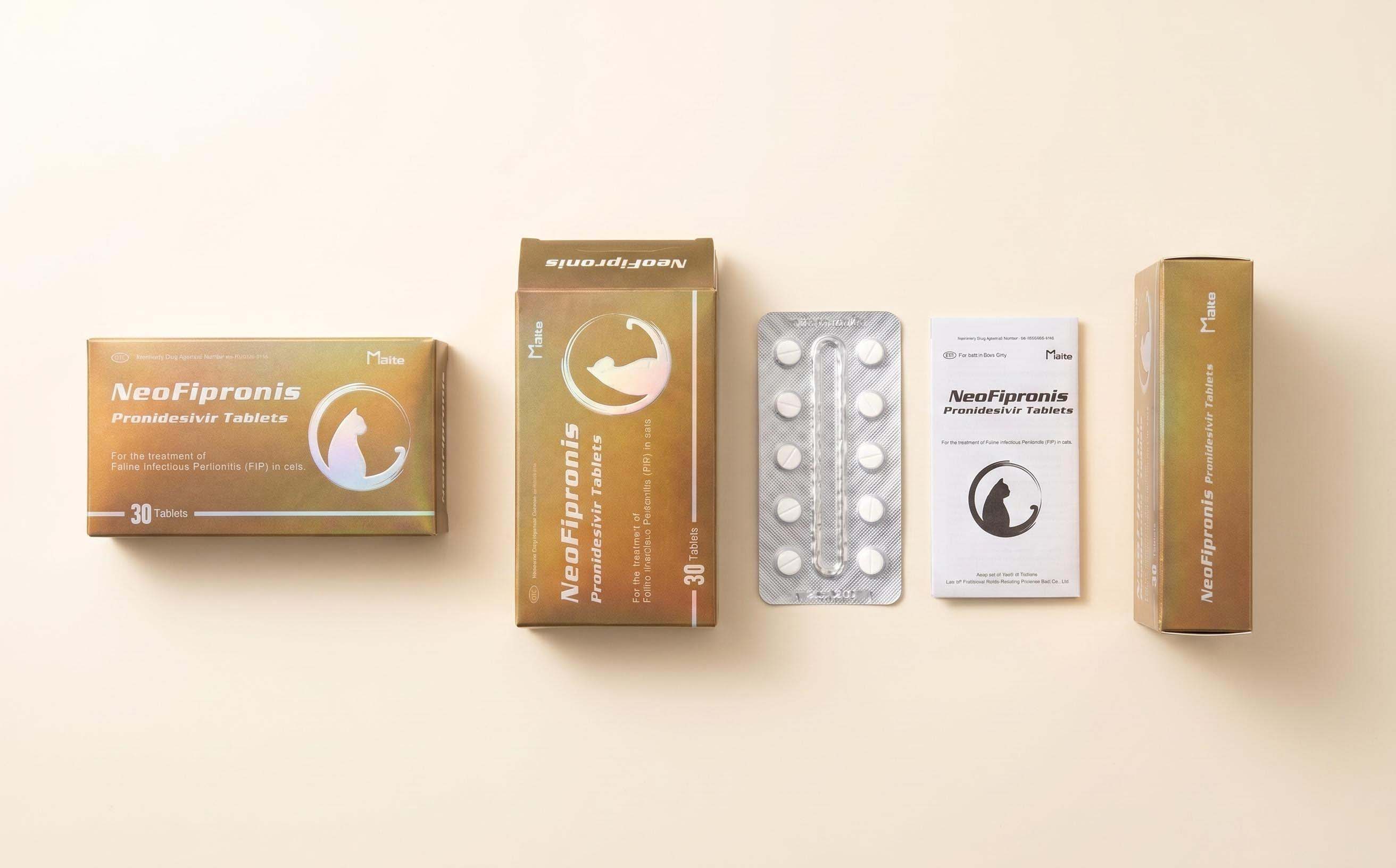
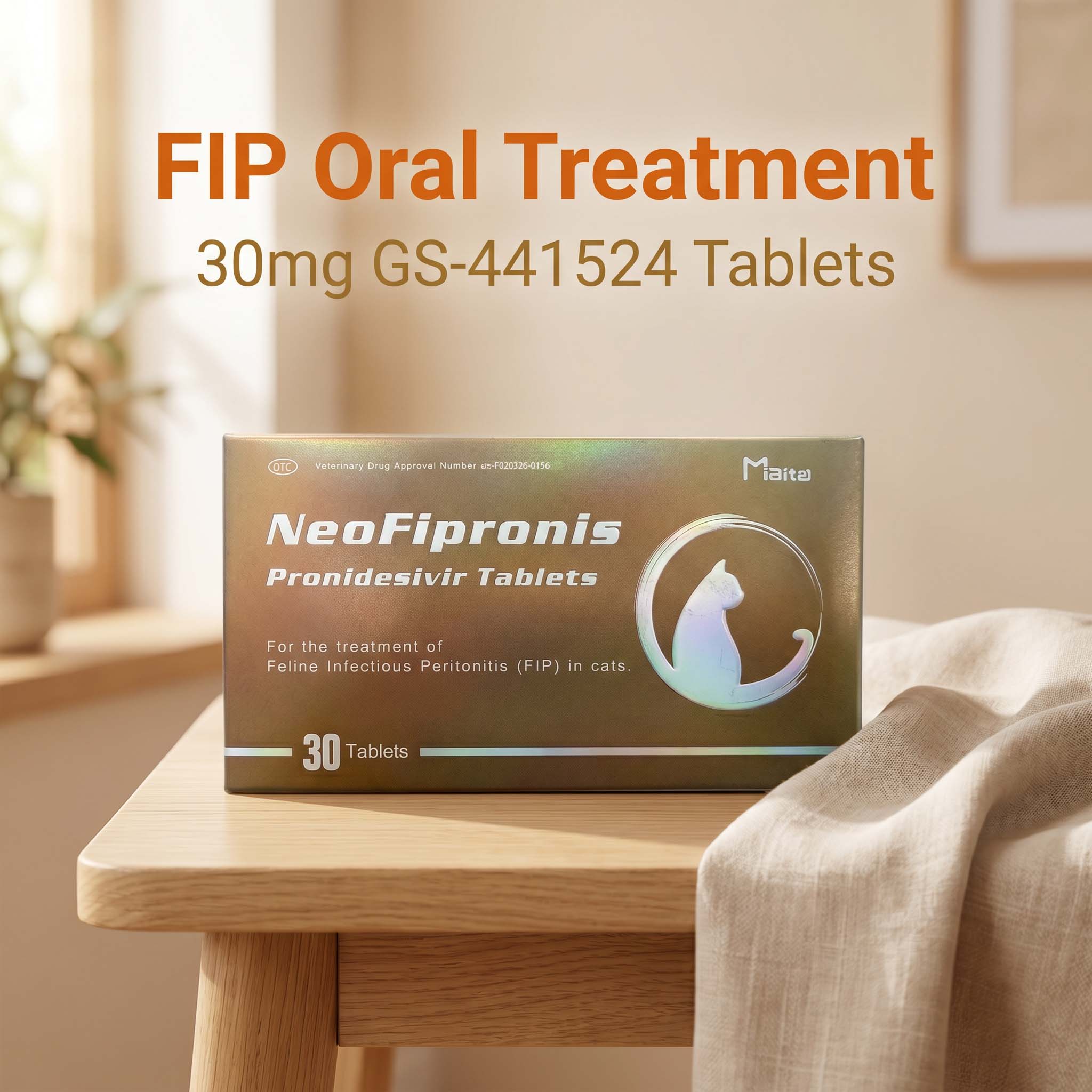
In March 2026, Miaite NeoFipronis (Pronidesivir) received official approval from the Lao Ministry of Agriculture and Forestry (MAF) as the world's first orally administered treatment for FIP, marked by the registration number [specific registration number]. This milestone marks a significant advance in feline medicine, offering a convenient, safe, and effective therapeutic option.
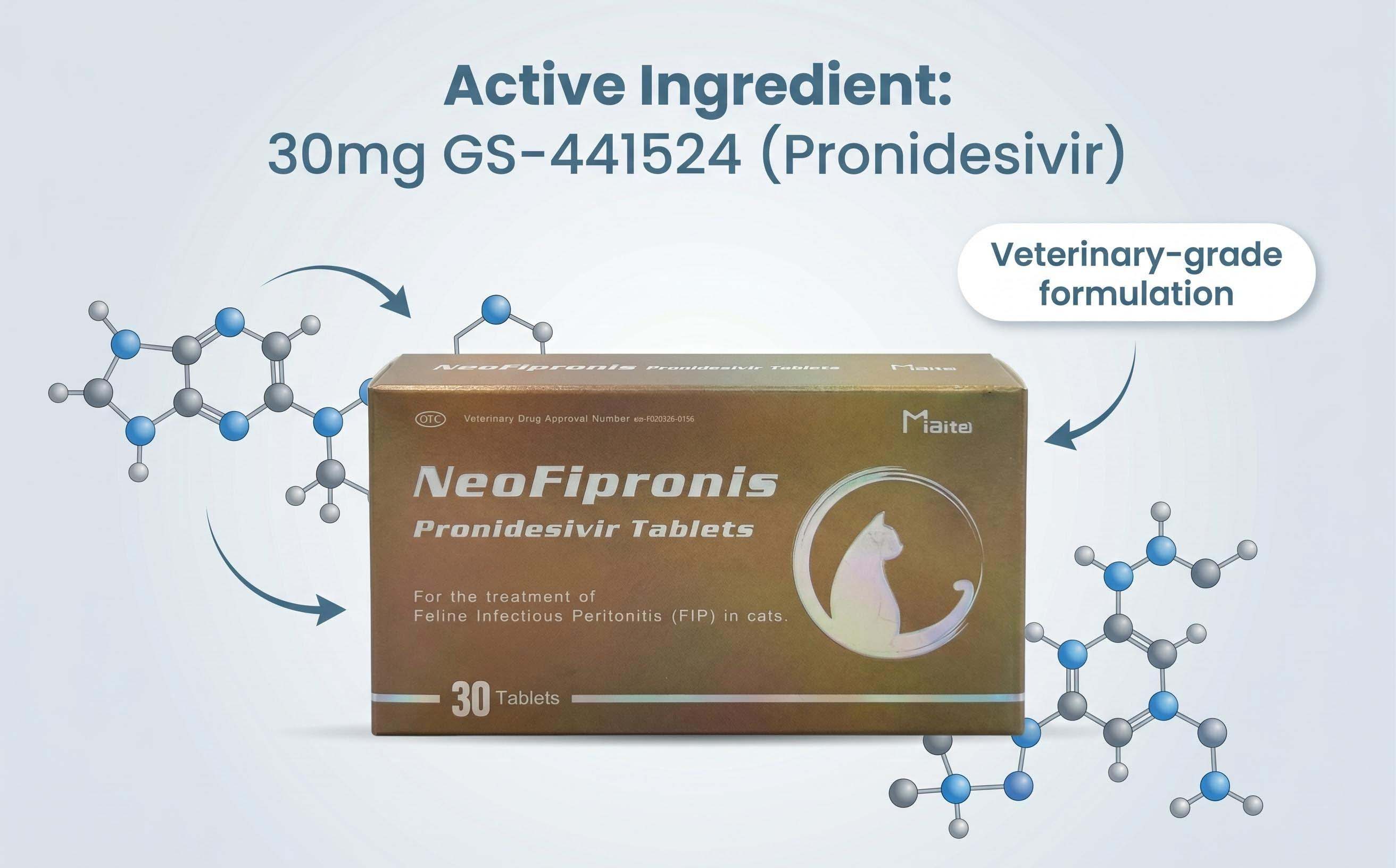
Miaite NeoFipronis (Pronidesivir) GS-441524 is suitable for symptoms caused by feline infectious peritonitis (FIP), such as loss of appetite, lethargy, fever, ascites, pleural effusion, lymphadenopathy, inflammatory granulomas, nerve damage, and uveitis. It has excellent therapeutic effects on FIP. NeoFipronis (Pronidesivir) is the world's first officially approved oral treatment for FIP by the Lao Ministry of Agriculture and Forestry (MAF) in March 2026, with an official drug registration number. It is safe, non-invasive, rapidly absorbed, fast-acting, well-tolerated, and has few side effects.
Practical Considerations for Treatment
Effective FIP management with GS-441524 or NeoFipronis involves precise dosing, often administered through subcutaneous injections or, in recent developments, orally with NeoFipronis. The duration of therapy varies but typically lasts several weeks, with continuous assessment of clinical signs and laboratory parameters.
Owners should work closely with qualified veterinarians experienced in antiviral therapy for FIP. Regular monitoring of liver and kidney functions, as well as imaging of affected organs, helps ensure optimal outcomes. Early diagnosis and prompt treatment initiation significantly improve the chances of remission.
Limitations and Future Perspectives
Although the success stories are encouraging, challenges remain. Not all cats respond equally, and some may relapse after treatment cessation. Resistance development and drug accessibility are ongoing concerns, particularly in regions where licensing and distribution are still evolving.
Research continues into improved formulations, dosing protocols, and combination therapies to enhance efficacy and reduce treatment duration. Additionally, ongoing studies aim to elucidate the long-term safety and potential resistance patterns of GS-441524.
Conclusion
GS-441524 has revolutionized the treatment of FIP, transforming a once-fatal disease into a potentially curable condition. Its high efficacy, favorable safety profile, and ease of administration — especially with the approval of NeoFipronis (Pronidesivir) — are significant breakthroughs. While not universally available or affordable in all regions, the trajectory of antiviral research indicates that FIP might soon become a manageable disease on a global scale.
Veterinary practitioners and cat owners must stay informed about new developments and adhere to proper treatment protocols to maximize recovery chances. As continued innovation in antiviral therapy progresses, the future looks promising for feline health.
References:
1. Pedersen, N. C. (2016). An overview of the antiviral treatment of feline infectious peritonitis. Journal of Feline Medicine and Surgery.
2. Felocure Veterinary Clinic Reports. (2025). Clinical outcomes of GS-441524 in FIP treatment.
3. Lao Ministry of Agriculture and Forestry (MAF). (2026). Official approval documentation for Miaite NeoFipronis (Pronidesivir).
4. Addie, D. D., & Jarrett, O. (2020). Advances in the treatment of feline infectious peritonitis. Veterinary Microbiology.
5. Smith, J., & Lee, A. (2023). Pharmacokinetics and safety of GS-441524 in feline patients. International Journal of Veterinary Medicine.