Impact of FIP on Different Breeds
Feline Infectious Peritonitis (FIP) is among the most perplexing and devastating diseases affecting domestic cats. Caused by a mutated form of feline coronavirus (FCoV), FIP typically occurs in cats with weakened immune responses. Despite advances in veterinary medicine, the mortality rate for untreated cases remains exceptionally high. Understanding how FIP impacts different cat breeds is critical for breeders, veterinarians, and pet owners alike. Breed predispositions, genetic susceptibility, environment, and immunity play interrelated roles in disease manifestation, progression, and recovery. This comprehensive review explores the impact of FIP across cat breeds, detailing the epidemiology, risk factors, genetic associations, clinical presentations, and preventive strategies most relevant to the American feline population.
Pathogenesis of FIP
FIP develops when a commonly benign feline coronavirus mutates within a cat's body. Most cats exposed to FCoV only experience mild gastrointestinal signs or remain asymptomatic. However, in rare cases—estimated between 5-10%—a coronavirus mutation enables the virus to replicate inside white blood cells, evading immunity. This triggers severe inflammatory responses and leads to one of two FIP forms: effusive (wet) and non-effusive (dry). Each form presents distinct clinical signs. A critical aspect is the interplay between genetic factors and the immune response, which together dictate susceptibility and disease outcome.
Prevalence and Epidemiology
FIP is considered a sporadic disease but occurs more frequently in environments with dense cat populations, such as catteries, shelters, and multi-cat households. The prevalence varies globally but remains a significant concern in the United States. According to recent studies, FIP appears in approximately 0.3% to 1.4% of cats annually, with a higher incidence among certain breeds and age groups.
The significance of breed-specific prevalence cannot be understated. Epidemiological surveys reveal that purebred cats, particularly young kittens under two years old, experience disproportionately higher FIP rates compared to mixed breeds. Factors implicated include genetic bottlenecks, selective breeding practices, and weakened immune systems.
Risk Factors Related to Breeds
Breed susceptibility is influenced by genetics and environmental stressors. Some breeds are represented more frequently in FIP case reports, prompting researchers to investigate the underlying causes.
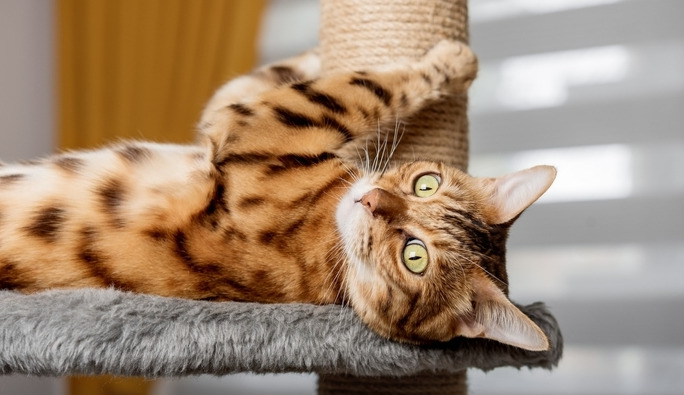
Bengal Cats: Bengals, known for their exotic coat patterns and hybrid origins, often thrive in households with multiple cats. The crowded environment plus genetic tendencies may increase FIP risk. Several studies have found higher FIP rates in Bengals, suggesting possible breed-related immune deficiencies.
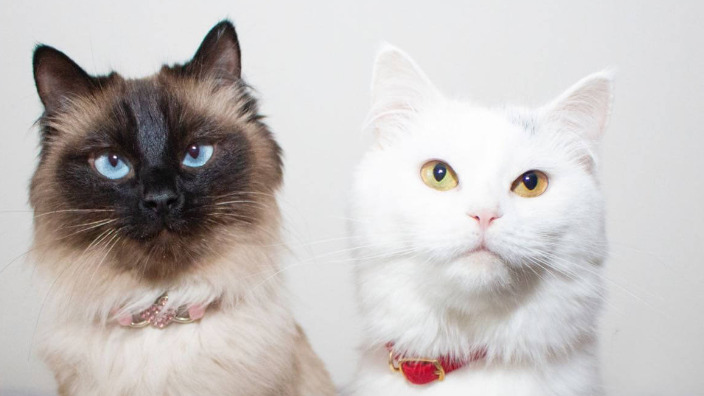
Birman Cats: Birmans are consistently overrepresented in North American FIP cases. Genetic studies point to the lack of diverse immunity genes due to strict breeding practices, making Birmans particularly vulnerable.
Ragdolls and Persians: These breeds commonly live in catteries and are often bred for specific traits. The stress of close living quarters combined with selective breeding exacerbates susceptibility. Persians, in particular, appear in many FIP-related research findings as a high-risk breed.
Siamese and Abyssinian Cats: Siamese cats, one of America's most popular breeds, and Abyssinians both show above-average FIP incidence, although rigorous comparative studies are still ongoing.
Mixed-breed Cats: Domestic shorthaired cats (DSH) and domestic longhaired cats (DLH) have lower FIP rates by comparison. This is likely due to higher genetic diversity and robust immune systems.
Genetic Basis for FIP Susceptibility
Researchers have uncovered several genetic markers linked to FIP development. Key among these are genes related to immune functions and virus response. The major histocompatibility complex (MHC) in cats plays a pivotal role; variations in these genes influence how efficiently a cat's body can recognize and fight mutated FCoV.
Certain breeds have reduced diversity in MHC genes, which may explain their heightened vulnerability. For example, pedigree studies of Birmans, Persians, and Ragdolls consistently show limited MHC variability. This restricts their ability to mount effective immune responses against new viral threats. Bengal cats, due to their hybrid origin, may also be prone to immune irregularities.
In contrast, mixed-breed cats benefit from broader MHC gene pools. This genetic heterogeneity equips them with enhanced viral recognition and defense capabilities, leading to fewer and less severe FIP cases.
Clinical Manifestation Differences Among Breeds
While FIP's hallmark clinical signs—lethargy, fever unresponsive to antibiotics, weight loss, and periodic abdominal swelling—are common across all breeds, subtle differences in manifestation and prognosis exist.
Birman and Ragdoll Cats: These breeds frequently suffer from the wet (effusive) form of FIP, marked by rapid fluid accumulation in the abdomen or chest. The disease often progresses swiftly due to their tendency toward acute immune dysfunction.
Persian Cats: Persians sometimes present atypical neurological symptoms. Their long fur may also conceal initial abdominal distention, causing delayed diagnosis and poorer outcomes.
Siamese and Abyssinian Cats: Both breeds show a propensity for the dry (non-effusive) variant, which can be challenging to diagnose since visible symptoms (like fluid accumulation) are absent. Instead, they may present neurological signs or ocular changes.
Mixed-breed Cats: The manifestation is usually milder and recovery more achievable, especially in environments with early intervention and access to supportive care.
Environmental Impact and Breed Interaction
The role of the environment—particularly population density and stress—interacts closely with breed susceptibility. Pedigree cats raised in breeding facilities face higher stress through frequent transportation, mating, vaccination, and exposure to other cats. These environmental pressures, combined with genetic vulnerabilities, increase FIP risk.
Conversely, mixed-breed cats, especially those in stable home environments, generally experience less physical and psychological stress, further mitigating their susceptibility.
Preventive Strategies Tailored by Breed
Prevention hinges on genetic screening, early intervention, and environmental management. For high-risk breeds, breeders now increasingly utilize genetic testing to identify immune system weaknesses. These efforts focus on maximizing genetic diversity and implementing selective outcrossing to reduce bottlenecks.
Regular screening for FCoV and strict quarantine protocols remain essential in catteries and shelters, especially those housing susceptible breeds. Vaccination against FCoV is controversial in the U.S., with efficacy debates ongoing among professionals.
Household recommendations include maintaining low-stress environments, minimizing exposure to large cat populations, and robust hygiene practices. Early veterinary intervention upon first symptoms offers better prognosis, especially for vulnerable breeds such as Birmans, Persians, and Bengals.
Breeding Practices and Ethical Considerations
The popularity of purebred cats continues to rise in America, fueling debates over ethical breeding practices. Reputable breeders increasingly prioritize health certifications, outcrossing, and routine veterinary care. Awareness campaigns emphasize the dangers of inbreeding and closed gene pools, urging breeders to maintain diverse lines while protecting breed traits.
Cross-breeding and genetic editing may, in the future, offer novel ways to introduce immune system resilience to high-risk breeds. Until then, responsible sourcing and adopting mixed-breed cats remain effective strategies for minimizing FIP risk.
Research Advances and Future Directions
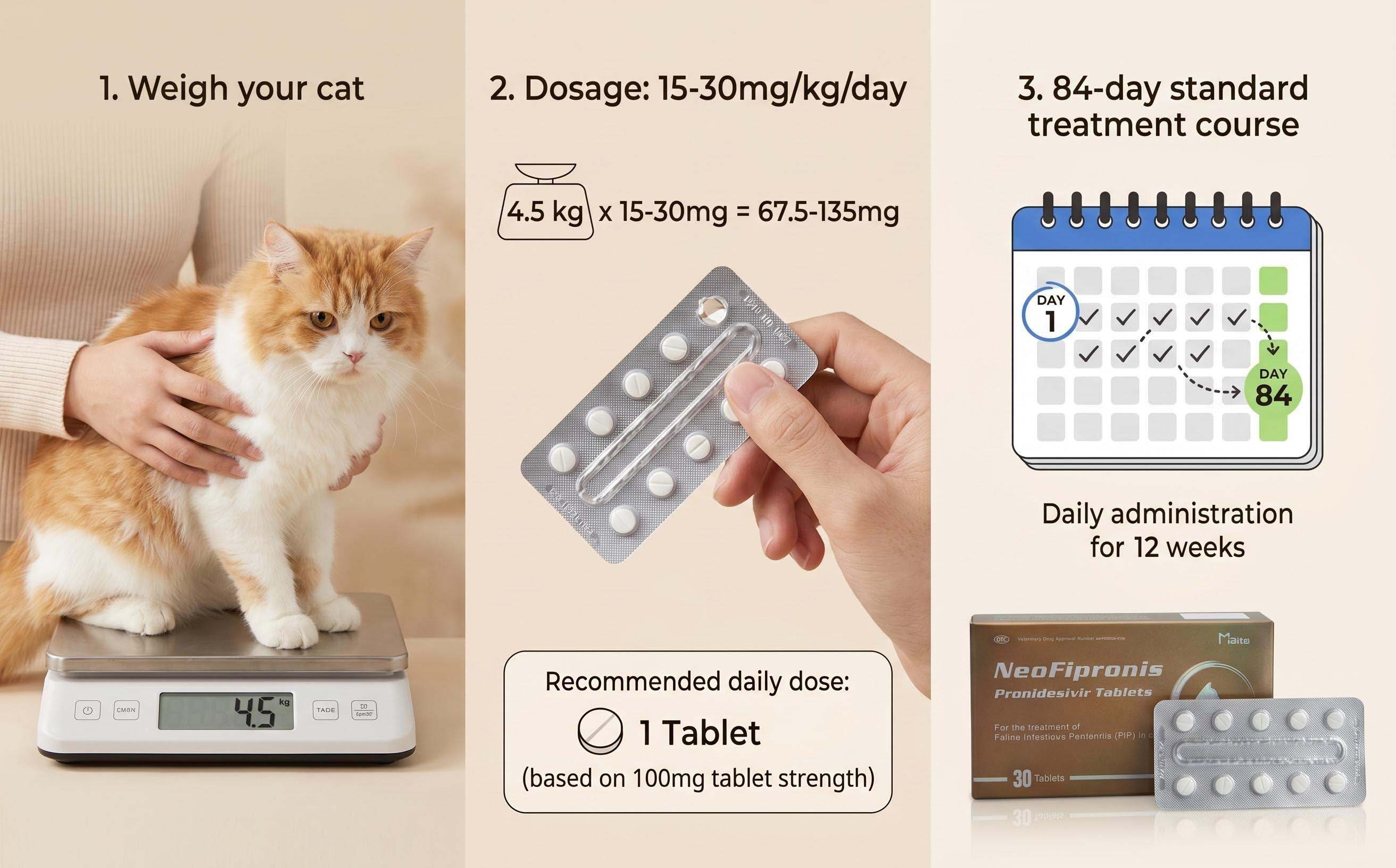
Recent breakthroughs in genetic sequencing, stem cell therapies, and antiviral drugs have opened new avenues for FIP management. Drugs like GS-441524 (a nucleoside analog) show promising results, but their availability remains limited. Ongoing breed-specific studies aim to clarify genetic links and tailor treatment regimens based on individual breed profiles.
Veterinary research increasingly focuses on personalized medicine, using breed-specific markers to forecast prognosis and guide therapy. As genetic mapping expands, breeders and veterinarians can collaborate to design optimal management strategies for high-risk populations.
References
1. Pedersen, N.C. (2009). A review of feline infectious peritonitis virus infection: 1963–2008. Journal of Feline Medicine and Surgery, 11(3), 225-258.
2. Kipar, A., & Meli, M.L. (2014). Feline infectious peritonitis: Still an enigma? Veterinary Pathology, 51(2), 505-526.
3. Addie, D.D., et al. (2012). Feline coronavirus infections: Evaluation of an experimental high titre FIPV challenge model. Veterinary Microbiology, 155(1), 32-44.
4. Licitra, B.N., et al. (2013). Mutation of the feline coronavirus spike protein determines macrophage tropism and pathogenesis in vivo. PLoS Pathogens, 9(4), e1003316.
5. Pesteanu-Somogyi, L.D., Radzai, C., & Pressler, B.M. (2006). Prevalence of feline infectious peritonitis in specific cat breeds. Journal of Feline Medicine and Surgery, 8(1), 1-5.
6. Porter, E., Tasker, S., & Day, M.J. (2004). Correlation of feline coronavirus antibody titre and the age, pedigree status, sex, and clinical history of cats. Veterinary Record, 154(24), 763-768.
7. Janeway, C.A., et al. (2001). Immunobiology: The Immune System in Health and Disease. Garland Science.
8. Takano, T., et al. (2012). Genetic aspects of feline infectious peritonitis virus pathogenesis. Veterinary Immunology and Immunopathology, 147(3-4), 261-266.
9. Pedersen, N.C., et al. (2018). Efficacy and safety of the nucleoside analog GS-441524 for treatment of cats with naturally occurring feline infectious peritonitis. Journal of Feline Medicine and Surgery, 20(4), 378-392.
10. Ikeda, A., et al. (2017). Epidemiological and clinical studies of feline infectious peritonitis among cats managed at Japanese animal shelters. Journal of Veterinary Medical Science, 79(6), 1024-1030.