How Long Should a Cat Be Observed Before Confirming FIP

Feline Infectious Peritonitis (FIP) remains one of the most challenging diagnoses in feline medicine, often presenting complex clinical signs and requiring comprehensive observation before confirmation. This article explores the appropriate period for monitoring cats suspected of FIP, discussing clinical presentation, diagnostic protocols, laboratory assessments, and evolving recommendations for veterinary practitioners. Practical guidance is provided to assist in making timely and accurate diagnostic decisions, reducing uncertainty for cat owners and clinicians alike.
Background on FIP
FIP is a disease caused by a mutation of feline coronavirus (FCoV). While FCoV is common among cats, only a small percentage develop FIP, which is almost always fatal if left untreated. FIP can manifest in two forms: effusive (wet) and non-effusive (dry). The disease is characterized by vague symptoms—weight loss, lethargy, fever—and, depending on form, fluid accumulation in body cavities or organ dysfunction. It primarily affects young cats but can be seen in adults as well.
Clinical Suspicion: Initial Observation Period
When a cat presents with signs that suggest FIP, veterinarians must act thoughtfully. Common early presentations include persistent fever unresponsive to antibiotics, poor appetite, weight loss, and lethargy. More specific symptoms, such as abdominal distention or neurological signs, may emerge later. Because these signs overlap with other conditions (e.g., lymphoma, bacterial peritonitis, toxoplasmosis), immediate diagnosis is rarely possible.
The initial observation period typically ranges from several days to several weeks (Freiche et al., 2021). Most practitioners recommend an observation window of at least seven to ten days when clinical signs are ambiguous or in early stages, extending up to a month in cases without rapid progression or severe clinical compromise (Hartmann, 2005).
Diagnostic Protocols: Timing and Interpretation
Laboratory Tests
Veterinarians rely on bloodwork, imaging, and serology to distinguish FIP from other diseases. Raised globulins, lymphopenia, anemia, and elevated protein levels in effusions are suggestive, though not conclusive. Polymerase chain reaction (PCR) testing of fluids for FCoV RNA may support diagnoses, but detection alone does not confirm FIP due to widespread coronavirus shedding in healthy cats (Felten & Hartmann, 2019).
Repeat Testing and Observation
Because lab results may fluctuate alongside disease progression, best practice is to repeat tests over several weeks. For example, if a cat’s effusive fluid initially supports a diagnosis but lacks typical protein elevations, a veterinarian may re-test after seven to fourteen days to track changes.
Imaging Studies
Ultrasound or radiographs may reveal organ changes, fluid accumulation, or masses—none of which are pathognomonic for FIP. Imaging findings should be interpreted with serial assessments, ideally spaced a week apart, to monitor progression and identify changes consistent with FIP.
When to Narrow Down Diagnosis
Veterinarians typically move toward a presumptive FIP diagnosis after consistent clinical, laboratory, and imaging findings over a minimum of ten days. However, because certain forms of lymphoma and infectious diseases can mimic FIP, definitive diagnosis may require several weeks of consistent features.
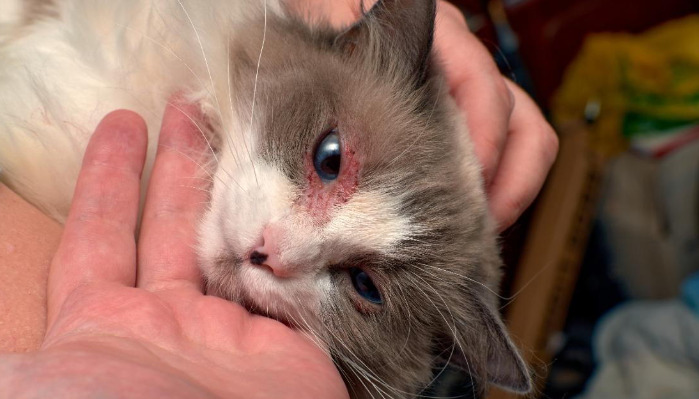
In cases where neurological or ocular signs are present, the observation period may be shorter, with diagnosis narrowed based on acute changes and exclusion of differential diagnoses.
Confirming FIP: Observation Best Practices
Experts recommend a stepwise approach:
1. Initial Visit: Collect baseline data including history, clinical signs, complete blood count, serum chemistry, and imaging.
2. First Observation Window (7-10 Days): Monitor for persistent fever, progressive weight loss, abdominal fluid, or neurologic signs that do not improve.
3. Reassessment: Repeat diagnostics if progression is observed. If ambiguous, continue observation.
4. Second Observation Window (10-30 Days): Extended monitoring is warranted in non-effusive cases or if signs are mild. Reevaluate clinical status every seven to ten days.
5. Presumptive Diagnosis: Once clinical, laboratory, and imaging findings consistently support FIP, and other differentials are ruled out, practitioners may confirm FIP.
Owner Communication During Observation
The observation period can be emotionally taxing for owners. It’s important to maintain clear communication about the rationale for awaiting confirmation, expectations for disease progression, and steps involved. Owners should be educated on signs of deterioration and advised when urgent reevaluation is required.
COVID-Related Advances in FIP Observation
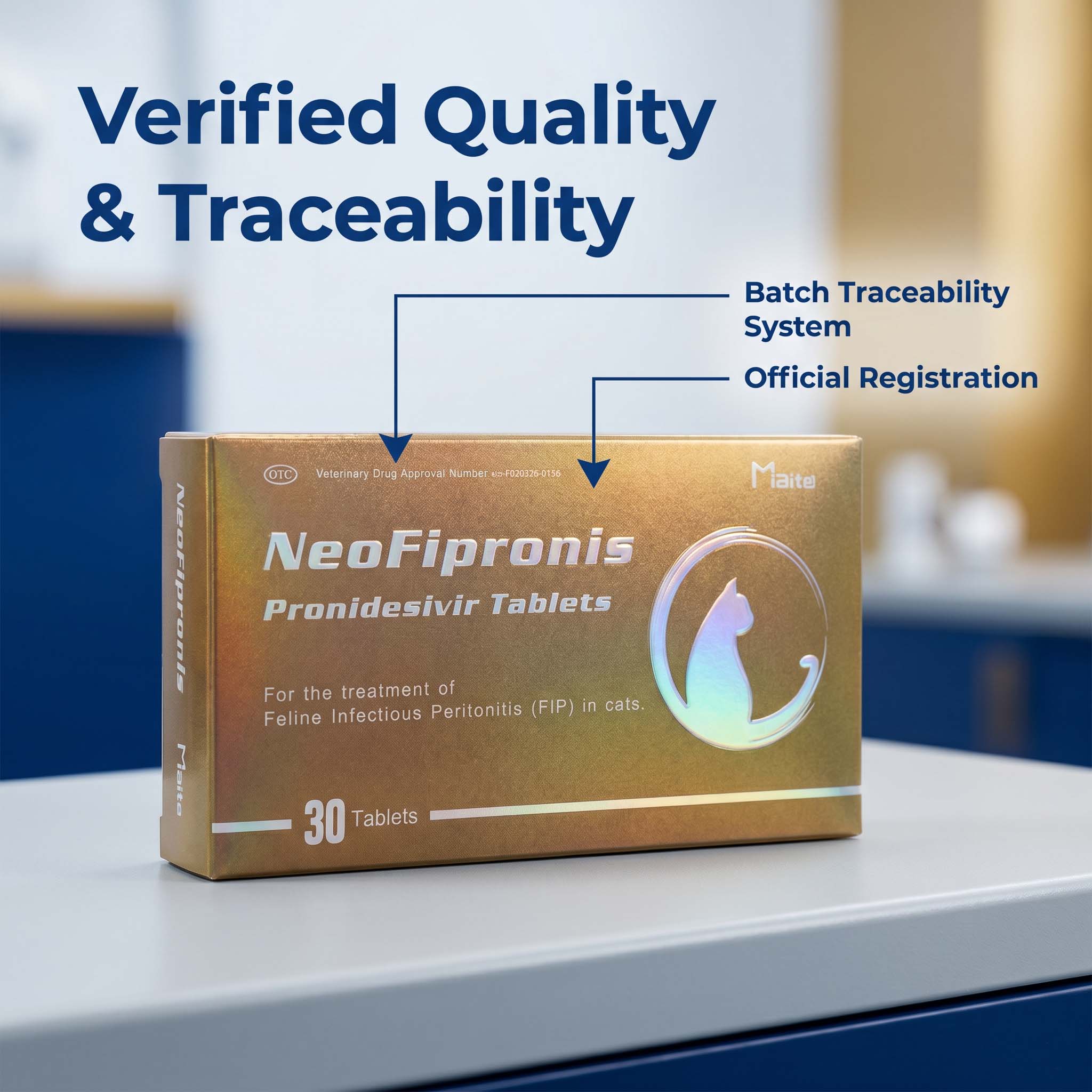
Recent research into coronavirus-related diseases following the COVID-19 pandemic has led to new antiviral treatments for FIP (Pedersen et al., 2019). Many protocols still recommend the same careful observation period prior to initiating therapy, to avoid unnecessary medication in cases where FIP is not present.
Case Studies: Practical Application
For the effusive form, cats with rapidly developing abdominal fluid may be observed for less than ten days, as classic biochemical features develop quickly. In the non-effusive form, observation is longer, as organ-specific signs and lab results take weeks to emerge.
Clinicians report cases in which effusive FIP was confirmed within five to seven days due to classic presentation, but dry FIP required two to four weeks owing to slow progression and ambiguous findings.
Conclusion: Evidence-Based Observational Guidelines
The timeframe before FIP confirmation depends on disease form, severity, and diagnostic clarity. For most cases, a minimum seven- to ten-day observation period is recommended before confirmation, possibly longer for non-effusive forms. Repeat diagnostics and careful exclusion of mimicking diseases remain paramount.
Veterinary consensus emphasizes combining clinical acumen, repeat testing, imaging, and serial observation to make an accurate diagnosis. Owners must be prepared for a variable timeline, spanning from under a week to over a month, dependent on individual presentation.
References
1. Felten, S., & Hartmann, K. (2019). Diagnosis of feline infectious peritonitis: A review of the current literature. Viruses, 11(11), 1061.
2. Hartmann, K. (2005). Feline infectious peritonitis. Veterinary Clinics of North America: Small Animal Practice, 35(1), 39-79.
3. Pedersen, N. C., Perron, M., Bannasch, M., Montgomery, E., Murakami, E., Liepnieks, M., & Liu, H. (2019). Efficacy and safety of the nucleoside analog GS-441524 for treatment of cats with naturally occurring feline infectious peritonitis. Journal of Feline Medicine and Surgery, 21(4), 271-281.
4. Freiche, V., Botherel, N., & Bourgoin, G. (2021). Feline infectious peritonitis: Current perspectives. Journal of Feline Medicine and Surgery, 23(11), 1057-1068.
5. Kipar, A., & Meli, M. L. (2014). Feline infectious peritonitis: Still an enigma? Veterinary Pathology, 51(2), 505-526.
6. Addie, D., & Jarrett, O. (2021). Feline coronavirus infections. Infectious Disease Clinics of North America, 17(1), 145-164.