NeoFipronis (Pronidesivir) Usage and Dosage Information
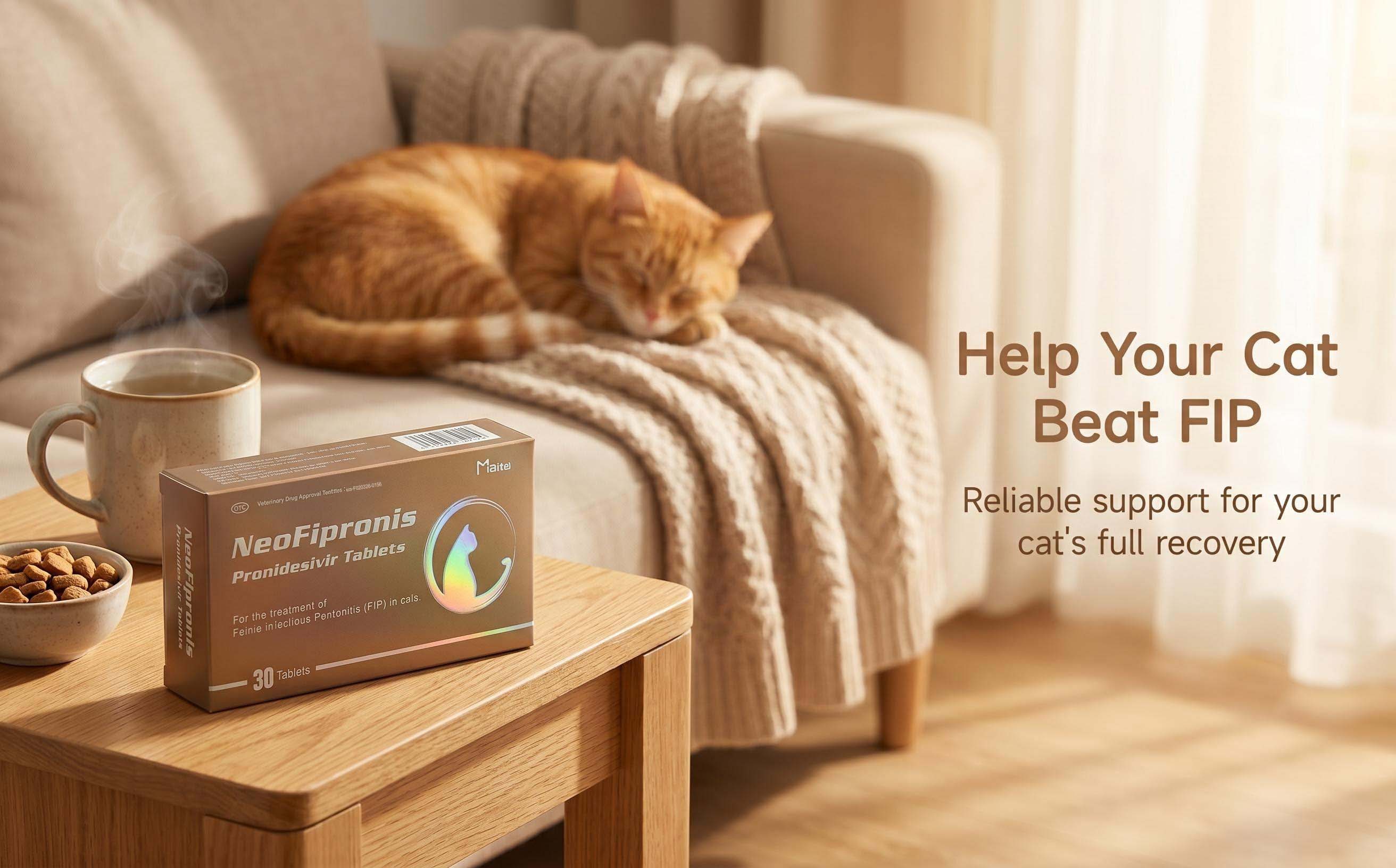
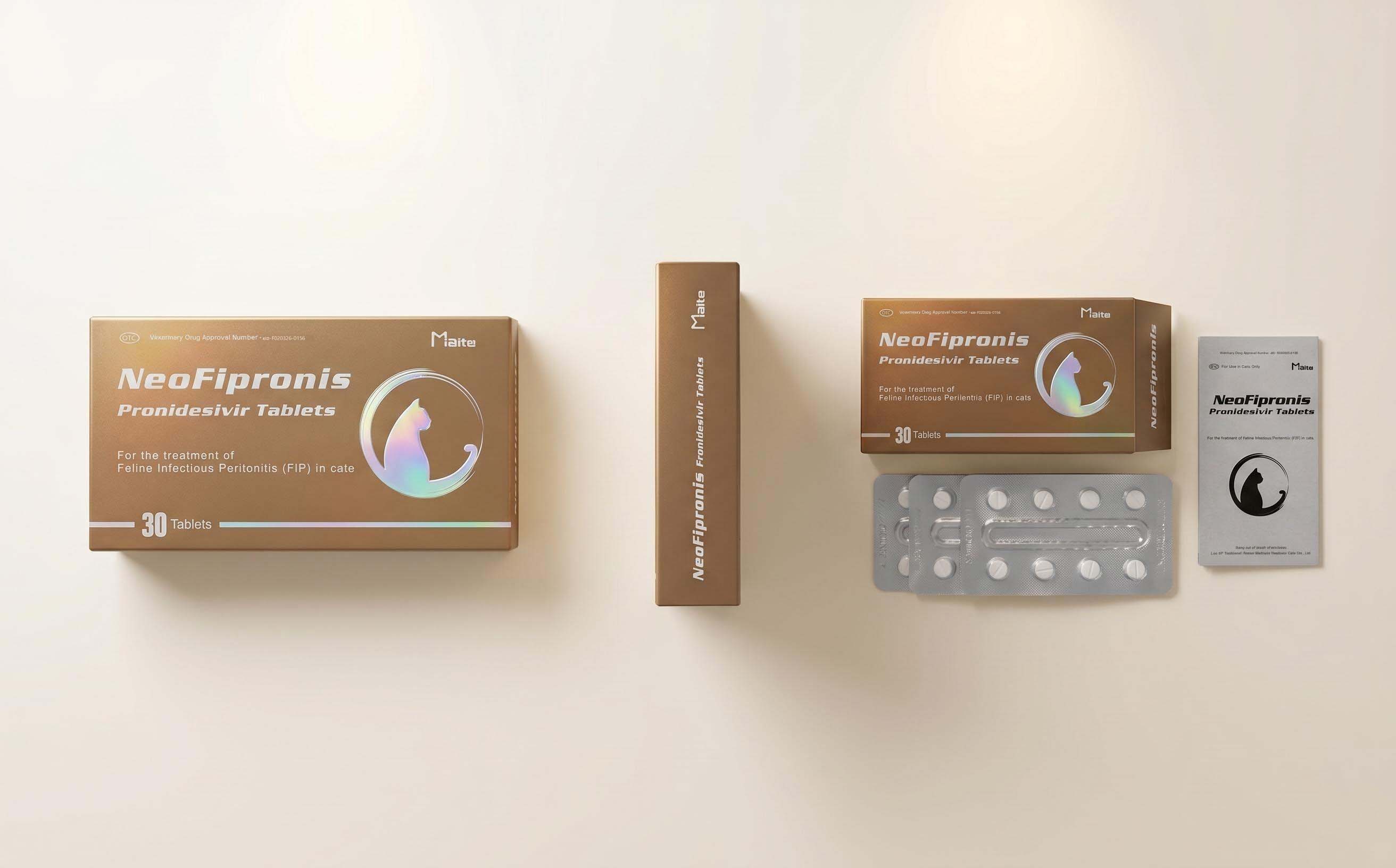
NeoFipronis (Pronidesivir) is an oral treatment option designed for cats affected by feline infectious peritonitis (FIP), a serious and often life-threatening feline coronavirus-related disease. The active ingredient is GS-441524, a nucleoside analogue that has been widely studied and used in clinical settings for FIP management. NeoFipronis is formulated for convenient oral administration, fast absorption, and practical daily use, making it a widely discussed choice for cat owners seeking FIP support.
FIP can present with a wide range of symptoms, including poor appetite, lethargy, fever, abdominal fluid accumulation, pleural effusion, enlarged lymph nodes, inflammatory granulomas, neurological signs, and ocular inflammation such as uveitis. Because FIP may affect different organ systems, prompt treatment and careful monitoring are essential. NeoFipronis (Pronidesivir) is commonly used to address these symptoms with a dosing plan tailored to the cat’s body weight and disease type.
NeoFipronis (Pronidesivir) Dosage for Cats
The standard dosage is based on body weight and should be given once daily:
Wet FIP / general FIP: 15 mg per kg of body weight daily
Neurological FIP or ocular FIP: 30 mg per kg of body weight daily, only as directed by a veterinarian
For many cats, 15 mg/kg is equivalent to half a tablet, depending on the tablet strength. Because weight-based dosing is critical, the exact amount should always be calculated carefully before each treatment cycle.
How to Administer NeoFipronis
NeoFipronis should be given once daily and is best administered on an empty stomach, ideally 1 hour before feeding or 2 hours after a meal. This helps support absorption and consistent drug exposure. Cats should receive the medication at the same time every day whenever possible to maintain stable treatment levels.
It is important to continue treatment for no less than 12 weeks. Skipping doses or stopping early may reduce treatment effectiveness and increase the risk of relapse. If a dose is missed, give it as soon as possible unless it is close to the next scheduled dose. Do not double up without veterinary advice.
Monitoring During Treatment
During the treatment period, cat owners should closely observe:
Appetite changes
Body temperature
Energy level and behavior
Abdominal swelling or breathing difficulty
Neurological or eye-related symptoms
Regular laboratory monitoring is also recommended, including:
Complete blood count
Liver function
Kidney function
These checks help assess response to therapy and overall tolerance. Even though NeoFipronis (Pronidesivir) is often considered an over-the-counter product, veterinary guidance is strongly recommended to ensure safe and effective use.
Safety, Warnings, and Purchase Information
NeoFipronis is for cats only and must not be used in humans. As with any FIP medication, product quality, authenticity, and proper sourcing matter. Owners are advised to purchase through the official NeoFipronis website or other verified channels to help ensure product quality and consistency.
For cats diagnosed with FIP, NeoFipronis (Pronidesivir) offers a practical oral GS-441524-based option that may help improve appetite, reduce fever, support fluid control, and address more complex neurological or ocular signs when used at the correct dosage under veterinary supervision.