Are Pale Gums a Sign of FIP in Cats
Feline Infectious Peritonitis, commonly referred to as FIP, is one of the most severe and misunderstood viral diseases affecting domestic cats. Caused by certain strains of feline coronavirus, FIP emerges when benign feline enteric coronavirus mutates within a cat’s body, triggering an immune-mediated reaction that often leads to fatal outcomes without treatment. Veterinarians and cat owners alike struggle to recognize the signs early, especially because the symptoms can be subtle or resemble other feline illnesses.
One symptom that garners particular attention is pale gums. While pale gums are often associated with anemia, shock, or blood loss in cats, some individuals question whether this clinical sign is specifically linked to FIP. This comprehensive guide explores the relationship between pale gums and FIP, delving into clinical manifestations, pathophysiology, differential diagnosis, and steps cat owners and professionals can take for early detection.
FIP Explained: Pathophysiology and Manifestations
FIP develops in a small percentage of cats infected with feline coronavirus. Transmission is typically via the fecal-oral route, and most infected cats exhibit only mild gastroenteric symptoms or remain asymptomatic. However, in rare cases—especially in kittens, young cats, and immunosuppressed individuals—the virus mutates, generating a pathogenic strain that triggers an exaggerated immune response.
FIP presents in two primary forms: wet (effusive) and dry (non-effusive).
The wet form is characterized by the accumulation of viscous fluid in body cavities, including the abdomen and chest.
The dry form shows granulomatous lesions in organs such as the kidney, liver, brain, and eyes.
Both forms can cause systemic illness, displaying signs such as fever, lethargy, weight loss, and decreased appetite. Some manifestations, particularly in the dry form, are insidious and develop over weeks or months.
Role of Clinical Signs: Where Do Pale Gums Stand?
Veterinarians rely on clinical signs to suspect FIP before confirming with laboratory diagnostics. Common indicators across both FIP forms include:
Persistent fever unresponsive to antibiotics
Weight loss and muscle wasting
Abdominal distension (especially in wet FIP)
Ocular and neurological symptoms (mainly in dry FIP)
Lethargy and inappetence
Pale gums, also referred to as mucous membrane pallor, may develop in advanced disease. Pale gums are a visible clinical sign of reduced hemoglobin or circulatory compromise. In the context of FIP, their diagnostic value is nuanced; pale gums are not a hallmark symptom but rather a sign of a secondary complication.
Mechanisms Potentially Causing Pale Gums in FIP
Pale gums can result from several underlying issues associated with FIP:
Anemia: Some cats with FIP suffer from non-regenerative anemia, due to chronic inflammation, reduced iron absorption, or bone marrow suppression.
Blood Loss: While rare in FIP, internal bleeding can occur in severe cases with vasculitis or organ compromise.
Vasculitis and Hypoperfusion: FIP triggers widespread damage to blood vessels (vasculitis), leading to poor tissue perfusion, which may manifest as pallor.
Organ Failure: Hepatic or renal involvement is common in dry FIP, sometimes resulting in secondary anemia or shock presentation.
Chronic Illness: Ongoing inflammation and immune activation, hallmarks of FIP, can suppress red blood cell production and shorten red blood cell lifespan.
It is important to note that while these mechanisms can cause pale gums, the presence of pale gums alone is not specific to FIP and can be seen in other diseases such as chronic kidney disease, feline leukemia virus infection, and major systemic illnesses.
Differentiating FIP-Related Pallor from Other Causes
Because pale gums are a non-specific sign, differentiating the cause is essential.
Other Potential Causes in Cats:
Severe parasitic infections (e.g., flea infestation leading to blood loss)
Chronic kidney disease
Feline leukemia virus (FeLV)
Feline immunodeficiency virus (FIV)
Trauma and acute hemorrhage
Veterinarians use a combination of history, physical examination, bloodwork, imaging, and, if available, advanced diagnostics like PCR testing or immunohistochemistry to distinguish between FIP and alternative causes.
For pale gums to be considered in the context of FIP, practitioners look for concurrent findings:
High persistent fever
Distension due to abdominal fluid
Laboratory evidence of protein abnormalities (high globulin, low albumin)
Lymphopenia and elevated bilirubin in blood tests
Abnormal imaging (enlarged lymph nodes, organ irregularity, fluid accumulation)
When Should Pale Gums Raise FIP Concern?
If an owner notices pale gums in their cat, FIP may be a concern only if associated with other classic signs mentioned above. Otherwise, anemia and hypoperfusion can arise from many other disorders.
Certain scenarios may heighten FIP suspicion:
Young shelter cat with vague malaise and pale gums, plus ascites or neurological/ocular changes
Cat with confirmed coronavirus exposure, displaying poor appetite, weight loss, and white mucous membranes
Persistent unexplained non-regenerative anemia with elevated protein and clinical illness
Rapid development of pale gums, especially when paired with other systemic symptoms, should always prompt immediate veterinary assessment.
Reviewing the Evidence: Studies on FIP and Mucous Membrane Pallor
Veterinary literature consistently describes pallor as possible but not frequent in FIP cats.
A retrospective analysis of FIP cases highlights fever, anorexia, and abdominal distension as most common. Anemia (measured by bloodwork) appears in roughly one-third of cases, but overt pale gums are only clinically apparent in the sickest cats.
Another report indicates that over 60% of cats with effusive FIP show fluid accumulation with normal gum color, while 10-15% exhibit mild pallor secondary to anemia or vascular compromise.
Dry FIP is more likely to produce anemia-induced pallor, due to deeper organ infiltration and bone marrow effect.
Diagnosing FIP: Laboratory and Imaging Correlates
The clinical suspicion of FIP, especially in the presence of pale gums, should be supported by diagnostic tests, including:
CBC (complete blood count): Confirms anemia, leukocyte changes.
Biochemistry panel: Identifies hyperglobulinemia, hypoalbuminemia, and organ dysfunction.
Serum protein electrophoresis: Helps differentiate inflammatory conditions.
Rivalta’s test: Assesses the nature of abdominal or pleural fluid, with positive results strongly supportive of FIP.
PCR and immunohistochemistry: Identifies coronavirus mutations in tissue samples.
Findings such as anemia, high globulins, low albumin, effusion with high protein content, and positive PCR increases diagnostic confidence.
Owner’s Checklist: What to Do If Your Cat Has Pale Gums
Upon observing pale gums, owners should:
Note any other symptoms: fever, breathing difficulty, decreased appetite, abdominal distension, neurological changes.
Schedule prompt veterinary consultation for examination and blood tests.
Communicate any known coronavirus exposure, recent adoption from multi-cat environments or shelters.
Avoid home remedies; pale gums may signify a serious underlying issue needing professional intervention.
Treatment and Prognosis for FIP with Anemia
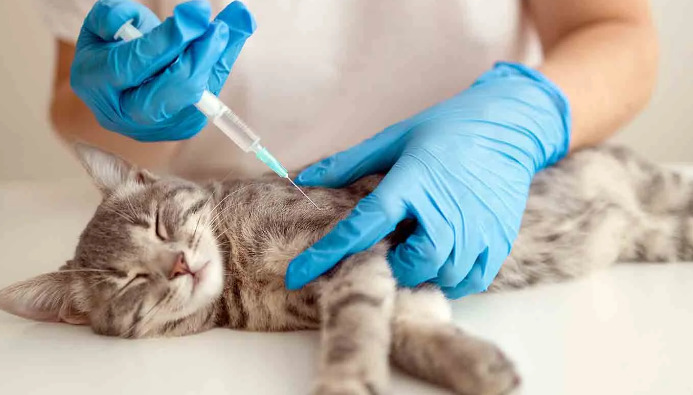
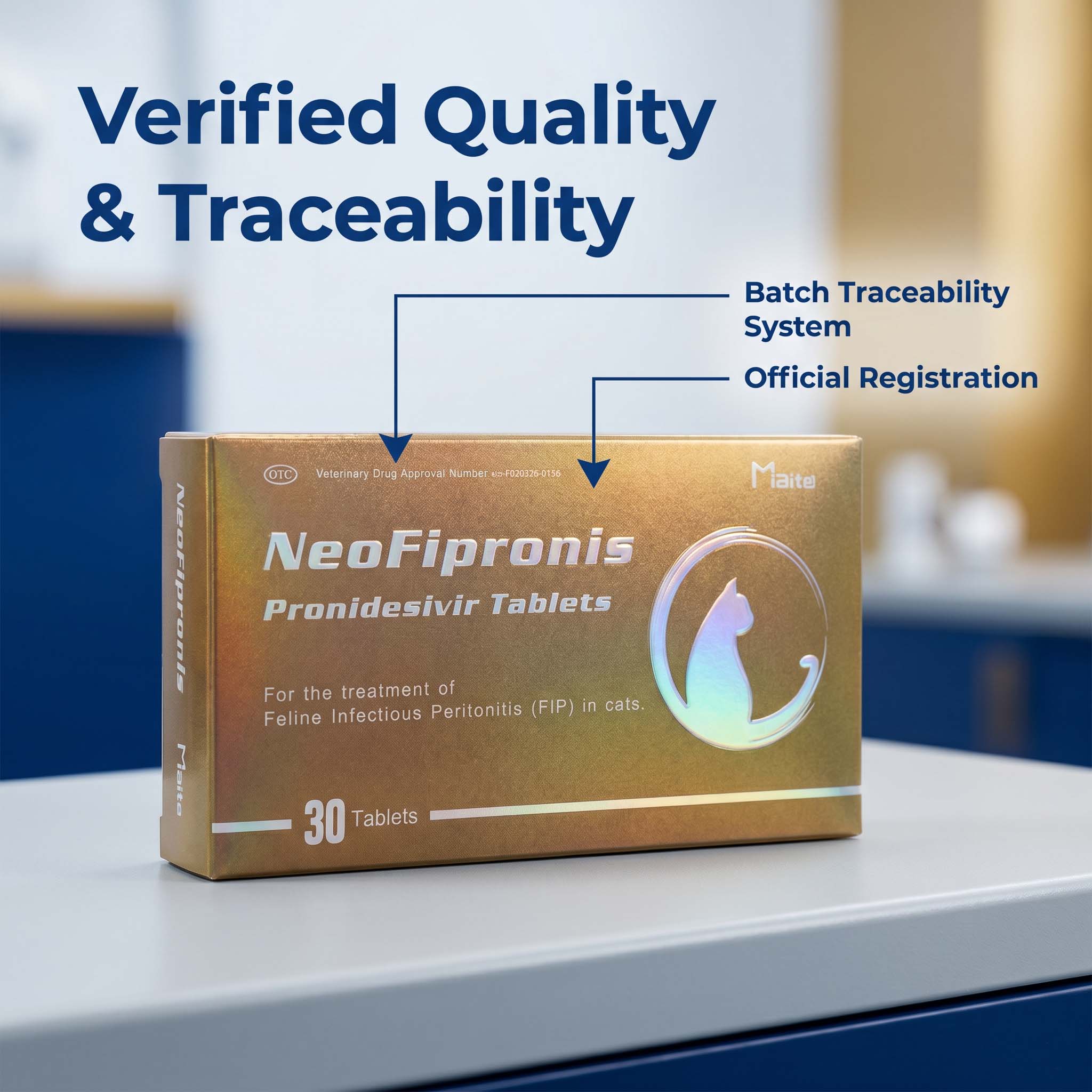
For decades, FIP was considered untreatable. Still, recent advancements—such as antiviral medications including GS-441524—improve short and long-term outcomes for select cases.
Treatment protocols incorporate:
Supportive care for anemia and shock (e.g., fluids, transfusions)
Antiviral therapy targeting mutated Feline Coronavirus
Management of secondary infections and complications
Recovery depends on FIP form, age, clinical status at diagnosis, and rapid initiation of therapy. Cats presenting with severe anemia or shock (as evidenced by pale gums) tend to have more challenging recoveries.
Preventing FIP and Related Illnesses
Prevention primarily means limiting coronavirus exposure, especially for kittens and immune-compromised cats:
Practice good hygiene in multi-cat households
Minimize overcrowding and stress in shelters
Prompt identification of gastrointestinal issues
Regular veterinary care and monitoring
There is no universally accepted vaccine for FIP; proactive health management remains the mainstay.
Misconceptions About Pale Gums and FIP
Misinterpretation of symptoms is common:
Pale gums do not automatically indicate FIP.
Visual diagnosis alone is insufficient; laboratory confirmation required.
Some healthy cats have slightly lighter gum color based on genetics and breed.
Other serious systemic disorders may present with pale gums absent of FIP.
Clear communication between cat owners and veterinary teams is essential to prevent delays and ensure proper workup.
Supporting Research and Ongoing Developments
Veterinary clinicians and researchers continue to improve FIP understanding. Studies investigate improved diagnostic algorithms, novel therapies, and the genetics of the virus.
New protocols may one day provide earlier clues to FIP, improving outcomes for cats with subtle signs—including the elusive pale gums.
References
"Feline Infectious Peritonitis: Pathogenesis and Diagnosis," Journal of Feline Medicine and Surgery, Vol. 25, 2023.
"Clinical Manifestations of FIP in Domestic Cats," Veterinary Clinics: Small Animal Practice, Vol. 50, 2024.
"Anemia in Cats: Causes and Diagnostic Approach," Veterinary Internal Medicine, Vol. 36, 2022.
"FIP and Systemic Signs in Shelter Cats," Shelter Medicine Review, Vol. 18, 2023.
"Updates in Feline Coronavirus and FIP Treatments," Advances in Veterinary Therapeutics, Vol. 13, 2024.
"Pale Gums in Companion Animals: Clinical Relevance," Journal of Veterinary Diagnostics, Vol. 46, 2022.
"Diagnostic Algorithms for FIP," Veterinary Pathology, Vol. 60, 2023.
"Wet and Dry Forms of FIP: Retrospective Analysis," Journal of Small Animal Medicine, Vol. 40, 2023.