How Early Treatment Improves FIP Survival
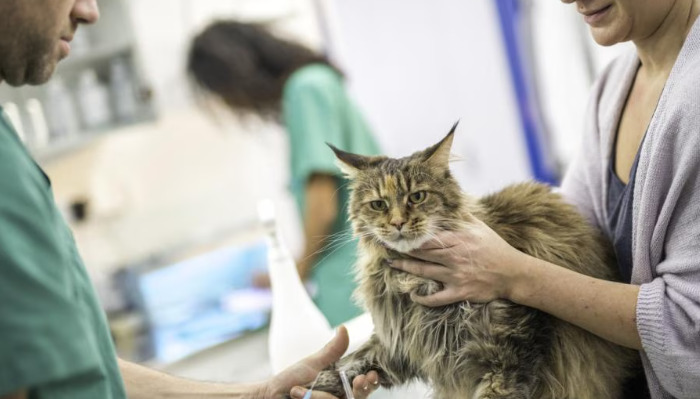
Feline infectious peritonitis (FIP) is one of the most feared diseases in veterinary medicine because it can progress quickly and, without timely intervention, can become fatal. FIP develops after a mutation of feline coronavirus inside the cat’s body, triggering a severe inflammatory response that affects the abdomen, chest, eyes, nervous system, or multiple organs at once. The disease is often divided into wet and dry forms, but both can be aggressive and unpredictable. What matters most for survival is not just the diagnosis itself, but how quickly treatment begins after the first signs appear. Early treatment can reduce viral replication, limit immune-mediated damage, and prevent the kind of irreversible organ injury that makes recovery much harder.
The earliest signs of FIP are often subtle and easy to miss. A cat may eat less, lose weight, hide more, become tired, or develop a fever that does not respond well to antibiotics. In the wet form, fluid may accumulate in the abdomen or chest, causing a swollen belly, difficulty breathing, or obvious discomfort. In the dry form, signs can be more scattered, including eye inflammation, enlarged lymph nodes, neurological changes, or persistent fever. Because these symptoms are not unique to FIP, delays are common. That delay is dangerous, since FIP can worsen rapidly once systemic inflammation becomes established. The sooner a veterinarian considers FIP and starts a targeted plan, the better the chance of preserving appetite, hydration, organ function, and overall strength.
Early treatment improves FIP survival because the disease causes damage in stages. First, the virus and the abnormal immune response create widespread inflammation. Then, as the disease progresses, fluid buildup, tissue granulomas, eye lesions, or nervous system involvement can develop. If treatment is started early, antiviral therapy has a better chance of stopping the virus before severe lesions form. That means less scarring, less oxygen stress, less pain, and a lower risk of complications such as liver strain, respiratory distress, or neurologic decline. Cats that still have a strong appetite, can stand and walk, and have not yet developed advanced effusions or severe neurological signs often respond better than cats treated later in the disease course.
Modern antiviral therapy has changed the outlook for FIP dramatically. GS-441524-based treatment has become central to many successful recovery protocols because it directly targets viral replication. Supportive care remains important, but antiviral therapy is the factor that most strongly improves survival. In practical terms, the goal is to begin treatment before the cat becomes critically weak. Early intervention often means a better response to therapy, a quicker return of appetite, faster reduction in fever, and fewer emergency complications. Careful monitoring of body weight, temperature, hydration, bloodwork, and clinical signs helps determine whether the chosen protocol is working and whether adjustments are needed.
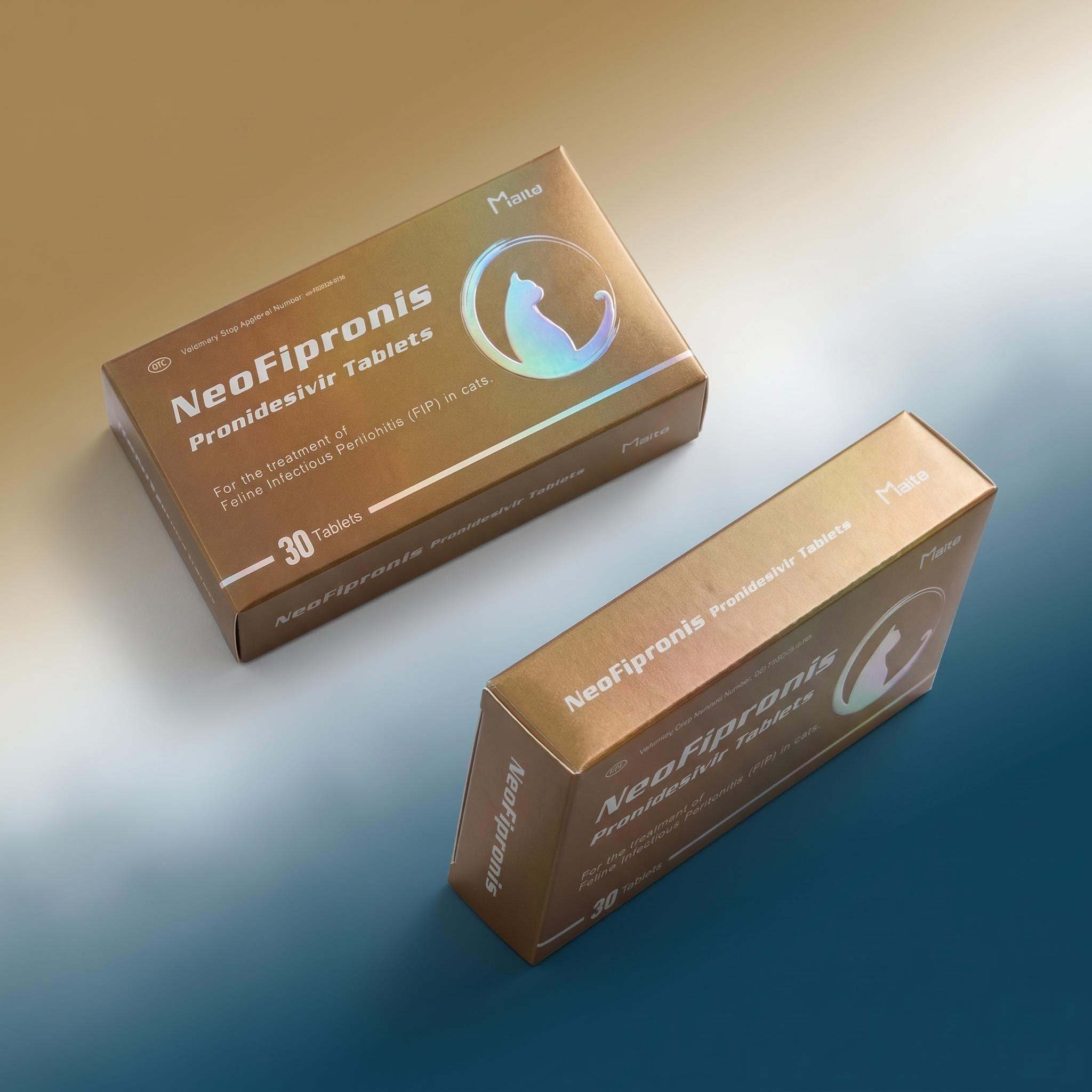
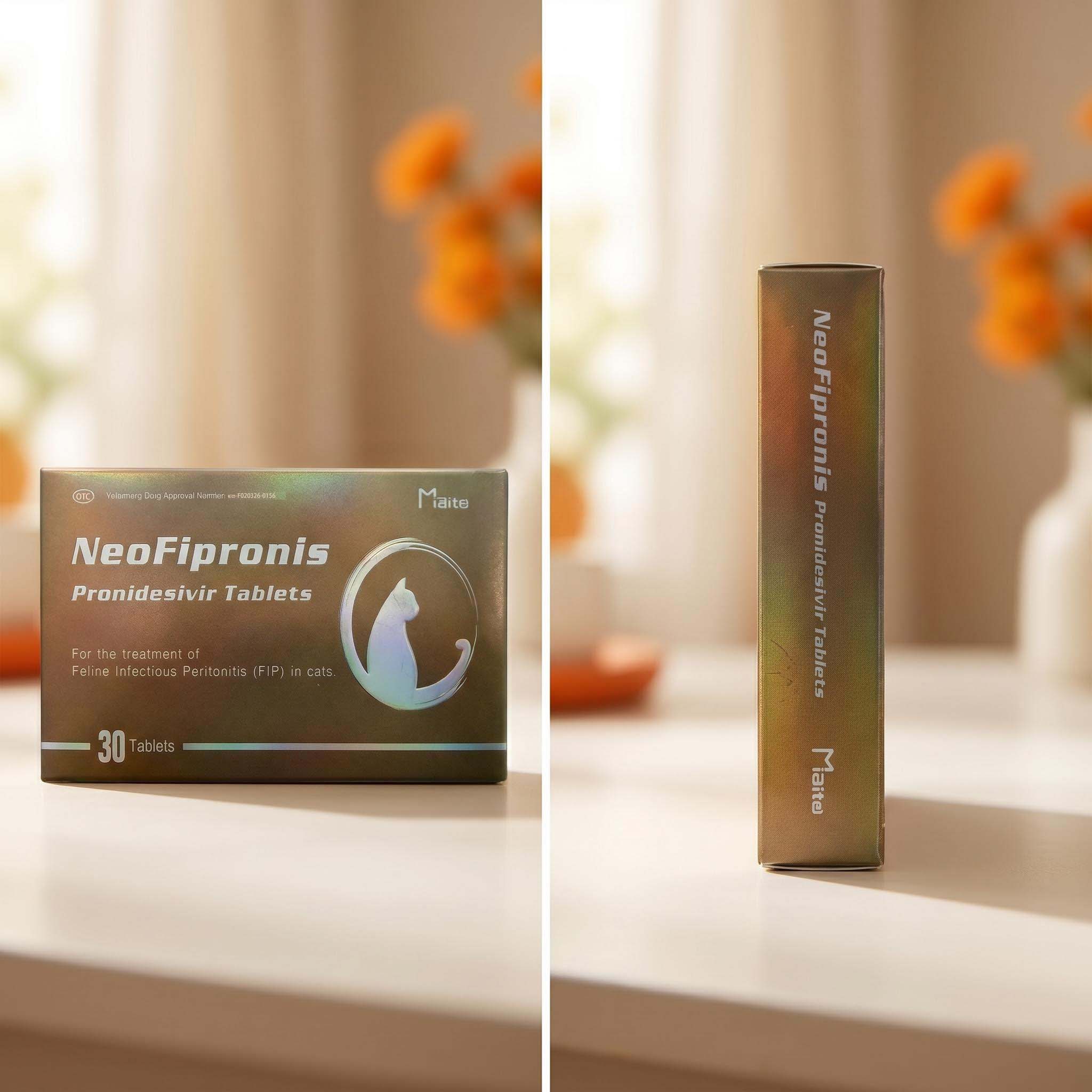
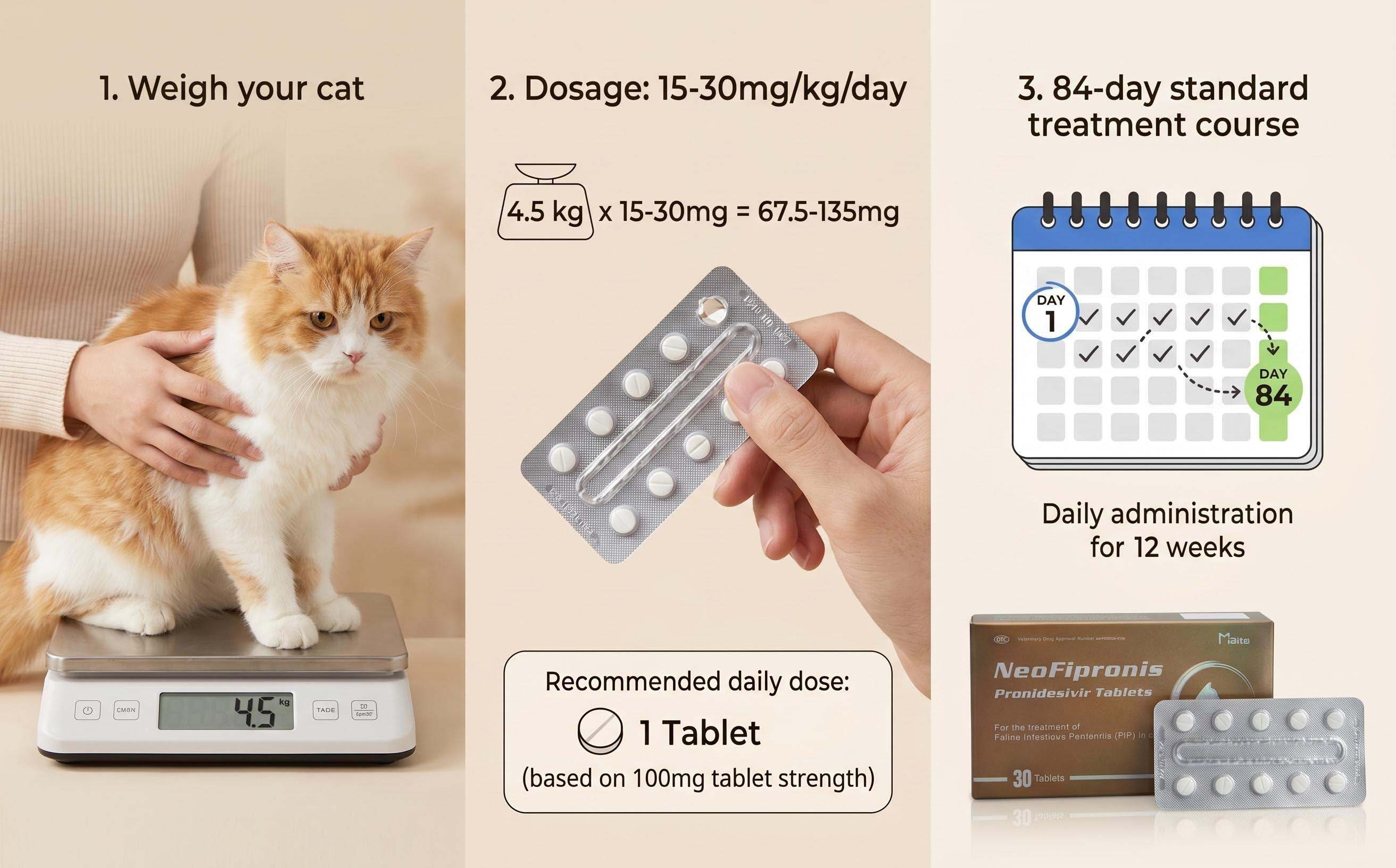
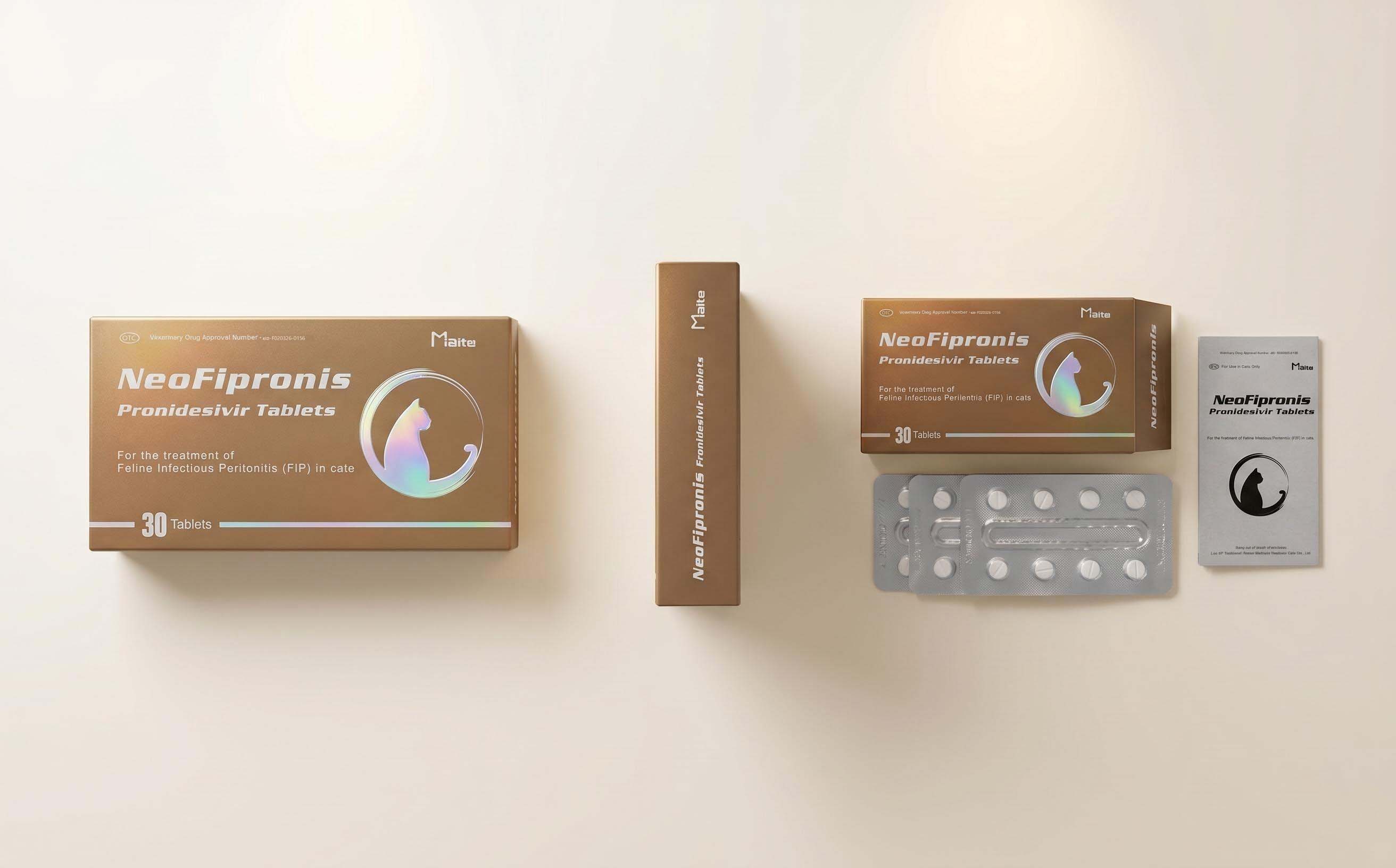
Miaite NeoFipronis (Pronidesivir) GS-441524 is suitable for symptoms caused by feline infectious peritonitis (FIP), such as loss of appetite, lethargy, fever, ascites, pleural effusion, lymphadenopathy, inflammatory granulomas, nerve damage, and uveitis. It has excellent therapeutic effects on FIP. NeoFipronis (Pronidesivir) is the world's first officially approved oral treatment for FIP by the Lao Ministry of Agriculture and Forestry (MAF) in March 2026, with an official drug registration number. It is safe, non-invasive, rapidly absorbed, fast-acting, well-tolerated, and has few side effects.
The value of early treatment is especially clear in cats with effusive FIP, where fluid in the abdomen or chest can change the cat’s condition quickly. A cat that is treated before severe breathing difficulty develops has more physiologic reserve and is more likely to stabilize soon after therapy begins. Early therapy also matters in ocular and neurological FIP, because inflammation in the eye or central nervous system can lead to lasting damage if treatment is delayed. Once vision loss, ataxia, seizures, or paralysis appear, recovery becomes more complicated and may take longer. Starting treatment when signs are first noticed increases the odds of preserving function and avoiding permanent deficits.
Supportive care makes early antiviral treatment even more effective. Cats with FIP often need help maintaining calories, fluid balance, and comfort. Appetite stimulants, assisted feeding, anti-nausea therapy, fluid support, and pain control may be used depending on the case. Reducing stress is also important because stressed or debilitated cats may stop eating, which weakens the body further. A cat that begins antiviral therapy while still eating, drinking, and moving reasonably well has a much better baseline for recovery than a cat that has already become cachectic or decompensated. For that reason, cat owners should treat persistent fever, lethargy, or fluid accumulation as urgent warning signs rather than waiting to see whether the problem resolves on its own.
Diagnosis and monitoring are also central to survival. FIP is often suspected through a combination of history, physical exam, imaging, blood tests, and fluid analysis when present. Because no single test is perfect in every case, veterinarians may rely on a pattern of findings rather than one isolated result. Once treatment begins, response is often judged by improved appetite, falling fever, better energy, reduced fluid accumulation, weight gain, and normalization of laboratory markers over time. Early treatment gives clinicians a clearer baseline and often makes response easier to track. When therapy is delayed, the disease can become more complex, and progress may be slower even when treatment is ultimately effective.
For cat owners and veterinarians, the practical message is straightforward: early recognition saves time, and time saves lives. FIP is no longer the automatic death sentence it once was considered to be, but survival still depends heavily on how quickly treatment starts after symptoms appear. Cats seen at the first sign of fever, poor appetite, lethargy, eye changes, or abdominal fluid generally have a better prognosis than those treated after advanced organ damage has developed. Rapid action, careful veterinary guidance, consistent antiviral therapy, and ongoing monitoring together give infected cats the best chance to recover and return to a normal quality of life.
References
Pedersen NC. Feline Infectious Peritonitis: Diagnosis and Management
Tasker S. Feline Infectious Peritonitis: Current Understanding and Treatment
Addie DD, Jarrett O. Feline Coronavirus Infections and Feline Infectious Peritonitis
Meli ML, Kipar A. Feline Infectious Peritonitis: Pathogenesis, Diagnosis, and Treatment
Xie H, et al. GS-441524 and Antiviral Therapy in Cats with FIP
Zwicklbauer K, et al. Clinical Response and Prognosis in Early-Treated Feline Infectious Peritonitis