What Are the Contraindications and Precautions of NeoFipronis (Pronidesivir)

NeoFipronis (Pronidesivir) is an oral GS-441524-based treatment used in cats with feline infectious peritonitis (FIP), a serious coronavirus-associated disease that can cause fever, poor appetite, lethargy, abdominal fluid, pleural effusion, enlarged lymph nodes, inflammatory granulomas, neurologic signs, and ocular inflammation such as uveitis. For many cats, timely antiviral therapy can make a major difference, but safe use depends on careful screening, proper dosing, and ongoing monitoring throughout treatment.
The most important contraindication is a known or suspected hypersensitivity to GS-441524 or any tablet ingredient. Any cat that has previously shown severe allergic reactions, unusual swelling, intense vomiting, collapse, or breathing difficulty after an antiviral product should be evaluated by a veterinarian before receiving another dose. NeoFipronis should also never be used in humans or in non-feline species, because the formulation, dose, and safety profile are intended for cats only. If a cat is already critically unstable, severely dehydrated, or unable to keep medication down, treatment may need to be delayed or given under veterinary supervision so absorption and supportive care can be managed correctly.
Extra caution is needed in cats with significant liver disease, kidney impairment, persistent vomiting, marked dehydration, or severe anemia, because these conditions can complicate recovery and make monitoring more important. While GS-441524 is generally considered well tolerated, underlying illness can change how a cat responds to therapy. Cats with neurologic FIP or ocular FIP are not excluded from treatment, but they often require higher dosing and closer veterinary guidance, because underdosing can slow improvement and increase the risk of treatment failure.
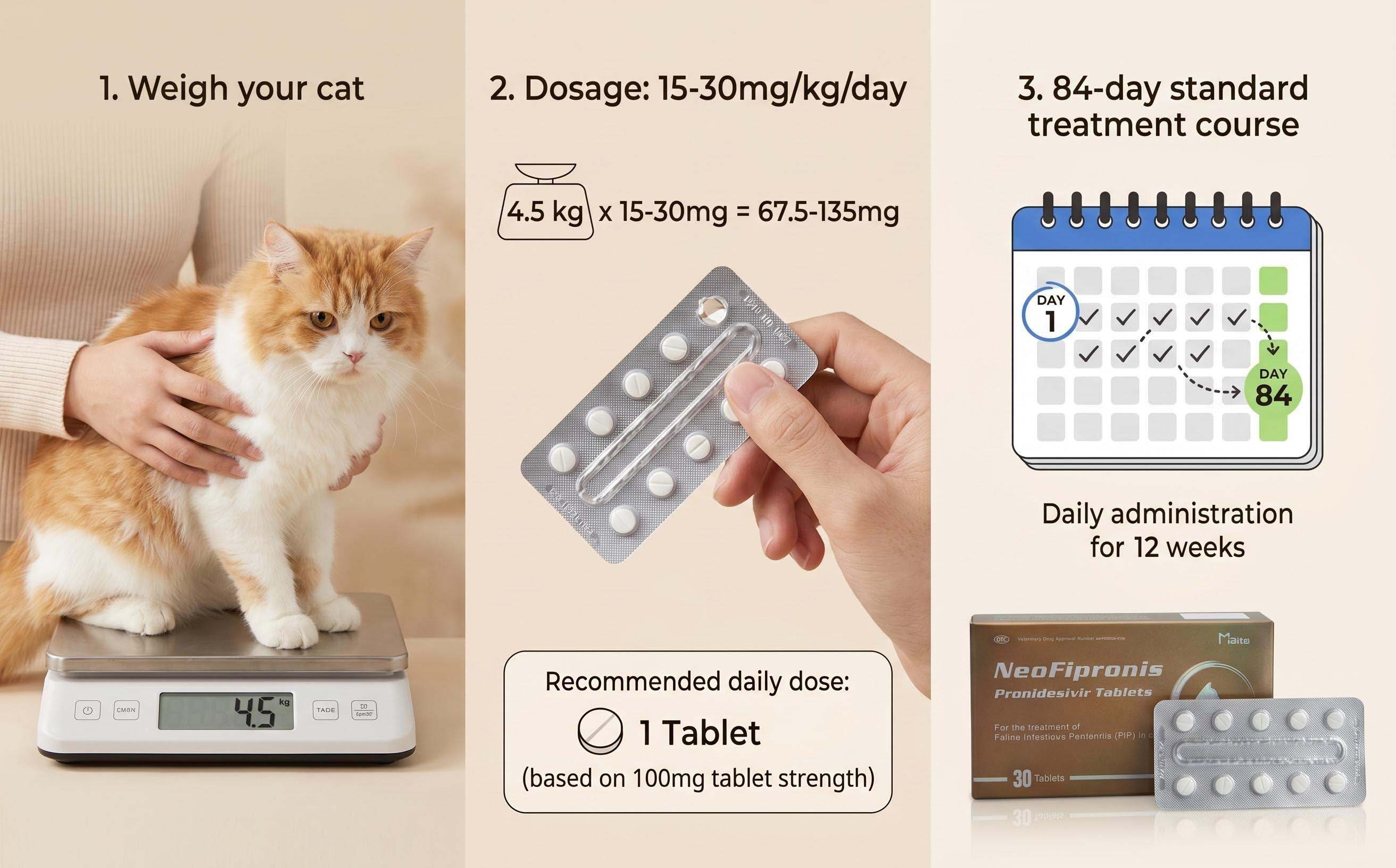
Before starting NeoFipronis, confirm the FIP diagnosis as carefully as possible. FIP can resemble other inflammatory, infectious, or neoplastic diseases, and cats may need bloodwork, imaging, and fluid analysis to support the diagnosis. Once treatment begins, the cat should receive the dose based on body weight, and the medication should be given once daily as directed. Missing doses, stopping early, or changing the dose without advice can reduce antiviral pressure and may allow symptoms to return. Consistent daily administration for at least 12 weeks is commonly recommended, and longer courses may be necessary in complicated cases.
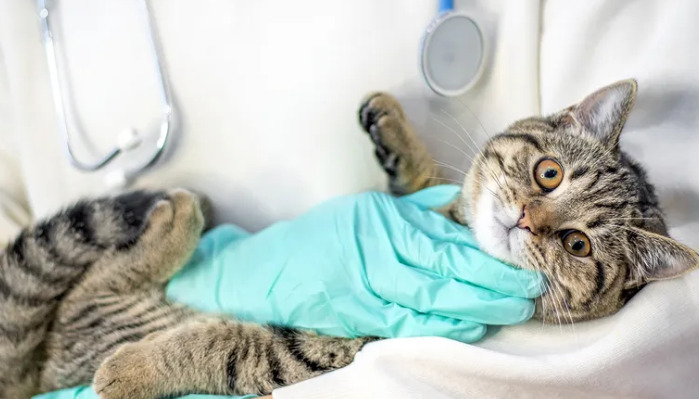
Monitoring is a key precaution during the entire treatment period. Watch appetite, body temperature, energy level, breathing, urination, and stool quality every day, and arrange regular blood tests to follow red and white blood cell counts, liver enzymes, kidney function, and overall response to therapy. If a cat becomes more lethargic, develops worsening jaundice, repeated vomiting, new neurologic signs, or increasing abdominal or chest fluid, veterinary reassessment is needed promptly. Cats receiving other medications should also be checked for possible interactions, especially if they are already on drugs that affect the liver, kidneys, or gastrointestinal tract.
Pregnant or nursing cats should only receive NeoFipronis under direct veterinary guidance, because safety data in these situations may be limited. Storage, tablet integrity, and product authenticity also matter, so use only verified sources and keep the medication in appropriate conditions. For the best outcome in FIP treatment, NeoFipronis should be used as part of a veterinary plan that combines accurate diagnosis, correct dosing, careful monitoring, and rapid response to any warning signs.