What Is the Function of NeoFipronis (Pronidesivir)
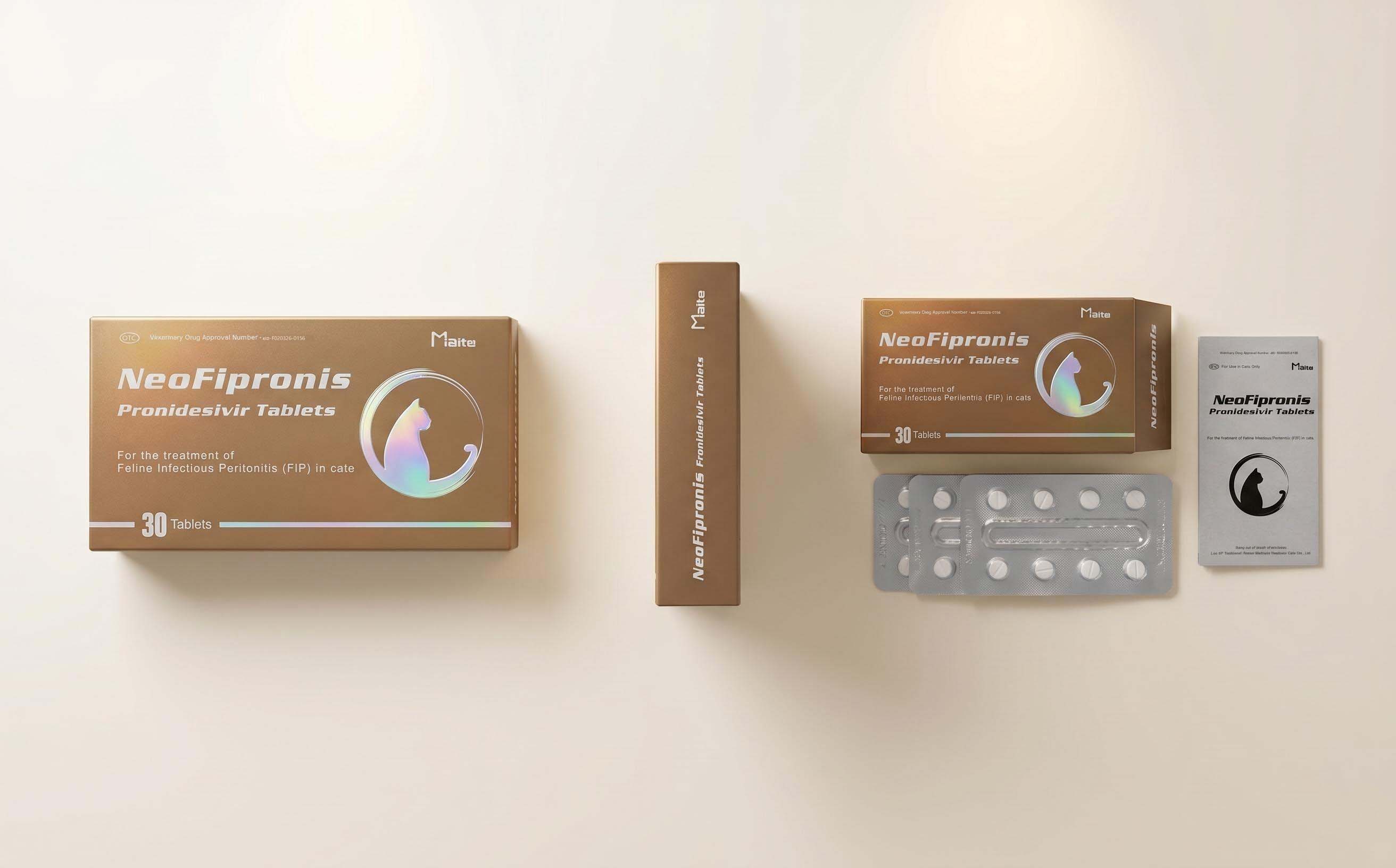
NeoFipronis (Pronidesivir) is an oral FIP treatment for cats designed to support recovery from feline infectious peritonitis (FIP), a serious and often life-threatening viral disease caused by feline coronavirus mutation. Its active ingredient is GS-441524, a nucleoside analog that targets viral replication and helps reduce the spread of infection inside the body. For cats showing signs such as loss of appetite, lethargy, fever, abdominal fluid buildup, chest fluid, enlarged lymph nodes, inflammatory granulomas, neurological symptoms, or uveitis, this therapy is widely discussed as a practical option for antiviral support.
The main function of NeoFipronis (Pronidesivir) is to inhibit the virus responsible for FIP, giving the cat’s immune system a better chance to recover. By reducing viral activity, it may help improve common FIP-related symptoms, including persistent fever, weakness, poor appetite, weight loss, and fluid accumulation. In many cases, cat owners and veterinarians look for oral GS-441524 options because they are non-invasive, easy to administer, and suitable for long treatment plans. NeoFipronis is marketed as fast-absorbing, well tolerated, and convenient for daily use.
NeoFipronis (Pronidesivir) is often positioned as a breakthrough oral medication for feline infectious peritonitis. According to product information, it has an official drug registration and is sold as a registered veterinary medicine in Laos. The appeal of this treatment lies in its combination of oral delivery, rapid onset, and manageable safety profile. Because FIP can affect different organs and appear in wet, dry, ocular, or neurologic forms, having an oral antiviral option makes treatment more accessible for many cat owners. The product is also described as having relatively few side effects compared with more invasive approaches.
Dosage is typically based on body weight. The common recommendation is 15 mg per kilogram of body weight per day, which is often described as half a tablet, with once-daily administration. For neurologic or ocular FIP, veterinarians may recommend increasing the dose to 30 mg per kilogram under professional guidance. It is generally suggested to give the medication on an empty stomach, either one hour before feeding or two hours after a meal. Treatment should continue for no less than 12 weeks, and missed doses should be avoided to maintain stable antiviral activity.
During treatment, cat owners should monitor appetite, temperature, activity level, and overall condition closely. Regular blood tests, along with liver and kidney function checks, are recommended throughout the course of therapy. Although NeoFipronis (Pronidesivir) may be available without a prescription in some regions, veterinary supervision remains the safest approach, especially for cats with severe symptoms or complex FIP forms. This product is intended only for cats and must not be used by humans. For product authenticity and quality assurance, purchasing through the official NeoFipronis website is strongly advised.