How to Reduce Psychological Stress in Cats
Cats are cherished family members for millions of Americans, with their health and happiness a top concern for pet owners. Feline Infectious Peritonitis (FIP) is a daunting disease, often causing severe stress for both cats and their guardians. Psychological stress can significantly impact the well-being and recovery chances of affected cats. Recognizing, understanding, and reducing psychological stress is essential for managing FIP and promoting a better quality of life. This guide offers evidence-based insights and practical strategies tailored for cat owners seeking to foster emotional stability in their FIP-positive companions.
Understanding Feline Infectious Peritonitis and Stress
FIP is caused by a mutation of the feline coronavirus. While not every coronavirus infection leads to FIP, the disease's progression can be heartbreaking. FIP typically presents in two forms: effusive (wet) and non-effusive (dry), each with distinct symptoms, including fever, abdominal swelling, lethargy, and neurological issues. The underlying virus not only compromises the cat’s immune system but also introduces significant emotional challenges.
Cats are sensitive beings with strong reactions to environmental and emotional disruptions. The physical discomfort and frequent veterinary visits associated with FIP can lead to anxiety, fear, and behavioral changes. Psychological stress in cats has tangible effects—delayed healing, suppressed immunity, and altered social behaviors. Addressing these stressors is crucial for owner and pet alike.
Signs of Psychological Stress in Cats with FIP
Every cat expresses stress differently. Vigilance for the following signs can help owners intervene promptly:
Excessive hiding or withdrawal
Aggression or irritability
Changes in appetite (increased or decreased)
Over-grooming or poor grooming
Litter box avoidance
Vocalization (crying, yowling, or growling)
Restlessness or pacing
Avoidance of touch or human interaction
Monitoring your cat’s behavior daily is vital. Even subtle modifications may signal increasing anxiety.
How Stress Impacts FIP Progression
The immune system plays a central role in how FIP develops. Chronic psychological stress triggers the release of cortisol and other stress hormones, which suppress immune responses and can worsen FIP symptoms. Studies show that stress reduction may improve overall immunity, comfort, and even extend survival times in cats with chronic illnesses. Therefore, psychological well-being is not a luxury—it is at the core of holistic FIP management.
Creating a Comforting Environment
A safe, supportive environment underpins any stress-reduction strategy. Cat guardians should prioritize the following:
1. Safe Spaces and Hiding Spots
Cats need secure spaces where they can retreat undisturbed. Add padded beds, covered hideaways, or soft blankets in quiet corners. Avoid frequent rearrangement of furniture or litter boxes, as unpredictability spikes anxiety.
2. Environmental Enrichment
Environmental enrichment can distract from pain and promote normal behaviors. Provide vertical space (cat trees, shelves), interactive toys, puzzle feeders, scratching posts, and stimulating scents such as catnip. Rotate toys and offer different textures to encourage exploration.
3. Minimize Noise and Disruption
Loud noises, frequent guests, and construction work can send stress levels soaring. Use white noise machines or calming music if neighboring disturbances are unavoidable. Implement household routines—consistent feeding times, cleaning schedules, and social interactions reassure your cat.
4. Optimize Lighting and Air Quality
Natural light elevates mood, but ensure sunny spots have shaded alternatives. Avoid harsh artificial lights. Fresh air is essential; open windows periodically or use air purifiers to maintain air quality, minimizing odors and irritants.
Interactions with Cat Guardians
Your cat’s bond with you offers emotional security. Strengthen this connection:
1. Predictable Positive Attention
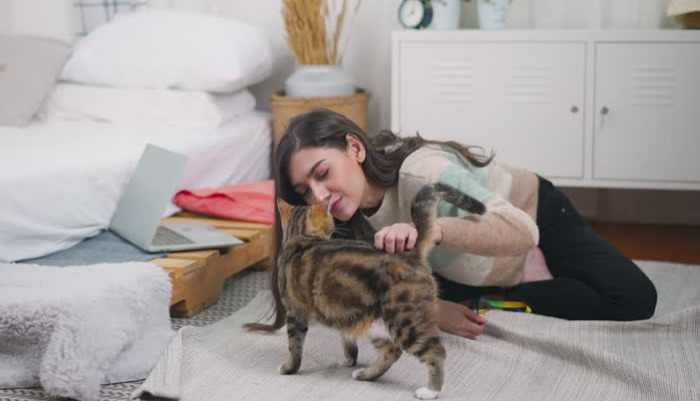
Cats thrive on gentle, predictable human interactions. Speak in soothing tones, pet them softly (if comfortable), and allow them to initiate contact. Avoid forced handling, especially during medical procedures.
2. Respect Autonomy
If your cat seeks solitude, respect their boundaries. Offer your presence without crowding—owners can simply sit nearby, read aloud, or provide gentle spoken reassurance.
3. Play and Engagement
Short, interactive play sessions boost mood and facilitate exercise. Use feather wands, laser pointers, or crinkly balls for a few minutes daily. Adapting play intensity based on your cat’s health ensures enjoyment without exhaustion.
Nutrition and Hydration
Good nutrition and hydration are critical for FIP management—and for minimizing psychological stress:
1. Highly Palatable Diets
Cats under stress may refuse food. Experiment with textures, temperatures (slightly warmed food may entice eating), and flavors. Wet food can be easier to eat for ill cats.
2. Consistent Feeding Schedule
Regular meal times provide structure and predictability. Avoid making abrupt dietary changes unless medically required. Special treats may offer comfort and help stimulate appetite.
3. Ample Fresh Water
Encourage hydration with flowing water fountains, multiple bowls, and broths. Dehydration can escalate lethargy and discomfort, worsening stress.
4. Avoid Over-Supplementation
While some supplements claim to boost mood or immunity, excess vitamins can harm. Confirm with your veterinarian before supplementing your cat’s diet.
Managing Medical Procedures and Visits
Veterinary visits are essential for FIP management, but they are also stressful. Cat caregivers can take steps to lower anxiety:
1. Carrier Comfort
Make carriers part of daily life—leave them out, place blankets and familiar scents inside, and reward voluntary entry. Avoid forcing cats abruptly into carriers.
2. Pre-visit Preparation
Schedule appointments during quieter clinic hours. Bring familiar bedding, favorite toys, and avoid feeding right before travel to minimize nausea.
3. Low-stress Handling at the Vet
Request that veterinary staff use gentle restraint and allow your cat to acclimate in the exam room before tests or treatments. Advocate for pain management to reduce fear and post-visit stress.
4. Home-care Strategies
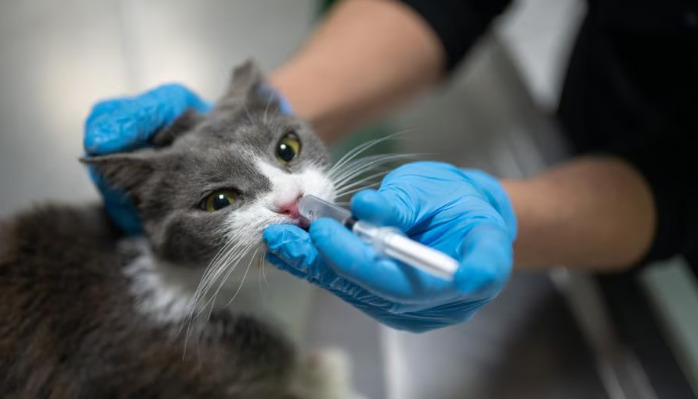
Learn basic home medical care techniques: proper medication administration, gentle wound care, and ritualized feeding can minimize stressful trips to the vet.
Therapies for Stress Reduction
Different modalities are available to help anxious cats:
1. Pheromone Therapy
Synthetic feline pheromones (Feliway diffusers, sprays) mimic natural comforting smells, calming cats and reducing anxiety-related behaviors.
2. Herbal Supplements
Certain herbal stress remedies, like valerian or chamomile, may help—but veterinary advice is a must before use.
3. Calming Treats
Veterinary-approved treats containing L-theanine, alpha-casozepine, or tryptophan promote relaxation without sedation.
4. Behavior Modification
Behaviorists and trainers specializing in feline care can help design custom interventions, especially for cats with severe anxiety.
5. Acupuncture and Massage
Some veterinarians offer acupuncture or massage to relax cats with chronic illnesses. Gentle massage routines (never forced) can soothe muscles and reassure your cat.
FIP-Specific Psychological Challenges
Pain, fever, and neurological symptoms can make cats more vulnerable to fear and confusion. Strategies include:
1. Neuroprotection and Calm
Cats with neurological FIP benefit from low-stimulation environments. Dimming lights, reducing play intensity, and providing soft bedding assist comfort.
2. Temperature Control
Fever can cause distress and confusion. Consult your veterinarian about managing body temperature. Cool pads or warm blankets may be alternately needed.
3. Avoid Overstimulation
Limit physical activity to the cat’s tolerance. Monitor closely for fatigue, uncoordinated movement, or discomfort.
Owner Self-care: The Human Factor
Stress in pet owners transmits to their cats. Building resilience and confidence helps both parties:
1. Education and Communication
Keep in regular contact with your veterinarian, stay informed about FIP developments, and connect with support groups to share experiences.
2. Handling Grief and Anxiety
Recognize personal emotional responses. Counseling, journaling, and pet support networks can provide relief. Your calm presence steady the ship for your cat.
3. Planning for End-of-Life Care
While FIP treatments are improving (with new antiviral medications and protocols), some cases remain terminal. Advanced planning for palliative care and what constitutes a good quality of life honors your bond and minimizes suffering.
Monitoring and Evaluation
Tracking behavioral changes yields valuable insights into stress reduction strategies:
1. Journaling and Behavior Logs
Daily notes help identify stress triggers and successful interventions. Include notes on appetite, social interaction, elimination, and play behavior.
2. Regular Reassessment
What worked last week may need adjustment. Schedule behavior reviews monthly, or after any major change in health status, environment, or household routine.
3. Veterinary Involvement
Your veterinarian is a partner in stress management. Share observations and ask about anti-anxiety medications if needed.
The Role of Multi-cat Households
Cats in multi-pet homes face unique challenges. FIP is not typically contagious, but stress from other cats must be mitigated:
1. Social Hierarchies
Monitor inter-cat relationships. Stressful bullying or isolation can harm FIP-positive cats.
2. Gradual Introductions
When bringing in new pets, use gradual introductions, supervised interactions, and plenty of personal territory to control stress.
3. Separate Resources
Ensure each cat has access to its own food bowls, beds, and litter boxes. Prevent competition for resources.
4. Group Play and Attention
Balance group activities and solo time to meet individual needs.
Children and Cat Stress
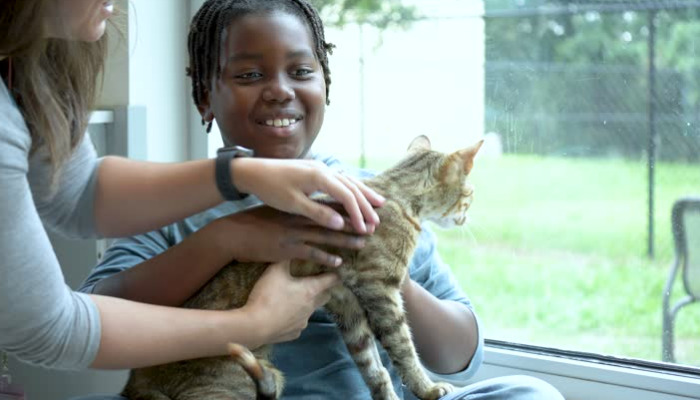
Young children may inadvertently cause anxiety. Educate them on gentle approaches and supervise closely during interactions. Use stories and visual guides to foster empathy.
Technological Tools for Monitoring Well-being
Advancements in pet-care technology aid in stress management:
1. Pet Cameras
Remotely view behavior and identify signs of distress if away from home.
2. Automated Feeders
Maintain consistent feeding times and portion control.
3. Health Trackers
Wearable devices monitor activity levels, sleep cycles, and body temperature to help owners identify stress-induced changes early.
Responding to Stress Crises
When stress escalates suddenly (e.g., severe hiding, aggression, or self-harm):
Contact your veterinarian immediately
Remove environmental triggers (noise, new pets, construction)
Use pheromone aids or calming treats as directed
Provide gentle, non-invasive comfort—avoid forced handling
Prompt intervention can prevent fear from becoming chronic.
Building Trust and Resilience for the Future
Cats with FIP can thrive with emotional support and environmental security. Owners building trust, offering predictable routines, and learning feline body language make a profound difference. Every strategy, from safe spaces to calming treats, contributes to a buffer against psychological stress. With patience and informed care, FIP-positive cats can live happier, more comfortable lives.
References
1. Pedersen NC. (2014). An update on feline infectious peritonitis: diagnostics and therapeutics. Veterinary Journal, 201, 133-141.
2. Stella J, Croney C. (2016). Environmental aspects of domestic cat care and management: Implications for cat welfare. Journal of Veterinary Behavior, 14, 37-40.
3. Buffington CAT. (2002). External and internal influences on disease risk in cats. Journal of the American Veterinary Medical Association, 220, 994–1002.
4. Overall KL. (2013). Manual of Clinical Behavioral Medicine for Dogs and Cats. Elsevier Saunders.
5. Rodan I, Sundahl E, et al. (2011). AAFP and ISFM feline environmental needs guidelines. Journal of Feline Medicine and Surgery, 13(4), 219-30.
6. Griffin B, Hume KR. (2019). Feline infectious peritonitis: Developments in diagnosis and treatment. Drugs, 79, 625-634.
7. Ellis SLH, Rodan I, et al. (2013). The impact of stress in developing cats: Preventive strategies and interventions. Journal of Feline Medicine and Surgery, 15(9), 780-788.
8. International Cat Care. (2020). Cat Stress and Anxiety. https://icatcare.org/advice/stress-in-cats/
9. American Association of Feline Practitioners. (2021). Feline Infectious Peritonitis Diagnosis and Management. https://catvets.com/guidelines/practice-guidelines/fip/
10. Denny E, Butterworth A. (2009). Development and Welfare of Cats. Animal Welfare, 18, 293-294.