Should New Cats Be Isolated to Reduce FIP Risk
Feline Infectious Peritonitis (FIP) remains one of the most challenging and enigmatic diseases in veterinary medicine. Caused by a mutated form of the feline coronavirus (FCoV), FIP has long been feared by cat owners and veterinarians alike due to its high mortality rate and complex transmission dynamics. As new cats are introduced into homes or shelters, a prevalent question arises: should these cats be isolated to reduce their risk of developing or transmitting FIP? Exploring this issue requires understanding the nature of FIP, its transmission pathways, and the implications of isolation practices.
Understanding FIP and Its Origins
FIP originates from a specific mutation of the feline coronavirus, which is common among cats worldwide. The majority of cats exposed to FCoV do not develop FIP; instead, the virus often causes a mild or asymptomatic infection. However, in some cases, the virus mutates within the host, leading to FIP, a severe disease characterized by fluid accumulation in body cavities and granulomatous lesions in organs.
The mutation process seems to be spontaneous and occurs within individual cats rather than being transmitted directly from one cat to another. Nonetheless, the initial infection with FCoV is contagious, primarily spread through fecal-oral routes, via shared litter boxes, contaminated food bowls, or close contact with infected feces.
Transmission Dynamics and Risks
Understanding how FCoV, and potentially FIP, spreads is crucial for assessing the effectiveness of isolation. Since the virus is shed primarily through feces, the risk of transmission is higher in multi-cat environments with shared resources. Notably, FCoV is highly resilient in feces and litter boxes, making environmental contamination a significant factor.
Importantly, FIP itself is not directly contagious. Cats do not pass FIP from one to another; rather, they acquire FCoV, which may mutate into FIP within individual hosts. Therefore, preventing initial FCoV infection is the primary strategy to reduce the risk of FIP development.
Isolation as a Prevention Strategy
Isolation of new cats involves segregating them from resident cats upon entry, typically for a period of several weeks. The rationale is to prevent initial exposure to FCoV, thereby lowering the chance of virus acquisition and subsequent mutation into FIP.
Historically, some shelters and breeders implemented strict quarantine protocols, believing they could prevent FIP outbreaks. This practice includes isolating new arrivals, testing for FCoV, and monitoring health status during quarantine.
However, understanding the nature of FCoV shifts the focus from isolation as a guaranteed preventive measure to a more nuanced approach. Since FCoV is widespread among multi-cat populations and often transient, complete isolation may be impractical or stressful for the cats involved.
Efficacy and Limitations of Isolation
There is limited scientific evidence supporting isolation as a definitive method to prevent FIP. While quarantine can reduce initial exposure to FCoV, it does not eliminate the virus from the environment once introduced, especially in shelters or households with existing carriers.
Moreover, prolonged isolation can adversely affect cats’ mental health, leading to stress, which in turn can weaken their immune system. Stress has been associated with an increased risk of FIP development, potentially counteracting the benefits of isolation.
Recent studies suggest that implementing rigorous hygiene practices, minimizing stress, and reducing overcrowding are more effective strategies than blanket isolation. Routine cleaning of litter boxes, minimizing contact with contaminated feces, and maintaining good ventilation can significantly reduce viral load and transmission risk.
Balancing Risks and Practical Considerations
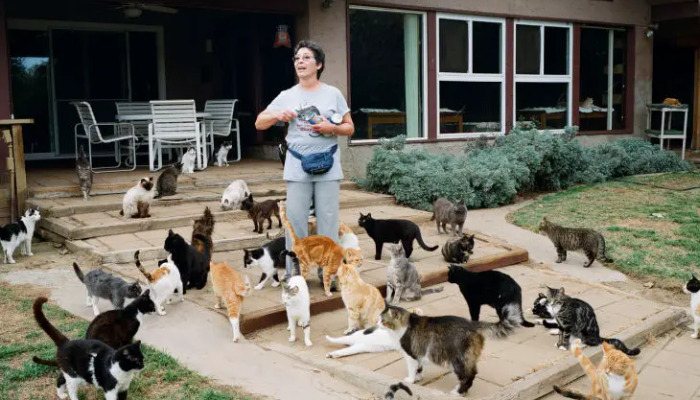
In low-density environments such as single-cat households, the risk of FIP transmission is minimal, and strict isolation may be unnecessary. Conversely, in multi-cat households or shelters with high FCoV prevalence, more comprehensive measures, including quarantine of new cats, can be beneficial.
However, it is important to consider the welfare implications. Isolation should not cause undue stress or social deprivation. Instead, a balanced approach involves screening new cats for FCoV, observing them during quarantine, and gradually integrating them while maintaining hygiene.
Current Recommendations
Veterinary authorities recommend a risk-based approach. For new cats entering a home or shelter:
Perform FCoV testing if available.
Quarantine for at least 2-4 weeks.
Monitor health closely.
Maintain rigorous sanitation protocols.
Minimize stress through environmental enrichment.
Gradually introduce new cats to existing ones, observing for signs of illness.
In the absence of FCoV testing, strict hygiene and management practices become even more critical, as they can reduce the overall viral load and transmission risk.
Conclusion
Isolating new cats may reduce immediate exposure to FCoV, but it is not a guaranteed method to prevent FIP due to the complex nature of virus mutation and environmental factors. A multifaceted approach, emphasizing hygiene, stress reduction, and controlled introductions, appears more promising and humane. Decisions regarding isolation should be individualized, considering the environment, number of cats, and existing FCoV prevalence. Ultimately, fostering a clean, low-stress environment remains key in minimizing the risk of FIP and promoting overall feline health.
References
1. Pedersen, N. C., et al. (2019). "Feline Coronavirus in Cats with and without Feline Infectious Peritonitis." Viruses, 11(11), 993.
2. Addie, D. D., et al. (2009). "Feline coronavirus: insights into viral pathogenesis." Veterinary Research, 40(1), 37.
3. Hartmann, K. (2005). "Feline infectious peritonitis." The Veterinary Clinics of North America. Small Animal Practice, 35(1), 39–60.
4. Kielland, C., et al. (2018). "Epidemiology of FCoV and FIP." Feline Medicine and Surgery, 20(1), 69–75.
5. Pedersen, N. C. (2014). "Feline infectious peritonitis: the triumph and the tragedy." The Veterinary Journal, 204(3), 269–270.