Does FIP Cause Persistent Low-Grade Fever
Feline Infectious Peritonitis (FIP) remains one of the most enigmatic and fatal diseases affecting domestic cats worldwide. Emerging from feline coronavirus (FCoV) mutations, FIP is known for its variable presentation, making its diagnosis and understanding a challenge for veterinarians and cat caregivers alike. Among its myriad signs, persistent low-grade fever is commonly observed in affected cats, often raising questions regarding its diagnostic value and pathophysiological implications. This article explores the relationship between FIP and persistent low-grade fever, providing a comprehensive overview grounded in current veterinary research and clinical observations.
The Pathogenesis of FIP
FIP arises when benign feline enteric coronavirus undergoes mutations within the host, enabling the virus to infect macrophages and disseminate systemically. This change triggers a complex immune-mediated response, leading to widespread inflammation, vasculitis, and characteristic effusions in the "wet" form or granulomatous lesions in the "dry" form. The constant stimulation of the immune system is vital in producing the fever commonly associated with FIP.
Understanding Fever in Cats
Fever, or pyrexia, occurs when the body’s set-point temperature in the hypothalamus is elevated in response to biological signals, typically pyrogens produced during infection or inflammation. In cats, normal body temperature ranges from 100.5°F to 102.5°F (38.1°C–39.2°C). A low-grade fever generally refers to a consistent temperature between 102.6°F and 103.5°F (39.2°C–39.7°C), albeit this can be subjective based on individual variation.
Clinical Signs Associated with FIP
FIP presents with an array of non-specific signs, making early detection challenging. The most prevalent indicators include:
Persistent low-grade fever
Progressive weight loss
Lethargy
Anorexia
Jaundice
Abdominal distension (in effusive form)
Neurological abnormalities (in some dry FIP cases)
While many infections can cause intermittent spikes in temperature, FIP is notorious for a persistent low-grade fever that does not respond to standard antibiotic therapy.
Why Does FIP Cause Persistent Fever?
FIP-induced fever results from several mechanisms:
1. Macrophage Activation: The mutated coronavirus infects macrophages, leading them to release cytokines such as interleukin-1 (IL-1), interleukin-6 (IL-6), and tumor necrosis factor-alpha (TNF-alpha). These pyrogens act on the hypothalamus, setting a higher body temperature.
2. Ongoing Immune Response: Unlike many infections where fever resolves after the pathogen is managed, FIP perpetuates immune stimulation, resulting in continuous pyrogen generation and a sustained elevation of body temperature.
3. Vasculitis and Tissue Damage: FIP triggers systemic vasculitis, producing inflammation and pyrogenic substances locally and systemically.
4. Chronic Disease Course: FIP does not progress acutely in most cases; rather, symptoms including fever persist for weeks to months, further defining its low-grade nature.
Diagnostic Implications of Fever in FIP
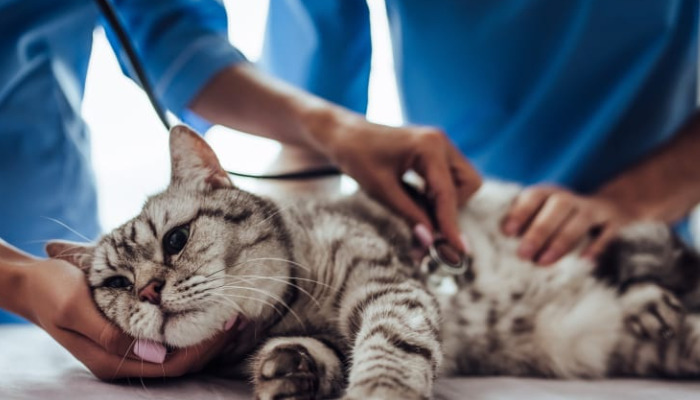
The presence of a persistent, non-responsive low-grade fever is a pivotal clue in diagnosing suspected FIP. This sign, in conjunction with other clinical findings and laboratory data, raises suspicion for FIP, particularly when routine anti-infective treatments fail to reduce temperature.
Laboratory Markers: Cats presenting with such fever often show hyperglobulinemia, lymphopenia, and increased serum proteins, especially alpha-2 globulins.
Imaging: Ultrasound may reveal effusions or organomegaly, consistent with FIP.
Rivalta Test: For abdominal or thoracic effusions, the Rivalta test can differentiate FIP-associated fluid from other causes.
Persistent low-grade fever is not pathognomonic for FIP but remains among its most consistent and useful clinical markers, especially in eliminating other differential diagnoses.
Comparing FIP-Induced Fever to Other Conditions
While several feline diseases present with fever, the characteristic pattern in FIP is its relentless progression despite therapy. Comparatively:
Upper Respiratory Infections: Tend to cause higher, transient fevers that resolve rapidly with supportive care or antibiotics.
Chronic Renal Disease: Seldom results in sustained fever unless secondary infections occur.
Other Systemic Infections: Typically, fever is episodic, responding to antimicrobials.
Neoplasia: Some cancers may mimic the low-grade fever of FIP, but typically also include location-specific signs.
Therefore, the persistence and non-responsiveness of the fever in FIP help distinguish it from other conditions, though definitive diagnosis requires more than temperature monitoring.
Management Directives Centered Around Fever in FIP
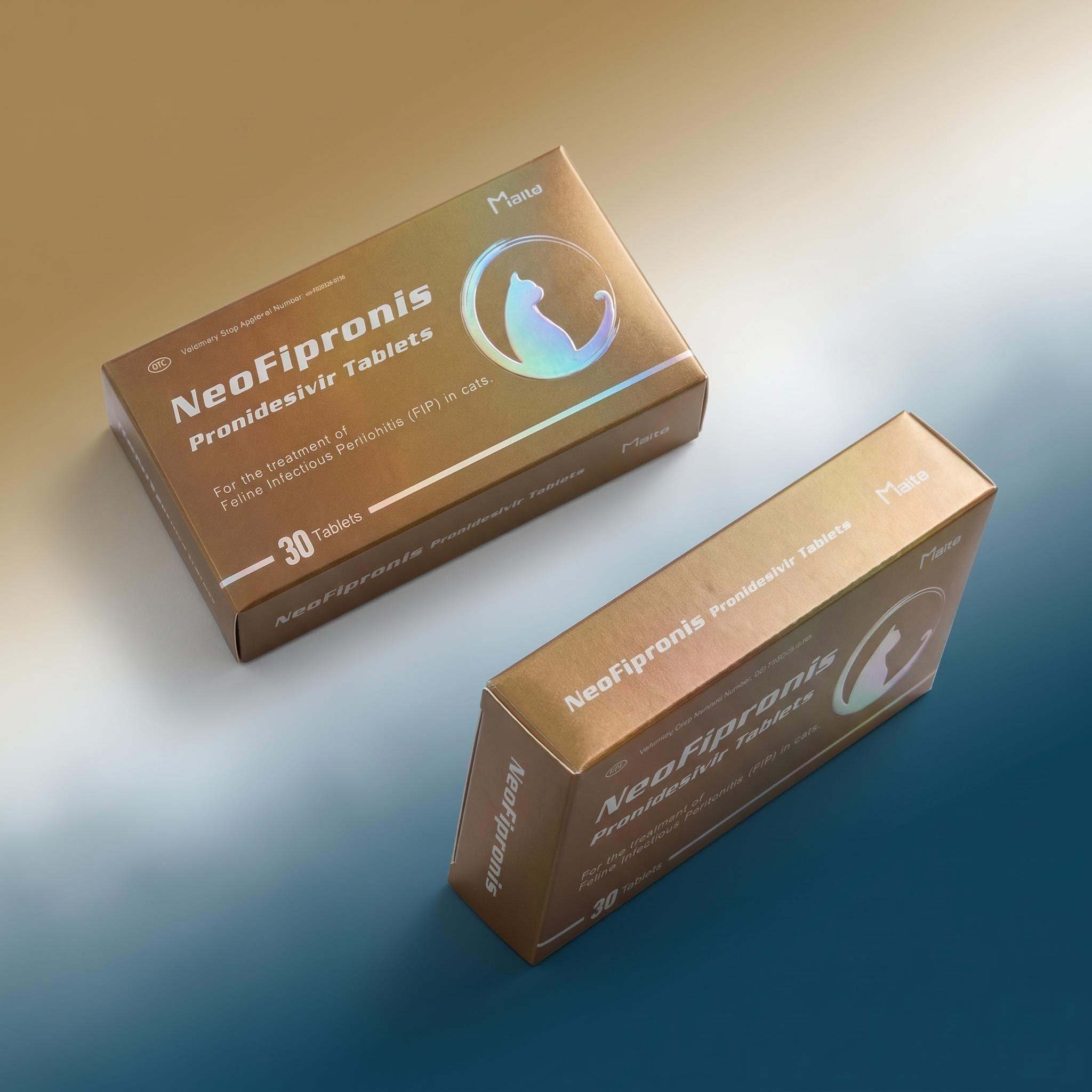
Historically, FIP was considered untreatable. However, recent advances, particularly antiviral therapies targeting viral RNA polymerase (GS-441524 and its derivatives), have improved outcomes. Fever resolution correlates strongly with therapeutic success:
Antiviral Therapy: Attenuates viral replication, decreasing immune activation and pyrogen release.
Supportive Care: Includes fluid management, nutritional support, and anti-inflammatory drugs, though corticosteroids remain controversial and are not curative.
Monitoring Fever: The persistence or abatement of fever serves as a valuable clinical marker of disease trajectory and therapeutic response.
Prognosis Linked to Persistent Fever
Cats that fail to demonstrate reduction in persistent low-grade fever following targeted therapy generally have poor prognoses. However, early recognition—driven by careful temperature monitoring and clinical acumen—permits earlier intervention, improving outcomes.
Implications for Cat Owners and Veterinarians
Recognizing persistent low-grade fever can guide veterinary professionals and owners toward timely diagnosis and interventions, potentially enhancing survival. Regular temperature monitoring in at-risk cats (multi-cat environments, recent stressors, young cats) is recommended. Moreover, awareness of the limited response of FIP-induced fever to conventional treatment can prompt further diagnostic testing.
Research and Future Directions
The relationship between fever and FIP is an active area of research. Advances in molecular diagnostics and targeted treatments continue to shape the management paradigm. Ongoing studies are assessing the utility of fever as an early screening tool and its role in monitoring therapeutic efficacy.
Conclusion
FIP undeniably causes persistent low-grade fever due to its unique pathogenesis, ongoing immune stimulation, and chronic disease process. While not exclusive to FIP, the persistent fever, when considered alongside other signs and laboratory findings, is a valuable diagnostic indicator. Continued research and advances in antiviral therapy are changing the landscape for FIP, but vigilant recognition of persistent low-grade fever remains integral to the care and prognosis of affected cats.
References
1. Pedersen, N. C. (2014). "Feline infectious peritonitis and feline enteric coronavirus infections." In Greene, C. E. (Ed.), Infectious Diseases of the Dog and Cat (pp. 92-108). Elsevier.
2. Hartmann, K. (2005). "Feline infectious peritonitis." Veterinary Clinics of North America: Small Animal Practice, 35(1), 39–79.
3. Kipar, A., Meli, M. L. (2014). "Feline infectious peritonitis: Still an enigma?" Veterinary Pathology, 51(2), 505–526.
4. Addie, D. D., Jarrett, O. (1995). "Feline coronavirus infection." In Lutz, H. & Horzinek, M. C. (Eds.), Feline Infectious Diseases (pp. 45-53). Springer.
5. Murphy, B. G., et al. (2018). "The Utility of Persistent Fever in the Diagnosis of Feline Infectious Peritonitis." Journal of Feline Medicine and Surgery, 20(5), 405–411.
6. Fischer, Y., et al. (2011). "Immunopathogenesis of FIP: Role of cytokines." Veterinary Immunology and Immunopathology, 143(3-4), 338–348.
7. Vennema, H., et al. (1998). "Genetic and antigenic variation in feline infectious peritonitis virus." Virus Research, 54(1), 1–9.
8. Dewerchin, S. S., et al. (2005). "Fevers in cats: Differential diagnosis and evaluation." Companion Animal, 10(6), 40–44.
9. Pedersen, N. C. (2019). "An update on feline infectious peritonitis: Diagnostics, therapeutics, prevention, and pathogenesis." Veterinary Journal, 247, 56–64.
10. Tasker, S. (2021). "Diagnosis and management of feline infectious peritonitis: Current perspectives." Veterinary Medicine: Research and Reports, 12, 133–146.