How to Care for a Cat During FIP Treatment At Home
Feline Infectious Peritonitis (FIP) is a devastating disease that affects cats worldwide. With advances in antiviral medications, many cats diagnosed with FIP now stand a fighting chance, provided they receive proper medical intervention and attentive home care. Owners play a crucial role in supporting their cat through treatment, ensuring comfort, monitoring, and effective management of symptoms. This guide explores evidence-based strategies for caring for a cat with FIP, focusing on understanding the disease, medication protocols, supportive care, nutrition, monitoring, emotional support, and integration with veterinary guidance.
Understanding FIP
FIP is caused by a mutation in the feline coronavirus, leading to an overactive immune response and inflammation of tissues and organs. It presents in two main forms: effusive (wet) and non-effusive (dry). Both variants can display fever, loss of appetite, lethargy, jaundice, abdominal swelling, and neurological signs. Modern treatments, especially GS-441524 and similar antivirals, have changed outcomes dramatically in recent years, but owner vigilance remains essential throughout therapy.
Setting Up the Home Environment
A safe, calm, and clean environment is pivotal. Designate a quiet area, away from high foot traffic or stressful stimuli. Install soft bedding and temperature control. Ensure easy access to litter boxes and food bowls—cats receiving FIP treatment may be weak or have mobility issues. Keep the area sanitized by cleaning bedding, bowls, and surfaces regularly.
Choosing Antiviral Medication and Administering Treatment
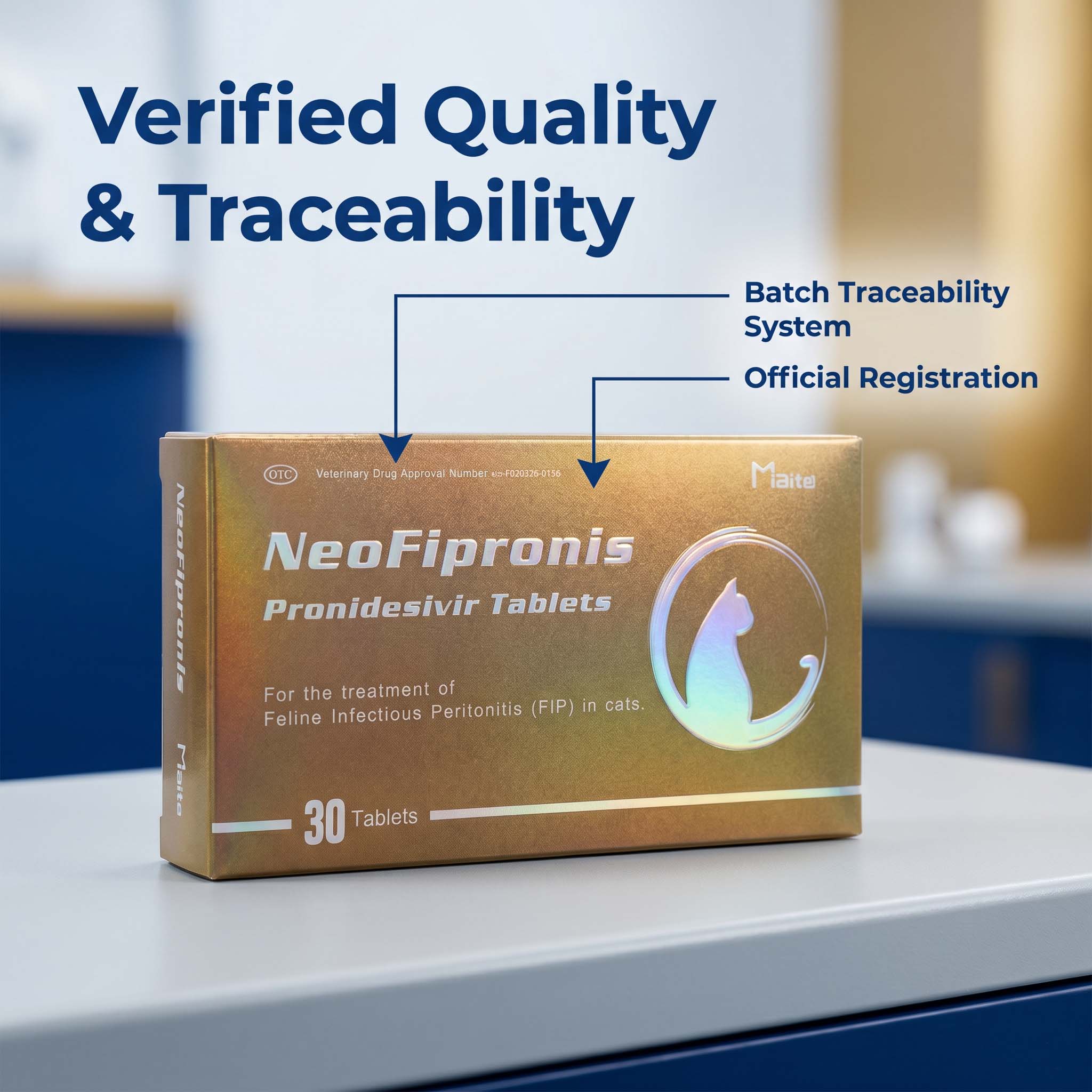
Consult a board-certified veterinarian to diagnose FIP and determine the best antiviral treatment. Dosages and administration methods differ by medication and disease form. Owners may need to give oral or injectable antivirals daily, over several weeks. Proper medication storage is vital; follow instructions regarding temperature and protection from light. Wear gloves when handling antivirals and keep a medication log, noting each dose, time, and any observed reactions.
Monitoring Clinical Signs
Careful observation is necessary to track progress or identify relapses. Record daily temperatures, weight, appetite, hydration status, urination, and stool quality. Take photographs for comparison if needed. Watch for signs of improvement, such as increased activity or appetite, as well as warning cues like sudden decline, increased abdominal fluid, jaundice, or neurologic impairment. Report findings to your veterinarian promptly.
Managing Symptoms and Side Effects
Some cats may experience vomiting, diarrhea, or injection site reactions during antiviral treatment. For gastrointestinal symptoms, offer bland diets recommended by your veterinarian (such as boiled chicken). Ensure water intake; cats can become dehydrated quickly and may require subcutaneous fluids. If your cat is receiving injectable medication, rotate injection sites and apply gentle pressure post-administration to minimize discomfort.
Nutrition and Hydration
High-quality nutrition supports recovery. Choose palatable, protein-rich wet foods and offer frequent small meals. Encourage hydration with multiple water sources. In cases of reduced appetite, consult your veterinarian for appetite stimulants or feeding tubes. Monitor weight and body condition, adjusting meal portion sizes as needed.
Sanitation and Infection Control
FIP is not directly contagious but maintaining a clean environment prevents secondary infections. Clean bowls, litter boxes, and bedding daily with pet-safe detergents. Disinfect surfaces regularly. Dispose of waste appropriately. Prevent interaction with other pets during acute illness.
Stress Reduction and Emotional Support
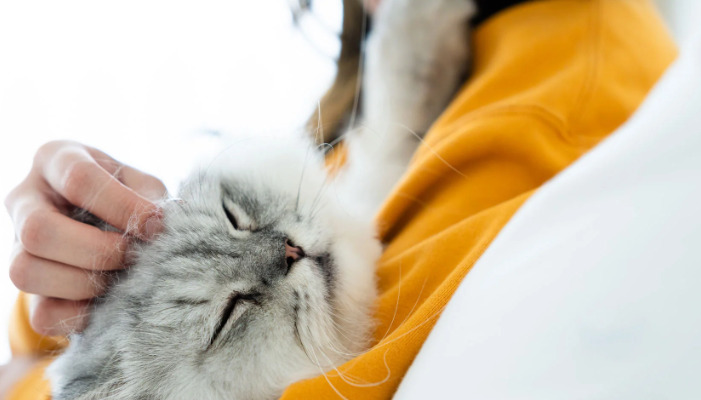
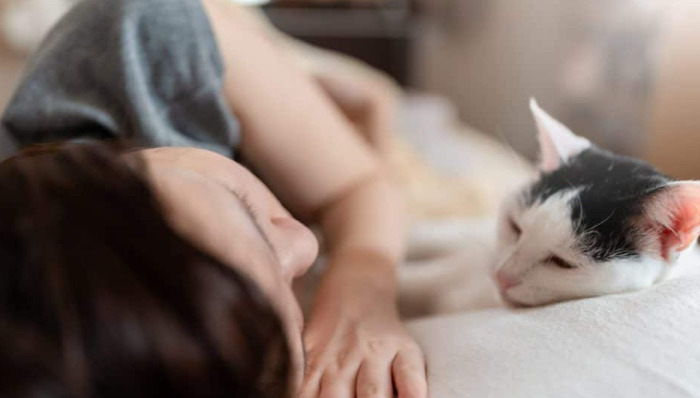
Cats undergoing FIP therapy require emotional support. Maintain routines to reduce anxiety. Provide gentle play, grooming, and calm interaction. Use pheromone diffusers if recommended. Owners themselves should practice self-care, as emotional stress can affect both parties.
Veterinary Communication and Follow-Up
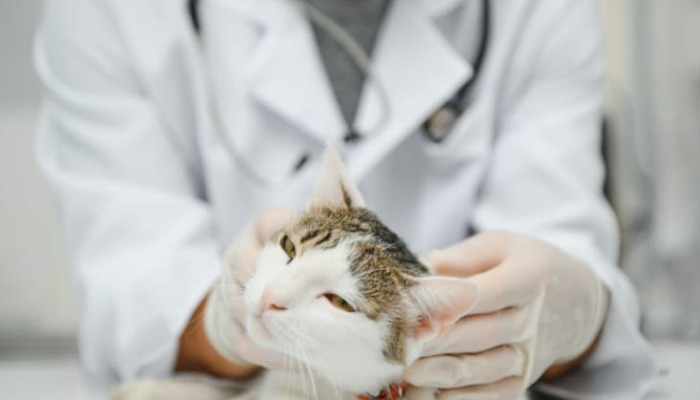
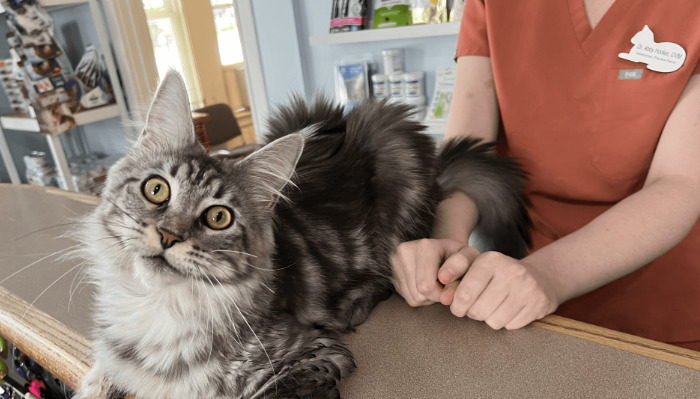
Successful FIP treatment relies upon collaboration with veterinarians. Schedule regular checkups for blood work and physical assessments. Share logs and observations from home. Do not adjust medications without professional guidance. If emergencies arise—sudden collapse, severe lethargy, or seizures—seek immediate veterinary attention.
Social Considerations and Cat-to-Cat Interaction
Cats with FIP should be isolated from others during acute illness. Once stabilized, discuss with your veterinarian when and how to reintroduce your cat to household peers. Monitor for behavioral changes, aggression, or stress as your cat resumes normal socialization.
Long-Term Management After FIP Recovery
Upon completion of antiviral therapy, continue monitoring your cat for signs of relapse. Maintain healthy routines, regular veterinary checkups, and prompt attention to any new symptoms. Immunocompromised cats may need ongoing supportive care beyond the acute phase.
References
Pedersen, N.C., et al. "Efficacy and safety of the nucleoside analog GS-441524 for treatment of feline infectious peritonitis." Journal of Feline Medicine and Surgery.
Dye, C., & Siddell, S.G. "Feline coronavirus: diagnosis, epidemiology, management, and prevention." Veterinary Clinics of North America: Small Animal Practice.
Hartmann, K. "Feline Infectious Peritonitis." Veterinary Clinics of North America: Small Animal Practice.
Addie, D.D., et al. "Recent advances in understanding and managing feline infectious peritonitis." Veterinary Medicine: Research and Reports.
Neuerer, F., et al. "Management and supportive care in feline infectious peritonitis." Journal of Veterinary Internal Medicine.