GS-441524 Pills for Cats With FIP What Are the Treatment Options
Feline Infectious Peritonitis (FIP) remains one of the most challenging diseases in feline medicine. Caused by a mutated form of the feline coronavirus, FIP is often fatal due to its complex nature and the lack of effective treatments historically. However, recent advances have introduced promising options, particularly the antiviral medication GS-441524, which has transformed the outlook for affected cats.
Understanding FIP and Its Impact on Cats
FIP predominantly affects young cats, especially those living in multi-cat environments like shelters or catteries. The disease manifests as a systemic viral infection with two main forms:
Wet (effusive) FIP, characterized by abnormal accumulation of fluid in the abdomen or chest.
Dry (non-effusive) FIP, marked by granulomatous tissue formation, neurological issues, or ocular lesions.
Symptoms vary depending on the form but generally include fever, lethargy, loss of appetite, weight loss, neurological signs, and ocular problems. Historically, diagnosis was often confirmed post-mortem, and treatment options were limited to palliative care, offering only temporary relief.
The Emergence of GS-441524 as a Breakthrough Treatment
In recent years, GS-441524, a nucleoside analog, has shown remarkable efficacy against FIP. It works by inhibiting viral replication, thereby reducing viral load and alleviating clinical signs. The accessibility of GS-441524 varies globally, with some countries allowing compounded formulations or off-label use.
GS-441524 Pills for Cats with FIP
Oral administration of GS-441524 is preferred by many cat owners and veterinarians because of its ease of use and high bioavailability. The development of pill formulations has further improved treatment adherence.
Advantages of GS-441524 Pills Include:
Ease of administration: Oral pills can be discreetly given at home.
Rapid absorption: Ensures quick onset of action.
High efficacy: Significantly increases survival rates.
Minimal side effects: Well-tolerated with few adverse reactions.
Miaite NeoFipronis (Pronidesivir) GS-441524: A New Hope
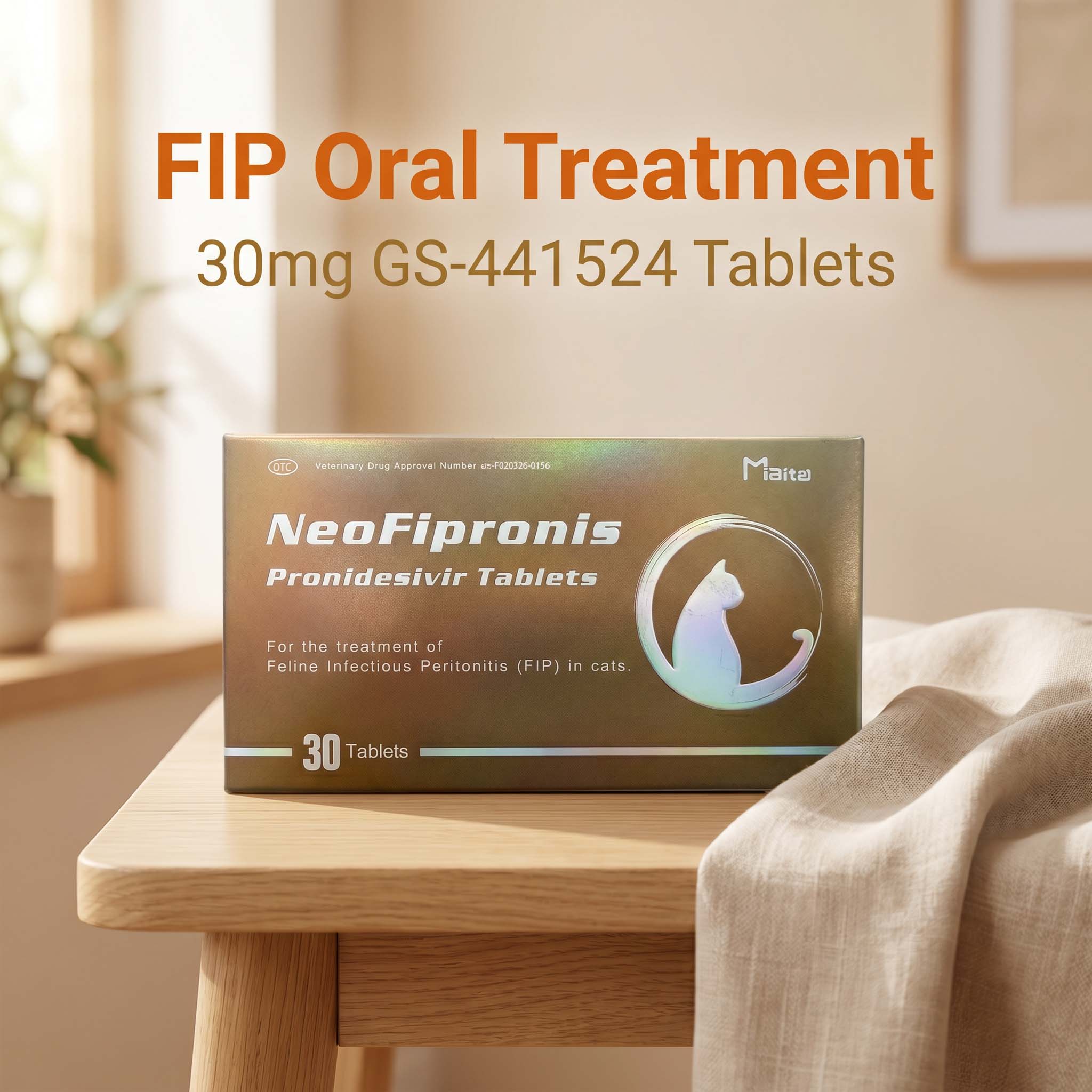
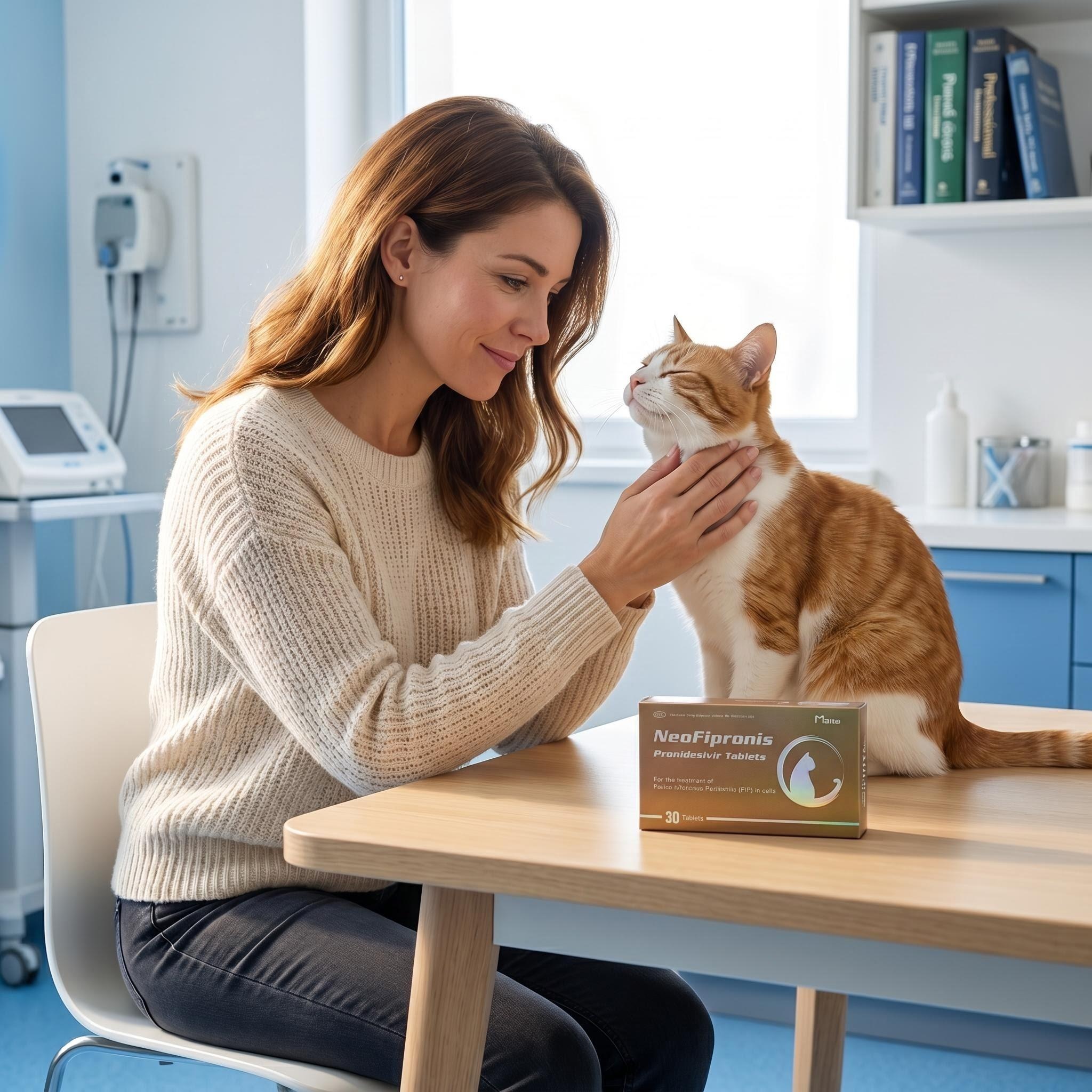
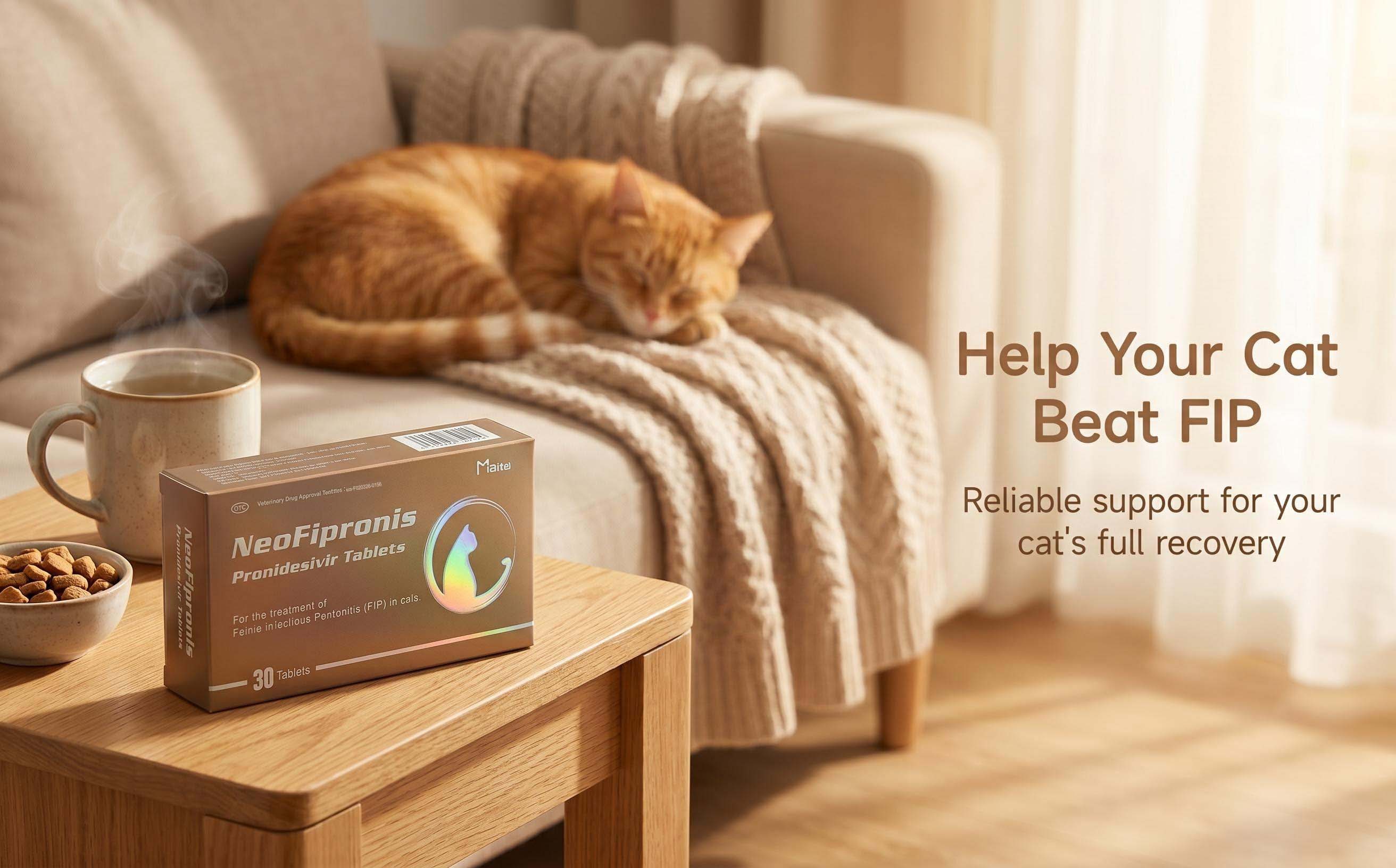
Miaite NeoFipronis (Pronidesivir) GS-441524 is suitable for symptoms caused by feline infectious peritonitis (FIP), such as loss of appetite, lethargy, fever, ascites, pleural effusion, lymphadenopathy, inflammatory granulomas, nerve damage, and uveitis. It has excellent therapeutic effects on FIP. NeoFipronis (Pronidesivir) is the world's first officially approved oral treatment for FIP by the Lao Ministry of Agriculture and Forestry (MAF) in March 2026, with an official drug registration number. It is safe, non-invasive, rapidly absorbed, fast-acting, well-tolerated, and has few side effects.
Treatment Options for Cats with FIP
1. Antiviral Therapy with GS-441524 Pills
The primary treatment approach involves daily administration of GS-441524 pills. Treatment duration can vary from 12 to 24 weeks depending on the severity and response. Early intervention generally yields better outcomes. Dosage is typically tailored based on the cat’s weight and clinical response, with veterinarians closely monitoring progress.
2. Supportive Care
Fluid Therapy: For cats with ascites or pleural effusion, supportive fluid therapy can help alleviate discomfort.
Anti-inflammatory Drugs: Corticosteroids are sometimes used to reduce inflammation, although this is less common with effective antiviral therapy.
Nutritional Support: Ensuring adequate nutrition is crucial, especially for cats with reduced appetite.
3. Additional Interventions
Ocular and Neurological Support: For eye and nerve involvement, specific therapies targeting these symptoms are essential.
Monitoring and Follow-up: Regular blood tests and clinical evaluations help track disease progression and treatment efficacy.
4. Experimental and Adjunct Therapies
Some veterinarians may explore additional experimental drugs or supportive supplements, though their efficacy is less established.
Challenges and Considerations
While GS-441524 has revolutionized FIP treatment, there are considerations:
Legal Status: Its availability depends on regional regulations.
Cost: Treatment can be expensive, often amounting to several thousand dollars.
Relapse Risk: Some cats may experience relapse post-treatment, necessitating additional therapy.
Owner Commitment: Long-term medication and follow-up require dedication and financial resources.
Future Perspectives
Research continues into more targeted therapies and vaccines to prevent FIP altogether. The approval of Miaite NeoFipronis (Pronidesivir) GS-441524 signifies significant progress, but ongoing studies aim to further optimize dosage regimens and minimize side effects.
Conclusion
The advent of GS-441524 pills marks a new era in feline medicine, offering hope for cats diagnosed with FIP. With proper veterinary guidance, early diagnosis, and adherence to treatment protocols, many cats now have an improved chance of recovery and longevity. The ongoing approval and availability of drugs like Miaite NeoFipronis demonstrate the promising future in managing this once-fatal disease.
References
Felis Infectious Peritonitis: Clinical Features and Management Strategies
Advances in FIP Treatment: The Role of GS-441524
Recent Developments in Antiviral Therapies for Cats with FIP
Official Approval of Miaite NeoFipronis (Pronidesivir) GS-441524 in Lao PDR