Which FIP Symptoms Do Owners Most Often Miss
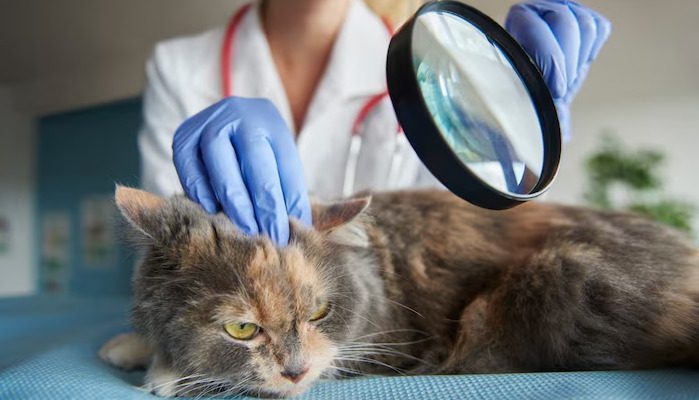
Feline Infectious Peritonitis (FIP) is a devastating viral disease affecting cats, primarily caused by certain mutations of feline coronavirus (FCoV). While most cats exposed to FCoV experience mild gastrointestinal signs or none at all, a fraction develop FIP, which is almost always fatal if untreated. Recognizing early symptoms is crucial, but many signs are subtle or mistaken for less serious illnesses. This article explores the signs of FIP owners most frequently overlook and offers insights into why these symptoms evade early detection.
Understanding FIP: A Brief Overview
FIP is classified into two major forms: "wet" (effusive) and "dry" (non-effusive). The wet form leads to accumulation of fluid in body cavities, whereas the dry form features granulomatous lesions in organs. Both forms share systemic symptoms, but present differently. The challenge in early diagnosis stems from FIP's vague early clinical signs, which often imitate other feline diseases.
The Biological Basis for Missed Symptoms
FCoV is widespread among cat populations, especially in multicat environments like shelters and catteries. Most infections do not progress to FIP, but when the virus mutates inside a cat, it triggers inappropriate immune reactions. These reactions manifest as generalized symptoms before specific signs of FIP appear. Owners, unless highly vigilant, may credit these changes to stress, dietary issues, or normal aging.
Commonly Missed Early Symptoms
1. Mild Lethargy
Many cats with early FIP experience a gradual lethargy. Owners may notice their cat sleeps more, shows less interest in play, or avoids interaction. This symptom is easy to overlook, especially in older cats, or chalk up to weather, age, or minor illness. Lethargy is nonspecific and common in many conditions, making it one of the most missed FIP signs.
2. Subtle Weight Loss
Early weight loss in FIP is often gradual. Longhaired cats or those already lean may mask this symptom. Owners may attribute mild weight loss to finicky eating habits, diet changes, or even increased activity. Without routine weighing, significant loss can go unnoticed until it becomes severe.
3. Decreased Appetite
Cats with FIP may show a decreased interest in food days or weeks before other symptoms. Anorexia in cats can happen for numerous reasons—stress, dental disease, dislike of food—resulting in owners missing its connection to FIP progression.
4. Mild Fever
One of FIP's hallmarks is a persistent, fluctuating fever that responds poorly to antibiotics. Yet, owners rarely notice mild fevers. Unlike dogs, cats have no obvious ways to display fever, and most caretakers lack tools to measure body temperature at home. Cats may simply be less active or withdrawn, symptoms easily missed or confused with behavioral issues.
5. Change in Behavior or Attitude
Many FIP cats become more withdrawn, anxious, or irritable before physical symptoms occur. These changes in disposition may be mistaken for temperament shifts, environmental stress, or unrelated behavioral problems. Behavior changes are often among the earliest FIP signs but rarely prompt an immediate vet visit.
6. Minor Gastrointestinal Issues
Mild diarrhea or occasional vomiting is common in cats and often self-limiting. In FIP, these signs can precede more serious illness but are attributed by owners to food changes, hairballs, or mild viral infections. Unless persistent or severe, such symptoms seldom raise alarms.
7. Respiratory Symptoms
Dry FIP sometimes affects the lungs, leading to mild trouble breathing, coughing, or increased respiratory rate. These can resemble asthma, allergies, or upper respiratory infections. Subtle breathing difficulties might escape notice until fluid accumulation develops (in the wet form) or becomes more severe.
8. Eye Changes
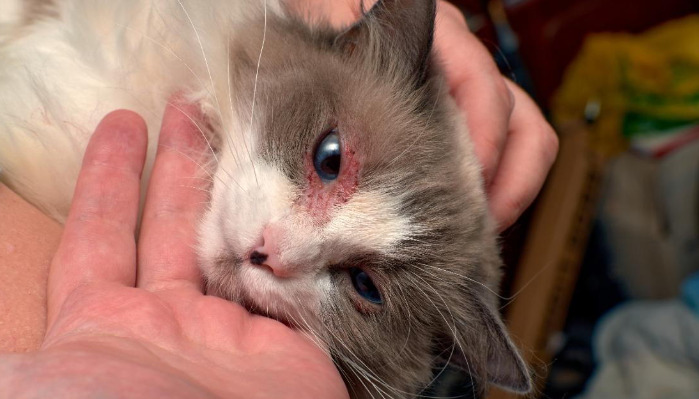
The non-effusive form of FIP can affect the eyes, causing inflammation, cloudiness, or color changes. Eye conditions in cats are difficult for owners to detect unless they specifically look for them. The earliest changes—slight redness, tearing, or altered iris color—are easily missed.
9. Neurological Signs
FIP can affect the central nervous system, leading to tremors, wobbliness, or difficulty jumping. Early signs are sometimes subtle: slightly delayed movements, altered gait, or odd behavior. Owners may chalk these up to age, arthritis, or accidents, rarely suspecting an underlying neurological disease.
Why Owners Miss Symptoms
1. Gradual Onset
Symptoms of FIP often creep in slowly. Cats may be slightly less energetic one week, subtly thinner the next, and only weeks later show dramatic illness. Because humans adjust to gradual changes in a pet’s condition unconsciously, they may only recognize a problem when it is severe.
2. Symptom Ambiguity
Signs like lethargy, appetite change, or mild vomiting are common to dozens of feline illnesses. Without context or accompanying dramatic signs, most pet owners attribute them to transient causes. The massive overlap between FIP and everyday cat problems leads to missed opportunities for early intervention.
3. Lack of Awareness
Despite its prevalence among shelter and breeder populations, many owners and even some vets are unfamiliar with FIP. Its association with common coronavirus, which most cats recover from uneventfully, leads to underestimation of risk.
4. No Routine Health Checks
Few owners routinely weigh their cats, check for subtle eye changes, or monitor behaviors with the intensity required to spot FIP early. Busy lifestyles, cost barriers, and uncertainty about what to look for leave initial symptoms under the radar.
5. Misattribution
Cat behaviors are open to interpretation. A cat sleeping more could be described as "lazy" or "comfortable." Weight loss is dismissed as picky eating; mild vomiting seen as hairballs. The "normalization" of symptoms means even attentive owners can miss critical changes.
Differentiating FIP From Other Illnesses
There’s no single clinical sign diagnostic for FIP at home. Wet FIP may provoke suspicion thanks to obvious abdominal swelling from fluid, but dry FIP is much trickier. The gold standard for diagnosis remains tissue biopsy or PCR confirmation, but veterinarians lean on history, physical exam, and supportive tests.
Symptoms That Demand Veterinary Attention
Persistent fever unresponsive to antibiotics
Rapid weight loss
Severe lethargy
Difficulty breathing or fluid in abdomen/chest
Neurological deficits (uncoordinated movements, tremors)
Unexplained jaundice or pale gums
Sudden vision changes
Owners should seek vet advice promptly if they notice clusters of these signs, even if subtle.
The Role of the Veterinarian
Veterinary professionals are trained to spot patterns and combine clinical findings with diagnostics. While owners may miss individual signs, a vet can piece together clues to suggest FIP earlier. Bloodwork often reveals non-specific but suggestive changes like high globulins, anemia, and lymphopenia. Imaging may identify fluid or enlarged organs. PCR or immunohistochemistry can confirm diagnosis in difficult cases.
FIP in Special Populations
Young Cats
FIP more commonly affects kittens and young adults. Owners attribute minor illnesses in kittens to teething, growth, or deworming. Overlooking illness in young cats is particularly dangerous, as FIP progresses rapidly in this age group.
Shelter and Breeder Cats
Crowded environments increase stress, viral transmission, and mutation rate. Signs in these populations, such as mild respiratory illness or low-level lethargy, are frequently misattributed to poor socialization or general shelter stress.
Multi-cat Households
Owners of many cats may struggle to notice changes in individual animals, especially when symptoms are vague.
Educating Owners: Key Messages
1. Routine Observation Matters: Tracking your cat’s normal weight, appetite, and activity level can spot subtle changes.
2. No Symptom is Too Small: Mild signs should prompt a vet check if they persist beyond a few days, especially in young or shelter cats.
3. Annual Vet Checks: Regular physical exams improve chances of early detection.
4. Don’t Assume Age or Stress is the Cause: Even in older cats or times of upheaval, gradual or unexplained illness should be investigated.
5. Be Proactive: Ask your veterinarian about FIP risk and keep records of your cat’s health.
Technology and FIP Awareness
Advances in home monitoring—apps to record weight, feeding, and activity, devices for temperature checking—can help owners notice trends. Telemedicine allows easier communication with vets when questions arise early.
Treatment Advances
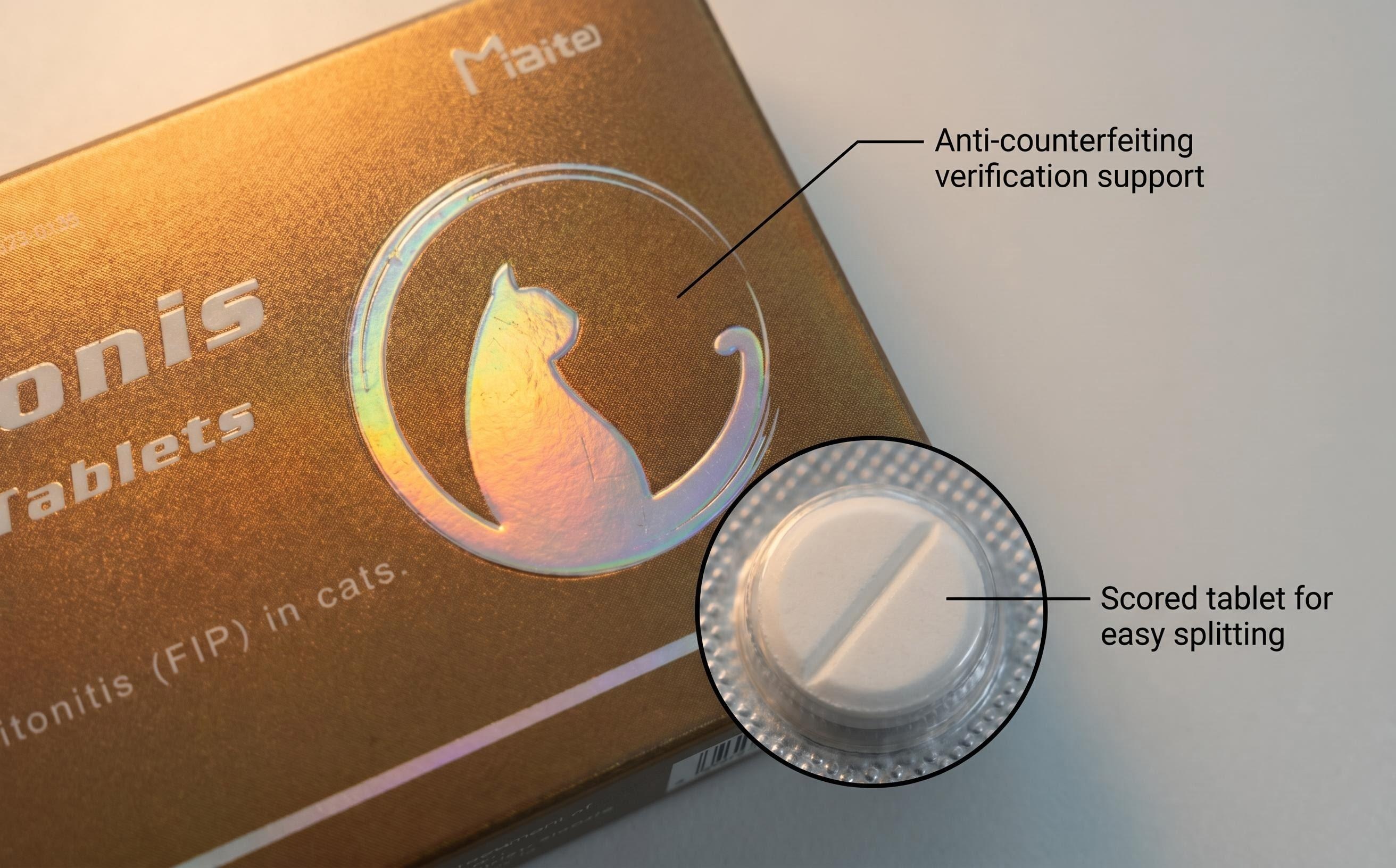
Until recently, FIP was considered untreatable. Today, antiviral drugs such as GS-441524 bring hope. Because these are most effective early, missing subtle symptoms means missed chances for survival. Owners vigilant for mild signs can improve outcomes.
Conclusion: The Cost of Missed Signs
Missing early symptoms of FIP can mean the difference between life and death. Subtle changes in appetite, behavior, and energy levels—though easy to dismiss—often precede catastrophic illness. Educating cat owners to recognize the value of minor symptoms is essential in controlling FIP’s impact. The possibility of effective intervention now demands greater vigilance; even small signs are worthy of attention.
References
1. Pedersen, N.C. (2009). A review of feline infectious peritonitis virus infection: 1963–2008. Journal of Feline Medicine and Surgery, 11(4), 225-258.
2. Addie, D.D., et al. (2020). Feline infectious peritonitis: New directions for diagnosis and treatment. Journal of Feline Medicine and Surgery, 22(3), 215-221.
3. Kipar, A., & Meli, M.L. (2014). Feline infectious peritonitis: still an enigma? Veterinary Pathology, 51(2), 505-526.
4. Hartmann, K. (2005). Feline infectious peritonitis. Veterinary Clinics: Small Animal Practice, 35(1), 39-79.
5. Tasker, S. (2018). Feline infectious peritonitis: Update on diagnosis and management. Veterinary Journal, 246, 73-81.