How to Manage a Multi-Cat Household During FIP Diagnosis
Feline Infectious Peritonitis (FIP) strikes fear into the hearts of cat owners, particularly those with multiple cats. FIP is a progressive, often fatal disease caused by certain mutations in the feline coronavirus, which is common in environments where cats live together. Understanding how to manage a multi-cat household when FIP is diagnosed is crucial for protecting the remaining cats, maintaining their health, and supporting the emotional well-being of everyone involved.
FIP: What Cat Owners Need to Know
FIP develops when the benign feline coronavirus (FCoV), found in up to 80-90% of multi-cat households, mutates within an individual cat, triggering a severe inflammatory response. Only a small percentage of infected cats develop FIP due to individual immune responses and genetic predisposition. However, once a cat is diagnosed with FIP, especially in multi-cat homes, it raises concerns regarding viral shedding, transmission risk, and how best to care for all residents.
Recognizing FIP and Confirming Diagnosis
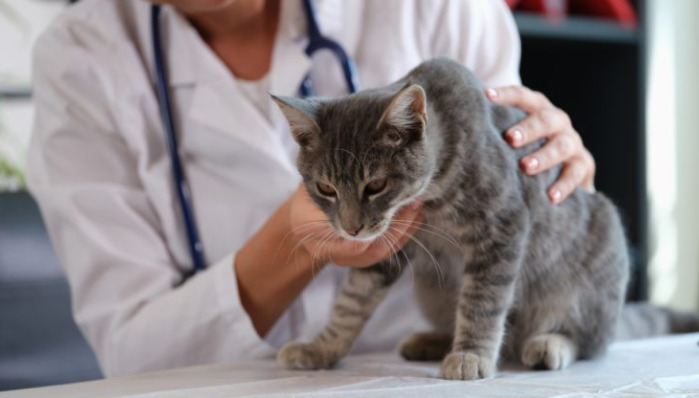
FIP presents in two main forms: effusive (wet) and non-effusive (dry). Effusive FIP involves body cavity fluid accumulation, while the dry form causes granuloma formation in organs. Common symptoms include lethargy, fever, weight loss, poor appetite, abdominal swelling, and neurological signs. Diagnosis typically entails a combination of clinical findings, bloodwork, imaging, and, when possible, PCR testing for mutated coronavirus. It's important to consult with a feline-savvy veterinarian to create an appropriate management plan and confirm diagnosis.
Immediate Steps Upon FIP Diagnosis in One Cat
1. Isolation Considerations
FCoV is most commonly spread through fecal-oral transmission. Mutated FIP itself is not considered contagious in the classic sense—the mutation occurs internally and is not passed directly from cat to cat. Nevertheless, when FIP is diagnosed, it's wise to minimize virus spread. Isolate the affected cat if feasible, especially during active diarrhea or fecal shedding, using a separate litter box and feeding station. Avoid introducing new cats during this period.
2. Cleaning and Environmental Hygiene
FCoV may persist for weeks in dry environments, but is relatively easy to destroy with routine cleaning. Daily scoop litter, disinfect boxes weekly with a bleach solution (1:32 ratio), wash food/water dishes in hot soapy water, and disinfect frequently touched surfaces. Remove organic material prior to disinfecting. Wash bedding regularly.
3. Managing Shared Spaces
If full isolation is not possible, limit shared items. Use separate litter boxes and food/water bowls for each cat, and position them in separate rooms or distinct parts of the home. Avoid group feeding or group grooming sessions.
Monitoring Other Cats for Signs of FIP
Be alert for subtle behavioral or physical changes in remaining cats: energy level, appetite, body temperature, and gastrointestinal health. Schedule routine veterinary check-ups for the group, and perform bloodwork if any clinical signs develop. Lower stress by maintaining a predictable daily schedule, as stress can suppress immunity and promote viral shedding.
Understanding Risk Factors for Developing FIP
Certain cats are at higher risk in a FCoV-positive environment. Young kittens (3-16 months), immunocompromised, and purebred cats face increased susceptibility. Genetic predispositions also play a role. Cohabiting cats that recently underwent stress (adoption changes, surgeries, aggressive cleaning routines) may be at higher risk.
Reducing Stress in a Multi-Cat Setting
Introduce enrichment and low-stress activities: puzzle feeders, safe window perches, familiar play routines, and quiet resting spaces. Avoid unnecessary changes, loud noises, or social disruptions while one cat is ill or newly diagnosed. Provide extra attention and calm companionship, but maintain boundaries to protect all cats' mental health.
Litter Box Management
Because FCoV is shed predominantly in feces, litter boxes are a primary transmission route. Scoop at least daily (twice daily preferred), use clumping unscented litter, and disinfect boxes weekly. Assign one box per cat plus one extra—spread boxes far apart to reduce cross-traffic. Wash hands thoroughly after scooping.
Managing Food and Water Stations
Assign separate bowls for each cat and wash them daily. Prevent the sick cat from eating with others where possible; use different rooms or schedules if needed. Avoid free-feeding and communal water fountains during outbreaks.
Discussing FIP Treatment Options and Follow-Up Care
Recent breakthroughs have made FIP treatable in select cases (e.g., GS-441524 antivirals, not currently FDA-approved as of 2024 but available in some regions). Consult with your veterinarian for legal, effective, and up-to-date treatments, and never attempt to medicate without professional guidance. Follow up regularly to monitor progress and adapt protocols for your household.
Supporting Emotional Well-Being
The psychological toll on owners and other cats should not be underestimated. Grief, guilt, and anxiety are common. Use support groups, experienced feline forums, veterinary counseling, and trusted friends. Offer extra affection and reassurance to resident cats, especially if the sick cat requires isolation.
Preparing for Worst-Case Scenarios
In persistent FCoV environments, periodic flare-ups may occur. Prepare financially and emotionally for potential future FIP diagnoses. Consider group testing for FCoV using fecal PCR if possible. After a FIP-positive cat passes away, wait at least several weeks before adopting another cat, disinfect all areas, and check with animal rescue organizations regarding best practices for new introductions.
Long-Term Strategies for Multi-Cat Households
1. Limit Population Density
Avoid overcrowding; excess cats per room or household elevates viral load and stress. Maintain cat-to-litter box ratios, and allow each cat personal space.
2. Kitten Management
Kittens sourced from FCoV-negative breeders or single-cat homes have the lowest risk. Minimize introduction of outside cats where FCoV is present.
3. Preventative Vet Care
Keep up routine vet exams, vaccines, parasite control, and weight checks. Early detection creates better management outcomes.
4. Aftercare and New Cat Introductions
After a FIP case, consider deep cleaning, replacing high-contact items (litter boxes, bedding, toys), and testing resident cats, if possible. Introduce new cats gradually, and opt for those from highly monitored environments.
Informed Communication
Educate family, visitors, and pet sitters about FIP and household protocols. If vet visits require multiple cats, stagger appointments to minimize stress and cross-exposure. Prepare a binder or digital record for each cat’s health history, test results, and treatments.
Navigating FIP in Shelters and Foster Homes
Shelters and fosters face unique challenges: larger populations, variable immunity, and frequent turnover. Adopt strict quarantine policies for new arrivals, become fluent in observing subtle health changes, and prioritize rapid diagnostic testing. Foster homes should maintain disinfected communal spaces, monitor closely, and minimize cross-population when an FIP case emerges.
Balancing Compassion with Caution
Above all, approach FIP management with compassion. Isolating sick cats is emotionally difficult, but prioritizes group safety. Address conflicting recommendations by consulting board-certified feline vets (not just general practitioners), and stay informed on new research, treatments, and prevention strategies. Remember: FIP mutations are unpredictable, and not every FCoV-exposed cat will develop disease.
References
1. Pedersen, N. C. (2020). "An update on feline infectious peritonitis: diagnostics and therapeutics." Veterinary Clinics: Small Animal Practice, 50(5), 1001-1011.
2. Hartmann, K. (2005). "Feline Infectious Peritonitis." Veterinary Clinics: Small Animal Practice, 35(1), 39-79.
3. Addie, D. D., et al. (2009). "Feline coronavirus infection: ABCD guidelines on prevention and management." Journal of Feline Medicine and Surgery, 11(7), 570-576.
4. Porter, E., Tasker, S. (2022). "Managing FIP and FCoV in multicat households." Cat World Magazine, 402, 32-37.
5. American Association of Feline Practitioners. (2023). "2023 AAFP FIP Guidelines." [Online]. Available: https://catvets.com/guidelines
6. Stoddard, A., & Meli, M. (2012). "Feline coronavirus: current knowledge and future challenges." Veterinary Quarterly, 32(2), 55-65.
7. U.S. Centers for Disease Control and Prevention. (2023). "Feline Infectious Peritonitis: Guidance for Multi-Cat Households." [Online]. Available: https://cdc.gov/healthypets/cats/fip.html
8. University of California, Davis, School of Veterinary Medicine. (2022). "FIP FAQs for Cat Owners." [Online]. Available: https://vetmed.ucdavis.edu/fip-faqs
9. Olsen, C. (2024). "Environmental Survival of Coronaviruses in Cat Shelters." Shelter Medicine Journal, 15(1), 12-18.