How Is FIP Treated in Cats

Introduction to Feline Infectious Peritonitis (FIP)
Feline Infectious Peritonitis (FIP) is one of the most challenging diseases in feline medicine, impacting cat owners and veterinarians worldwide. FIP is caused by a mutation of the feline coronavirus (FCoV), a typically benign virus. In rare cases, especially in young or immunocompromised cats, the virus mutates and leads to a life-threatening illness called FIP. FIP commonly affects cats under two years or older cats with suppressed immune systems. The disease exists in two forms: the “wet” (effusive) form, which involves fluid accumulation in the abdomen or chest, and the “dry” (non-effusive) form, which presents with granulomatous lesions and organ dysfunction. Understanding treatment modalities is essential for caregivers seeking better outcomes for their cats.
Diagnosis Prior to Treatment: Why It Matters
FIP shares symptoms with several other feline diseases, like lymphoma and toxoplasmosis, making diagnosis complex. Clinicians rely on a combination of clinical signs (chronic fever, weight loss, fluid distension), laboratory findings (elevated protein levels, increased white blood cells), and specific diagnostic modalities. Advanced diagnostics involve reverse transcriptase polymerase chain reaction (RT-PCR) testing of effusive fluids, immunohistochemistry, and analysis of effusion Rivalta's test. Establishing a definitive diagnosis is critical because FIP was previously a fatal disease, but newly available treatments offer hope only when started promptly.
Historical Treatments and Limitations
Before the availability of targeted antiviral therapy, the approach to FIP was largely palliative. Supportive measures, such as corticosteroids, antibiotics, fluid therapy, nutritional support, and immune system modulators, could only improve quality of life temporarily. None of these strategies targeted the underlying virus responsible for FIP. The outcome was almost universally fatal, with most cats succumbing to the disease within weeks or months.
The Breakthrough: Antiviral Therapies
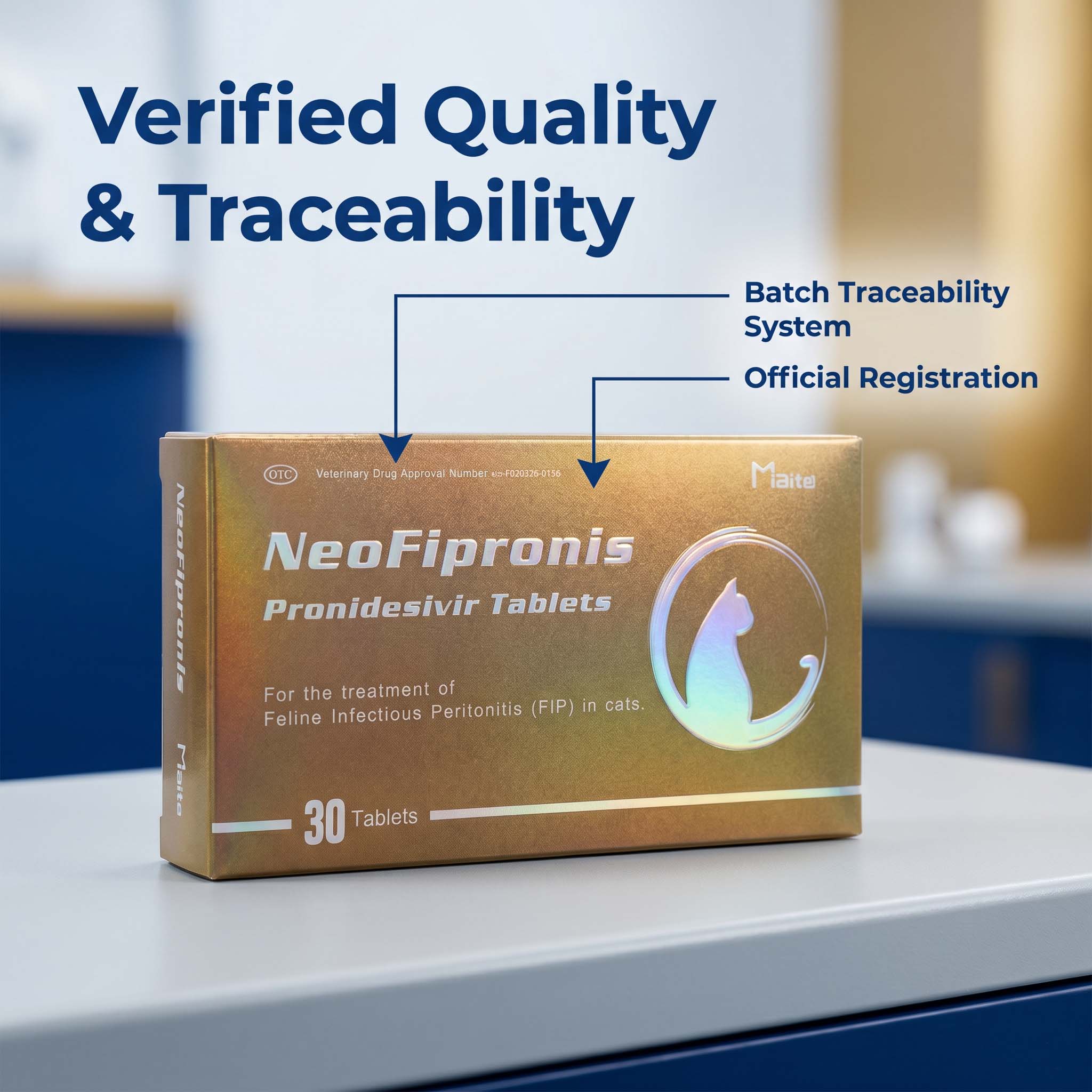
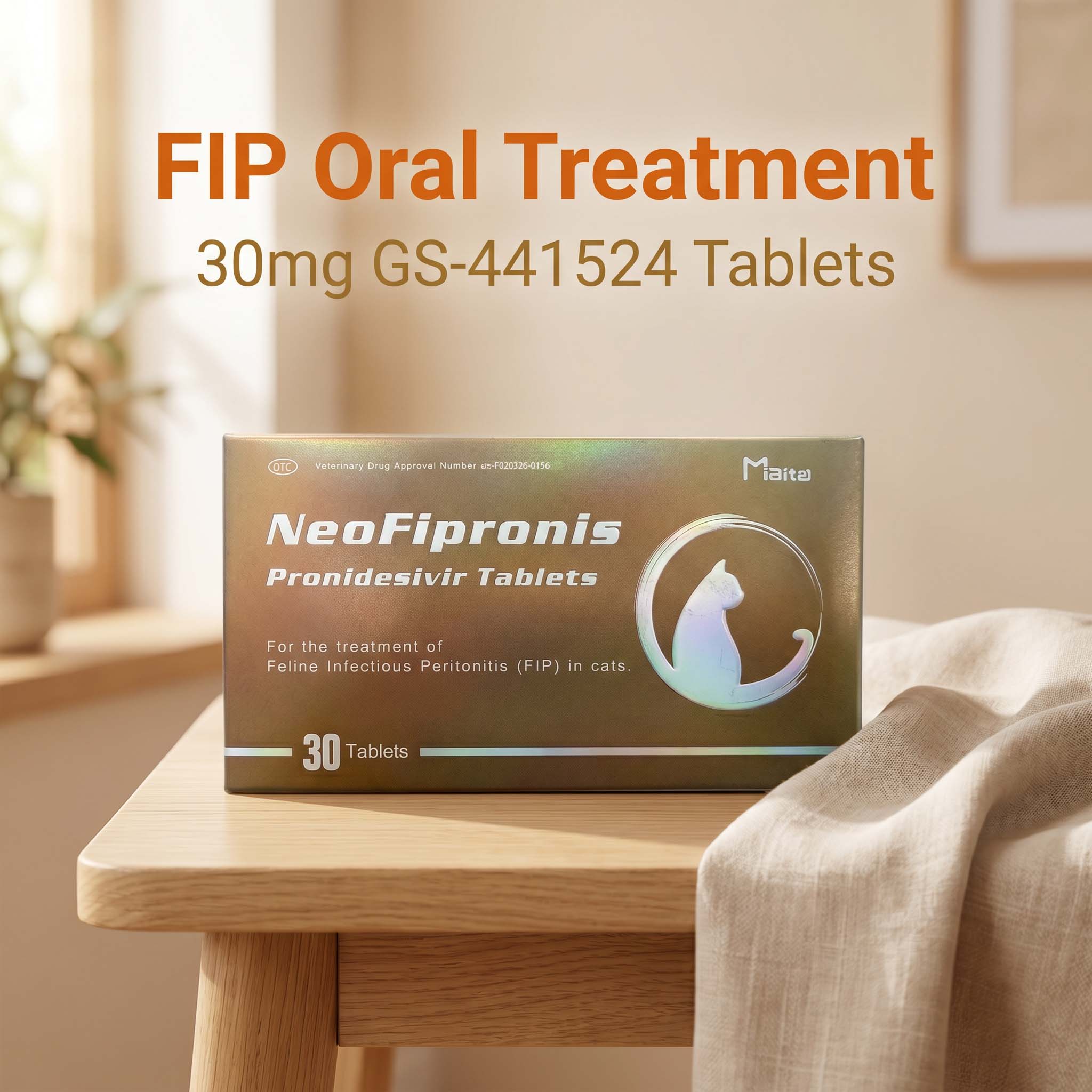
A game changer in FIP treatment emerged with the introduction of nucleoside analog antivirals, primarily GS-441524. This compound inhibits viral RNA replication, halting the progression of the disease. GS-441524 is chemically related to Remdesivir, a drug investigated for human coronavirus infections. In multiple clinical studies and anecdotal reports, GS-441524 has achieved remission rates upwards of 80% when administered early in the disease course, especially in wet FIP.
Access to GS-441524 Treatment in the United States
Despite its demonstrated effectiveness, GS-441524 does not have full FDA approval in the United States. As a result, American veterinarians are not permitted to prescribe or dispense it directly. Owners often access the medication through gray markets or via foreign pharmacies, sometimes using online support groups for guidance. Recently, compassionate use policies, veterinary advocacy, and ongoing research have helped improve awareness and access. Some veterinarians help owners monitor treatment even if they cannot legally provide the medicine.
Treatment Protocol for GS-441524
GS-441524 is usually administered by subcutaneous injection. The standard treatment course is 12 weeks, though the dose and duration can vary depending on disease severity and the cat's weight. Wet FIP typically responds faster and requires lower doses than dry FIP or cases with ocular or neurological involvement. Owners are trained to give daily injections at home, monitor for side effects (such as skin irritation or discomfort), and perform periodic bloodwork to track the cat’s recovery.
Other Emerging Antiviral Drugs
Remdesivir, an intravenous antiviral similar to GS-441524, is being used off-label for FIP cases where GS-441524 is inaccessible, particularly in Australia, the UK, and some U.S. states under research exemption. Research on additional drugs, such as GC376 (a protease inhibitor), shows promise, but clinical experience outside laboratory settings remains limited. Some cats require a switch between these antivirals due to complications, escalating cost, or availability issues.
Managing Complications and Supportive Care
Many cats with FIP are severely ill upon diagnosis, necessitating supportive care to manage anemia, dehydration, poor appetite, or secondary infections. Supportive interventions can include:
Intravenous or subcutaneous fluids for hydration
Appetite stimulants or assisted feeding if the cat is anorexic
Broad-spectrum antibiotics if bacterial coinfections are present
Anti-inflammatory medications to control fever and discomfort
Blood transfusions in cases of severe anemia
Supportive care addresses immediate health crises and improves the effectiveness of antiviral therapy.
Monitoring During and After Treatment
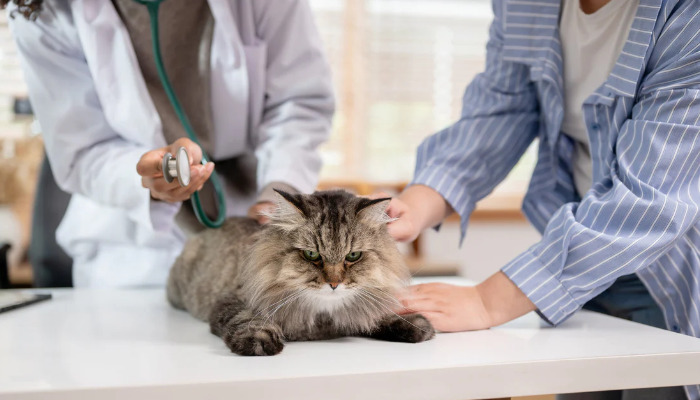
Careful veterinary monitoring is essential throughout antiviral therapy. Regular bloodwork, including complete blood count, biochemistry panel, and serum protein levels, tracks treatment response and flags issues such as liver or kidney complications. Effusive cases require periodic ultrasound to check for fluid re-accumulation. Most veterinarians schedule check-ups every 2–4 weeks during the 12-week protocol, with follow-ups post-therapy to ensure sustained remission.
Relapses and Long-Term Management
While more than three-quarters of treated cats achieve remission, a minority experience relapse, particularly with neurological or ocular involvement. Secondary courses of antivirals, sometimes at higher doses and for extended periods, are used in such cases. Lifelong immunity following successful FIP therapy is possible but not guaranteed, so pet owners should remain vigilant for symptoms returning within six months after stopping treatment.
Outcomes and Prognosis
Cats treated with GS-441524 or comparable antiviral protocols and monitored regularly have a strong chance of returning to normal health, especially if treatment begins early. Prognosis is poorer for cats with dry FIP affecting the eyes or nervous system, but sustained remission remains achievable. The emotional and financial commitment is significant, but the reward is clinical cure for a previously untreatable disease.
Barriers to Global Access and Cost Considerations
The lack of official regulatory approval and high out-of-pocket costs are significant barriers to accessing FIP-specific antivirals. Many cat owners face significant financial strain, with a typical 12-week course costing multiple thousands of dollars. Organizations and advocacy groups are working to encourage more widespread licensing and production of these drugs, which could ultimately reduce costs and improve accessibility.
Prevention of FIP: What Pet Owners Can Do
No FIP vaccine with long-term efficacy currently exists. Reducing stress and overcrowding in catteries, keeping litter boxes clean, and separating kittens from adult carriers of feline coronavirus are important practical measures. In multi-cat households, owners can limit the spread of coronavirus, but total prevention is difficult due to the virus’s ubiquity. Early detection and prompt veterinary care remain paramount.
Key Points for Cat Owners
FIP is no longer an untreatable disease; effective antiviral treatment is available.
Early, accurate diagnosis and prompt intervention improve the likelihood of cure.
Owners must navigate regulatory, financial, and practical hurdles to obtain medication in the U.S.
Continuous veterinary monitoring and supportive care greatly enhance outcomes.
Relapses may occur but can often be successfully managed with a secondary course of therapy.
Future Directions for FIP Management
The future promises wider access to effective drugs, ongoing research for even better agents, and possibly preventative vaccines. Veterinary professionals, researchers, pharmaceutical companies, and advocacy groups continue to work towards FIP’s eventual eradication from the global feline population.
References
1. Pedersen NC, Perron M, Bannasch M, et al. “Efficacy and safety of the nucleoside analog GS-441524 for treatment of cats with naturally occurring feline infectious peritonitis.” Journal of Feline Medicine and Surgery.
2. Addie DD, et al. “Feline infectious peritonitis: ABCD guidelines on prevention and management.” Journal of Feline Medicine and Surgery.
3. Murphy BG, et al. “The nucleoside analog GS-441524 strongly inhibits feline infectious peritonitis (FIP) virus in tissue culture and experimental cat infection studies.” Veterinary Microbiology.
4. Krentz D, Zwicklbauer K, et al. “Long-Term Follow-Up of Feline Infectious Peritonitis Treated with GS-441524.” Viruses.
5. Dickinson PJ, et al. “Antiviral Treatment Using Remdesivir and GS-441524 in Cats with Feline Infectious Peritonitis.” Frontiers in Veterinary Science.
6. Hartmann K. “Feline infectious peritonitis.” Veterinary Clinics of North America: Small Animal Practice.
7. Tasker S. "Diagnosis and management of feline infectious peritonitis.” In Practice.
8. Beers D. “GS-441524 for Feline Infectious Peritonitis: Surmounting the Legal and Logistical Barriers.” Journal of the American Veterinary Medical Association.
9. Kipar A, Meli ML. “Feline infectious peritonitis: still an enigma?” Veterinary Pathology.
10. Norris JM, et al. “Infection with feline coronavirus associated with feline infectious peritonitis in domestic cats.” Veterinary Record.