How to Use NeoFipronis (Pronidesivir) Properly
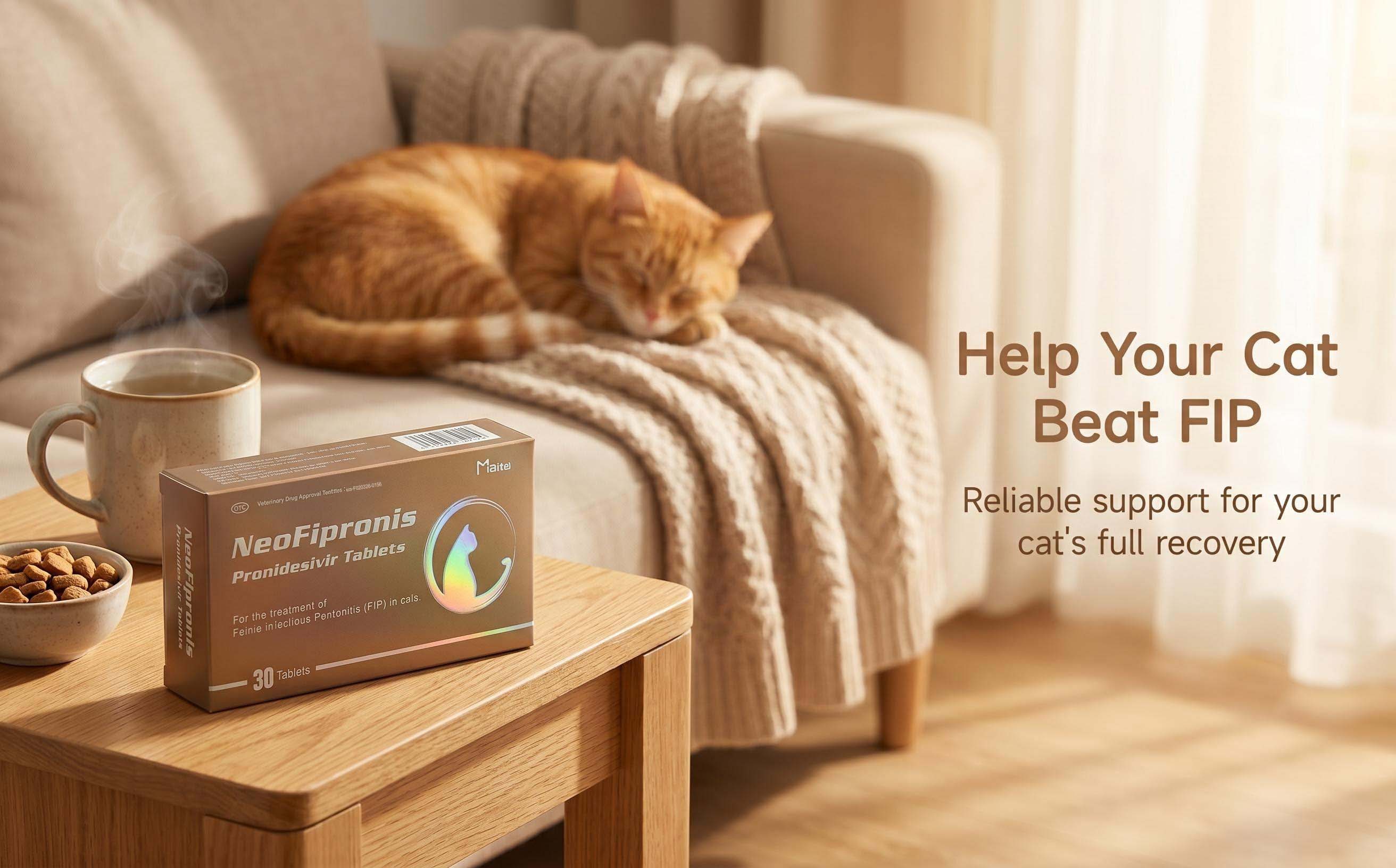
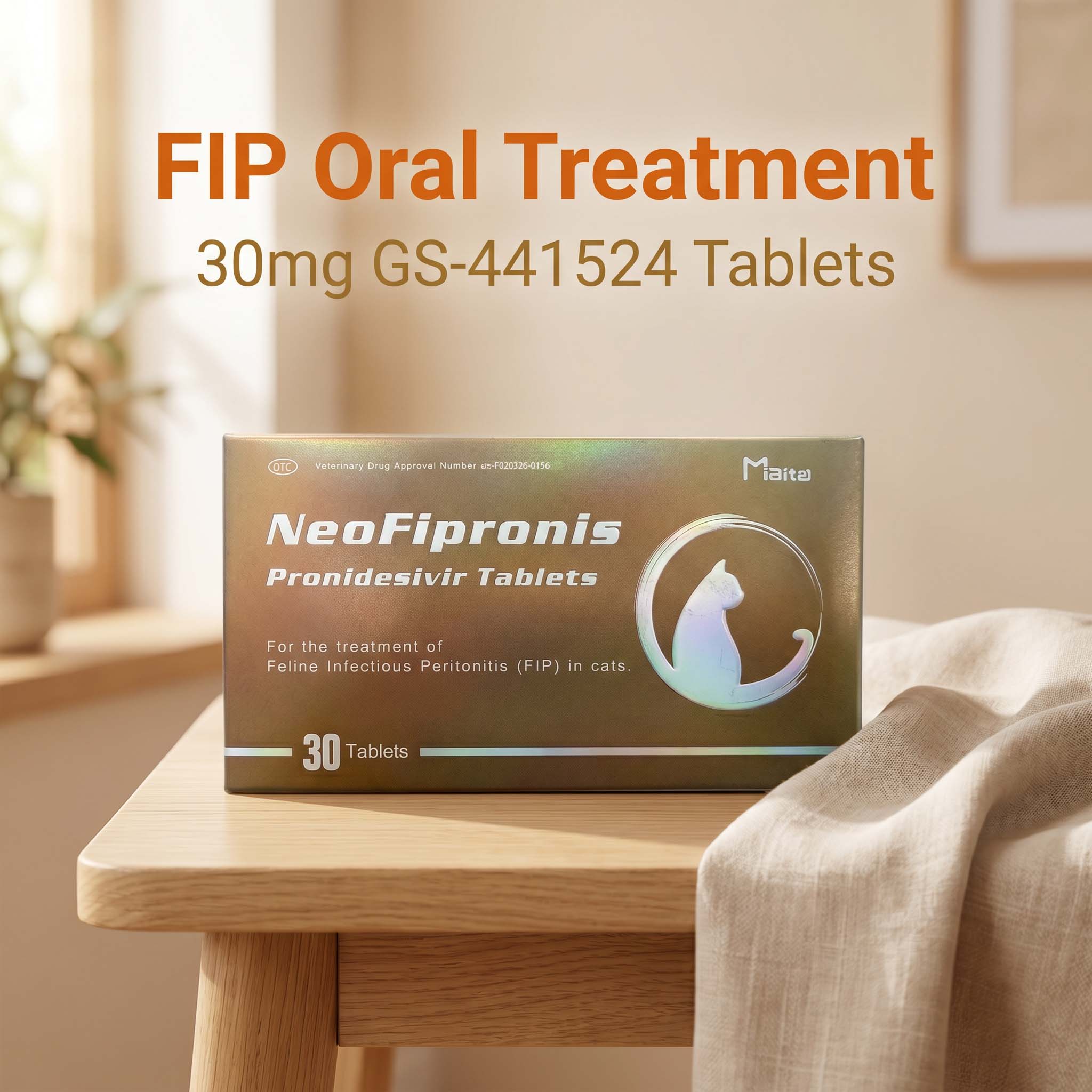
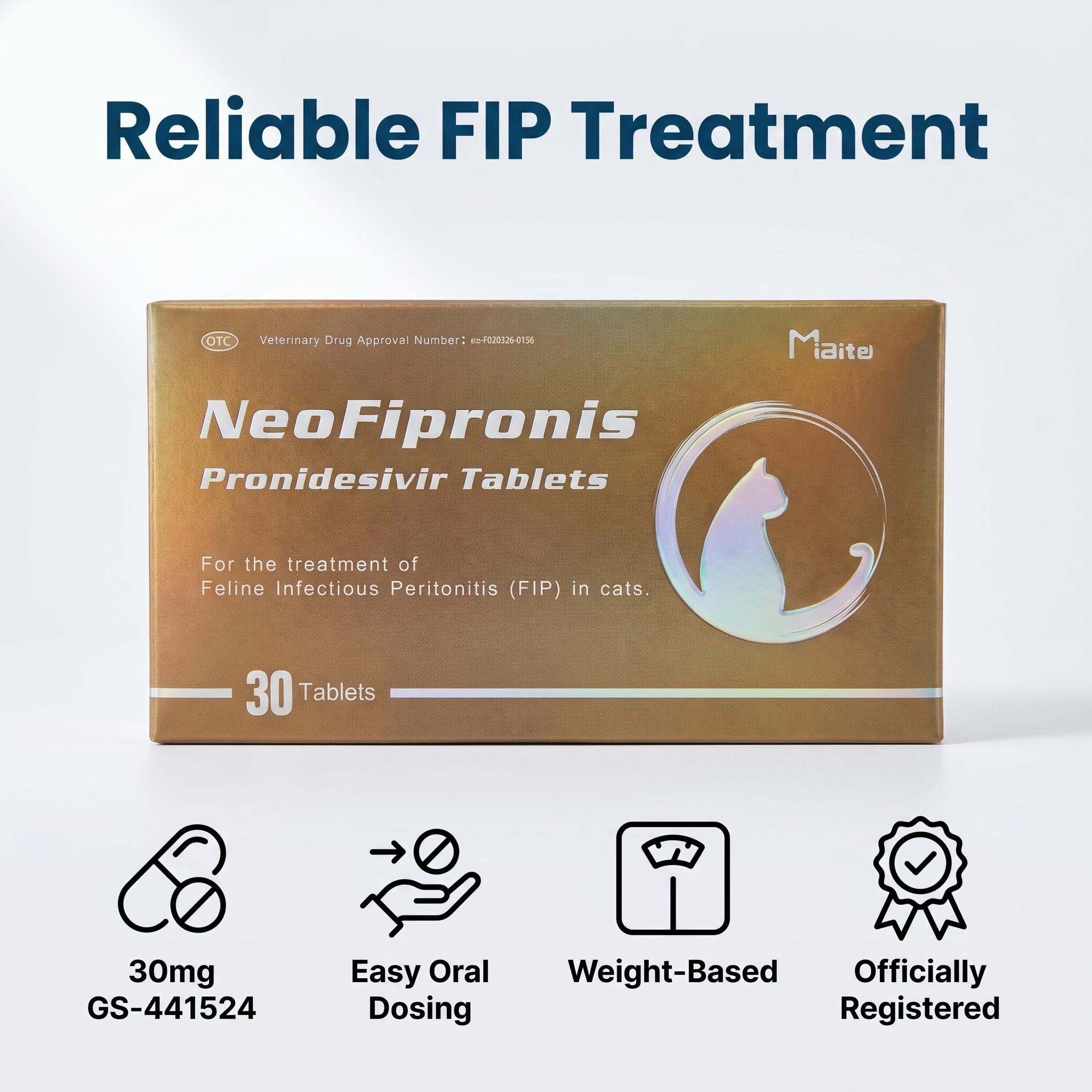
NeoFipronis (Pronidesivir) is an oral treatment option for cats with feline infectious peritonitis (FIP), a serious disease that may cause poor appetite, lethargy, fever, abdominal fluid, chest fluid, enlarged lymph nodes, inflammatory granulomas, neurologic signs, and uveitis. Its active ingredient is GS-441524, a compound widely associated with antiviral support in FIP management. When used correctly, NeoFipronis may help improve comfort, appetite, activity, and overall clinical status in affected cats.
Proper use begins with confirming the cat’s body weight and FIP type. Dosage is generally based on weight, and accuracy matters. For standard FIP cases, the commonly recommended dose is 15 mg per kilogram of body weight once daily. For neurologic FIP or ocular FIP, veterinarians may recommend increasing the dose to 30 mg per kilogram daily. Because these forms can be more difficult to manage, professional guidance is strongly recommended before changing the dose.
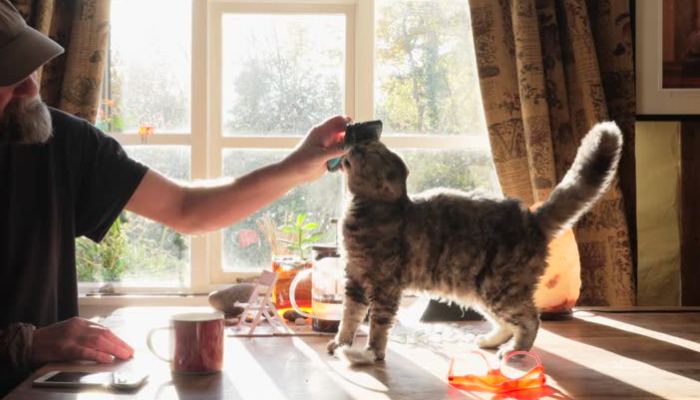
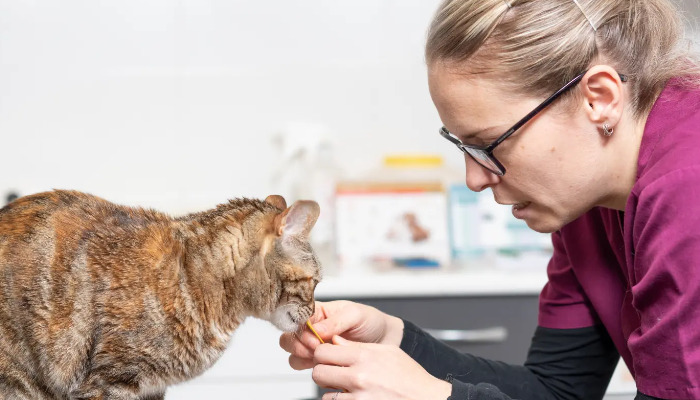
NeoFipronis is usually given once a day, ideally on an empty stomach for better absorption. The preferred schedule is at least one hour before feeding or two hours after a meal. Cats that are difficult to medicate may still accept the tablet more easily when it is given consistently at the same time each day. Consistency is important, because missed doses can reduce treatment effectiveness and may slow recovery.
Treatment duration should not be shortened. A full course should continue for no less than 12 weeks unless a veterinarian advises otherwise. Even if the cat begins eating normally, becomes more energetic, or appears clinically improved, the medication should not be stopped early. FIP can relapse if therapy is interrupted too soon, so daily adherence is essential throughout the full treatment period.
Monitoring during therapy is just as important as dosing. Owners should watch for changes in appetite, temperature, energy level, breathing, abdominal swelling, and neurological signs. Blood tests are often recommended during treatment to evaluate inflammation and to monitor liver and kidney function. Regular follow-up helps detect improvement early and allows prompt adjustments if the cat is not responding as expected.
NeoFipronis is generally described as non-invasive, fast-absorbing, and well tolerated, with a relatively low rate of side effects. Even so, every cat is different. If vomiting, diarrhea, marked weakness, loss of appetite, or unusual behavior appears, contact a veterinarian promptly. Cats with severe FIP, dehydration, or concurrent illness may need additional supportive care alongside antiviral therapy.
Although NeoFipronis (Pronidesivir) may be available without a prescription in some markets, veterinary supervision remains the safest choice. FIP is a complex disease, and the right dose may depend on the cat’s age, weight, symptoms, and response to treatment. This product is for cats only and must not be used in humans.
When purchasing NeoFipronis, use the official website or an authorized source to reduce the risk of counterfeit or low-quality products. Authentic packaging, proper storage, and verified supply are important parts of FIP treatment success. For cats suspected of having FIP, combining prompt diagnosis, correct dosing, daily compliance, and ongoing monitoring offers the best chance for a strong treatment response.