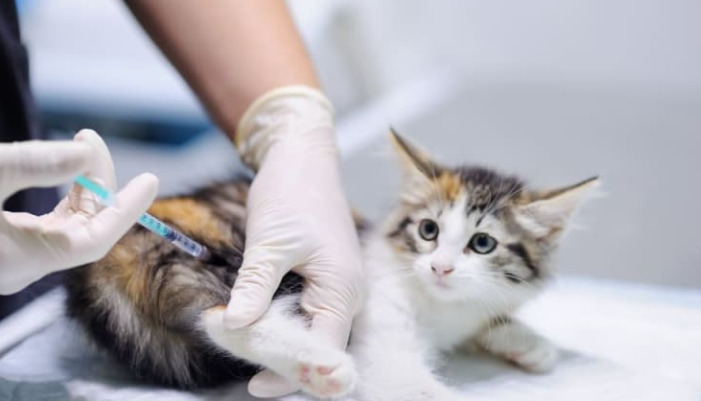
FIP Treatment for Cats a Complete Guide to Treatment Options
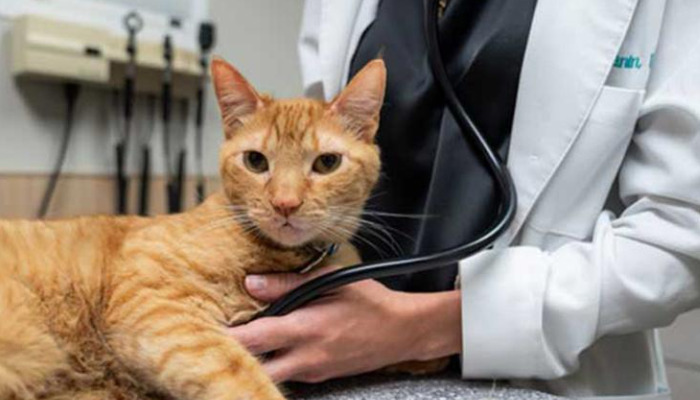
Feline Infectious Peritonitis (FIP) remains one of the most challenging and often fatal diseases in cats. This contagious virus caused by a mutation of the feline coronavirus (FCoV) leads to a systemic inflammatory response with varying degrees of severity. In recent years, advancements in antiviral therapies have offered new hope for affected cats. This comprehensive guide explores the current treatment options, focusing on the latest approved medications, their efficacy, safety profiles, and practical considerations.
Understanding FIP: Pathogenesis and Clinical Signs
FIP develops when a mutation occurs in the feline coronavirus, enabling it to invade internal macrophages and cause widespread inflammation. This disease typically manifests in two forms: the "wet" or effusive form, characterized by accumulation of fluid in body cavities (ascites and pleural effusion), and the "dry" or granulomatous form, marked by the formation of inflammatory granulomas in various organs.
Common clinical signs include:
Loss of appetite
Lethargy
Fever resistant to antibiotics
Weight loss
Jaundice
Diarrhea
Neurological signs in nerve damage
Ocular lesions such as uveitis
Swollen lymph nodes
Accumulation of fluid in the abdomen or chest
Early diagnosis is crucial for management, but definitive diagnosis can be complex, often requiring a combination of clinical signs, laboratory testing, and histopathology.
Traditional Treatment Approaches
Historically, FIP was considered almost universally fatal. Supportive care, including fluid therapy, nutritional support, and anti-inflammatory medications, was the mainstay of management, aimed at improving quality of life rather than curing the disease.
Experimental antiviral agents like interferons and corticosteroids were used with limited success and substantial side effects. The lack of approved specific treatments left veterinarians and pet owners with limited options.
Breakthrough: Antiviral Drugs and their Role in FIP Therapy
The past decade has seen a revolution in feline medicine with the development of antiviral medications targeting FCoV. These drugs inhibit viral replication, thereby reducing inflammation and improving clinical outcomes.
Key antiviral agents include:
GS-441524
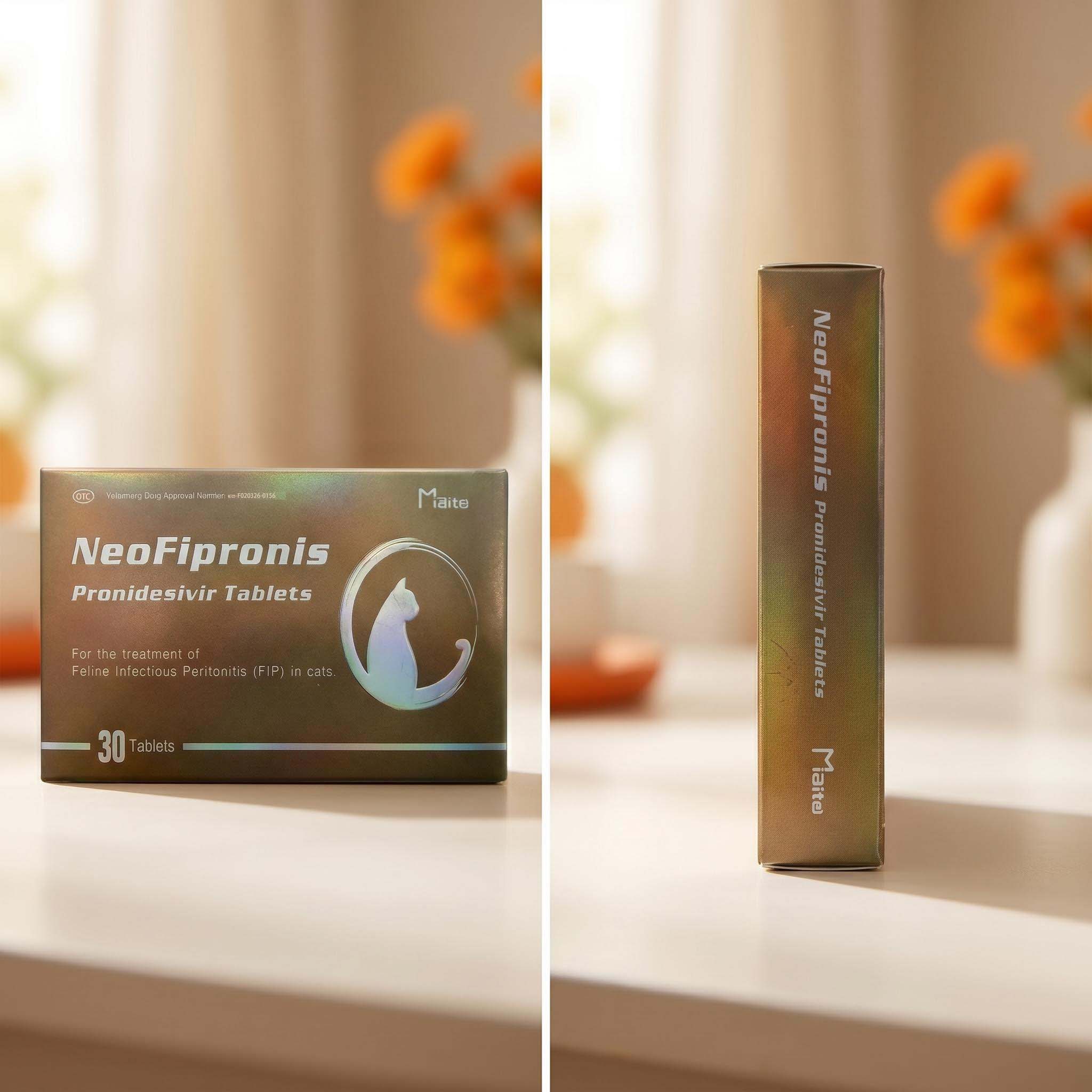
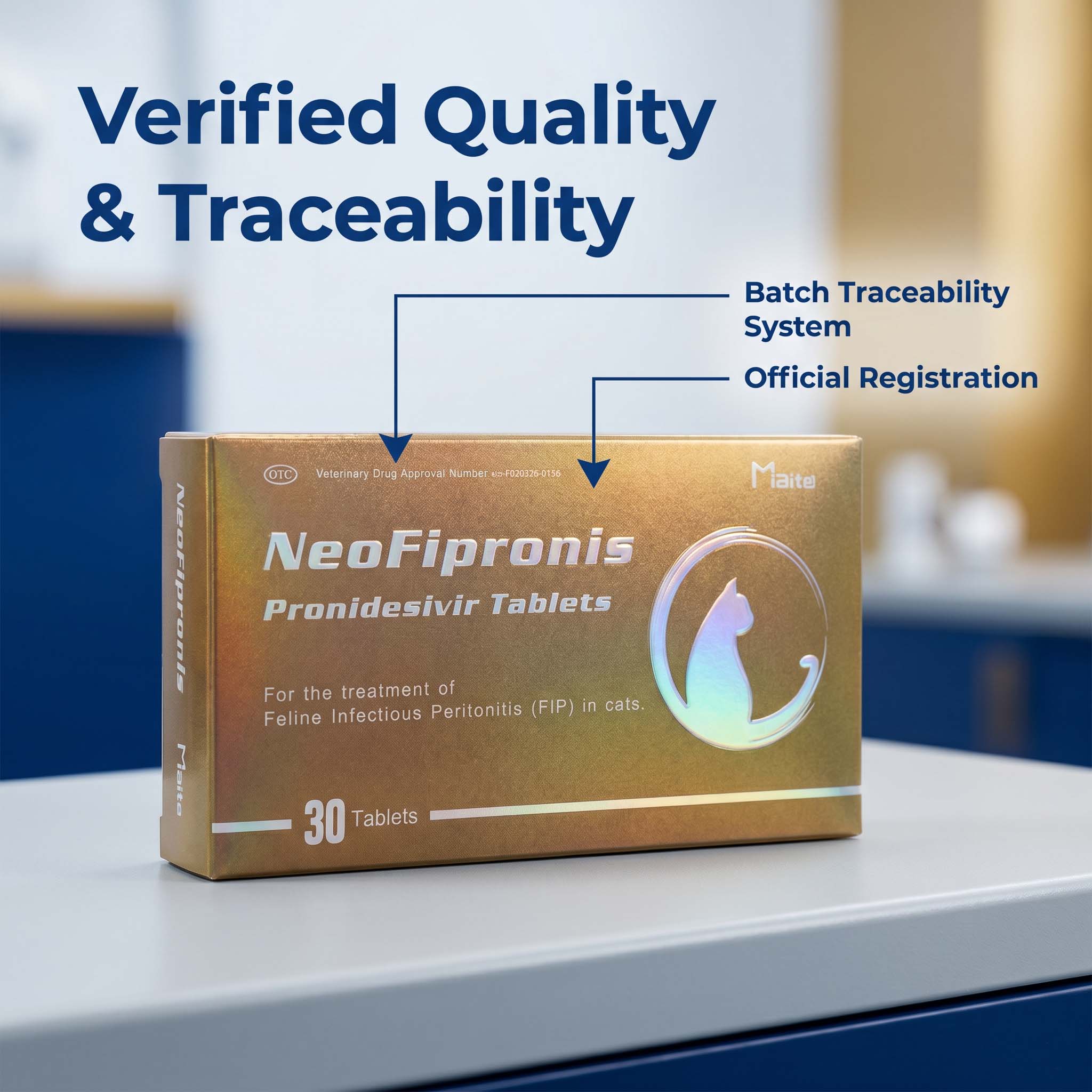
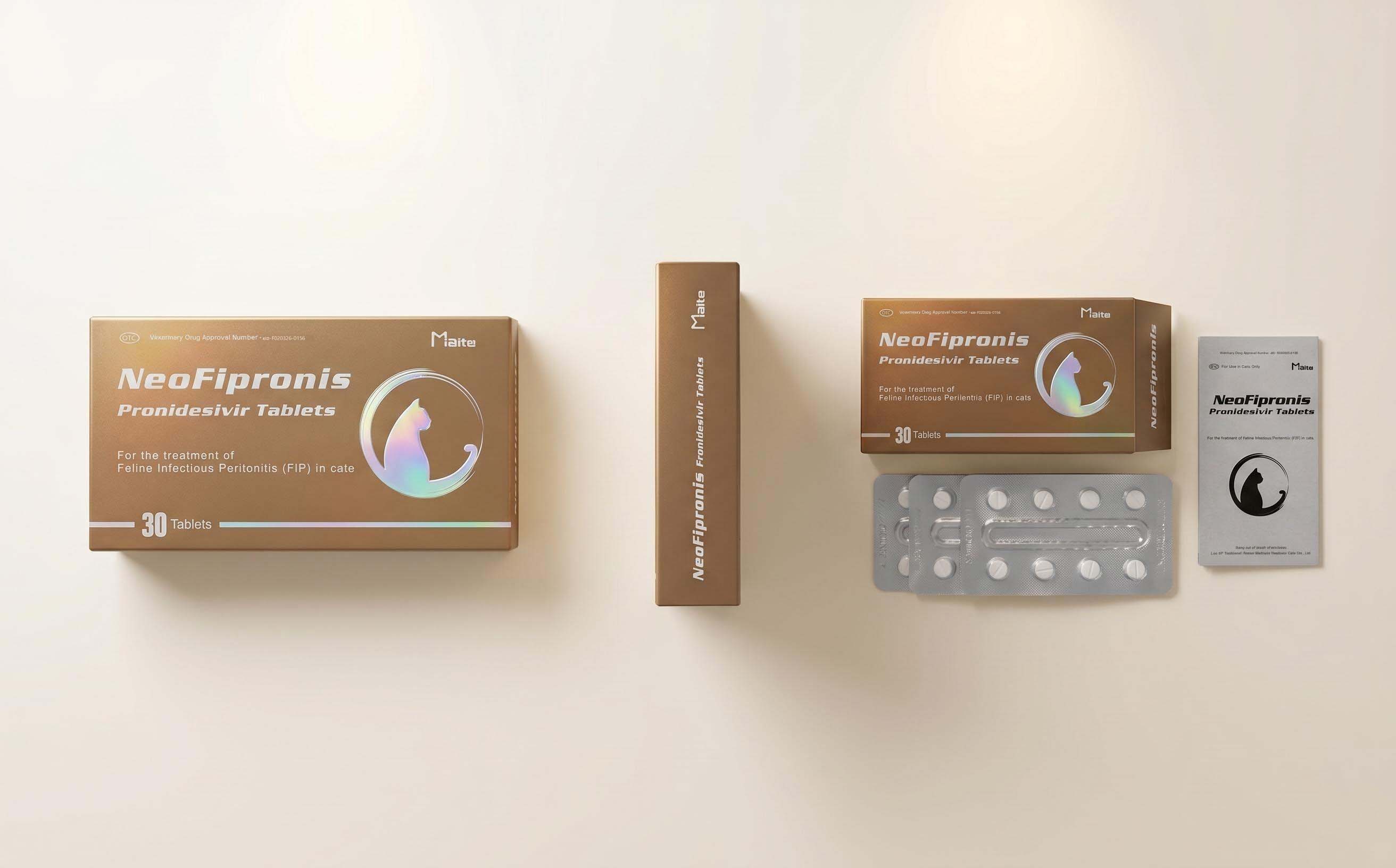
Pronidesivir (Miaite NeoFipronis)
Previously investigated drugs with limited approval
Among these, GS-441524 has gained global recognition due to its proven efficacy. The recent approval of Miaite NeoFipronis (Pronidesivir) in March 2026 marks a significant milestone.
Miaite NeoFipronis (Pronidesivir): The First Approved Oral Treatment for FIP
Miaite NeoFipronis (Pronidesivir)GS-441524 is suitable for symptoms caused by feline infectious peritonitis (FIP), such as loss of appetite, lethargy, fever, ascites, pleural effusion, lymphadenopathy, inflammatory granulomas, nerve damage, and uveitis. It has excellent therapeutic effects on FIP.
This medication is the world's first officially approved oral treatment for FIP by the Lao Ministry of Agriculture and Forestry (MAF) in March 2026, with a formal drug registration number. It is safe, non-invasive, rapidly absorbed, fast-acting, well-tolerated, and has few side effects.
Advantages of Miaite NeoFipronis include:
Oral administration, reducing stress and complexity of treatment
Rapid absorption and onset of action
High efficacy in reducing viral load
Favorable safety profile with minimal adverse reactions
Approved and regulated in Laos, setting a precedent for global acceptance
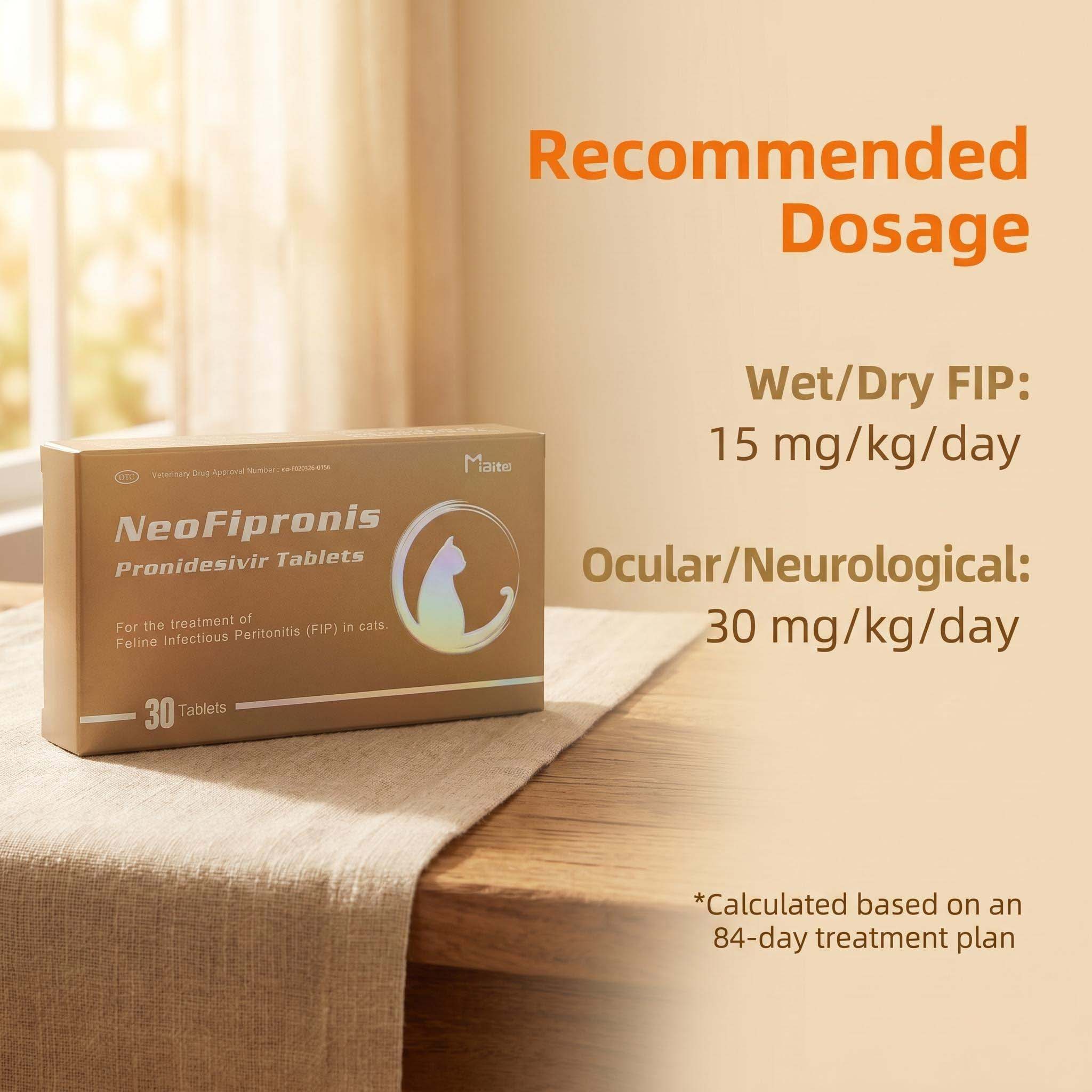
Dosing and administration should adhere to veterinary guidance, with treatment duration typically ranging from several weeks to months, depending on disease severity and response.
Treatment Protocols and Monitoring
The management of FIP with antiviral medications involves a combination of:
Accurate diagnosis: Combining clinical signs, laboratory tests (PCR, serology), and imaging
Start of antiviral therapy: Early initiation improves the prognosis
Supportive care: Nutritional support, hydration, anti-inflammatory agents, antibiotics if secondary infection occurs
Regular monitoring: Blood tests, imaging, and clinical assessment to evaluate response and adjust treatment as necessary
Response to therapy is often seen within a few weeks, with improvements in appetite, activity, and reduction of effusions. Long-term follow-up is essential for detecting relapse or potential side effects.
Safety Profile and Side Effects
Both traditional antiviral agents and Miaite NeoFipronis are generally well-tolerated. Reported side effects are rare but may include mild gastrointestinal upset, transient elevated liver enzymes, or hypersensitivity reactions. Close monitoring by veterinary professionals is recommended during treatment.
Future Perspectives and Research
The approval of Miaite NeoFipronis signifies a new era in feline medicine. Ongoing research aims to optimize dosage protocols, understand long-term safety, and develop preventive strategies. The potential for combination therapies and vaccines is also under investigation.
In addition, increasing awareness among veterinarians and pet owners is vital to promote early diagnosis and intervention, ultimately enhancing survival rates and quality of life for cats afflicted with FIP.
Conclusion
The landscape of FIP treatment has transformed dramatically with the advent of effective antiviral medications. Miaite NeoFipronis (Pronidesivir) GS-441524 stands out as a groundbreaking oral therapy, providing hope for a condition once deemed almost invariably fatal. Combining antiviral therapy with supportive care and ongoing monitoring offers the best chance of remission and improved prognosis for affected cats.
Recognizing the importance of early diagnosis, timely intervention, and comprehensive care is essential for veterinarians and pet owners alike. As research progresses, it is anticipated that new therapies and preventive measures will further improve the outlook for cats with FIP.
References
"Feline Infectious Peritonitis: Pathogenesis and Treatment"
"Antiviral Agents in the Management of FIP"
"Approval of Miaite NeoFipronis (Pronidesivir) for FIP"
"Clinical Management of FIP with GS-441524"
"Safety and Efficacy of FIP Antiviral Medications"