How Long Does It Take for Resistance to Develop to NeoFipronis (Miaite)

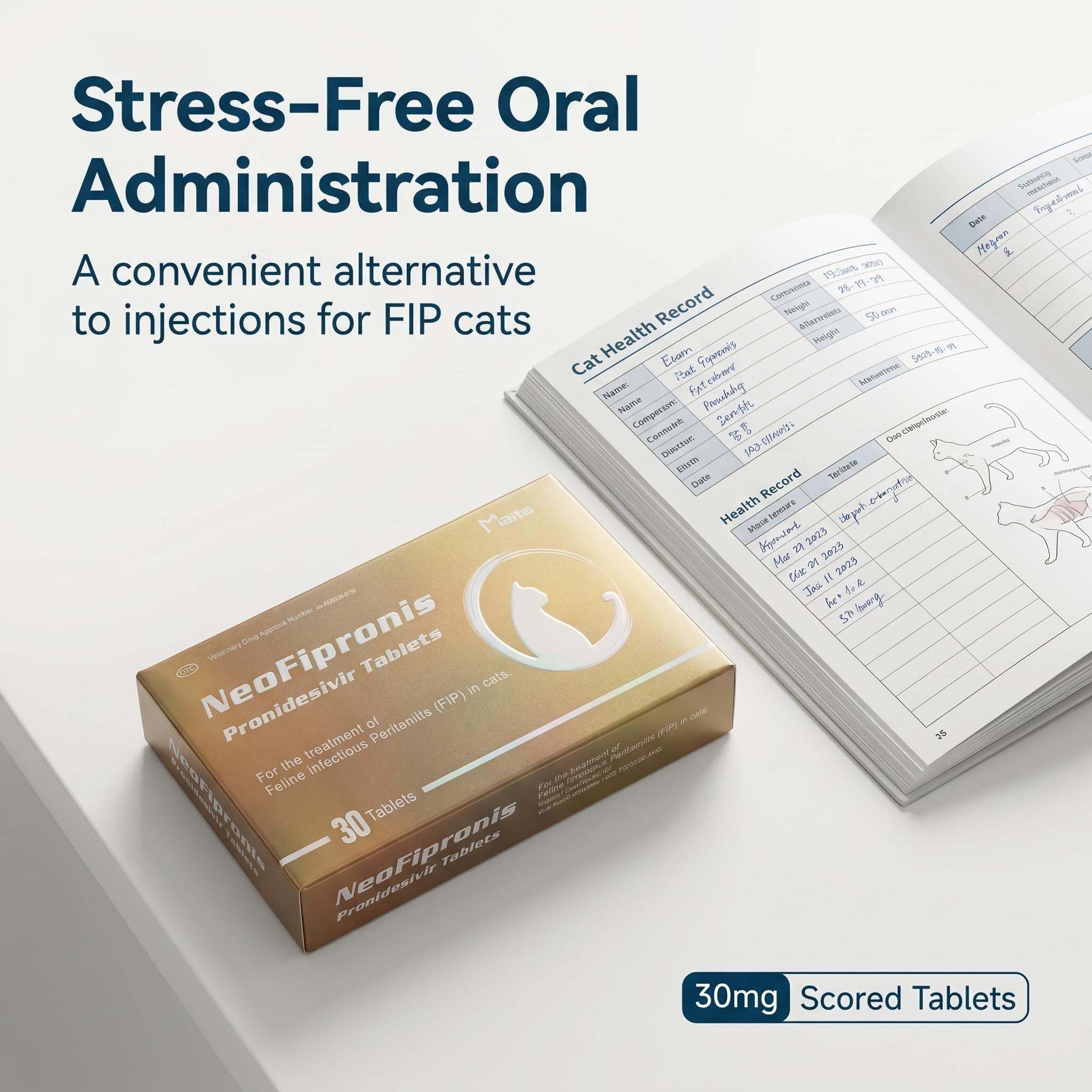
NeoFipronis (Pronidesivir), containing the active ingredient GS-441524, is widely regarded as a breakthrough in the treatment of Feline Infectious Peritonitis (FIP). It has demonstrated remarkable efficacy in alleviating symptoms such as inappetence, lethargy, fever, ascites, pleural effusion, lymphadenopathy, granulomatous inflammation, neurological damage, and uveitis in affected cats. Since its approval by the Lao Ministry of Agriculture and Forestry (MAF) in March 2026—marking it as the first officially registered safe and effective oral medication for FIP—NeoFipronis has gained widespread acceptance among veterinarians and pet owners alike.
Mechanism of Action and Usage
NeoFipronis works by inhibiting the replication of feline coronavirus, effectively targeting the virus responsible for FIP. The medication is administered once daily based on the cat’s weight, generally at a dose of 15mg per kilogram. For neurological or ocular FIP forms, the dosage may be increased to 30mg/kg under veterinary supervision. It is best given on an empty stomach, either an hour before feeding or two hours after. The treatment course is typically at least 12 weeks, emphasizing the importance of strict adherence to prevent viral resistance.
Potential for Resistance Development
While NeoFipronis (Pronidesivir) has shown impressive clinical success, the development of resistance remains a concern, similar to other antiviral therapies. Resistance occurs when the virus mutates, diminishing the drug’s ability to inhibit viral replication. The risk increases with improper use, such as discontinuing treatment prematurely, inconsistent dosing, or missing doses. These practices allow the virus to replicate in the presence of the drug, facilitating mutation and eventual resistance.
Factors Influencing Resistance Emergence
The emergence of resistance is influenced by several factors, including viral genetic variability, treatment duration, and dosing consistency. Feline coronavirus exhibits high mutation rates, which can lead to resistant strains if selective pressure from the drug is applied over extended periods. Using the medication exactly as prescribed and adhering to the full 12-week protocol significantly reduces the chances of resistance. Regular monitoring of viral load, blood parameters, and clinical symptoms helps veterinarians detect early signs of resistance or relapse.
Strategies to Minimize Resistance Risk
To prevent resistance, strict compliance with the prescribed dosage and treatment duration is essential. Owners must ensure their cats do not miss doses and complete the full course, even if symptoms improve early. Periodic veterinary evaluations, including blood tests and viral load assessments, are vital for detecting resistance early. In cases where resistance is suspected, veterinarians may consider alternative therapies, combination treatments, or adjustments in dosing strategies to overcome resistance.
Conclusion
Resistance development to NeoFipronis (Pronidesivir) in FIP treatment is possible but largely preventable through proper usage and strict adherence to the prescribed long-term treatment plan. Continued research and clinical monitoring are crucial for understanding resistance patterns and improving therapeutic strategies. As NeoFipronis remains a pioneering and effective oral treatment, responsible use will ensure its long-term success in managing FIP and reducing the emergence of resistant viral strains.
Keywords: NeoFipronis, Pronidesivir, GS-441524, Feline Infectious Peritonitis, FIP treatment, antiviral resistance, feline coronavirus, viral mutation, resistance prevention, safe FIP medication