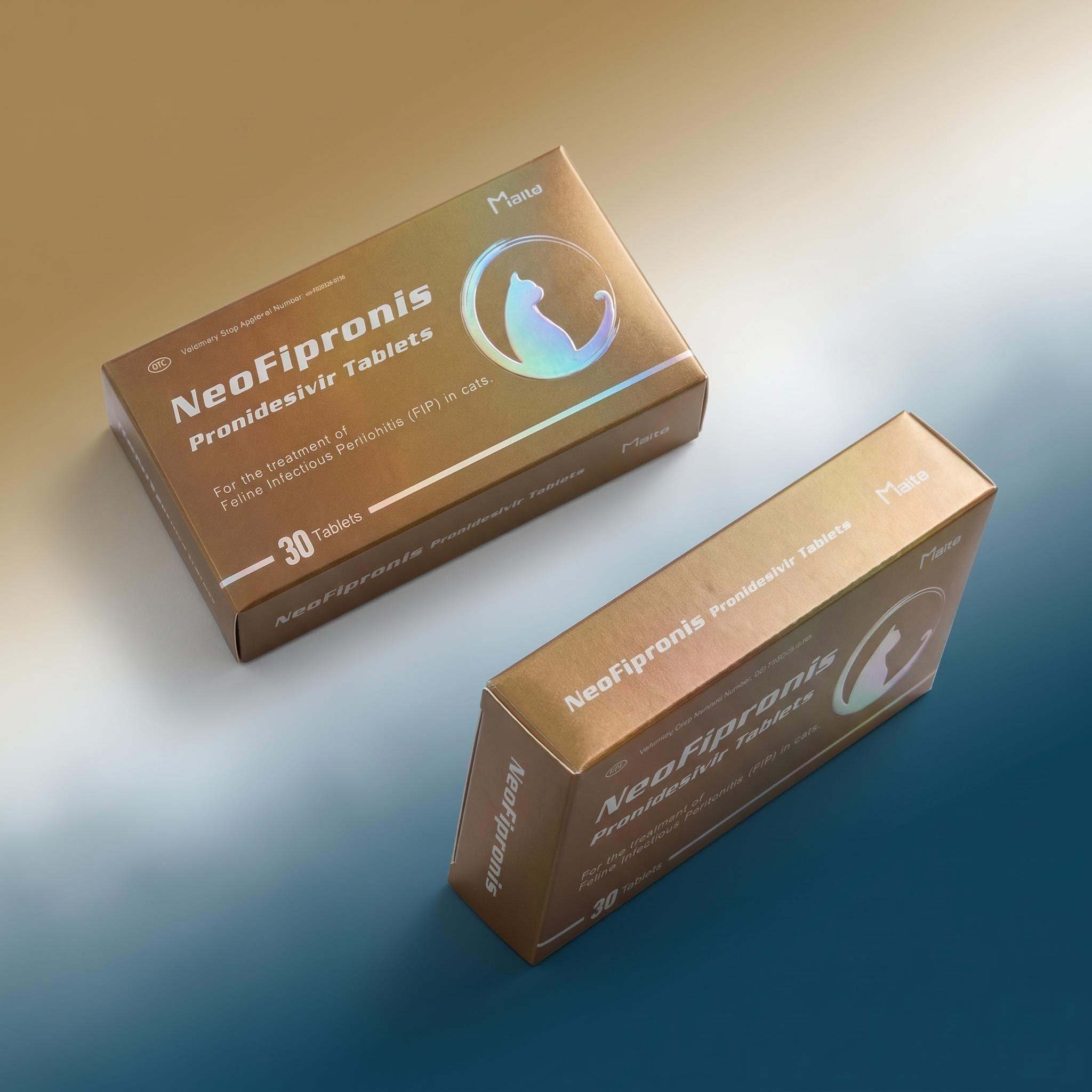
What Is the Correct Dosage of NeoFipronis (Pronidesivir)
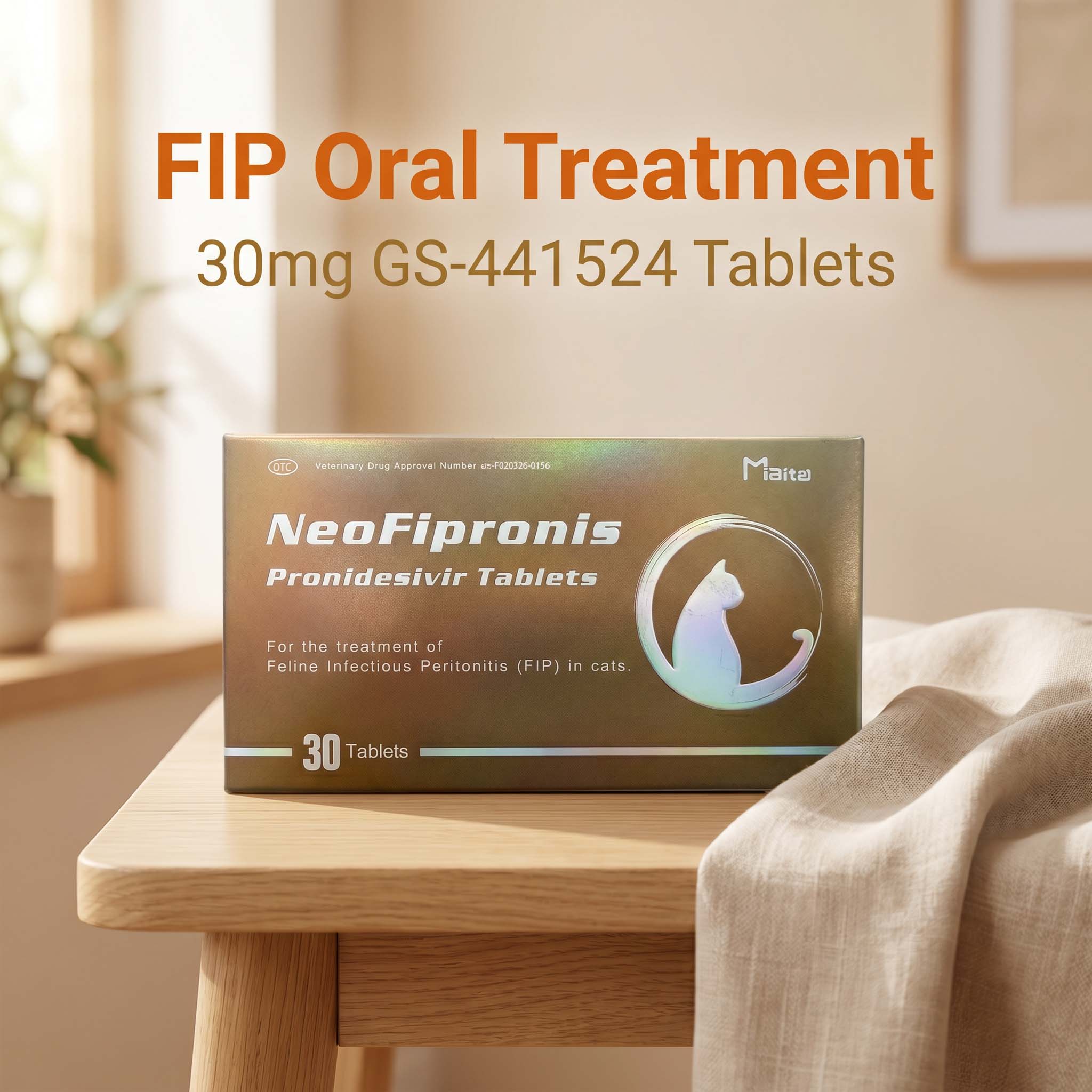
NeoFipronis (Pronidesivir) is presented as an oral GS-441524-based treatment option for feline infectious peritonitis (FIP), a serious and often life-threatening disease in cats. FIP may cause poor appetite, lethargy, fever, abdominal fluid, chest fluid, enlarged lymph nodes, inflammatory granulomas, neurological damage, and uveitis. Because FIP can progress quickly, the correct dosage, consistent daily administration, and veterinary monitoring are essential for the best possible outcome.
Standard Dosage for Wet and Dry FIP
For most cats with FIP, the commonly used oral dosage is 15 mg per kilogram of body weight once daily. This is the typical baseline dose used for many non-neurological, non-ocular cases. In practical terms, if a tablet is designed so that half a tablet equals 15 mg/kg for a cat of a certain weight, the dose should still be calculated according to the cat’s current body weight, not by guesswork.
The treatment is usually given once daily, and it is often recommended to give the tablet on an empty stomach, either one hour before feeding or two hours after a meal, to support absorption. Cats that struggle with medication may need a carefully planned routine to improve compliance, because missed doses can reduce treatment effectiveness.
Dosage for Neurological and Ocular FIP
Cats with neurological FIP or ocular FIP often require a higher dose because the drug must reach the central nervous system or the eyes more effectively. In these cases, veterinarians may increase the dose to 30 mg/kg once daily. This higher dosage should not be used casually; it should be guided by a veterinarian based on symptom severity, clinical response, and the cat’s overall condition.
Neurological signs may include wobbliness, seizures, weakness, behavior changes, or difficulty walking. Ocular signs may include eye inflammation, cloudiness, abnormal pupil response, or vision changes. These cases usually need closer follow-up and more frequent reassessment than standard FIP cases.
Treatment Duration and Monitoring
FIP therapy generally requires at least 12 consecutive weeks of treatment, and the medication should not be stopped early without veterinary advice. Cats should be monitored regularly for changes in appetite, temperature, energy level, weight, and hydration. Blood tests are also important to check liver function, kidney function, red blood cells, white blood cells, and inflammatory markers.
If a cat improves quickly, treatment still should not be shortened on the basis of symptoms alone. FIP can relapse if medication is inconsistent or discontinued too soon. A complete treatment plan usually includes both the drug and ongoing clinical monitoring.
Safety and Veterinary Guidance
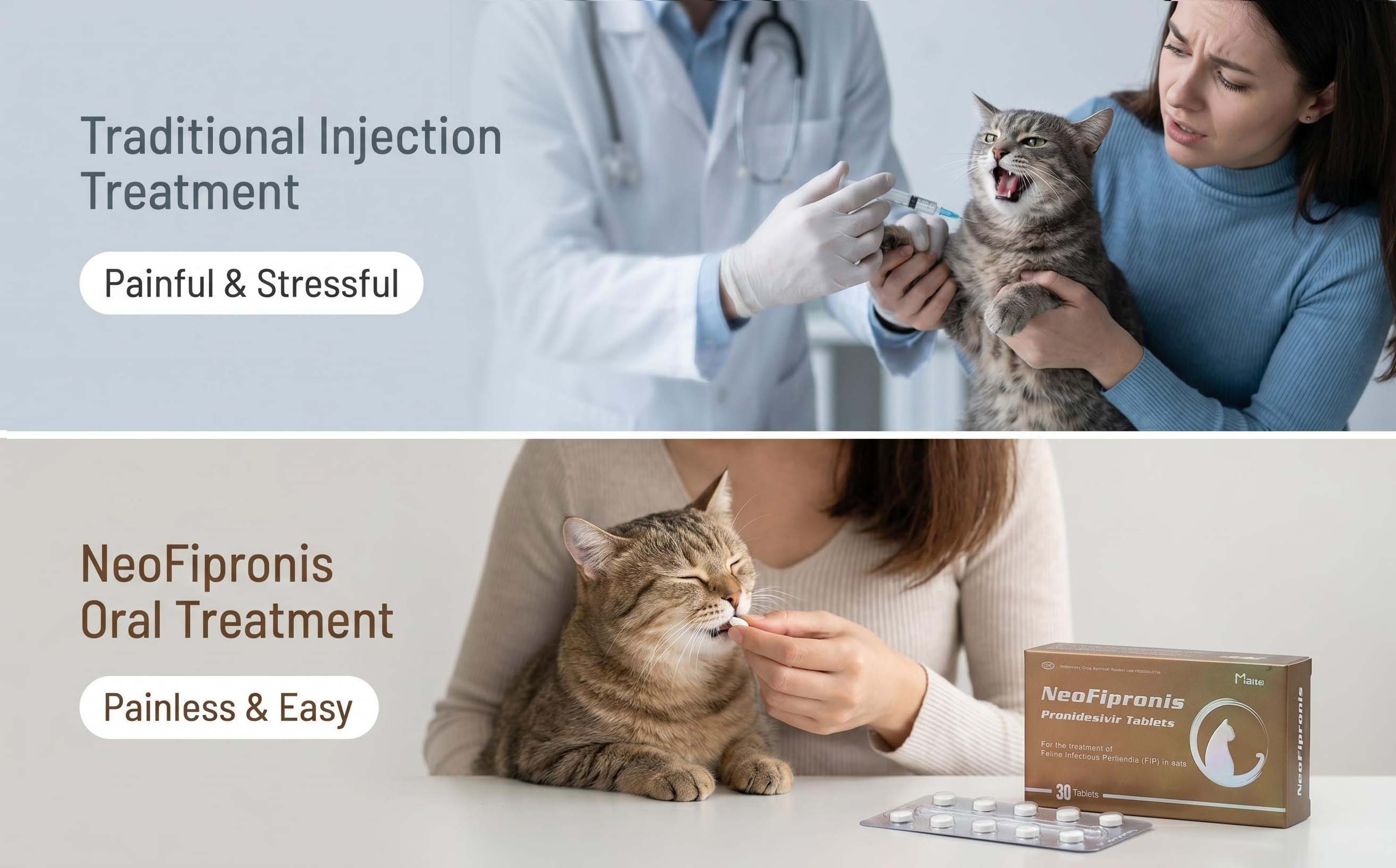
NeoFipronis (Pronidesivir) is described as an oral, non-invasive option with good tolerability and relatively few side effects, but every cat responds differently. Dose changes, supportive care, and treatment length should be determined with veterinary supervision. Even if a product is available without prescription, professional guidance is strongly recommended for safety and accuracy.
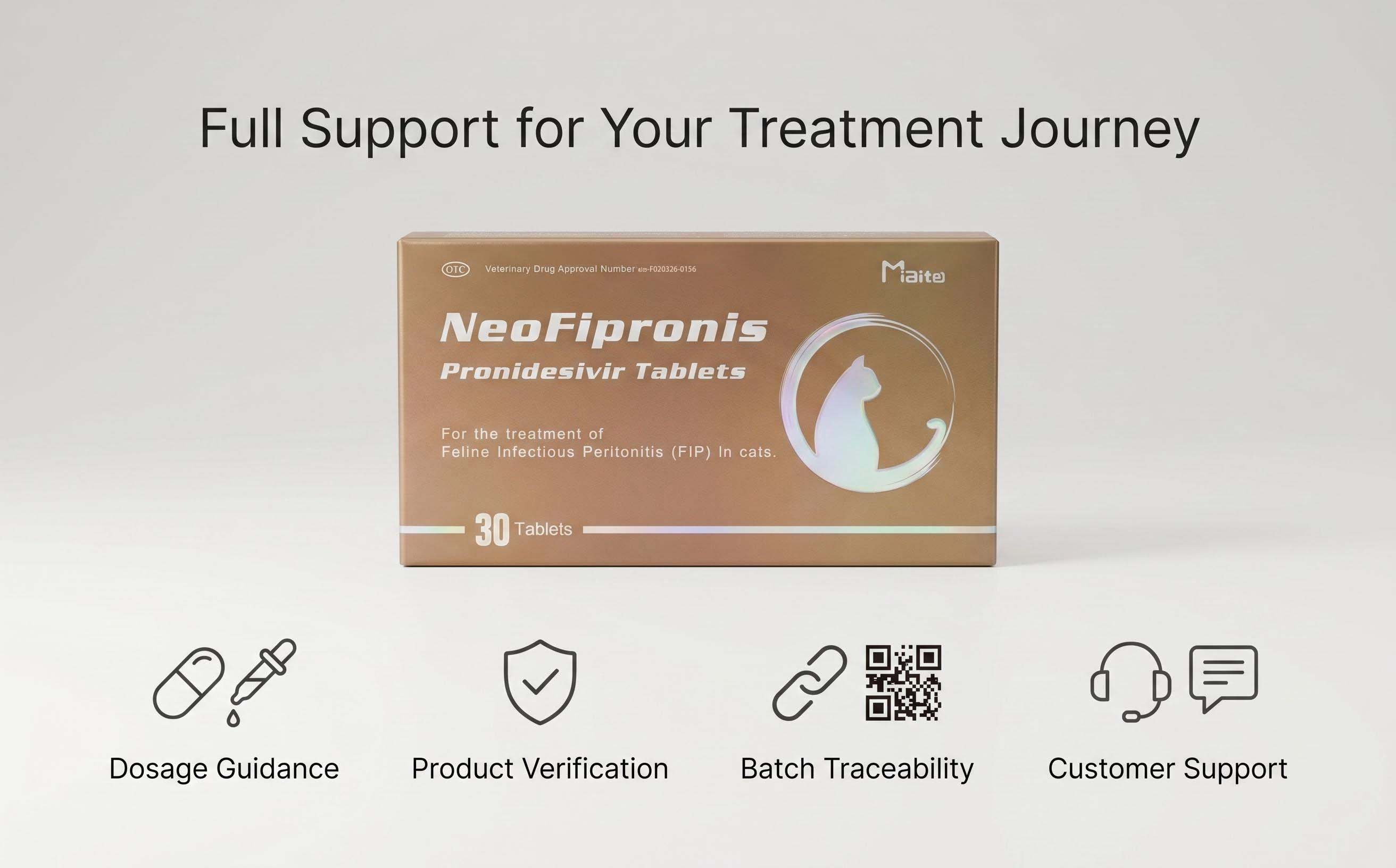
This medication is intended for cats only and should never be used in people. To protect product quality and reduce the risk of counterfeit medications, purchase only from the official NeoFipronis website or other verified sources approved by the manufacturer.
If you want, I can also turn this into a more SEO-optimized version with a meta title, meta description, and FAQ section.