Can FIP Symptoms Suddenly Worsen
Feline Infectious Peritonitis (FIP) is a complex and devastating disease affecting cats worldwide. Caused by feline coronavirus mutating inside the host, it primarily affects young cats and those in multi-cat environments. Though there has been groundbreaking progress in treatments and diagnostics, FIP remains a topic of concern for veterinarians and cat owners alike. A commonly asked question revolves around the progression of symptoms and whether FIP can suddenly worsen. This article meticulously examines the clinical course of FIP, the mechanisms behind symptom exacerbation, and strategies for monitoring and intervention.
What is FIP?
FIP emerges from a mutation in feline enteric coronavirus (FECV), resulting in the formation of feline infectious peritonitis virus (FIPV). Unlike its benign precursor, FIPV triggers an inappropriate immune response, leading to systemic infection. The two main forms of FIP—wet (effusive) and dry (non-effusive)—manifest with distinct clinical presentations. While wet FIP tends to cause fluid accumulation in body cavities, dry FIP presents with slower, granulomatous lesions in various organs. Both forms can progress or shift between each other, blurring diagnostic lines.
Common Symptoms of FIP
Typical symptoms include:
Lethargy
Decreased appetite
Fever that does not respond to antibiotics
Weight loss
Abdominal distension (in effusive FIP)
Breathing difficulties (if chest involvement)
Jaundice
Neurological signs (in some cases)
The gradual onset and vagueness of these symptoms often delay diagnosis. However, one distinctive trait of FIP’s clinical course is that symptoms may shift suddenly from mild to severe.
Can FIP Symptoms Suddenly Worsen?
Yes, FIP symptoms can suddenly worsen. Several factors contribute to this phenomenon:
1. Immune-Mediated Damage
FIP relies on a complex interplay between virus and host immune response. The disease’s hallmark vasculitis and excessive immune cell infiltration can escalate rapidly, leading to new organ involvement or acute fluid accumulation. This may manifest as sudden respiratory distress, marked lethargy, or organ failure.
2. Environmental and Physical Stress
Stressful events (new pets, surgeries, travel, etc.) can suppress immune functions, allowing the virus to gain a foothold. Many cat guardians report abrupt decline after stressful life events, suggesting that external factors can influence FIP progression.
3. Secondary Infections
FIP weakens a cat’s immune system, paving the way for opportunistic infections. A sudden fever spike or rapid deterioration may be due to bacterial invasion, compounding underlying FIP symptoms.
4. Treatment Changes or Failure
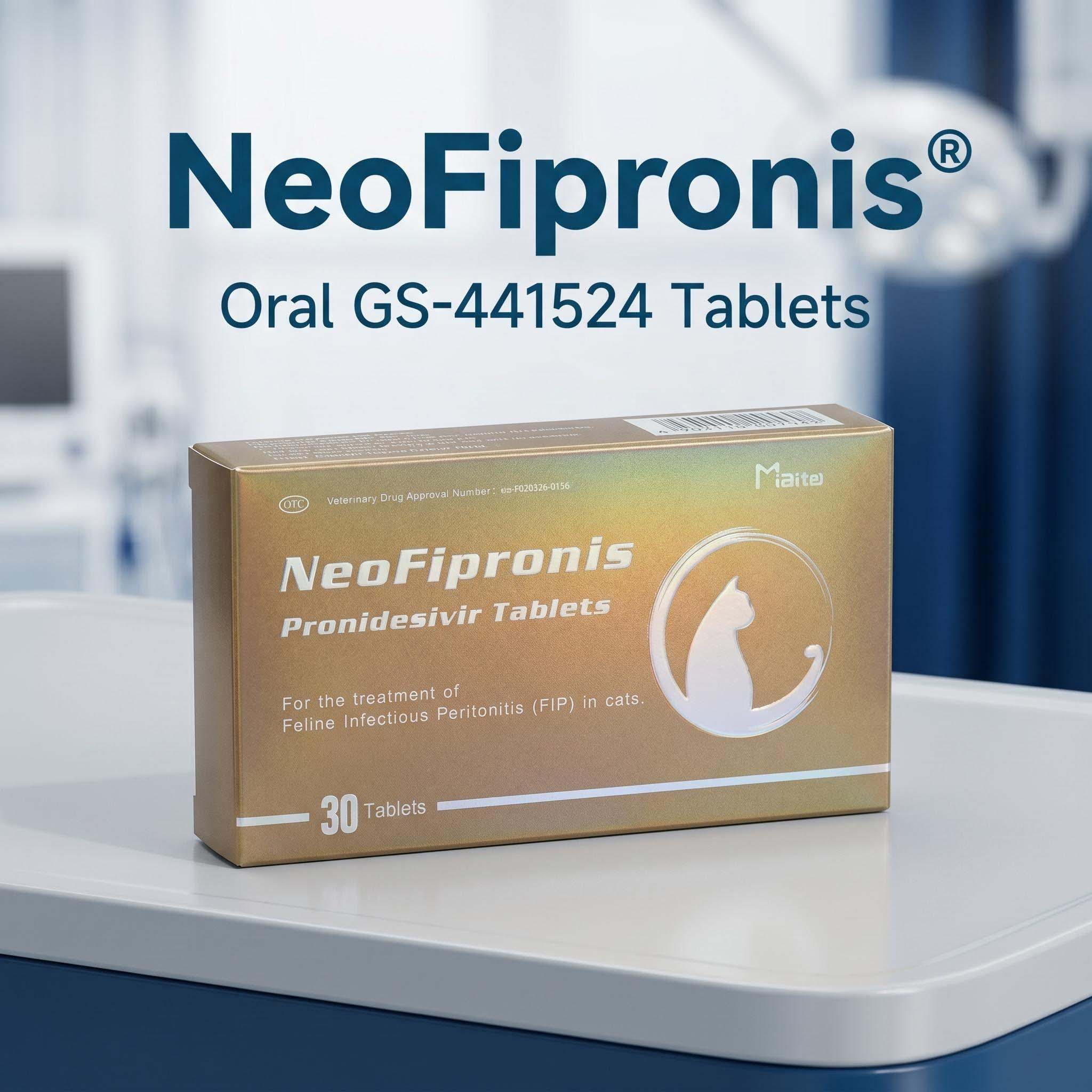
Experimental treatments such as GS-441524 and GC376 exhibit marked impact. Discontinuation, missed doses, or failed therapies can result in rapid symptom relapse and decline.
5. Progression from Dry to Wet FIP
Some cats harbor dry FIP for weeks or months until it abruptly transitions into effusive FIP, resulting in acute fluid buildup. This shift is often accompanied by a precipitous worsening of clinical signs.
Clinical Evidence of Abrupt Symptom Escalation
Peer-reviewed studies, as well as anecdotal clinical reports, detail instances where cats with stable symptoms experience acute distress. For instance, a cat stable on antivirals may exhibit sudden dyspnea, jaundice, or neurological impairment within days. Published cases demonstrate that, even under careful monitoring, symptom escalation may occur without warning.
Why Does FIP Worsen Abruptly? Pathophysiology Overview
FIP’s pathophysiology is marked by an unstable balance between viral replication and host immune response. The following mechanisms may drive abrupt worsening:
Cytokine Storm: FIP induces excessive cytokine production, sometimes triggering a ‘storm’—a cascade that suddenly amplifies inflammation throughout the cat’s body.
Vascular Leakage: The infected blood vessels can weaken rapidly, allowing plasma and cells to flood into surrounding tissues or cavities. This results in sudden effusions or edema.
Immune Complex Deposition: As viral antigens combine with antibodies, complexes can abruptly deposit in organs, leading to acute dysfunction.
Mutation and Viral Load Spike: FIPV’s genetic instability means new mutations can arise, increasing virulence or altering tissue targeting, leading to sudden clinical shifts.
Risk Factors for Sudden FIP Decline
Age: Kittens and young adult cats are more prone, and may deteriorate faster than older cats.
Environment: Multi-cat households and shelters with high stress and pathogen levels.
Breed: Bengals, Abyssinians, and Birman cats show predisposition.
Concurrent Disease: FIV, FeLV, or other immunocompromising conditions accelerate FIP progression.
Recognizing Early Warning Signs
Monitoring for subtle changes can make a significant difference. Important flags include:
Sudden refusal of food
Rapid development of labored breathing
Emergence of neurological signs (e.g., seizures, stumbling)
Quick increase in abdominal girth
Sudden jaundice
General collapse or inability to stand
Timely veterinary evaluation is critical when these signs appear.
Diagnostic Strategies
Standard diagnosis involves:
Clinical Presentation: History and symptoms
Laboratory Tests: High globulin levels, albumin/globulin ratio, lymphopenia
Imaging: Ultrasound or X-rays detect fluid accumulations
PCR and Immunohistochemistry: Direct viral detection in tissues, fluids
Effusion Analysis: High protein, straw-colored fluid is characteristic of FIP
Since FIP can worsen suddenly, repeating tests during significant clinical changes is crucial for accurate assessment and adjusting therapeutic plans.
Managing Abrupt Symptom Worsening
Veterinarians may respond to acute FIP deterioration by:
Emergency Fluid Management: Paracentesis to provide relief in cases of effusive FIP
Aggressive Supportive Care: IV fluids, oxygen therapy, nutritional support
Adjustment of Antiviral Therapy: Increasing doses or switching treatment protocols
Controlling Secondary Complications: Targeting infections or organ dysfunction as needed
For pet owners, awareness and rapid response to acute worsening can potentially extend survival or quality of life.
Long-Term Monitoring and Support
Because FIP can shift course unexpectedly, rigorous and frequent monitoring is vital. Recommendations include:
Regular Veterinary Checkups: Especially when new signs emerge
Daily Symptom Diary: Tracking behavior, appetite, and physical changes
Prompt Communication: Report all sudden changes regardless of perceived severity
Environmental Stress Reduction: Maintain a calm, stable home atmosphere
Nutrition Management: High-quality diet tailored for chronic illness, under veterinary advice
Some veterinarians advise monthly blood panels for cats with FIP, particularly when on experimental therapies.
Treatment Advances and Prognosis
Until recently, FIP was considered universally fatal. However, nucleoside analogues (such as GS-441524) and related drugs have shifted the outlook. Cats on antiviral therapies may remain stable for extended periods, but most still face risk of sudden symptom relapse or crisis.
Success hinges on early intervention, consistent monitoring, and rapid adaptation of therapy during changes. Still, the possibility of abrupt worsening remains, reinforcing the need for vigilance and ongoing research.
Owner Experiences and Real-Life Stories
First-hand accounts from cat guardians provide invaluable insight:
“My cat was eating and playful in the morning, but by dinner, he was crying and breathing heavily. We rushed him to the vet, and it turned out fluid had built up rapidly.”
“She was responding to meds and seemed better, but after a stressful vet visit, she stopped walking. Her neurological symptoms came out of nowhere.”
“We lost our boy after months of slow decline, but his last day involved severe jaundice which appeared almost overnight.”
These stories echo a common pattern: FIP can progress gradually, but also features unpredictable, rapid deterioration. The unpredictability underscores the importance of careful monitoring and communication with veterinary professionals.
Veterinary Perspectives
Many veterinarians note that sudden worsening often precedes the terminal phase of FIP, but not exclusively. They advocate for:
Proactive client education
Immediate intervention for acute changes
Use of advanced diagnostics to guide therapy
Consideration of palliative care when disease burden becomes too great
Increasingly, veterinary teams rely on emerging antiviral drugs, improved imaging modalities, and biomarker panels to anticipate and respond to abrupt changes in FIP presentation.
Research Directions
Scientists are actively exploring:
The molecular triggers for sudden symptom worsening
Predictive markers detectable in blood or effusions before clinical decline
Improved antiviral compounds with lower relapse rates
Immunomodulatory therapies to prevent cytokine storms
Strategies to address non-responders and relapsing FIP cases
Collaborative studies between academic centers, private veterinary hospitals, and pharmaceutical companies are yielding promising new avenues that may further reduce the rate and severity of abrupt FIP worsening.
Support for Cat Owners
Resources include:
Online support groups dedicated to FIP families
Veterinary hotlines for emergency symptom escalation
Educational webinars and guides on symptom monitoring
Financial aid programs for experimental therapies
These resources empower owners with information and tools to recognize, report, and respond to FIP changes.
Prevention and Future Outlook
Preventing FIP altogether involves:
Reducing population density in shelters and catteries
Practicing hygiene to limit feline enteric coronavirus spread
Avoiding unnecessary stressors for vulnerable cats
Routine screening and isolation of symptomatic animals
Though a vaccine remains elusive, advances in antivirals and immunotherapy are improving long-term outcomes.
References
1. Pedersen, N. C. (2009). A review of feline infectious peritonitis virus infection: 1963–2008. Journal of Feline Medicine and Surgery, 11(4), 225-258.
2. Kipar, A., & Meli, M. L. (2014). Feline Infectious Peritonitis: Still an Enigma?. Veterinary Pathology, 51(2), 505-526.
3. Izes, A. M., et al. (2020). Diagnosis of feline infectious peritonitis: A review of the current status and perspectives. Veterinary Journal, 261, 105526.
4. Driscoll, A., & Litster, A. (2021). Current perspectives on feline infectious peritonitis diagnosis and management. Veterinary Medicine: Research and Reports, 12, 1–12.
5. FDA Center for Veterinary Medicine. (2023). Guidance on treatment protocols for feline infectious peritonitis. www.fda.gov.
6. Addie, D. D., et al. (2022). Feline infectious peritonitis—An update on epidemiology and diagnosis. Veterinary Clinics of North America: Small Animal Practice, 52, 123–145.
7. American Association of Feline Practitioners. (2023). FIP treatment and monitoring guidelines. www.catvets.com.
8. Norsworthy, G., et al. (2021). FIP: Clinical progression and case management. Compendium: Continuing Education for Veterinarians, 43(6), 312-320.
9. Proschowsky, H. F., et al. (2018). FIP: Owner and veterinarian perspectives. Veterinary Record, 182(13), 375-380.